



Men's Wedding Rings
Men's Wedding Rings








Men's Wedding Ring Categories
The 32 men's wedding rings in this collection span three primary metal categories.
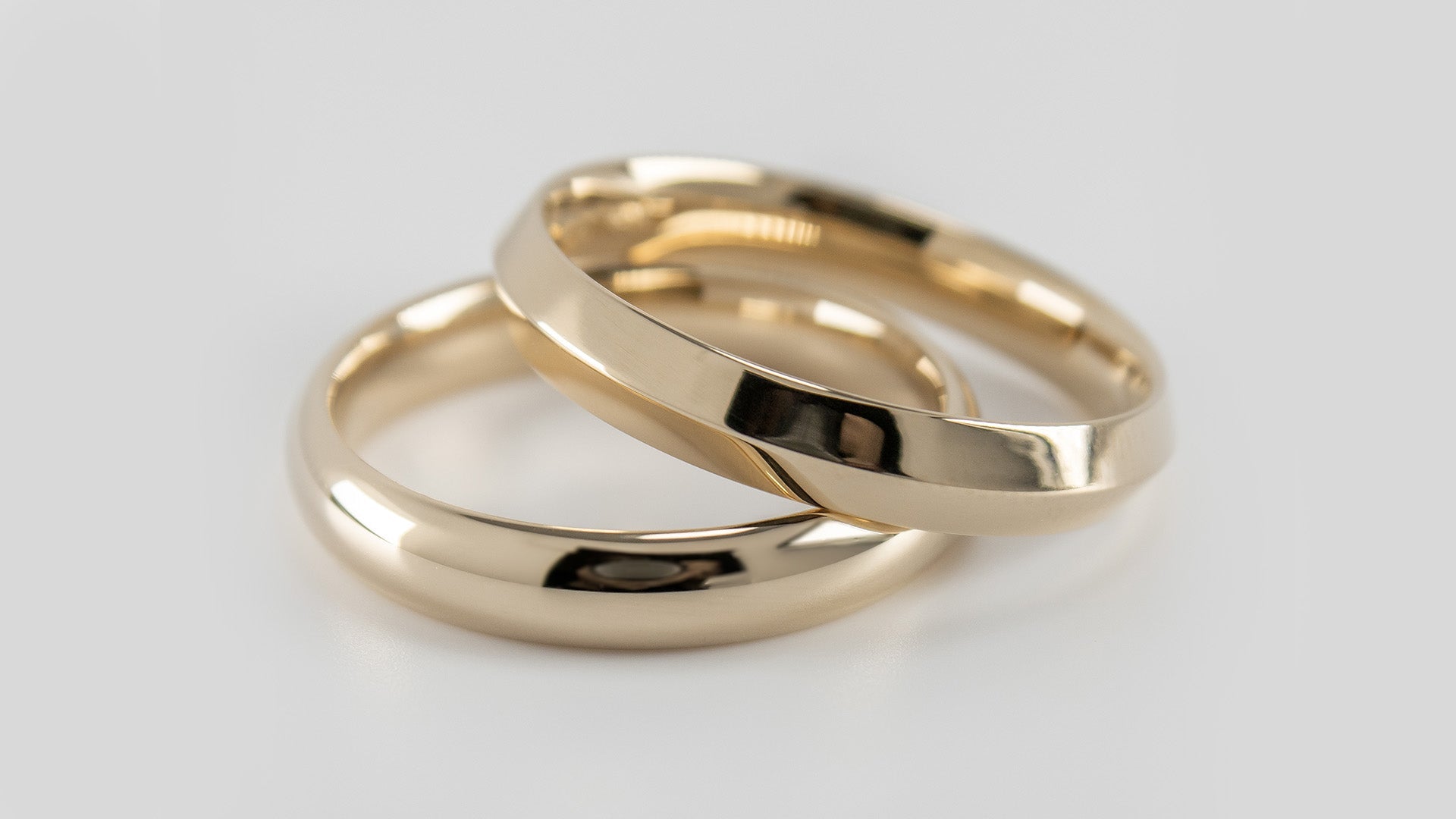
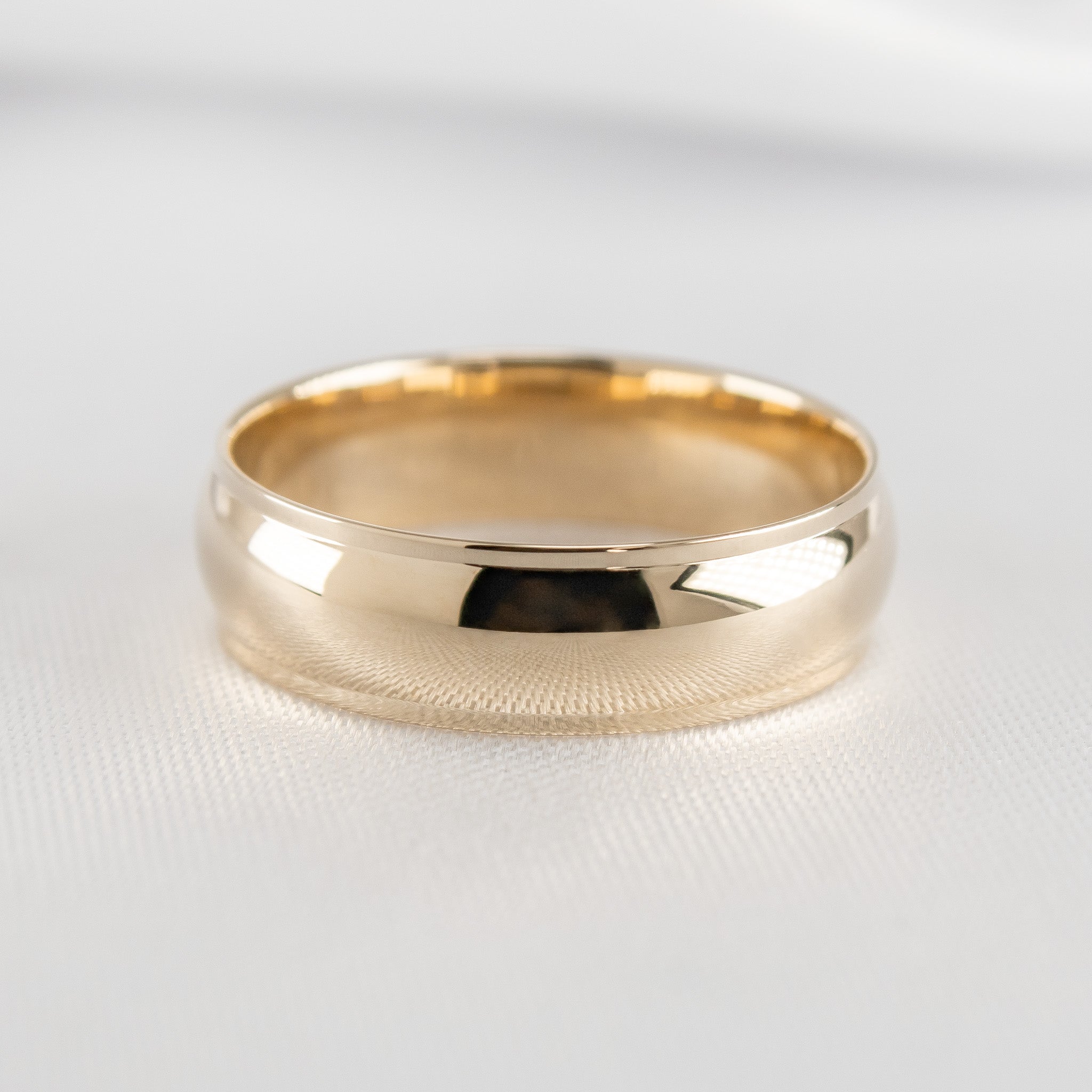
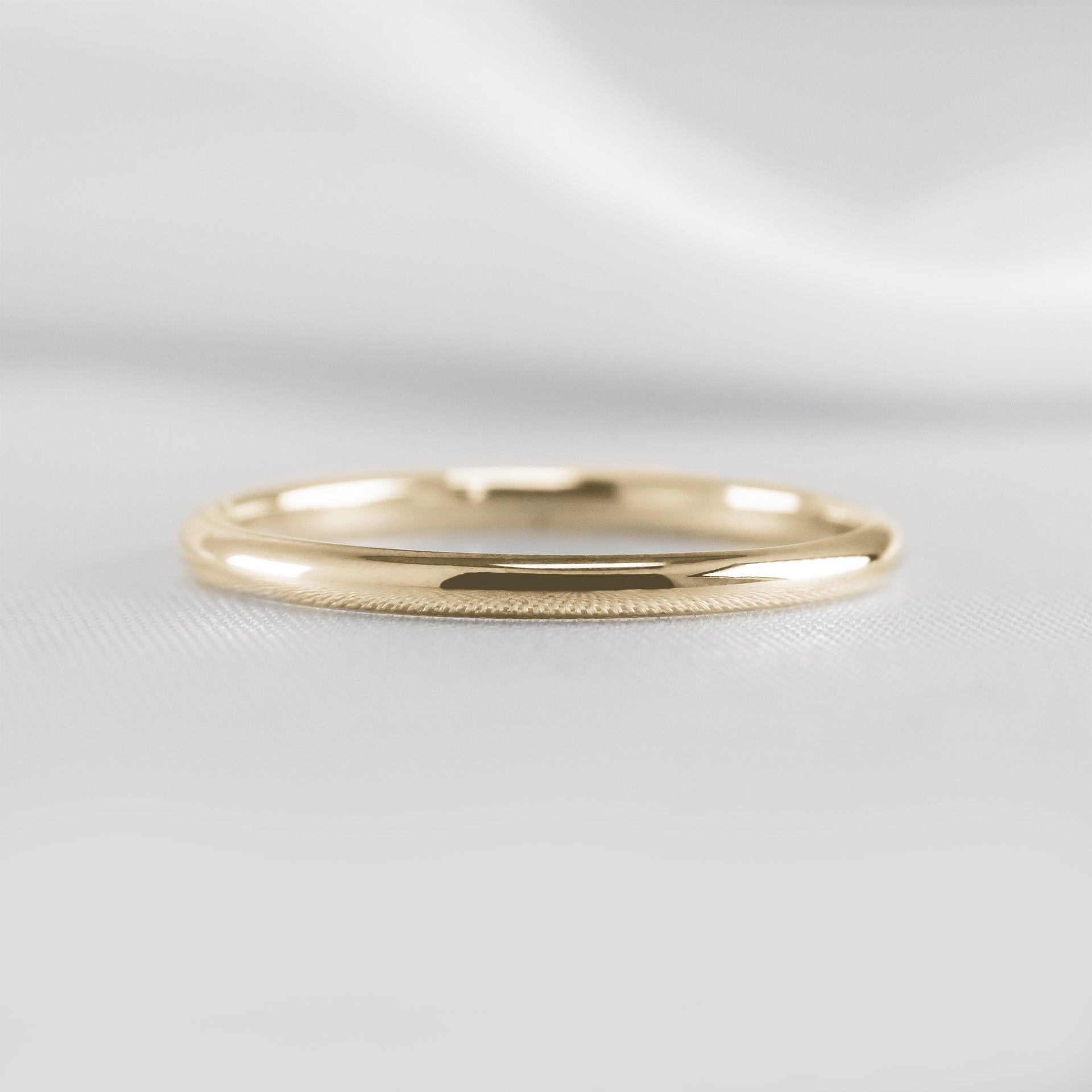
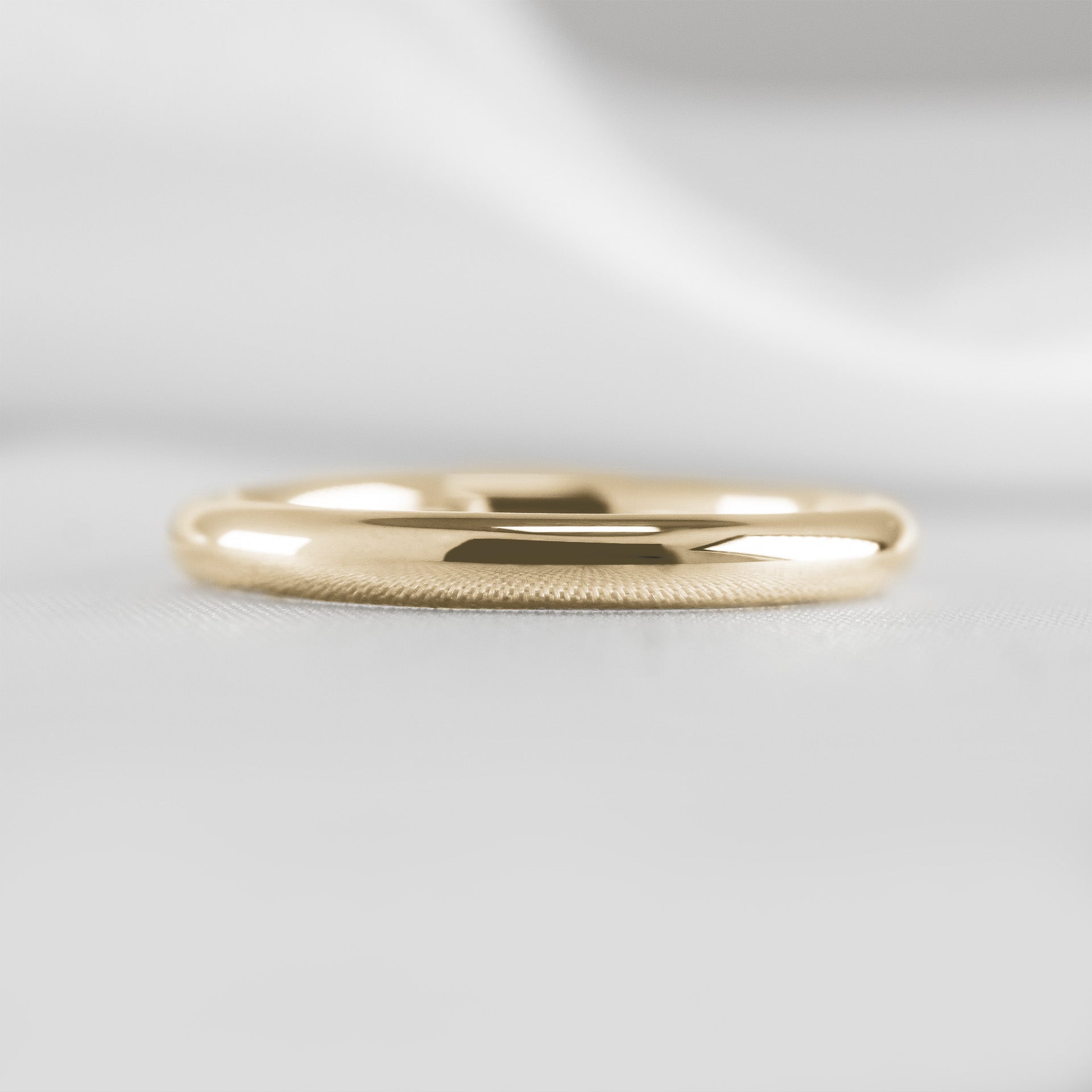
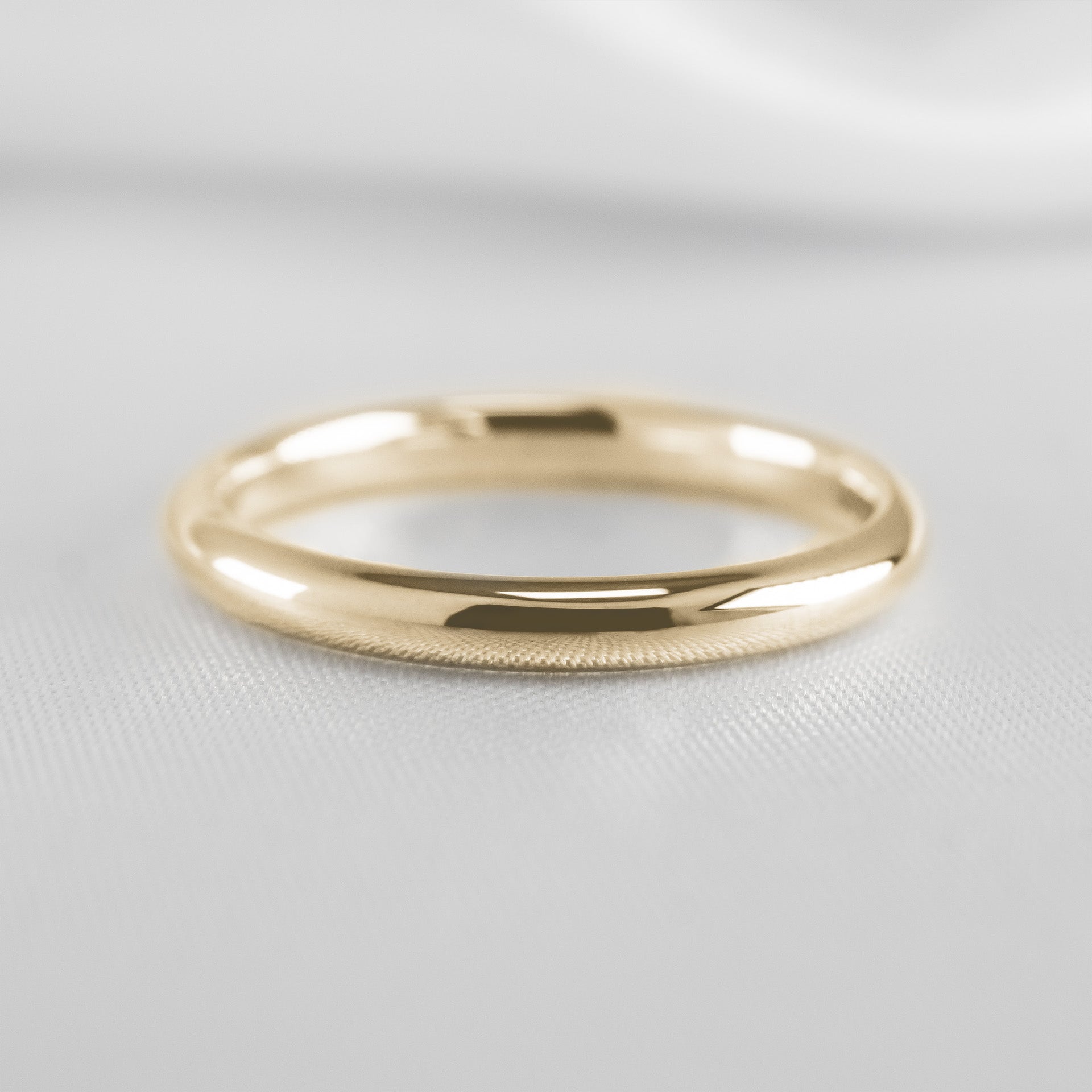
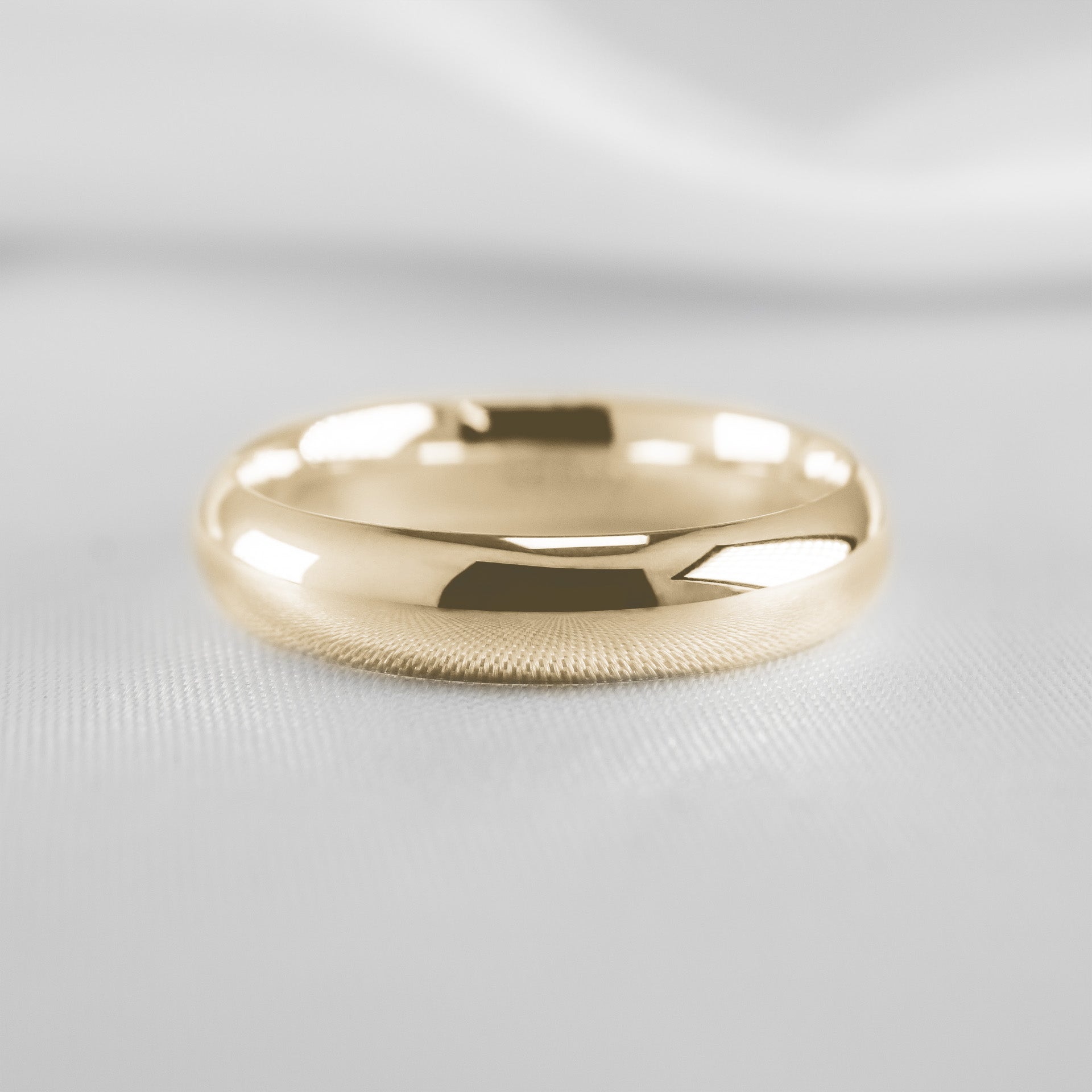
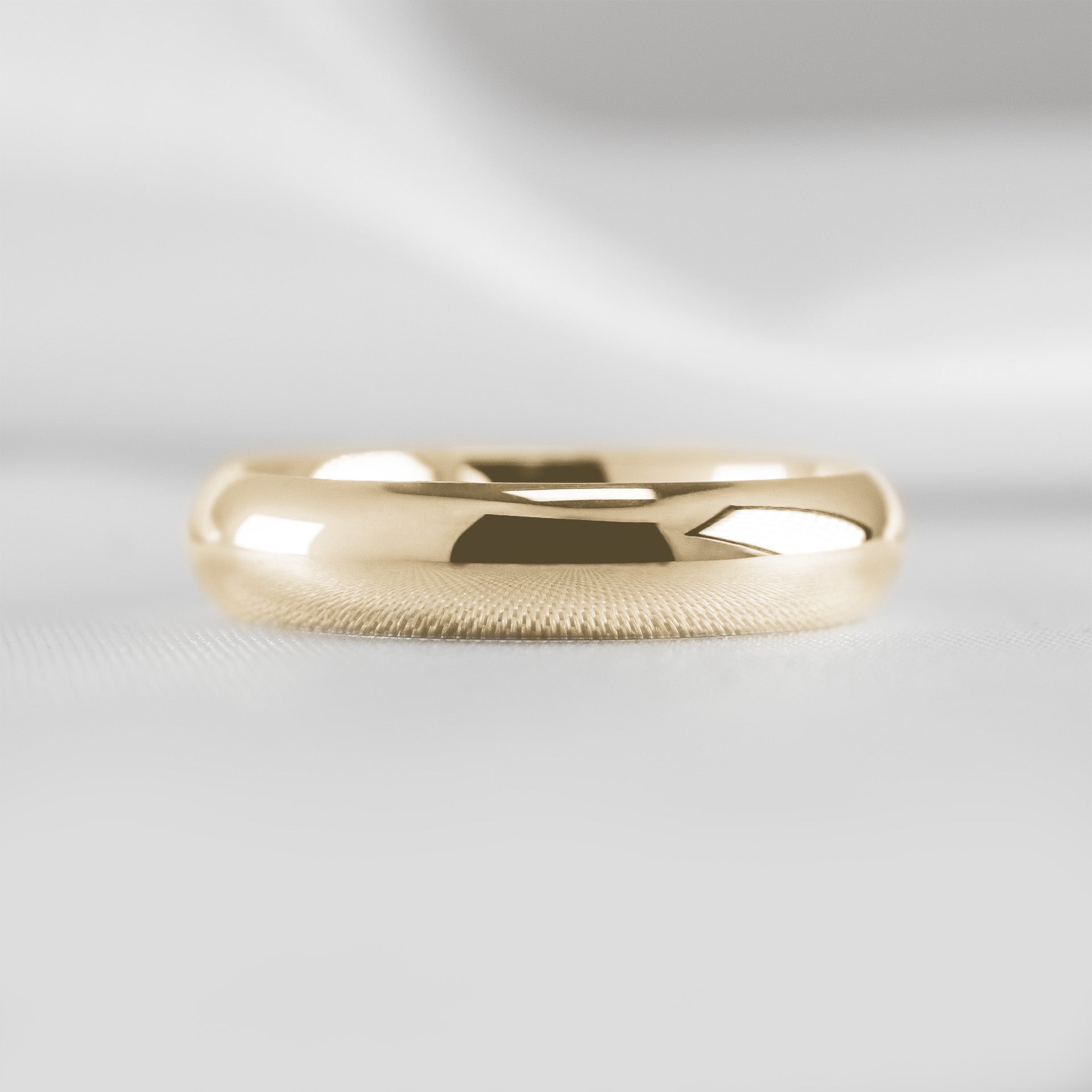
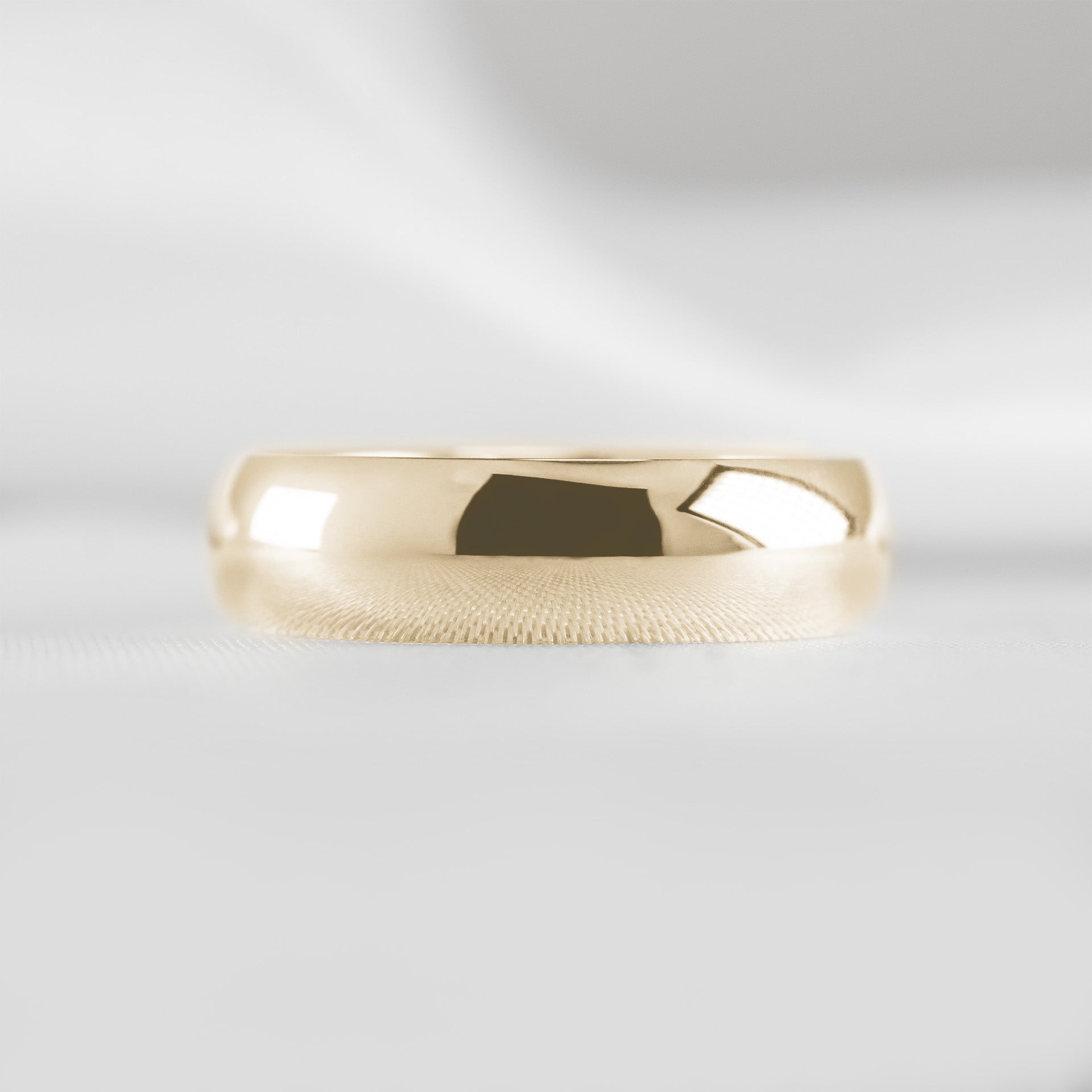
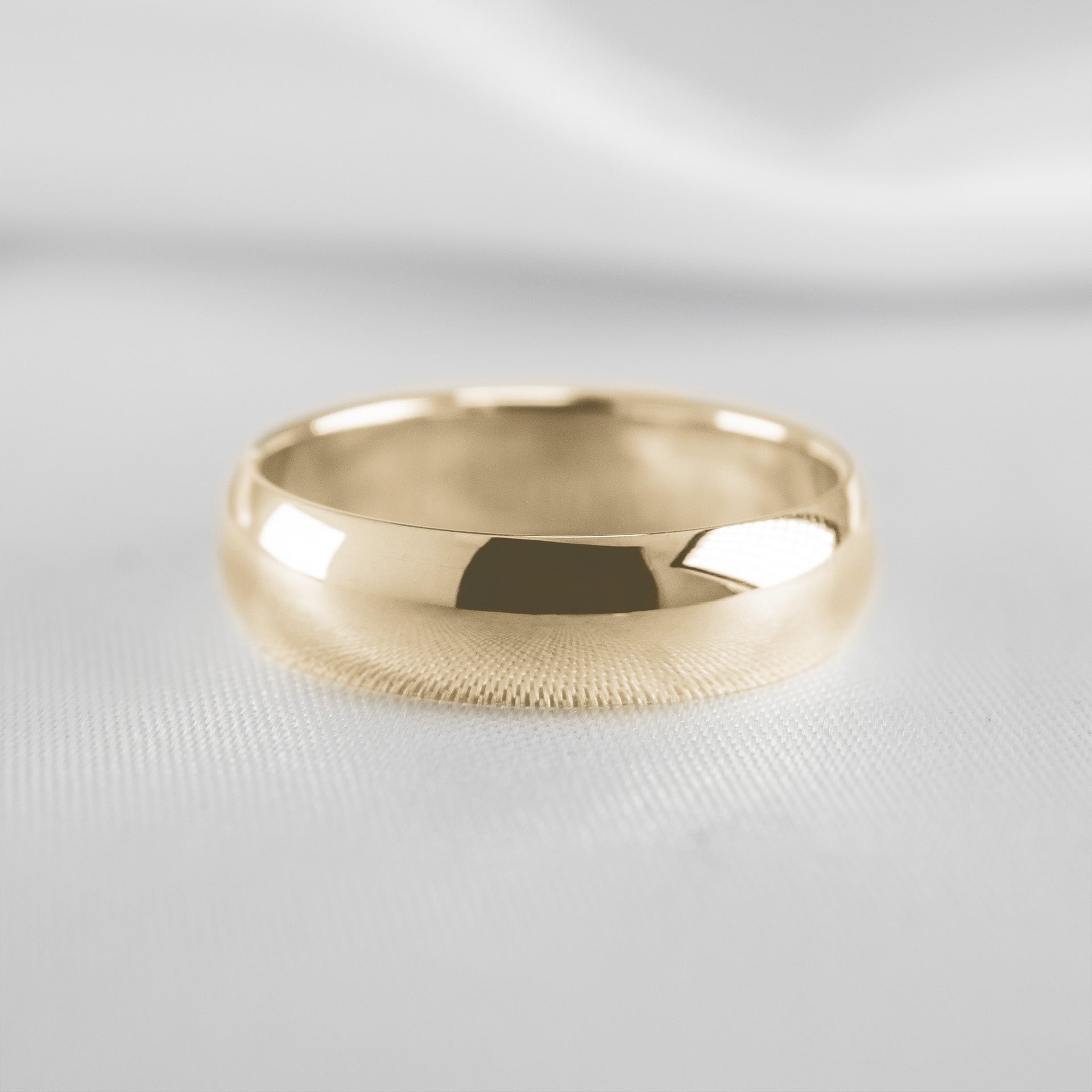
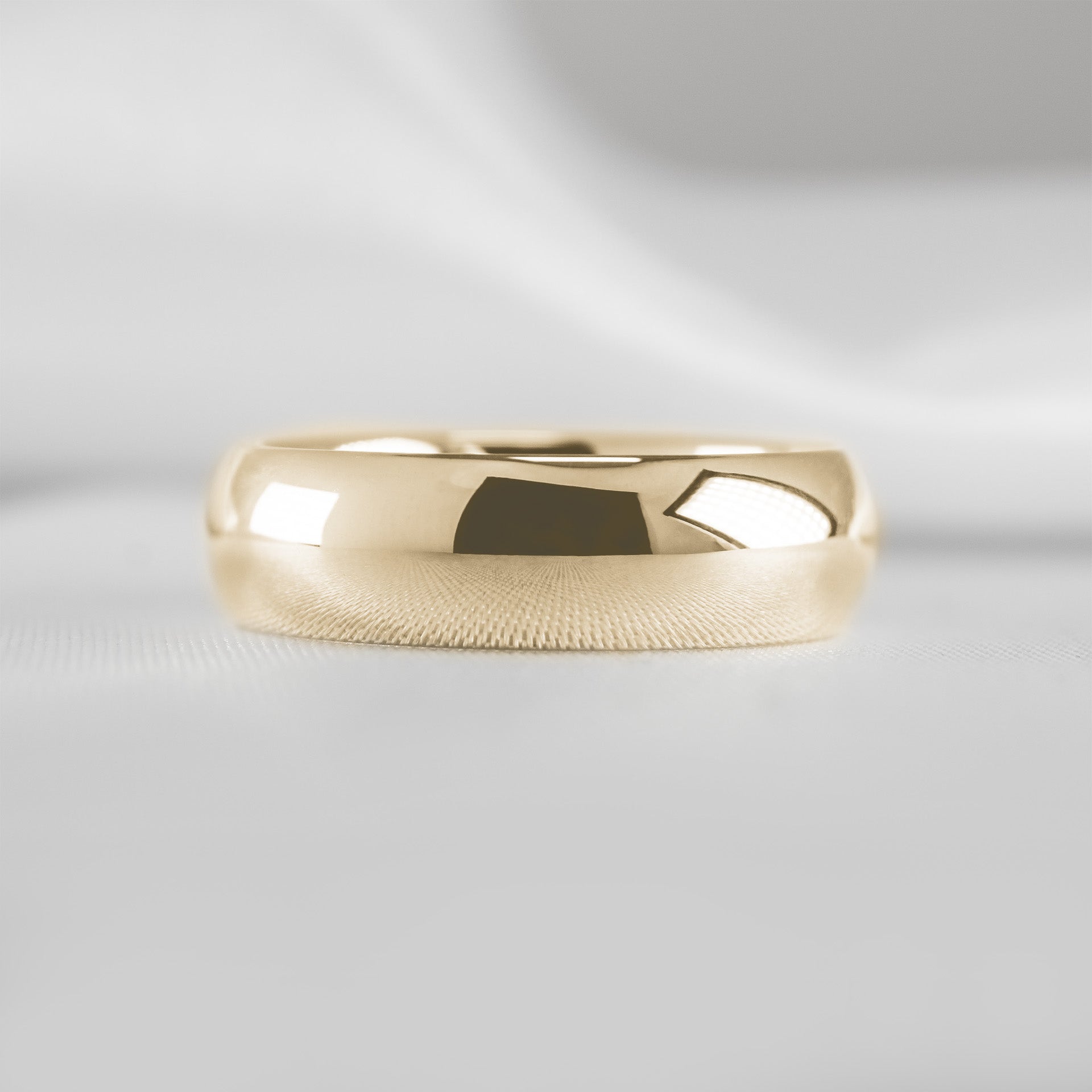
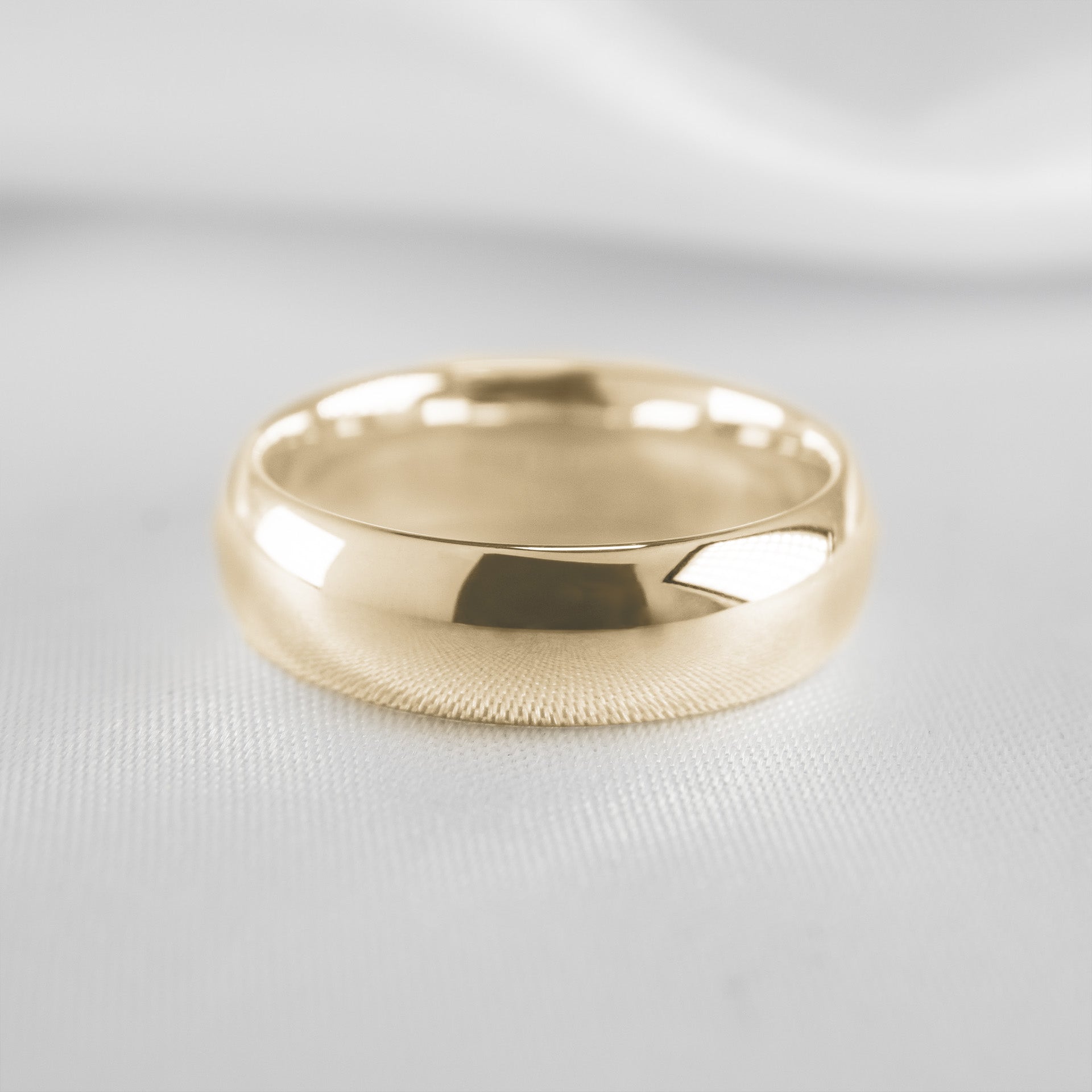
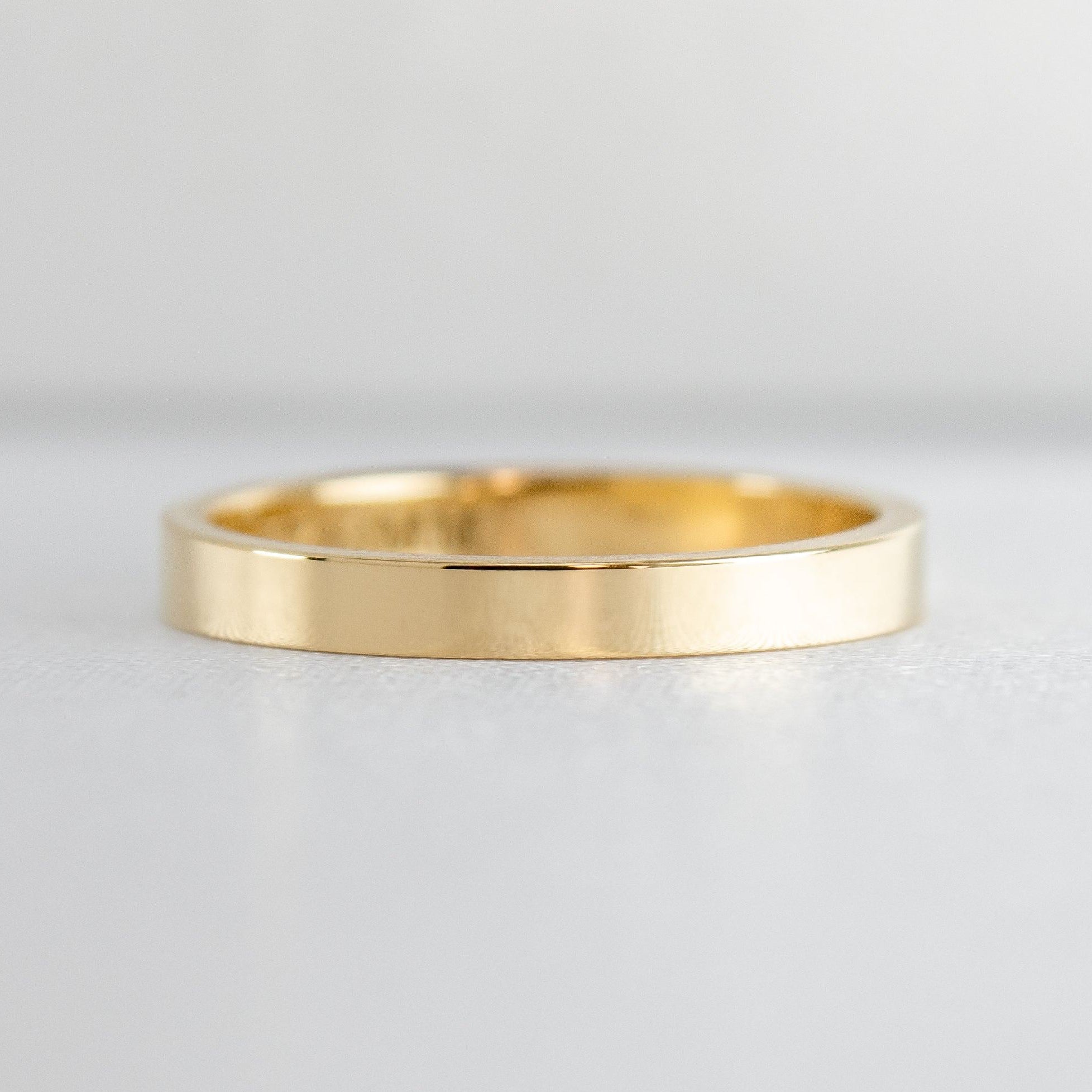
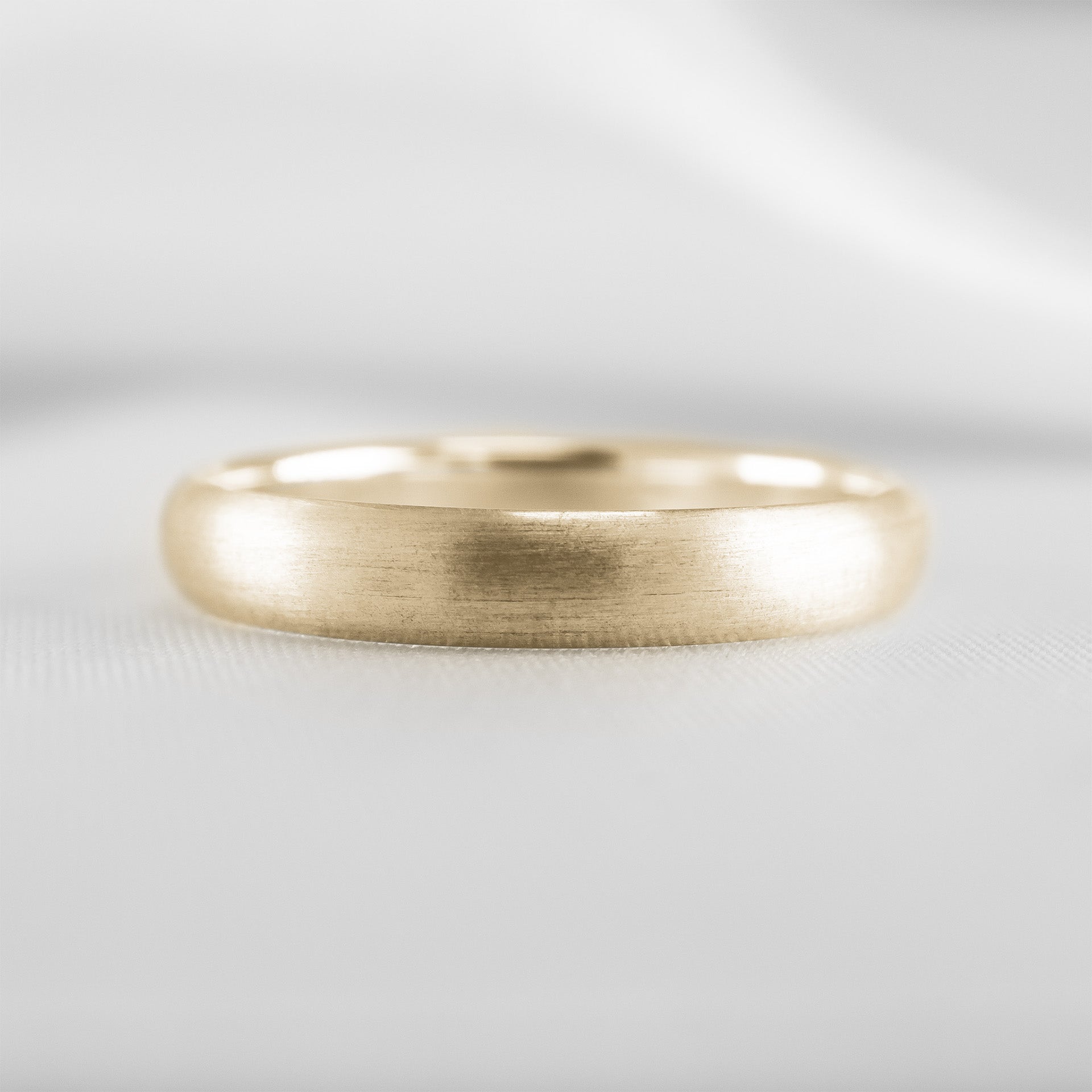
Plain gold wedding bands (Tanner family — 5 widths): Tanner 2mm, Tanner 4mm, Tanner 6mm. Comfort fit interior, low dome exterior, in yellow/white/rose gold or platinum.
Men's Wedding Ring Categories
The 32 men's wedding rings in this collection span three primary metal categories.
Plain gold wedding bands (Tanner family — 5 widths): Tanner 2mm, Tanner 4mm, Tanner 6mm. Comfort fit interior, low dome exterior, in yellow/white/rose gold or platinum.
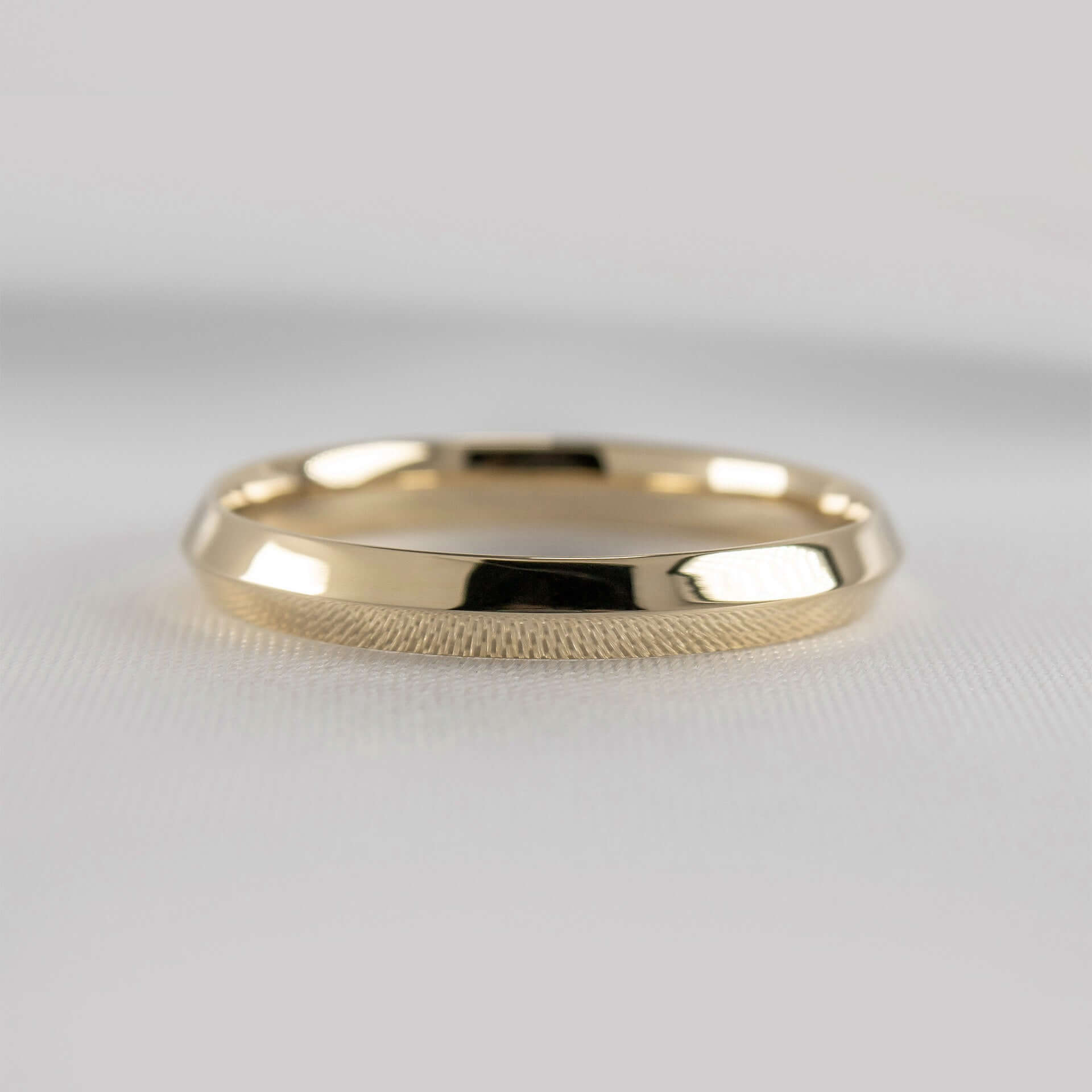
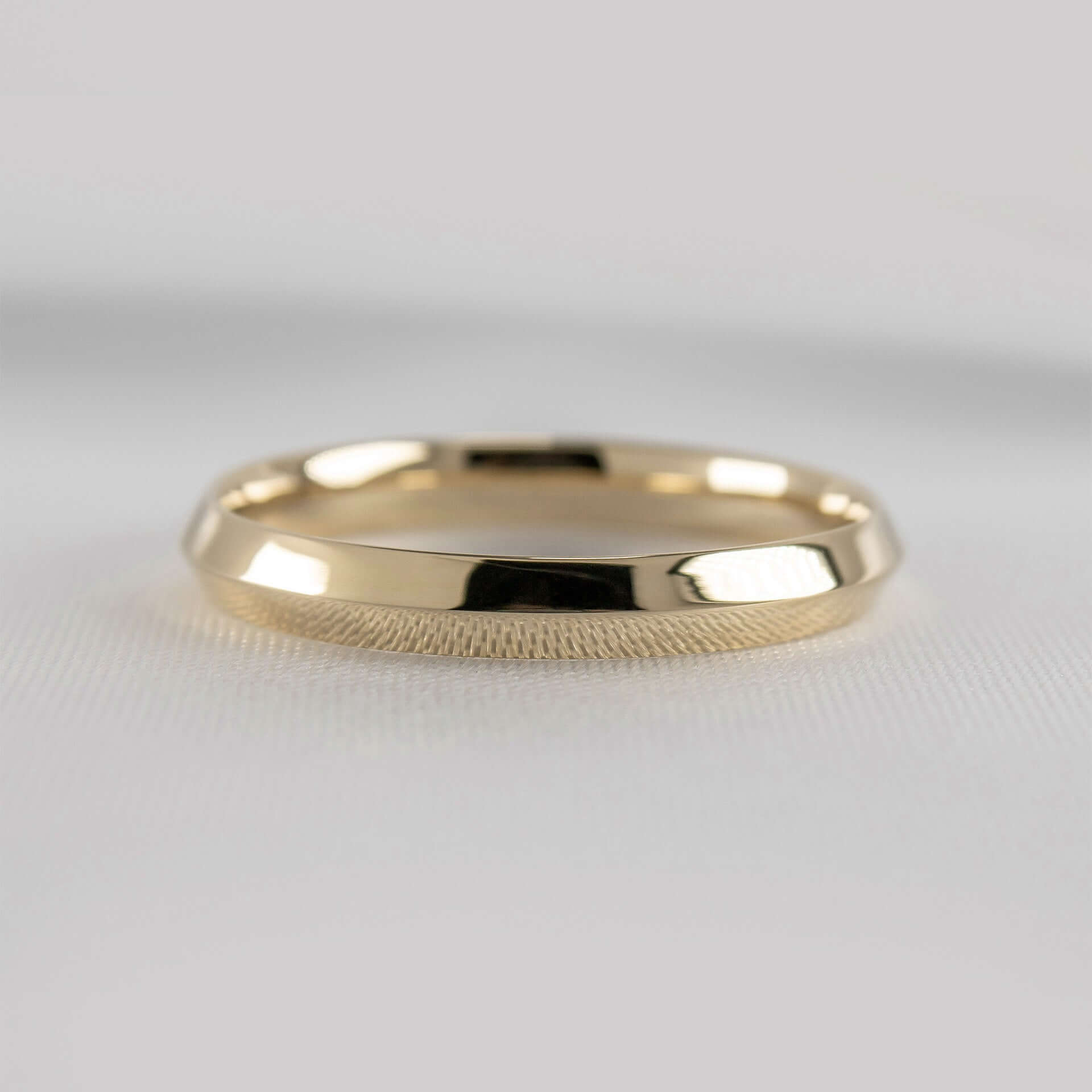
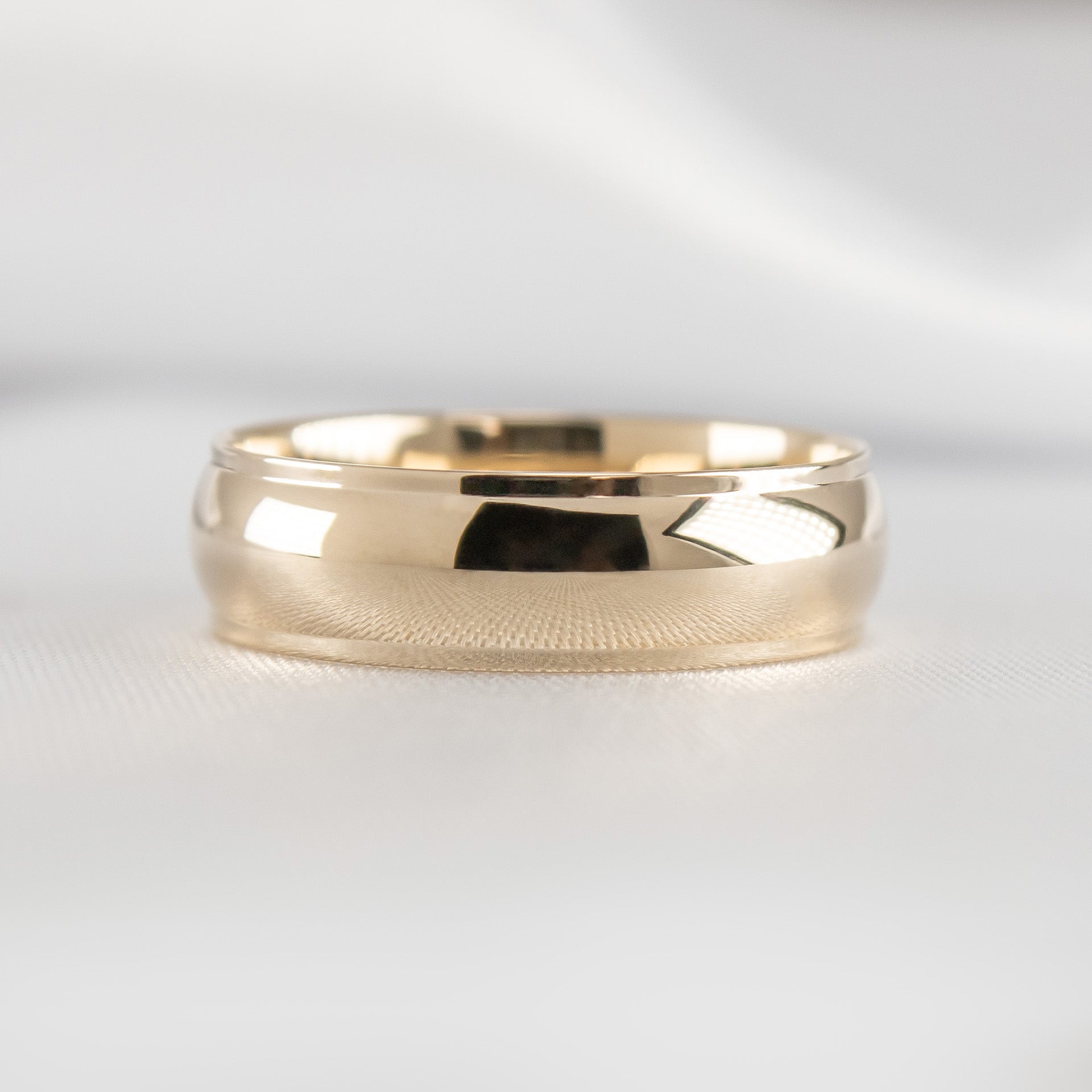
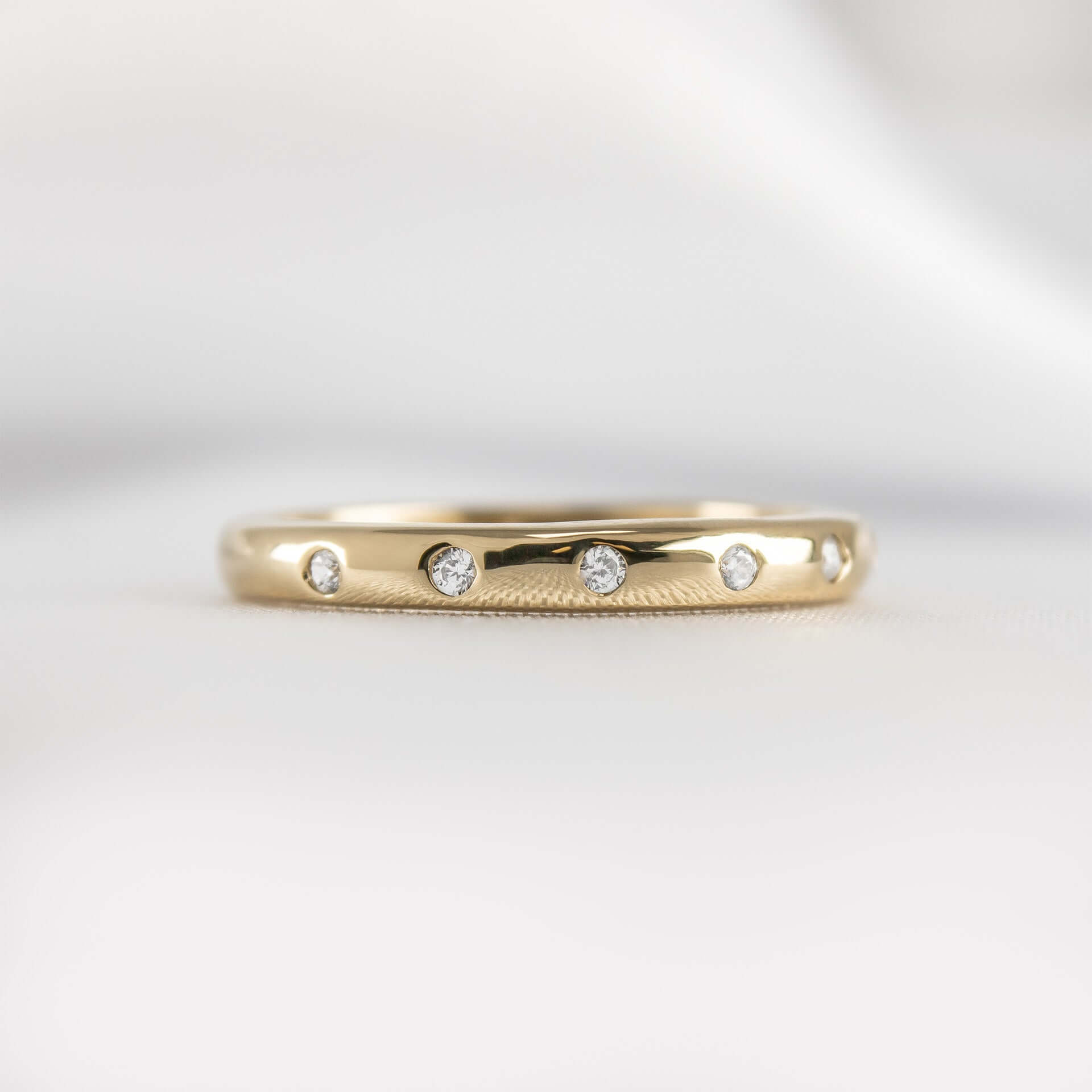
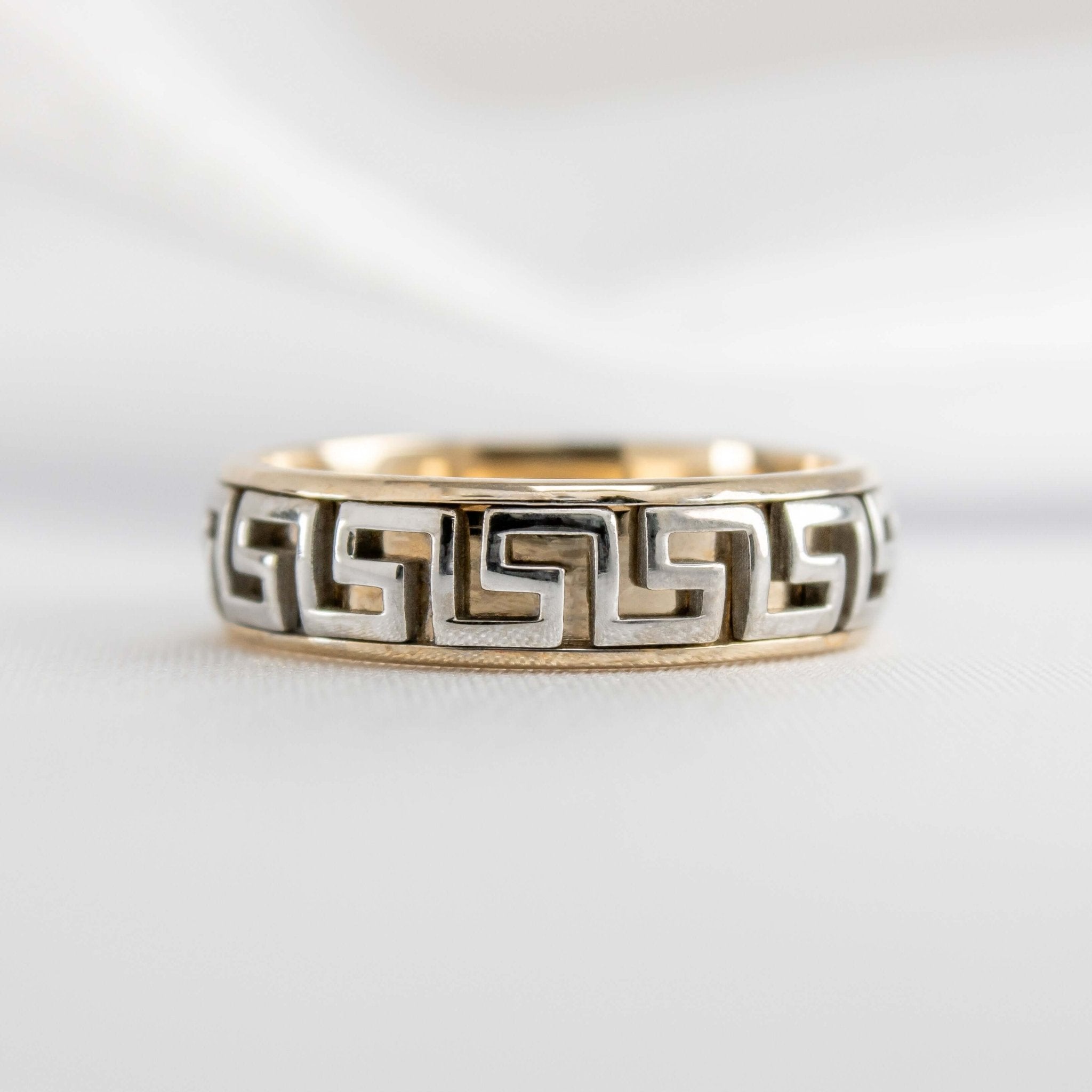
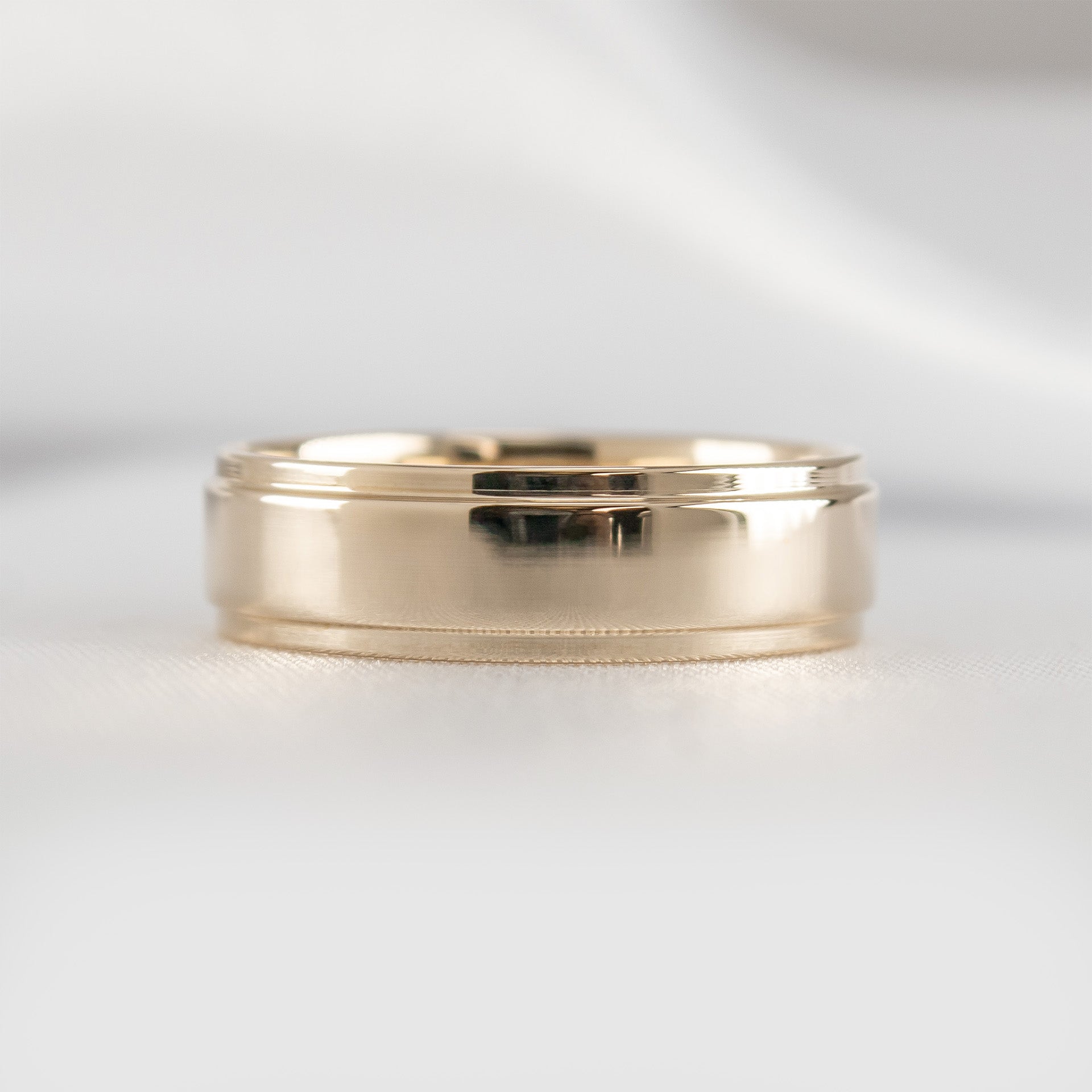
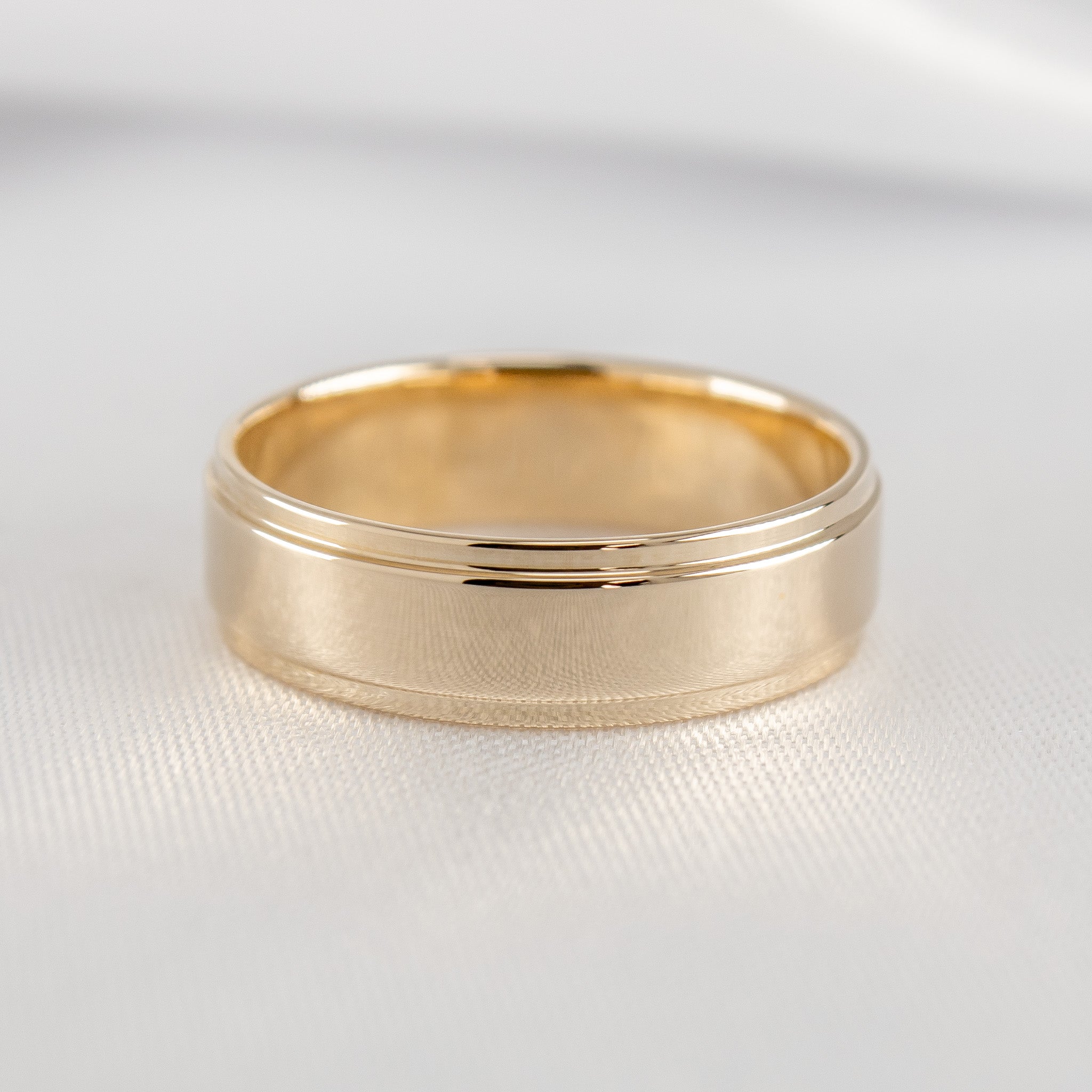
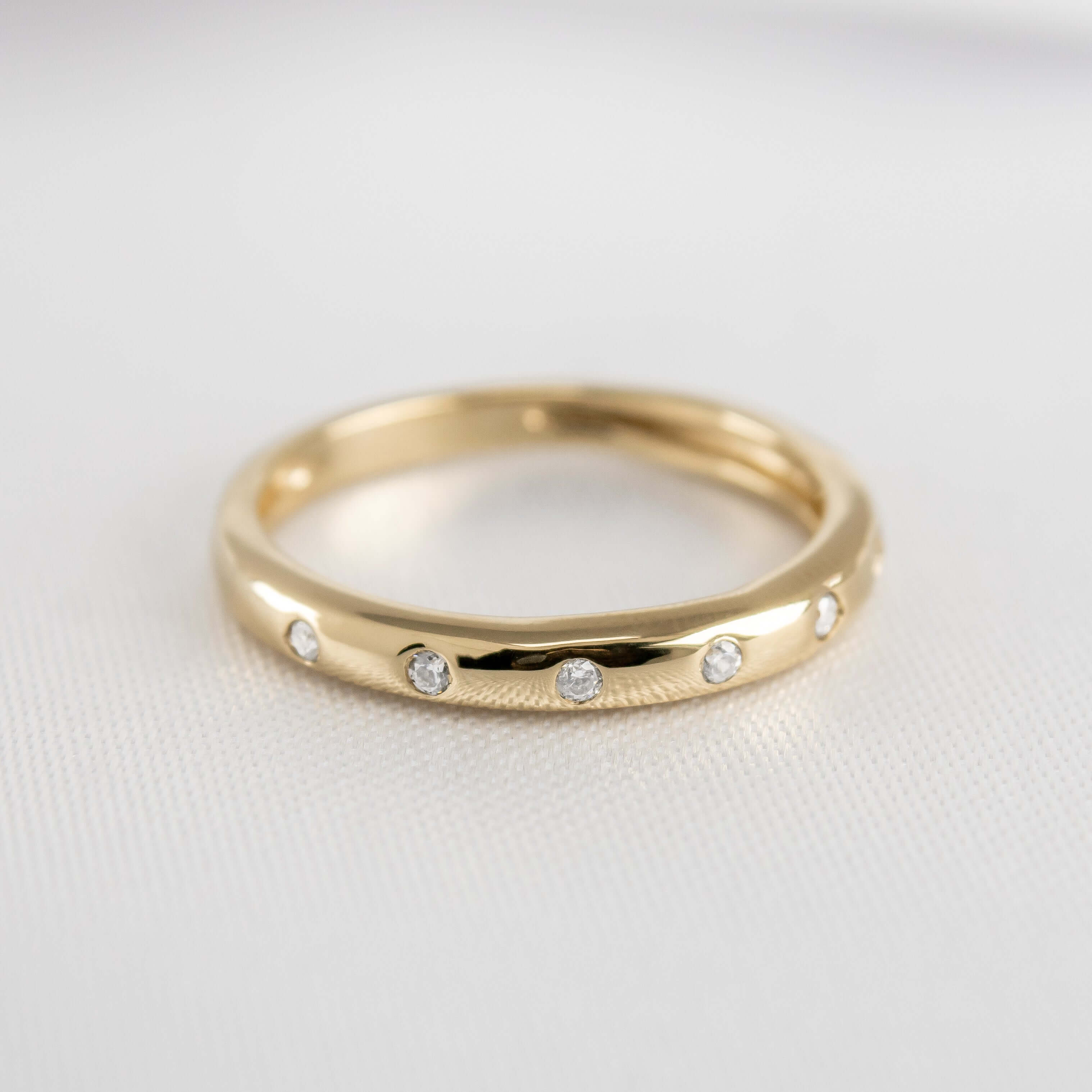
Designed gold wedding rings: Flynn (knife edge profile), Jamie (gold dome), Reese (gold dome with diamond detail), Adam (Greek key pattern), Townes (hammered finish), Percy (domed with step edge), Kennedy (flat step edge), Milo (brushed finish dome).
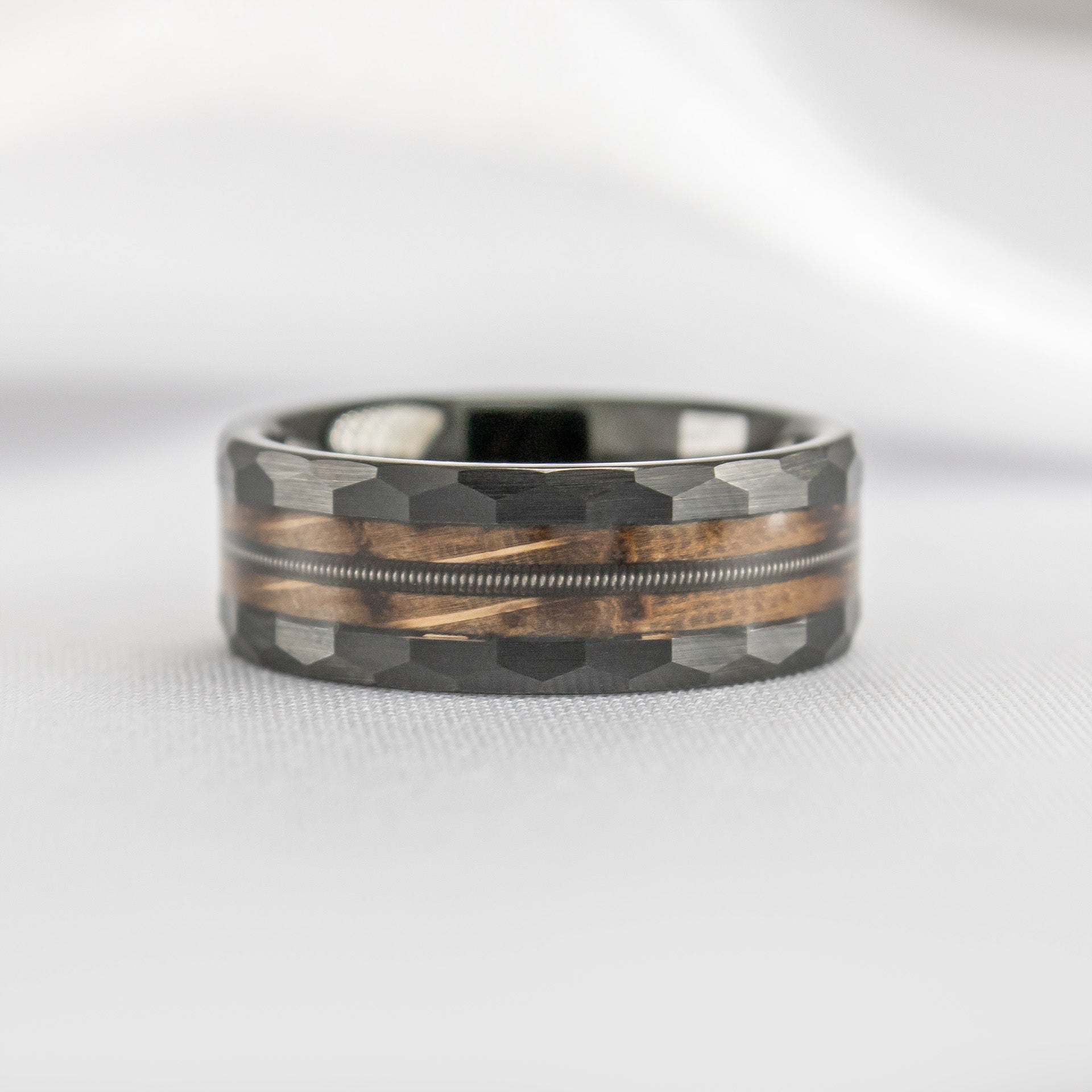
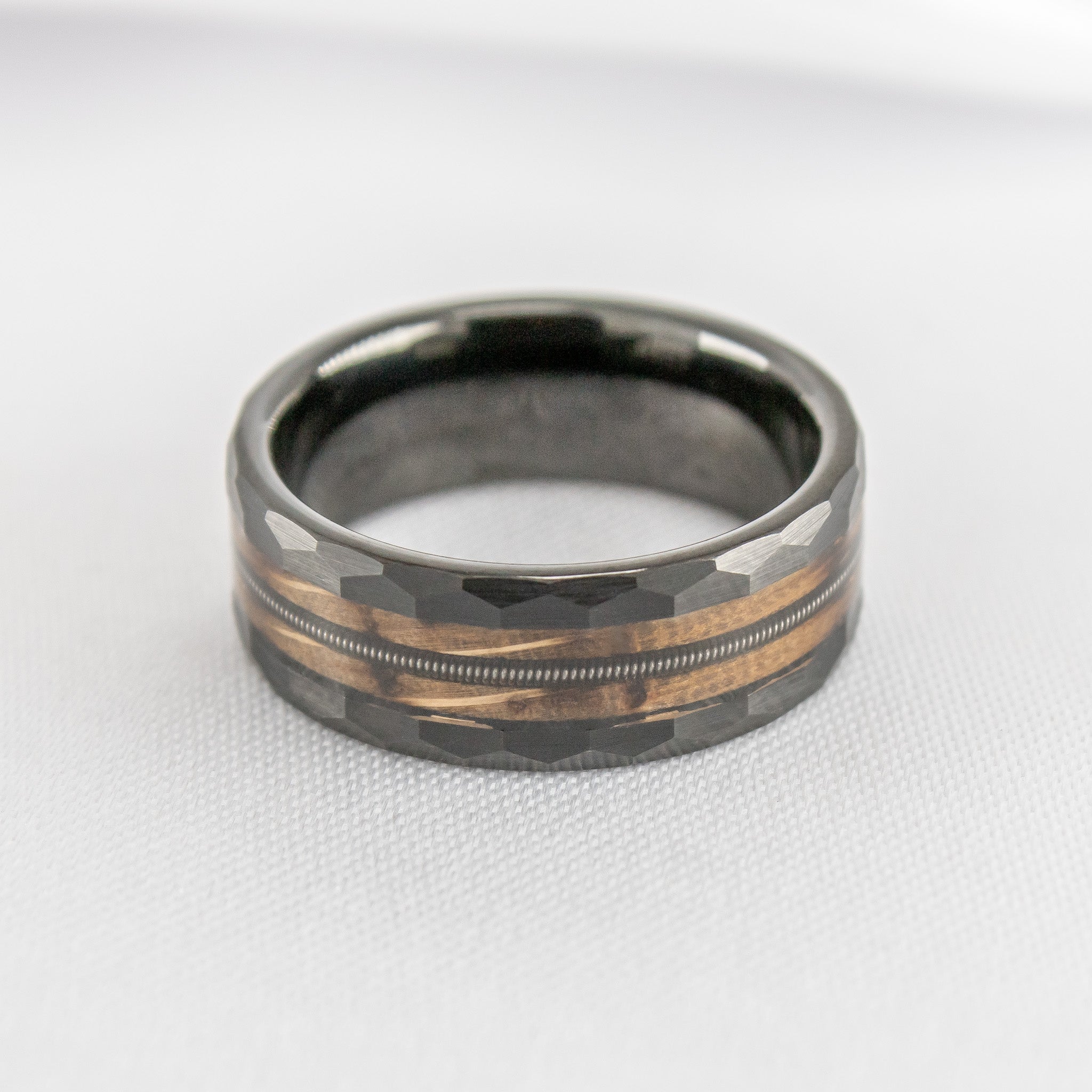
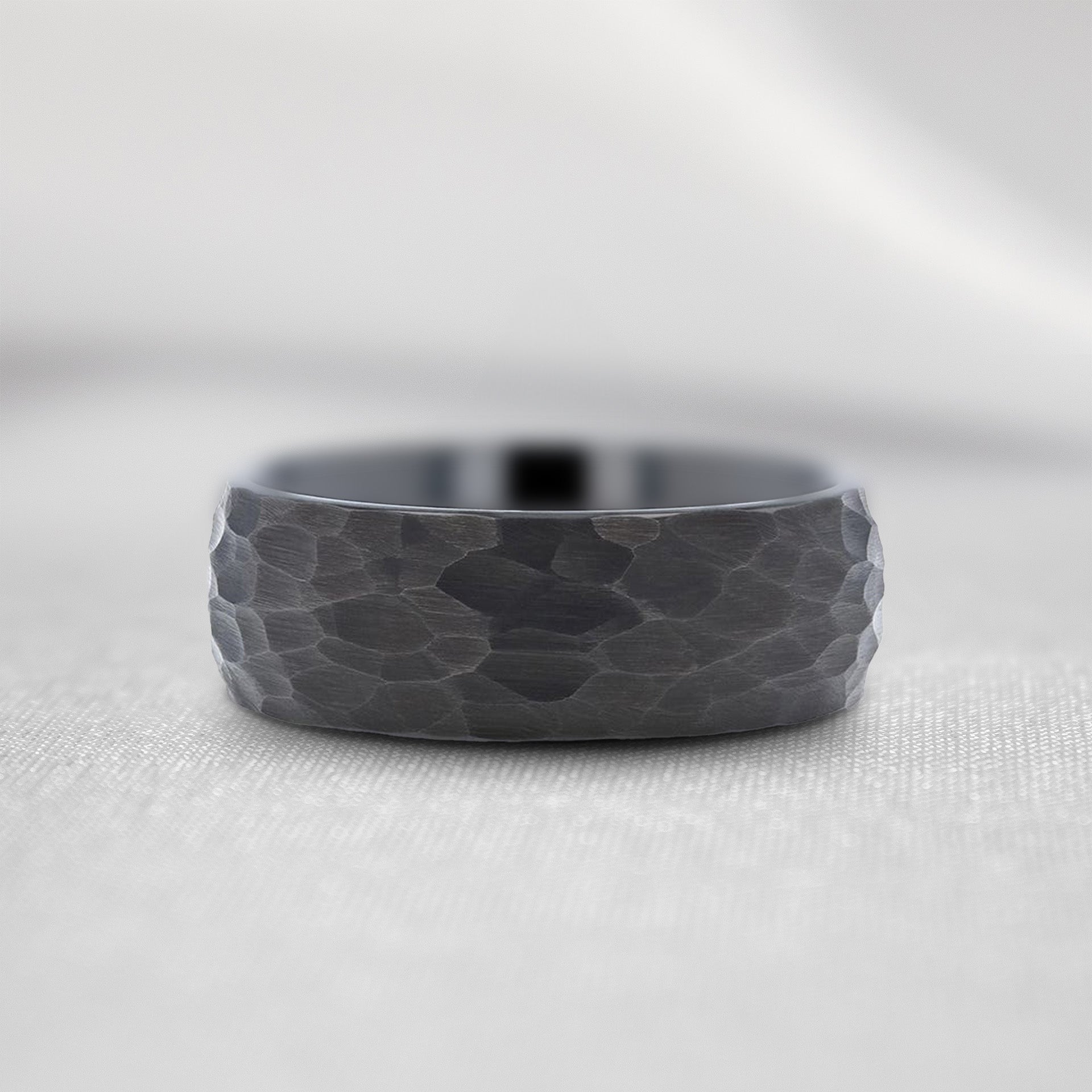
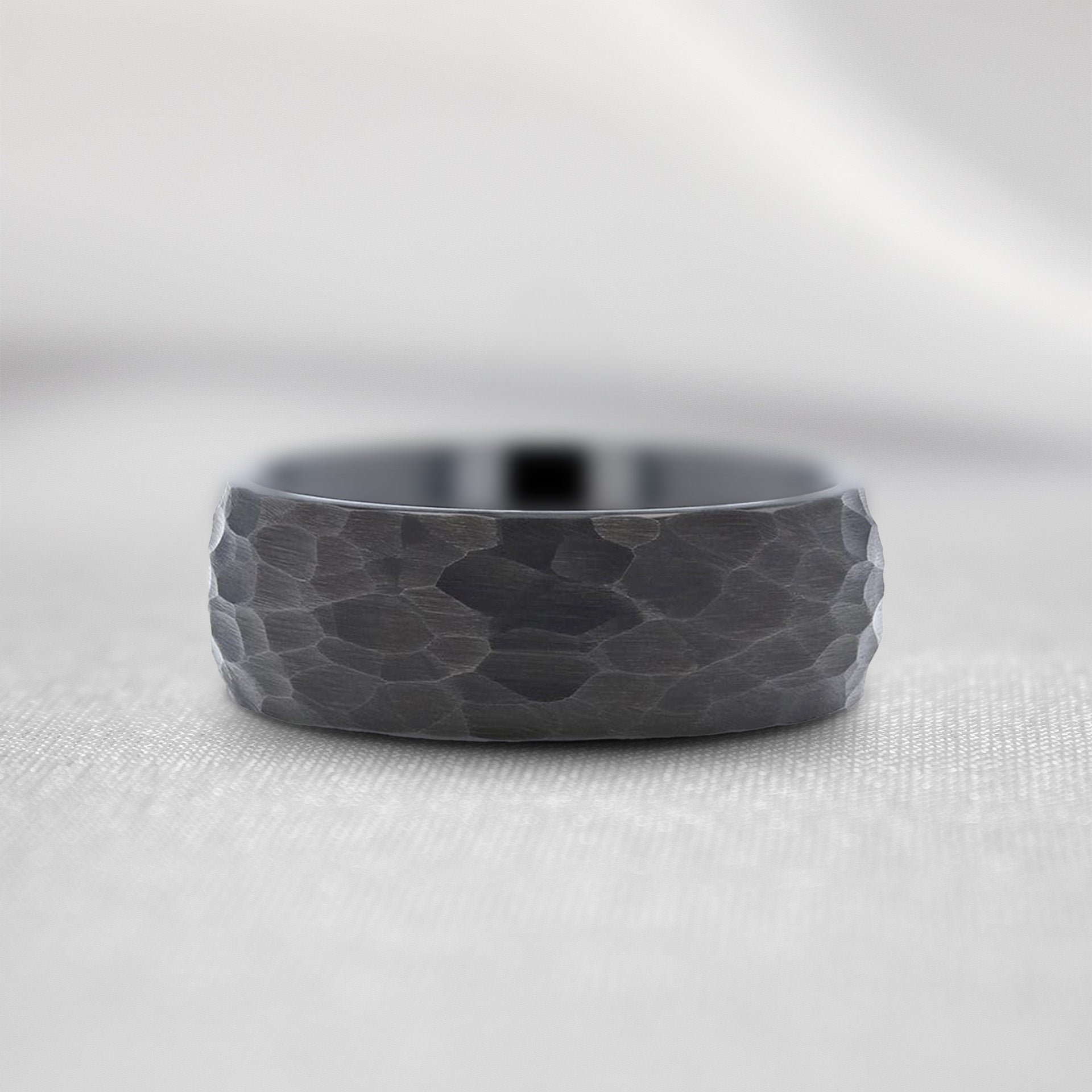
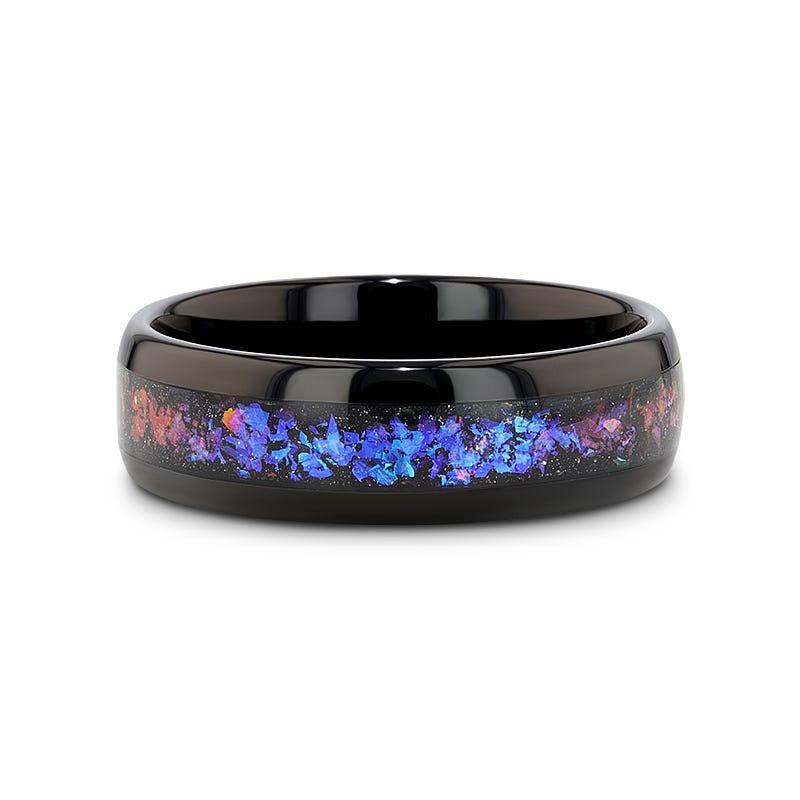
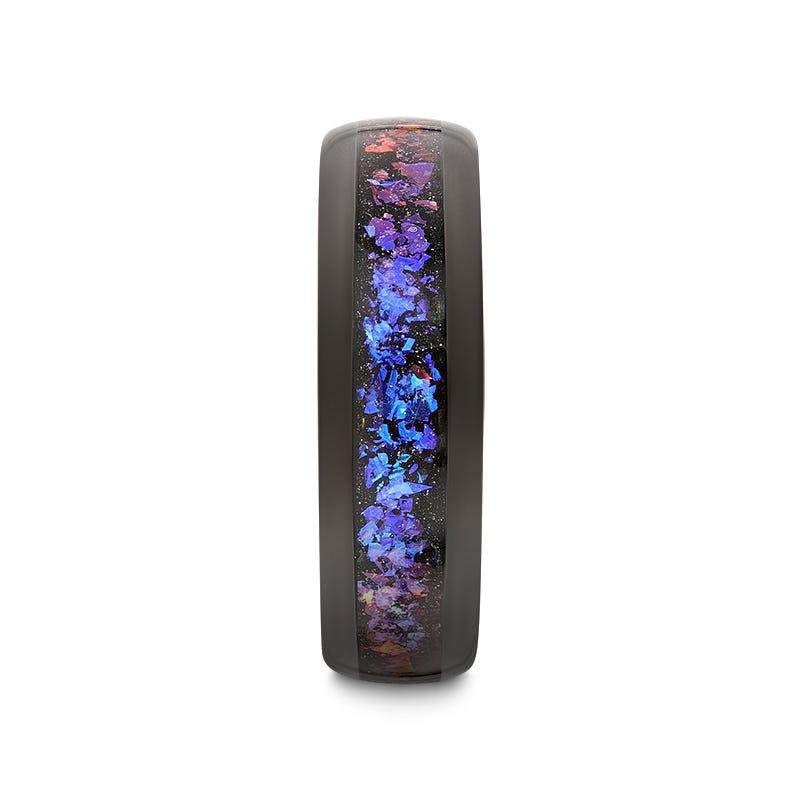
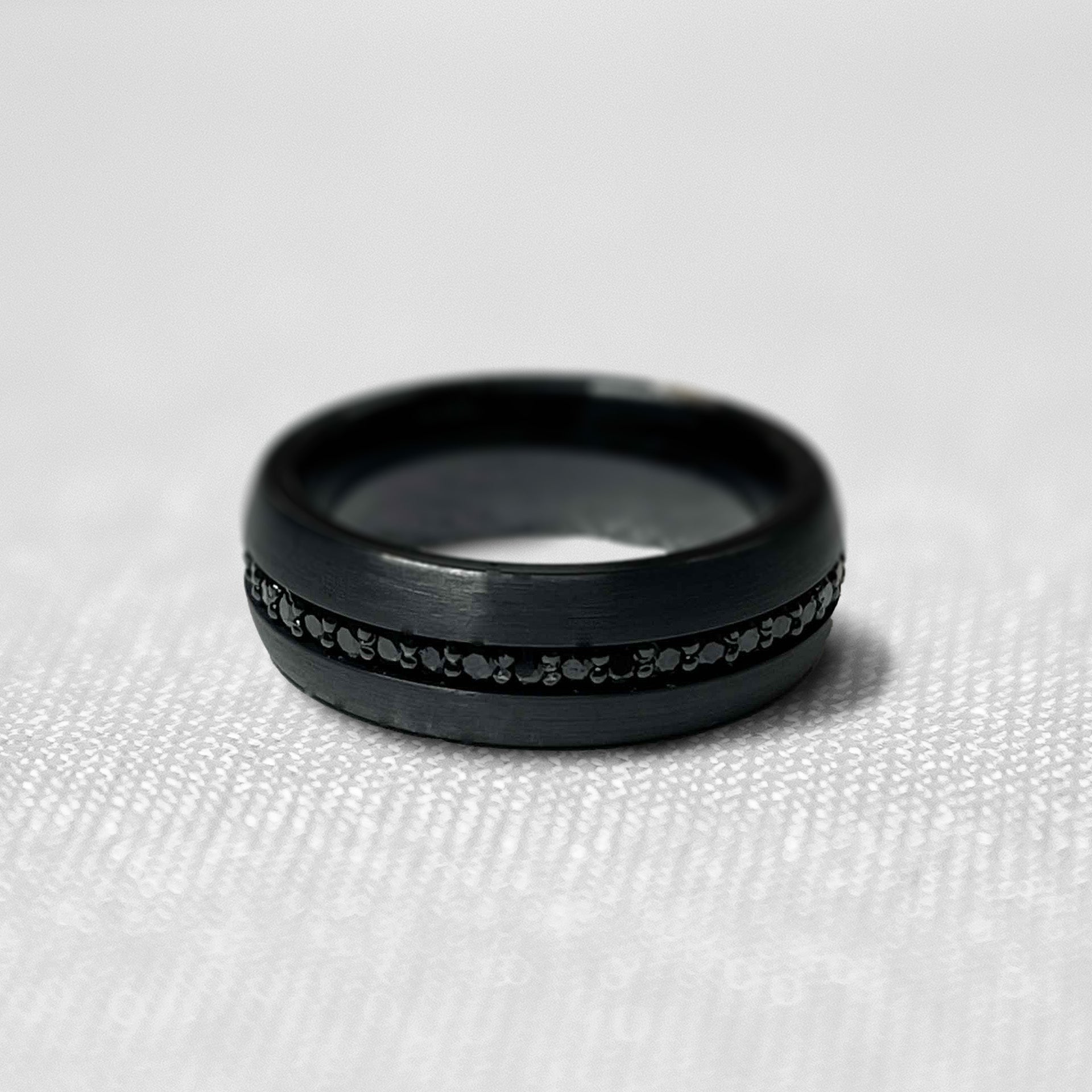
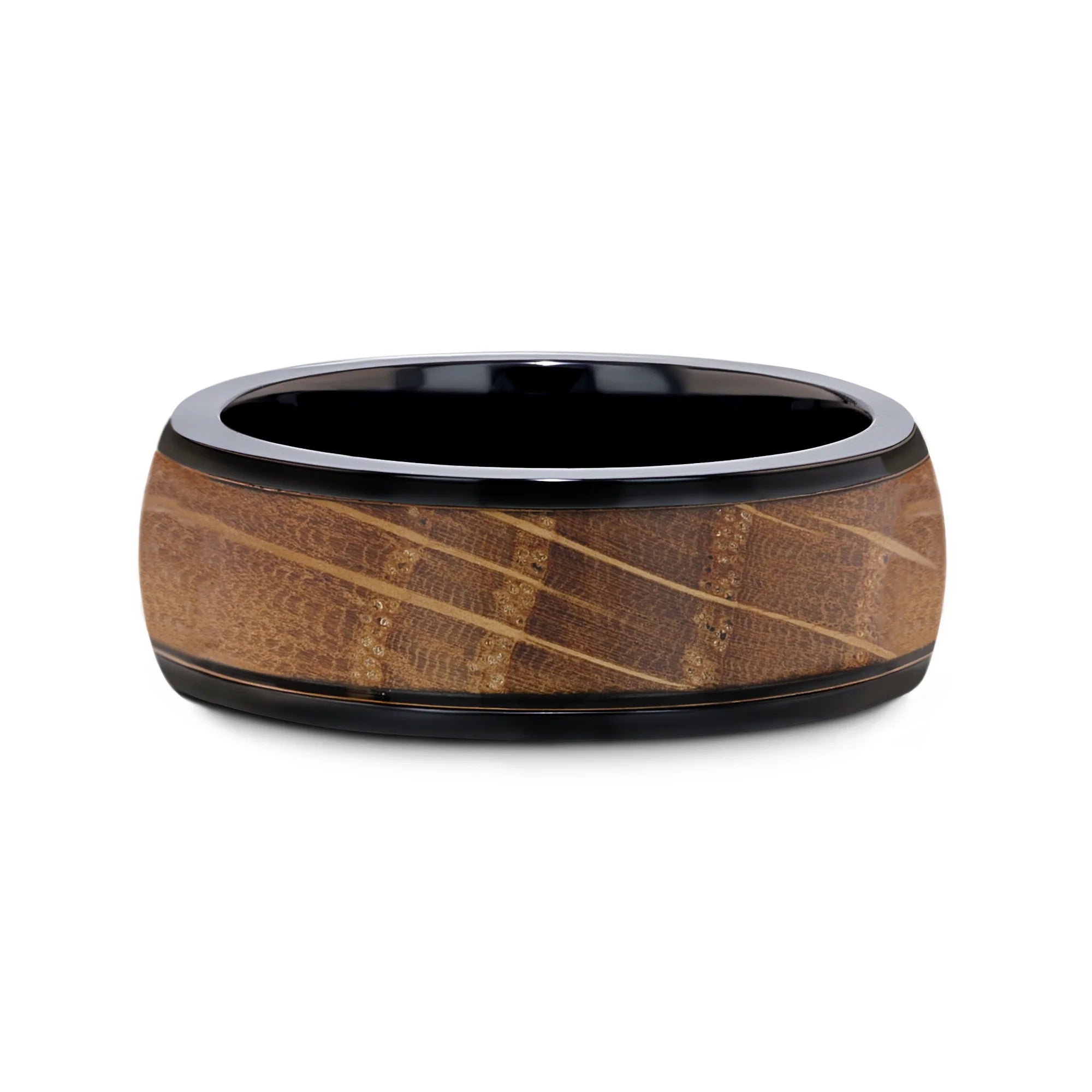
Alternative metal wedding rings (ceramic, tungsten, titanium): Dakota (hammered black ceramic), Helix (gear-teeth pattern), Matrix (black ceramic with opal inlay), Vesuvius (lava rock inlay), Optimus (raised center brush finish), Revolve (spinner), Riff (whiskey barrel and guitar string inlay), San Bernardino (flat black titanium), and more.
Choosing Between Gold, Platinum, and Alternative Metals
The metal category decision is the most consequential choice in selecting a men's wedding ring. Each category has different properties, price points, and long-term wear characteristics.
Gold (10K, 14K, or 18K): Traditional precious metal for wedding bands. Available in yellow, white, or rose. Gold bands can be resized, repaired, refinished, and engraved. Daily wear is comfortable. Price ranges from $700-$2,500+ depending on karat, width, and design complexity. Gold develops minor surface scratches over years of wear that can be polished off; the metal itself doesn't wear away.
Platinum: The most durable precious metal for wedding bands. Hypoallergenic, doesn't tarnish, holds its bright white color permanently (no rhodium plating needed). Significantly heavier than gold for the same width. Most expensive of the precious metal options. Platinum wedding bands are crafted in the same designs as gold; the metal substitution adds approximately $400-$800 to the base price.
Alternative metals (ceramic, tungsten, titanium): Industrial materials engineered for high durability. Black ceramic is 8.5 on the Mohs hardness scale (just below diamond). Tungsten is 8.5-9 (the heaviest of the three). Titanium is 6 (lighter and more scratch-resistant against metal surfaces but softer than ceramic or tungsten). Alternative metals don't tarnish, don't develop patina, and don't require maintenance beyond cleaning. They cannot be resized, refinished, or repaired the way gold and platinum can. Price ranges $125-$360 — significantly below precious metals.
For couples wanting the wedding ring to be a precious metal with traditional symbolic weight and lifetime serviceability — gold or platinum. For couples prioritizing extreme daily wear durability at significantly lower cost — alternative metals. The decision often comes down to occupation, lifestyle, budget, and what the wedding ring symbolizes to the wearer.
Width and Profile Choices for Men's Wedding Rings
Width is the most visible choice in a men's wedding ring. Profile (the cross-section shape of the band) is the second most visible.
Width selection: Standard men's wedding ring widths range from 4mm to 10mm. 4mm reads refined for men with smaller hands or those wanting a less prominent wedding ring. 6mm is the most chosen width across men's wedding rings — substantial without being statement scale. 8mm reads traditional and bold; this is the standard "men's wedding band" width for couples wanting clearly masculine scale. 10mm reads statement and dominant — chosen by men whose wedding ring is the primary jewelry piece they wear.
Profile options:
— Dome (low or high): Rounded top surface. Low dome reads refined; high dome reads more substantial. The Jamie, Reese, Percy, and Milo carry domed profiles.
— Flat: Flat top surface with squared or beveled edges. Reads modern and geometric. The Kennedy carries flat step edge profile; San Bernardino is flat black titanium.
— Knife edge: Tapered top surface that meets at a center ridge. Distinctive profile that catches light. The Flynn carries knife edge profile.
— Comfort fit: Rounded interior surface (not the top) — most modern wedding bands use comfort fit interior for smooth daily wear. Tanner family uses comfort fit interior.
The choice between width and profile combinations is personal. We discuss the wearer's hand proportion and daily wear preferences during the order conversation.
Plain, Textured, Patterned, or Inlay — Surface Treatment Options
Surface treatment adds character beyond plain construction. Each treatment produces different visual character.
Plain (polished): Smooth highly-polished surface. Reads classic and refined. The Tanner family and most plain gold wedding bands use polished finish. Polished gold reflects light brightly; polished platinum has a slightly cooler tone.
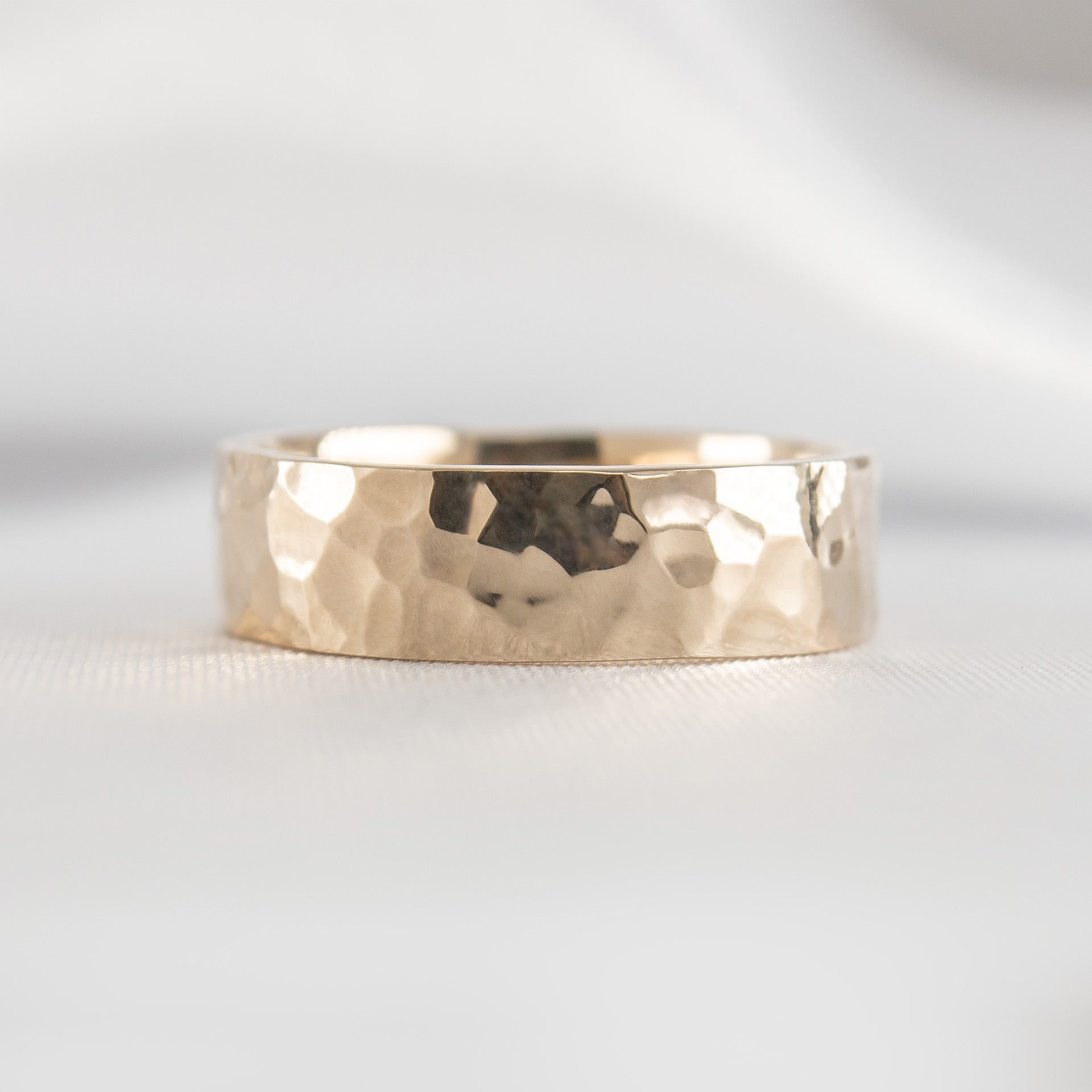
Hammered finish: Textured surface created by hammering the metal during crafting. Each hammered facet catches light differently, producing a constellation of small reflections rather than smooth shine. The Townes carries hammered gold finish; the Dakota carries hammered black ceramic. Hammered finish reads handcrafted and substantial.
Brushed (matte) finish: Fine linear texture across the surface, producing a soft satin appearance rather than bright shine. The Milo carries brushed finish on gold; the Optimus and Revolve carry brushed finish on tungsten; San Bernardino is brushed black titanium. Brushed finish reads modern, restrained, and contemporary.
Patterned surface: Decorative patterns cut, engraved, or formed into the band's surface. The Adam carries the Greek key pattern; the Helix carries gear-teeth pattern.
Inlay: Different material(s) embedded into the band's surface. Used primarily on alternative metal rings. The Matrix has black opal inlay, Vesuvius has lava rock inlay, Riff has whiskey barrel and guitar string inlay. Inlays bring materials into wedding ring construction that wouldn't otherwise be possible (wood, stone, organic materials embedded in ceramic or tungsten).
Sizing, Engraving, and Customization
Men's wedding rings in this collection are made-to-order (gold and platinum) or ship from inventory (alternative metals).
Sizing: Standard size range is 5-15 with half sizes available. For men whose finger size has changed or who anticipate changes, gold and platinum wedding bands can be resized in the future (the Tanner family resizes easily within 2-3 sizes). Alternative metal wedding rings cannot be resized — ceramic, tungsten, and titanium are too hard to cut and rejoin. For alternative metal rings, accurate sizing before ordering is critical; we offer free size exchanges for any alternative metal ring purchased in the wrong size, with the original ring returned for credit toward the new size.
Engraving: Interior engraving is available on gold, platinum, and most alternative metal wedding rings. Standard engraving accommodates 30-50 characters depending on band width and font. Typical engraving is the wedding date, initials, a short phrase, or coordinates. Interior engraving is included at no additional charge on made-to-order gold and platinum bands. Engraving adds approximately 1 week to the crafting timeline.
Diamond options: Some men's wedding rings carry diamonds (the Reese gold dome with diamond detail, the Matrix with diamond accents). Diamond carat weight and quality (lab grown or natural) are customer choices for diamond-set designs.
Custom designs: For men whose vision doesn't match any of the 32 designs in this collection, Lisa designs custom men's wedding rings during a private design appointment — different widths, profiles, surface treatments, inlay combinations, or pattern work. Custom designs in gold or platinum are crafted in 3-4 weeks after design approval.
Pairing Men's Wedding Rings — Matching Couples' Bands
Many couples choose matched or coordinated wedding rings for both partners. The Tanner family is particularly suited for matched couples' bands because it offers five widths in the same design vocabulary.
Same family, different widths: Most common approach. Both partners choose a Tanner band but in different widths matched to their hand size and preference. Example: 4mm Tanner for one partner, 6mm or 8mm Tanner for the other. The shared design vocabulary reads coordinated; the width difference accommodates each partner's hand.
Same width, different metals: Both partners choose the same band width but different metal colors (yellow gold and white gold, for example) or different karat levels. Reads coordinated through shared design but with each partner's metal preference respected.
Coordinated but distinct designs: One partner chooses Tanner, the other chooses a designed gold wedding ring (Flynn, Townes, Milo) that complements without matching. Reads as a chosen pair rather than identical bands.
Mixed precious/alternative metals: Some couples have one partner in a precious metal wedding band and the other in an alternative metal — typically based on occupation, daily wear demands, or personal preference. The wedding rings don't visually match but represent each partner's practical choice.
We discuss coordinated couples' band design during a joint appointment or through individual conversations with each partner.
Care, Service, and Lifetime Warranty
Care requirements vary by metal category.
Gold and platinum wedding bands: Remove for heavy manual work, gym workouts with weights, gardening, and activities involving harsh chemicals. Clean weekly with warm soapy water and a soft cloth. Annual professional cleaning maintains brightness. White gold requires periodic rhodium replating (every 2-3 years) to maintain bright white finish. Gold and platinum can be resized, refinished, repaired, and serviced indefinitely through our New York workshop.
Alternative metal wedding bands: Lower maintenance — ceramic, tungsten, and titanium don't tarnish, don't require polishing, and resist scratching from most daily contact. Clean as needed with warm soapy water. Alternative metals cannot be resized, refinished, or repaired — if damaged or sized incorrectly, the ring must be replaced. We offer free size exchanges on alternative metal wedding rings for any ring received in the wrong size.
Lifetime warranty: All men's wedding rings carry a lifetime warranty against manufacturing defects. For gold and platinum bands, the warranty also covers prong tightening, setting maintenance, and finish restoration. For alternative metal bands, the warranty covers size exchanges within reasonable timeframes. We maintain records of every ring we craft to support service indefinitely.
Men's Wedding Rings — Frequently Asked Questions
Do men's wedding rings come with a warranty?
