




East-West Engagement Rings
East-West Engagement Rings — A Familiar Diamond. Set Sideways.


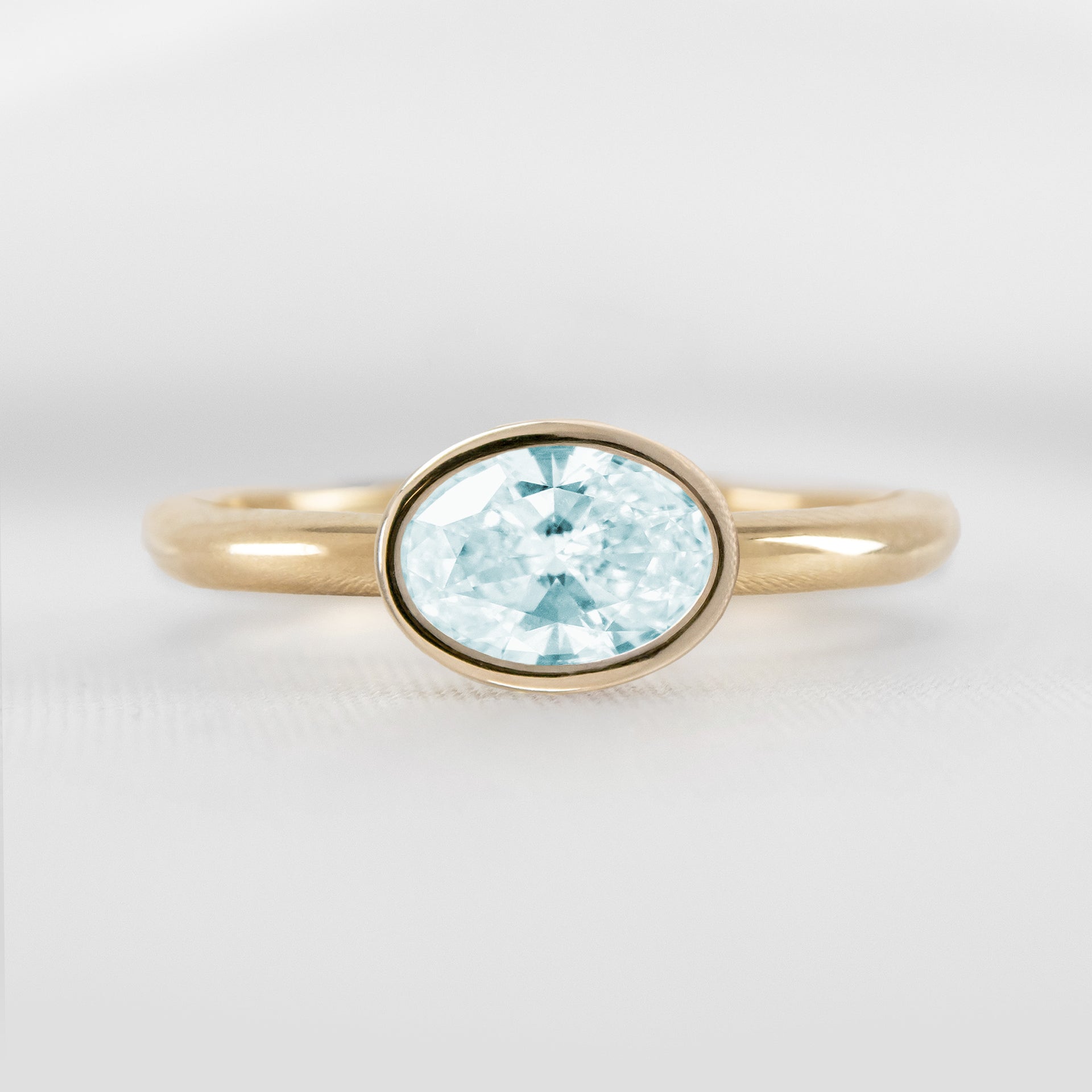
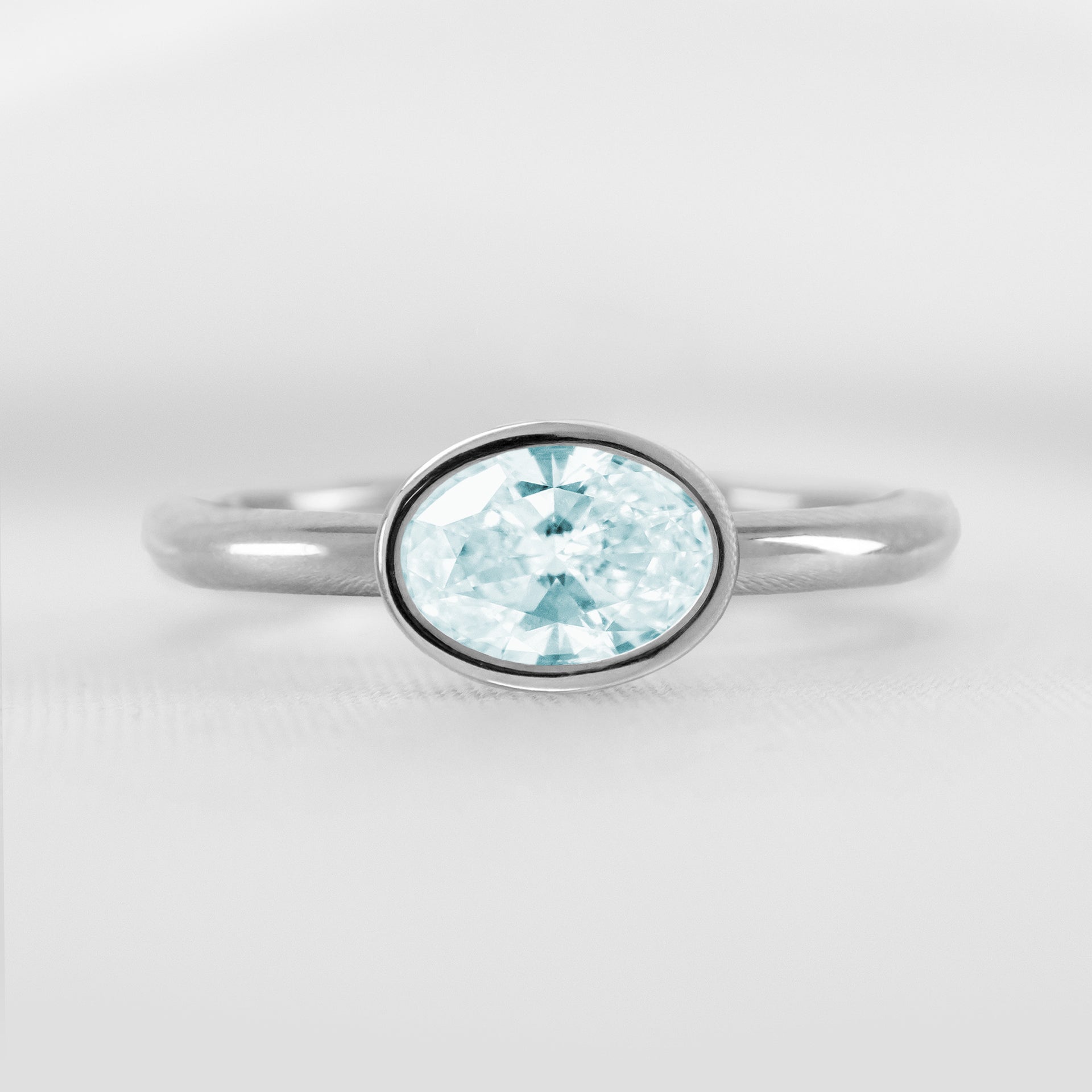
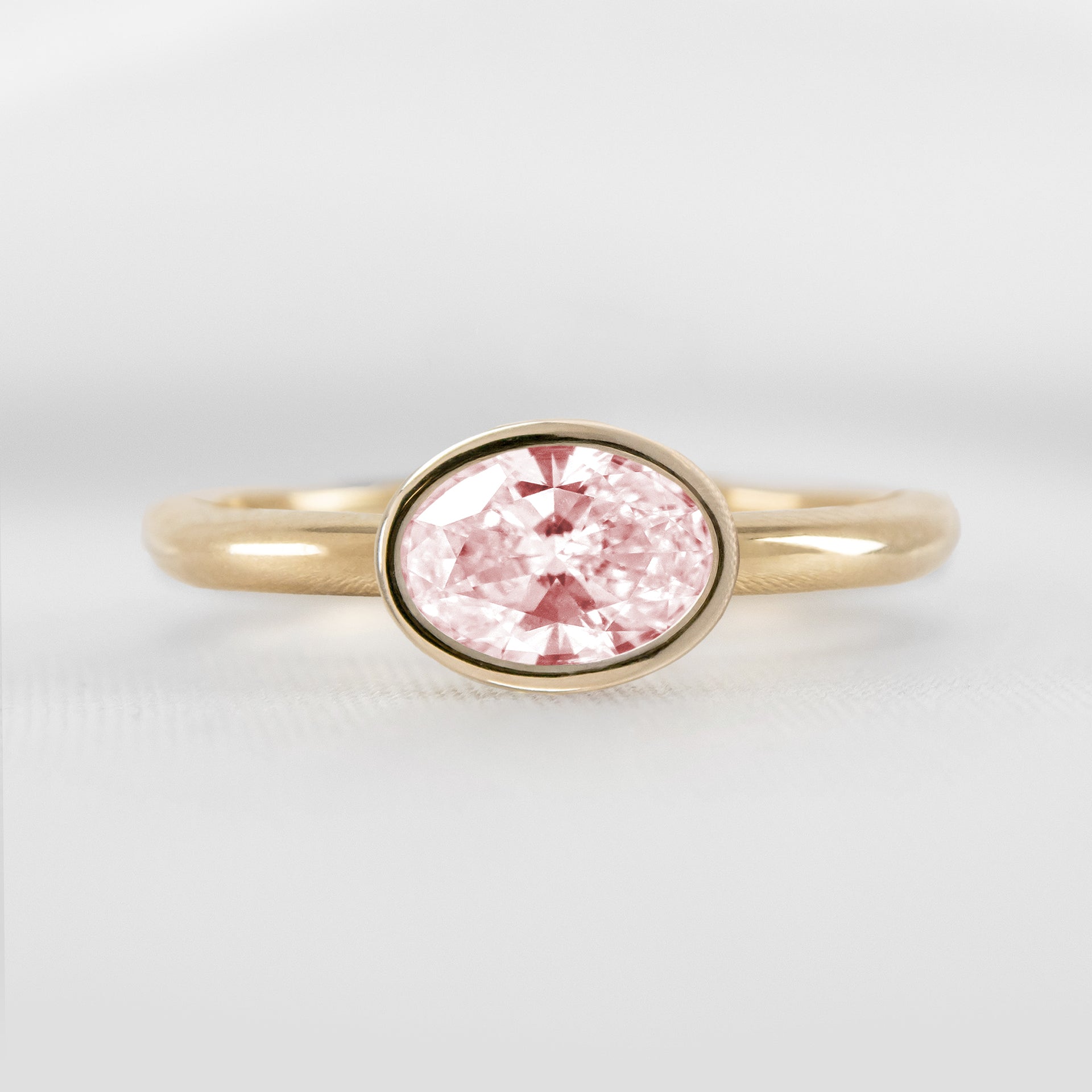
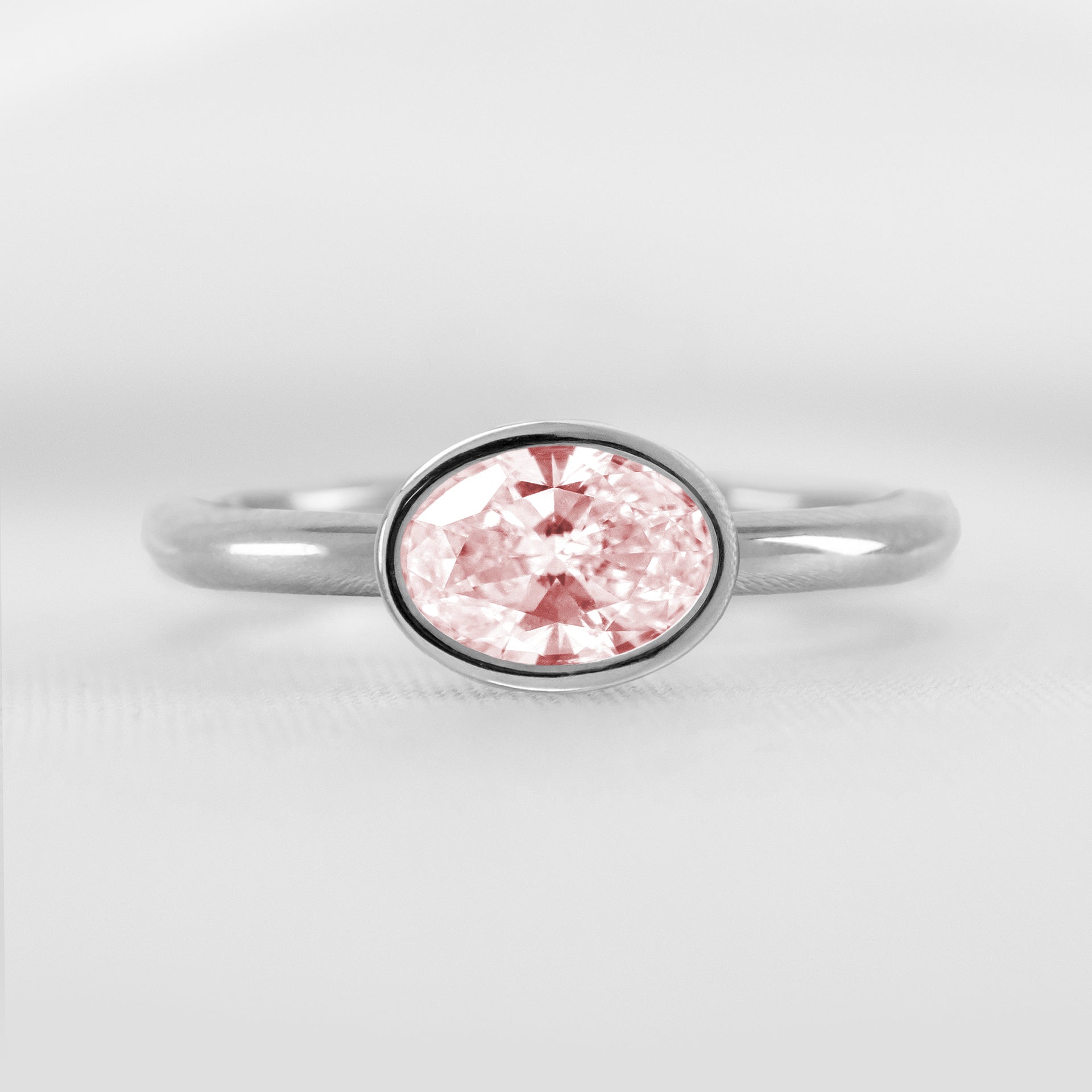
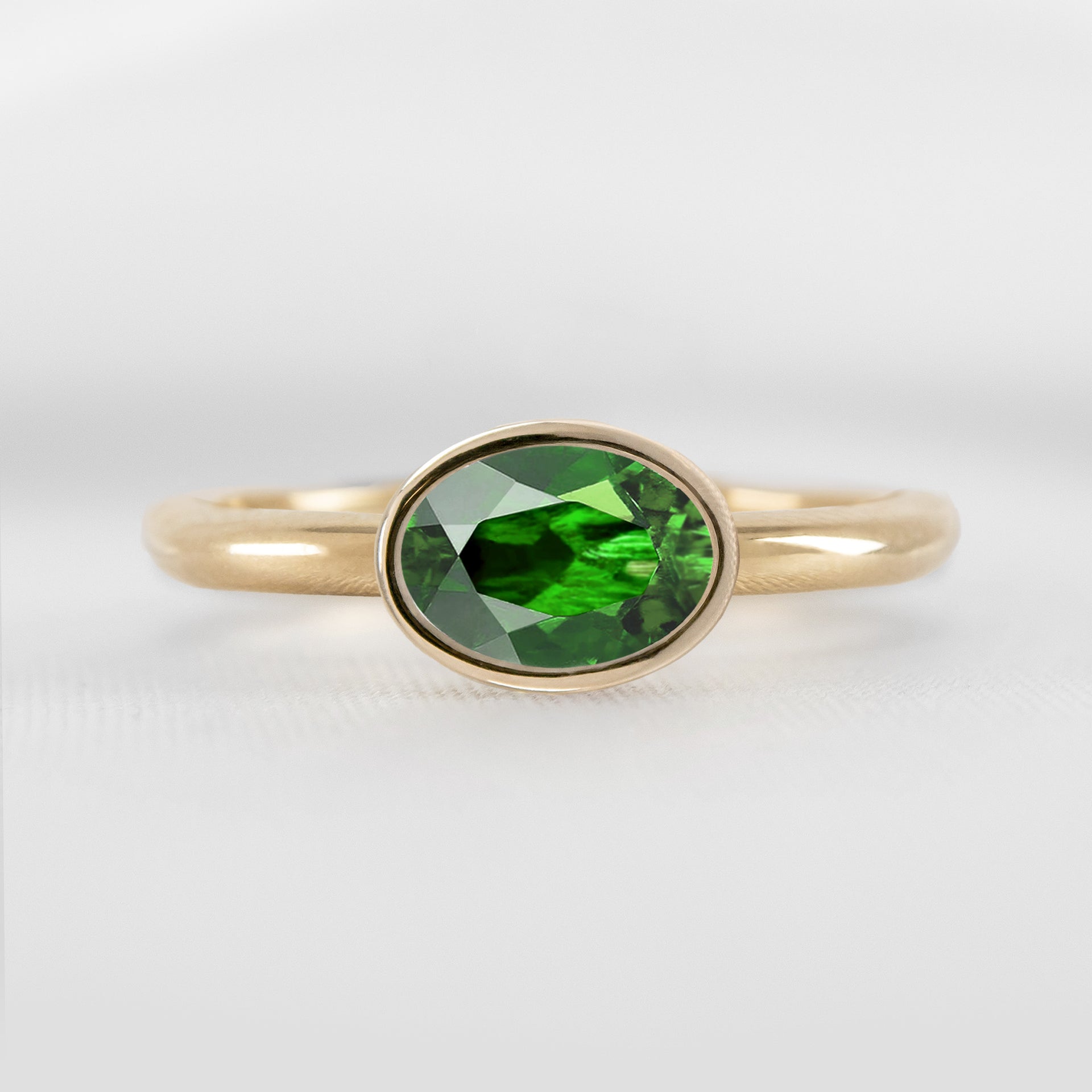
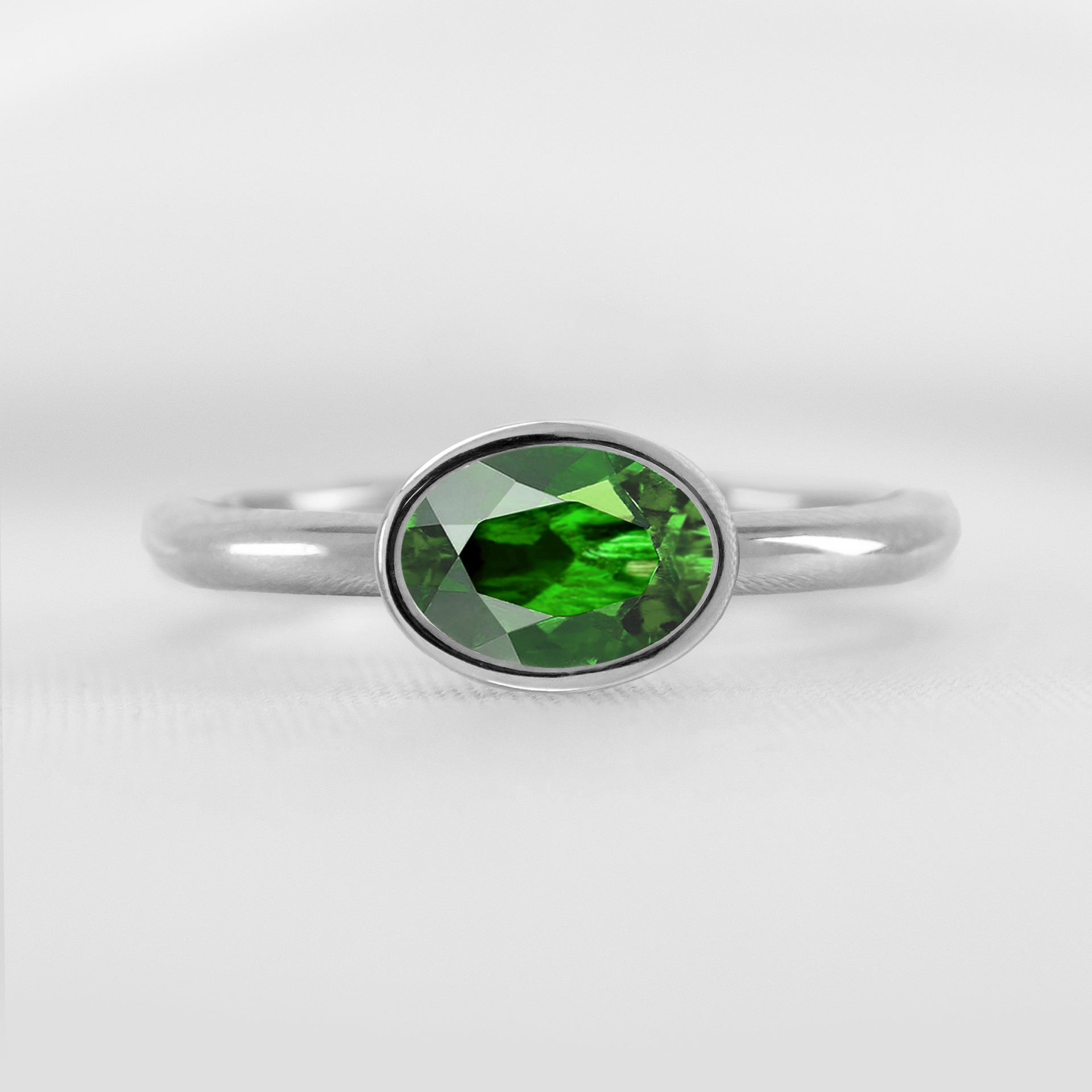
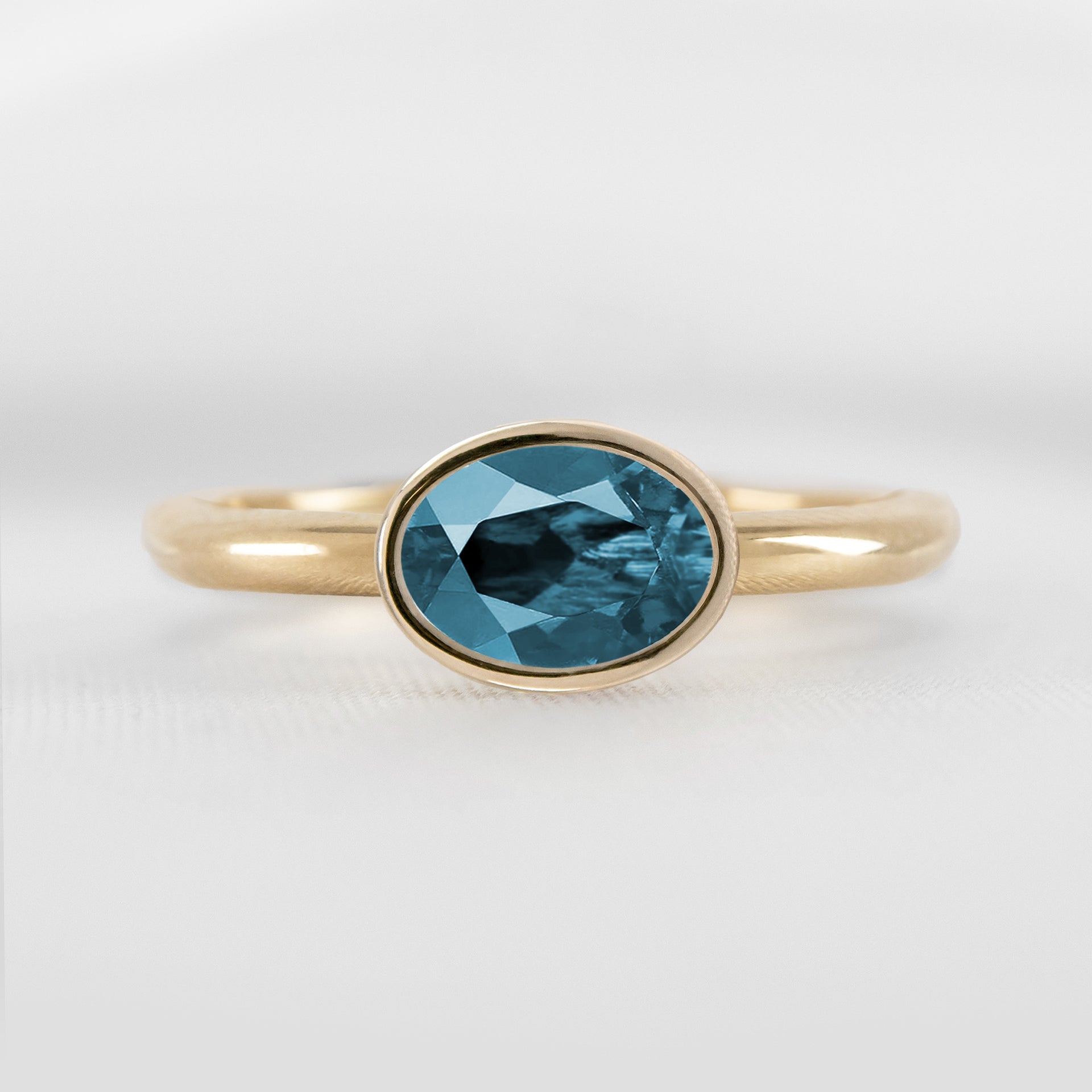
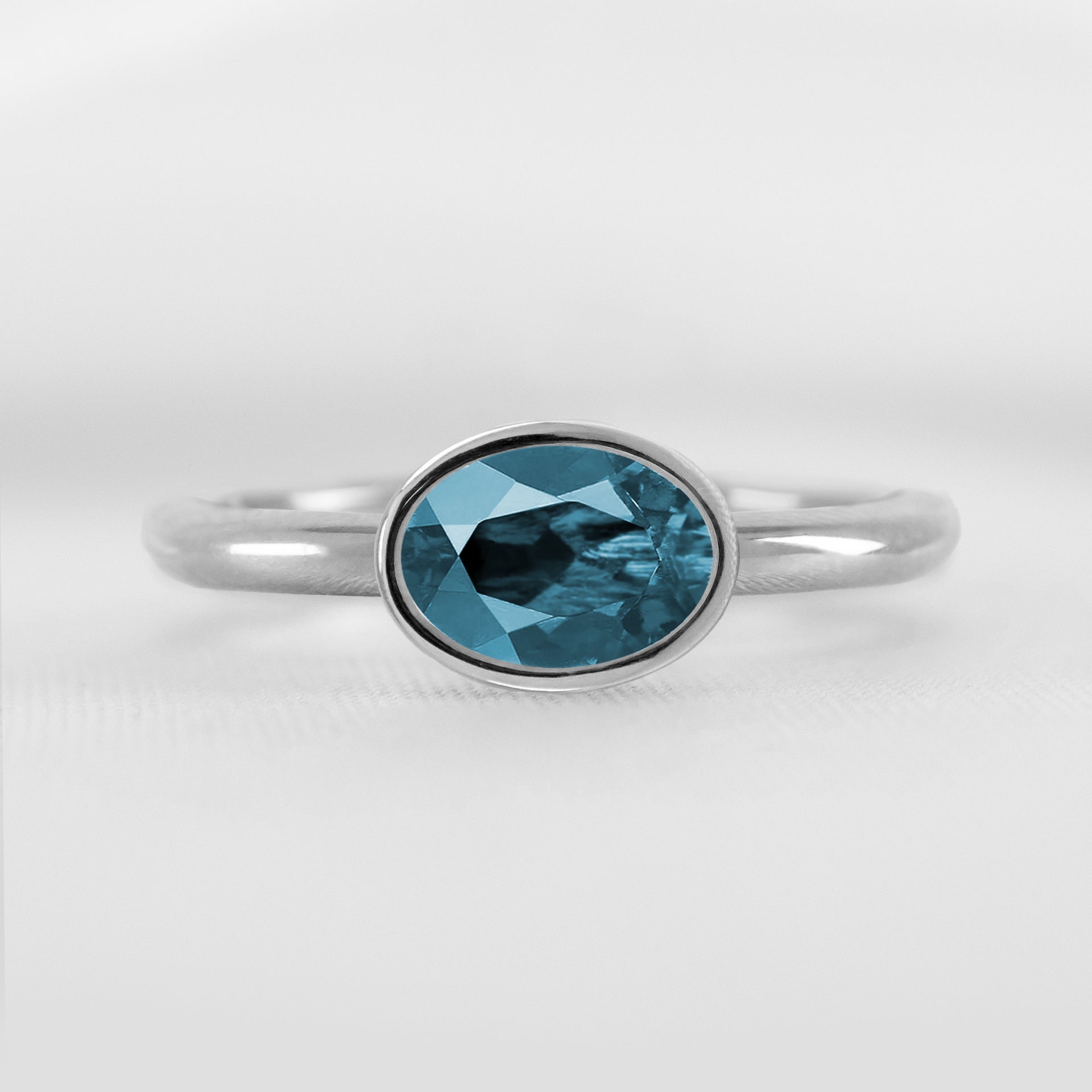



East-West Engagement Rings — A Familiar Diamond. Set Sideways.
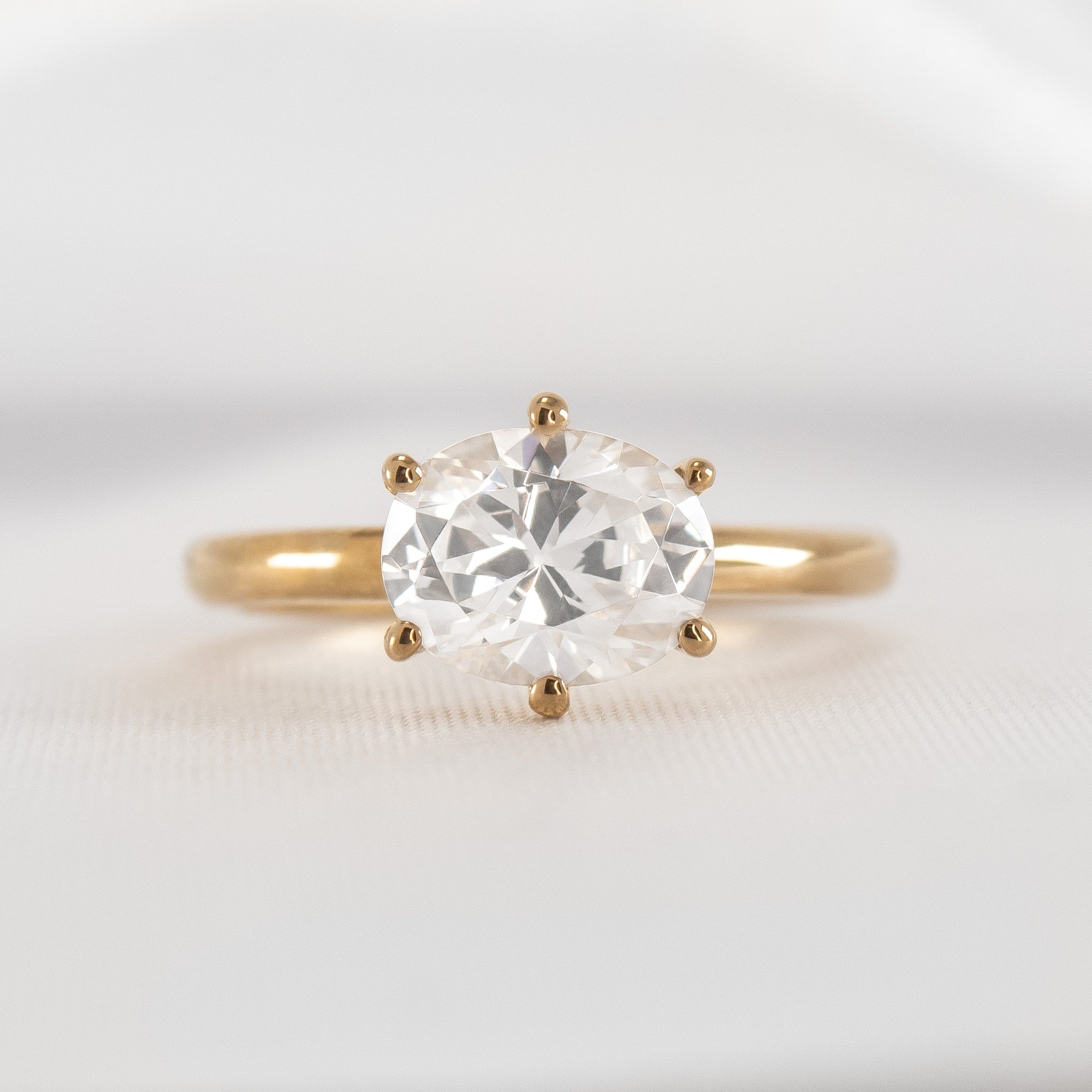
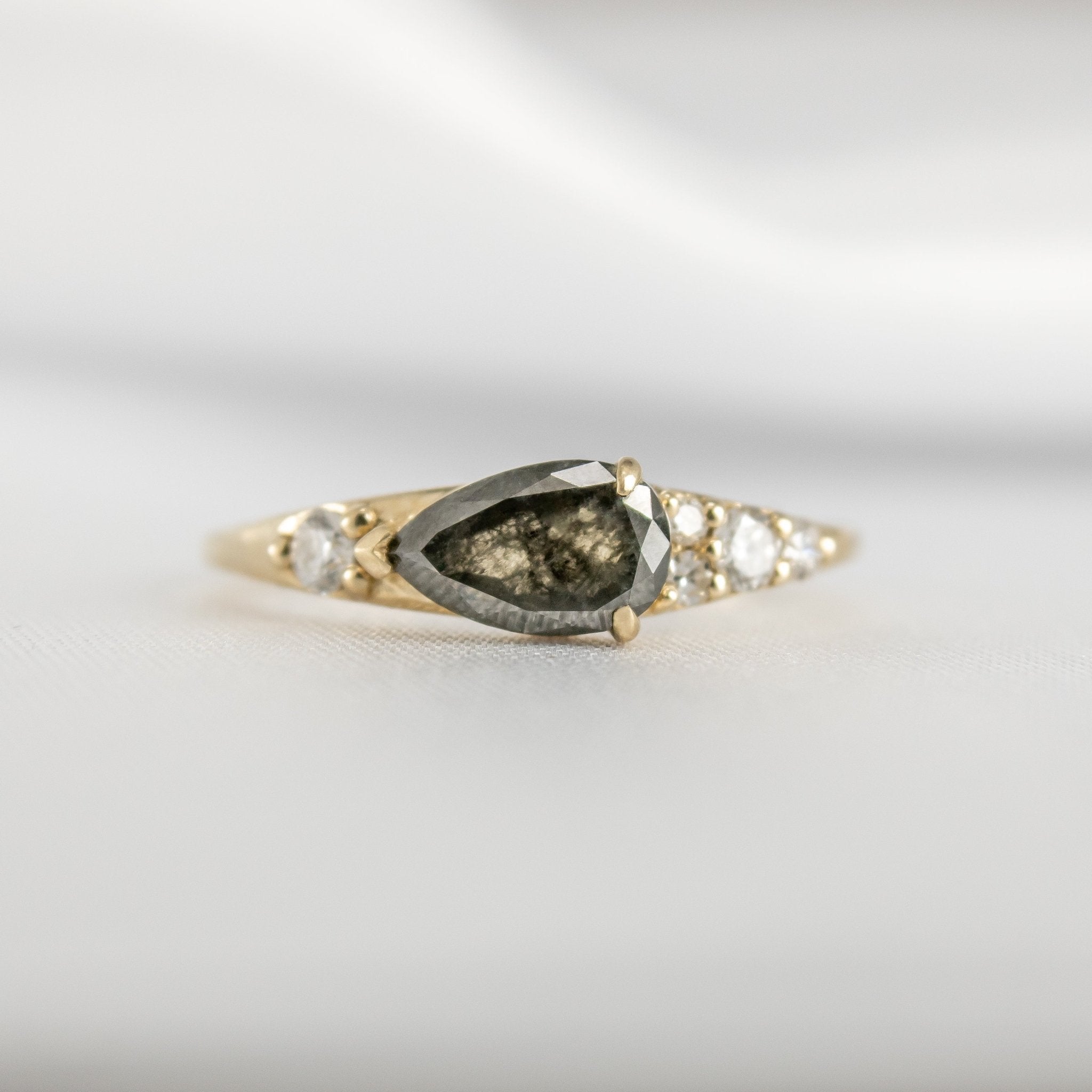
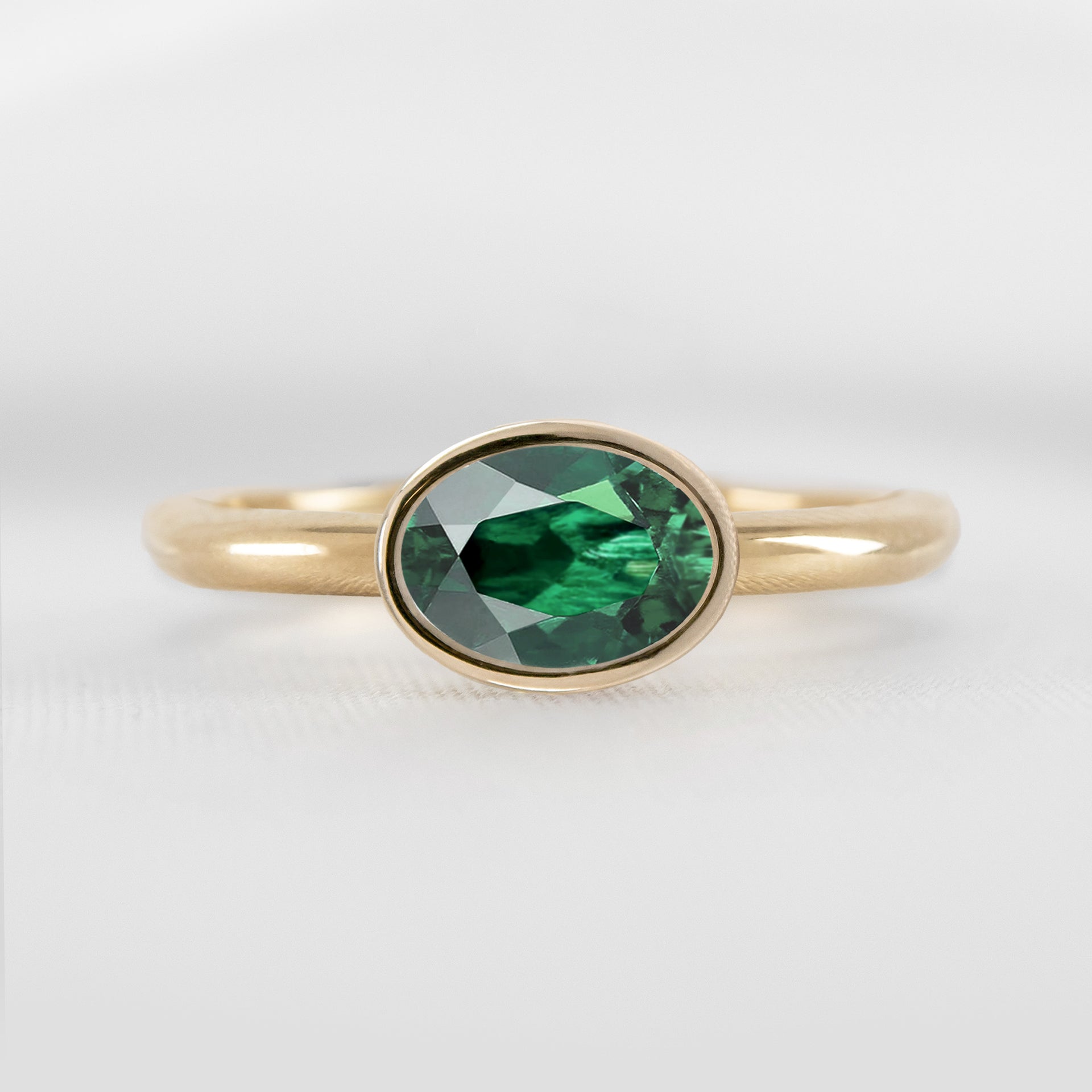
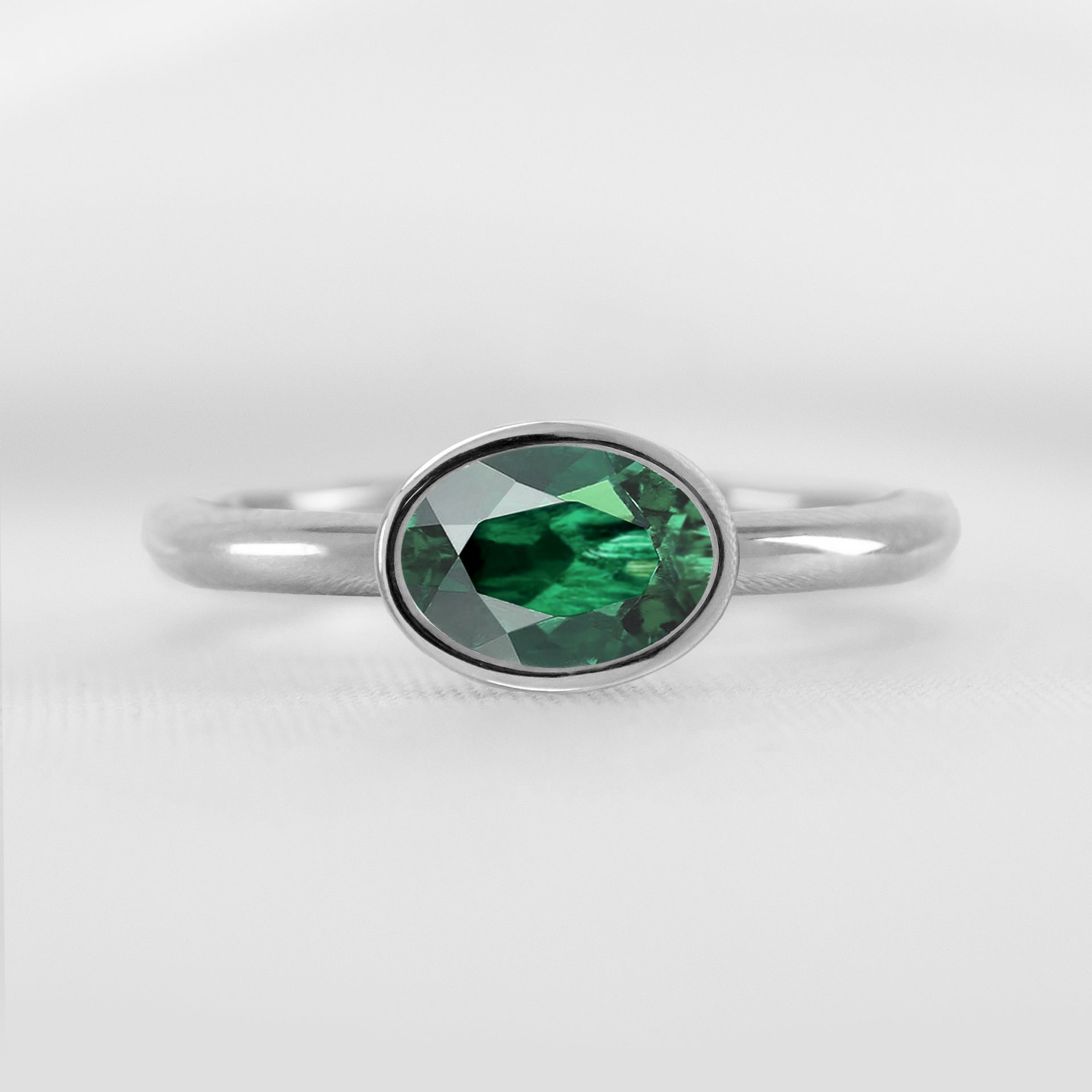
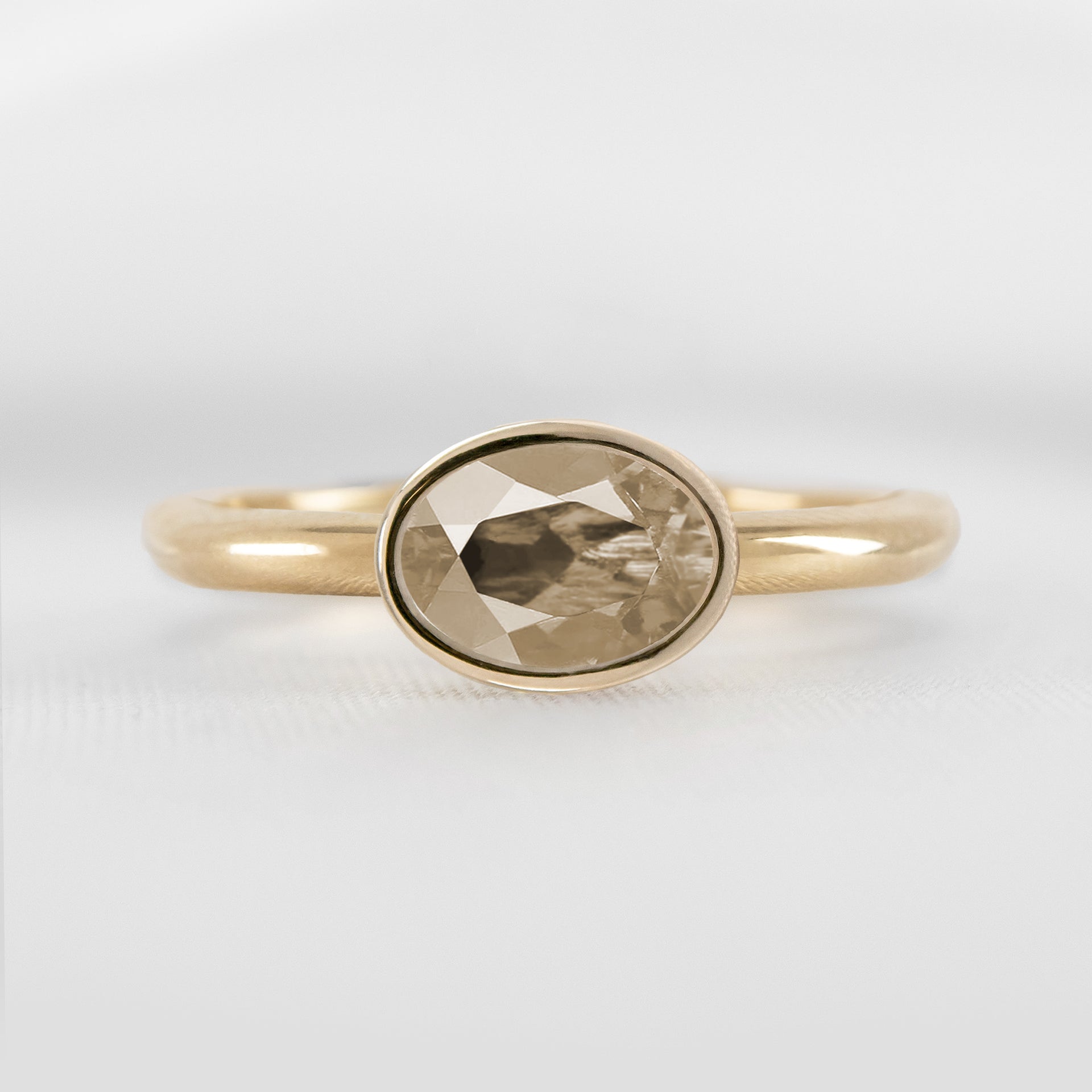
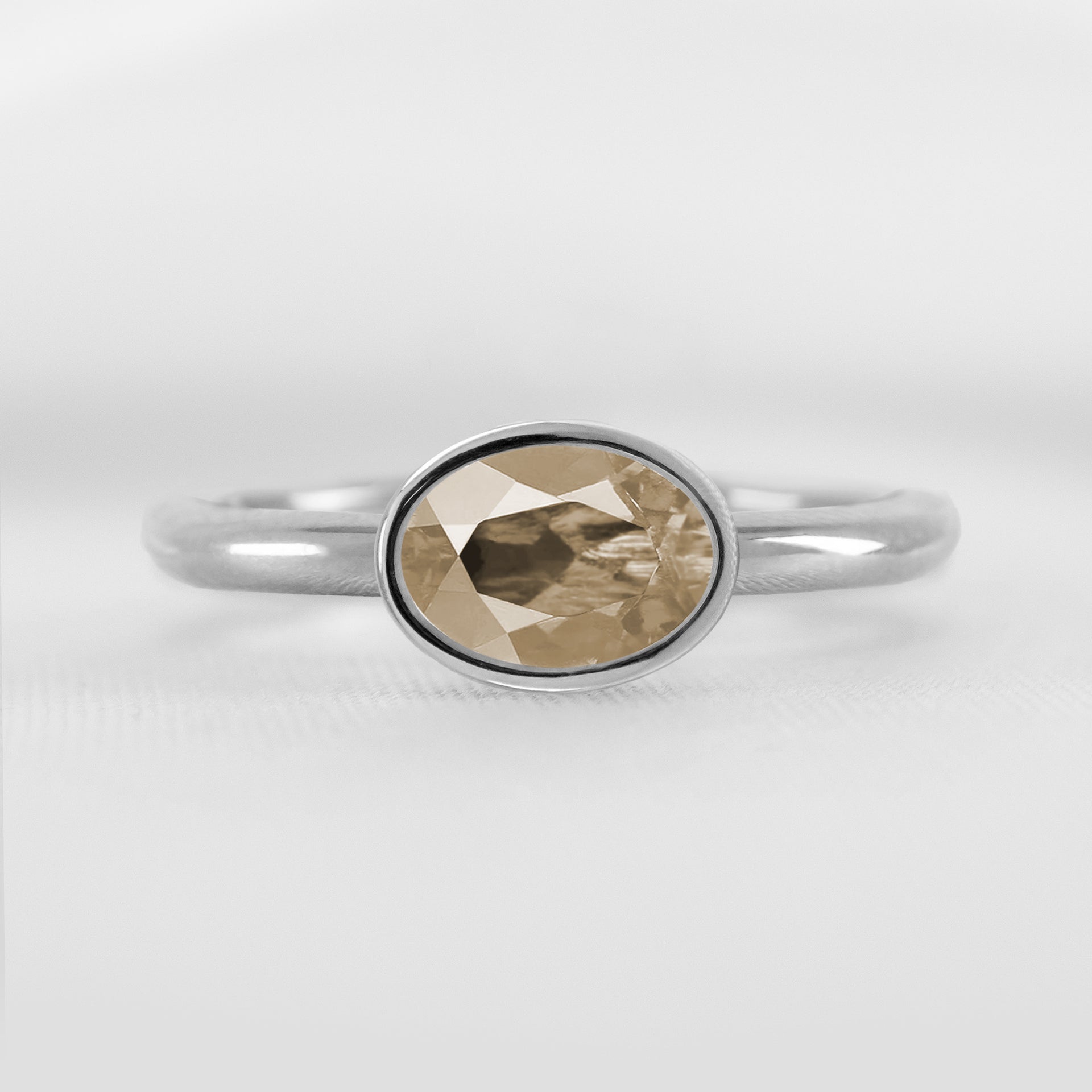
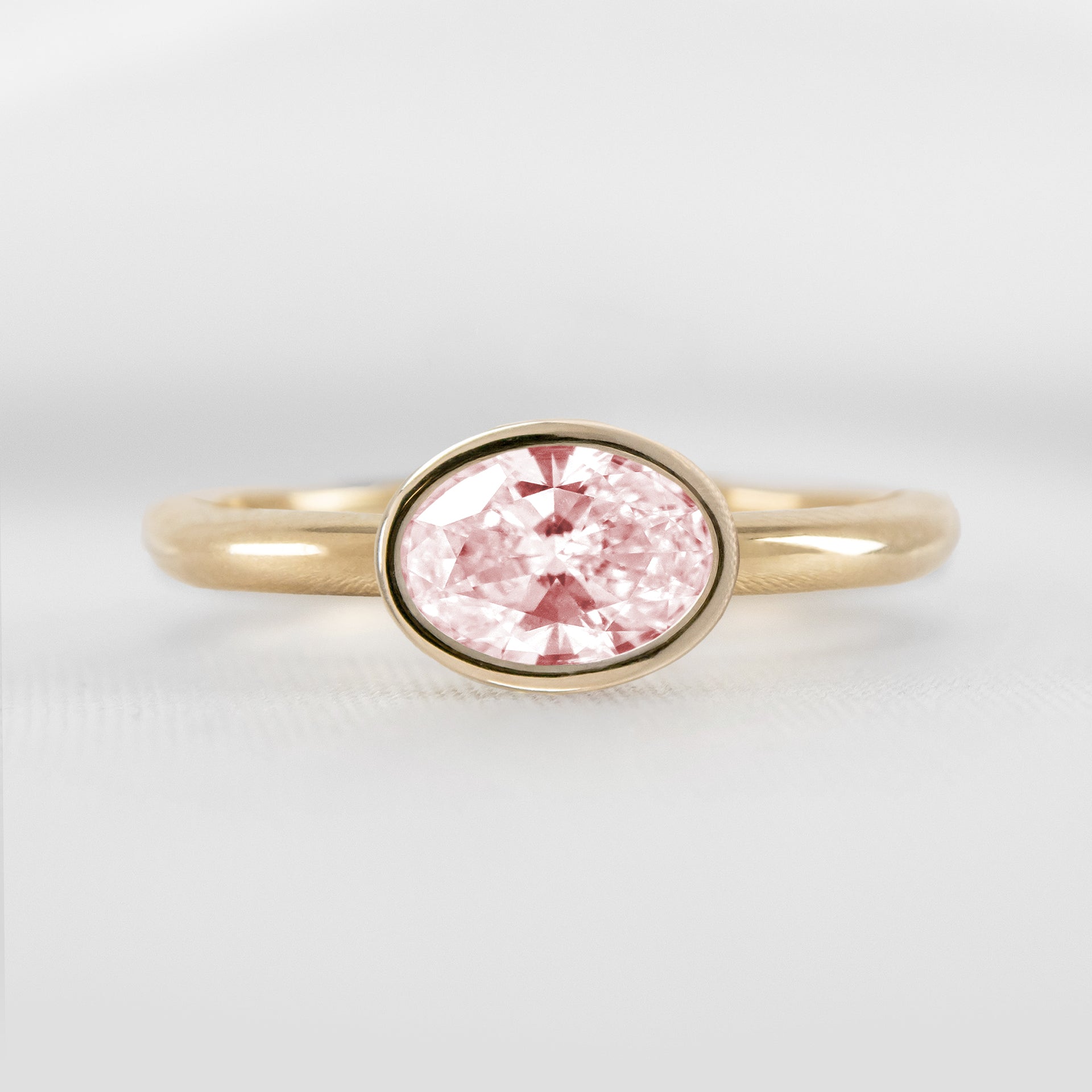
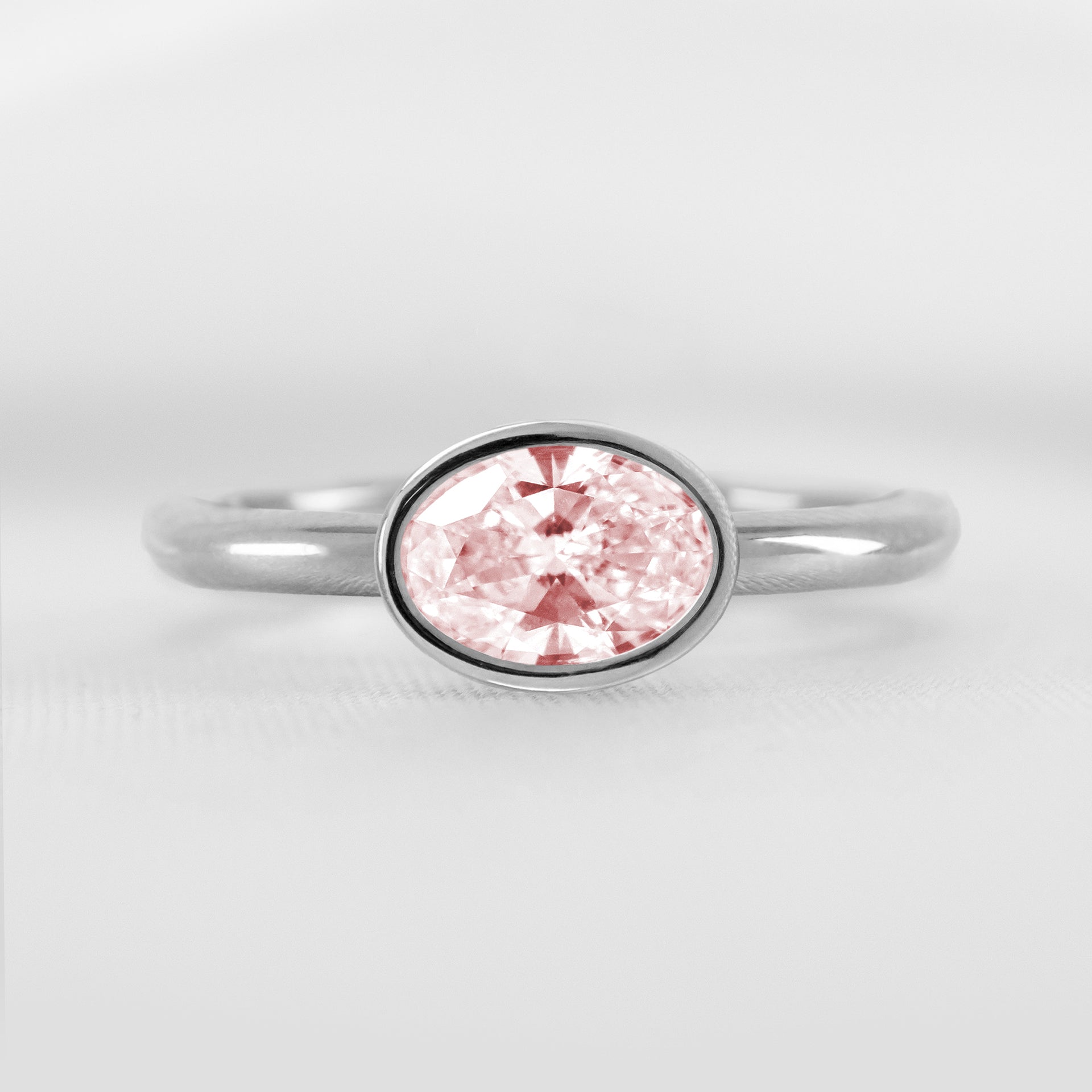
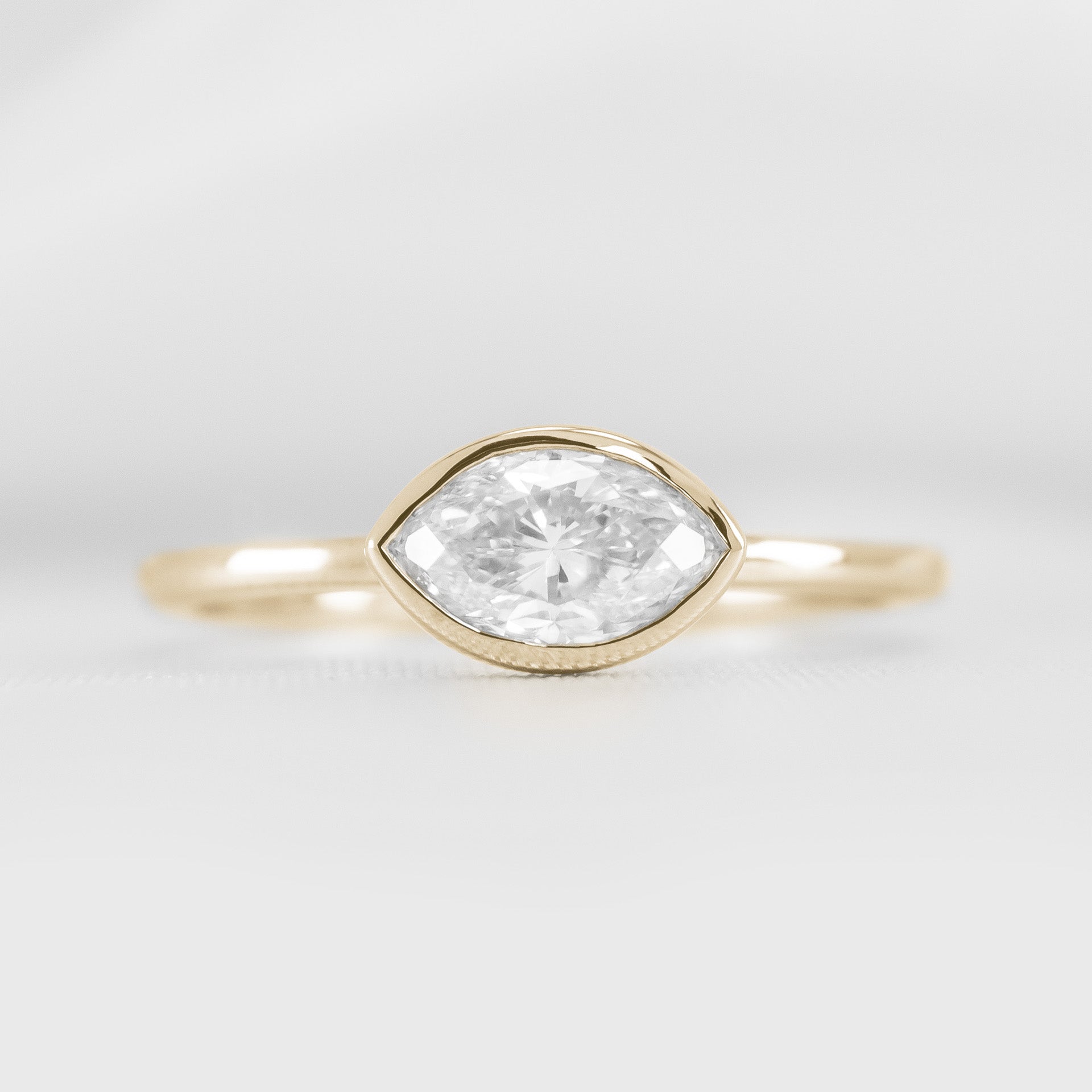
In jewelry, the cardinal directions describe the orientation of the diamond on the ring: north-south is the traditional vertical setting, with the longest axis of the diamond running up the finger. East-west is the diamond rotated 90 degrees, so the longest axis runs across the finger. The diamond itself is identical — same shape, same carat, same cut. Only the orientation changes.
The visual effect is significant. An east-west diamond elongates the finger, reads as instantly modern, and gives a familiar diamond shape a fresh interpretation. Oval and emerald cut diamonds — already elongated — become more dramatic in east-west. Marquise and pear shapes flow horizontally rather than pointing up. The same diamond, set east-west, makes a fundamentally different ring.
East-West Engagement Rings — A Familiar Diamond. Set Sideways.
In jewelry, the cardinal directions describe the orientation of the diamond on the ring: north-south is the traditional vertical setting, with the longest axis of the diamond running up the finger. East-west is the diamond rotated 90 degrees, so the longest axis runs across the finger. The diamond itself is identical — same shape, same carat, same cut. Only the orientation changes.
The visual effect is significant. An east-west diamond elongates the finger, reads as instantly modern, and gives a familiar diamond shape a fresh interpretation. Oval and emerald cut diamonds — already elongated — become more dramatic in east-west. Marquise and pear shapes flow horizontally rather than pointing up. The same diamond, set east-west, makes a fundamentally different ring.
The Lisa Robin Global Diamond Collection
East-west engagement rings work with elongated diamond shapes — oval, emerald cut, marquise, pear, and elongated cushion. Round diamonds and square shapes (princess, asscher) don't have a long axis to rotate, so east-west is meaningful only for shapes with directional length. The diamonds available for east-west settings come from the same Lisa Robin Global Diamond Collection that supplies all our engagement rings.
You can browse and select diamonds online or during a private design appointment, with full specifications and certification visible before approval. Lab grown and natural diamonds are both available. Because east-west settings emphasize the diamond's length, slightly elongated shapes (oval ratios above 1.4, emerald cuts above 1.5) photograph and wear especially well. We help you find the right ratio during diamond selection.
Why Couples Choose East-West
The most common reason: the look of the ring on the hand. East-west settings draw the eye horizontally across the finger, which slims and elongates the appearance of the hand and creates a distinctive, modern read. For couples who want a recognizable shape (oval is the most popular diamond shape in engagement rings) without the most-common rendering of it, east-west is the answer.
The second reason: pairing with wedding rings. East-west engagement rings often pair more flexibly with wedding ring stacks because the band sits flat against a straight wedding ring without needing to clear a prong head that points up the finger. Stacking is cleaner, daily wear is more comfortable.
East-West Engagement Ring Types in This Collection
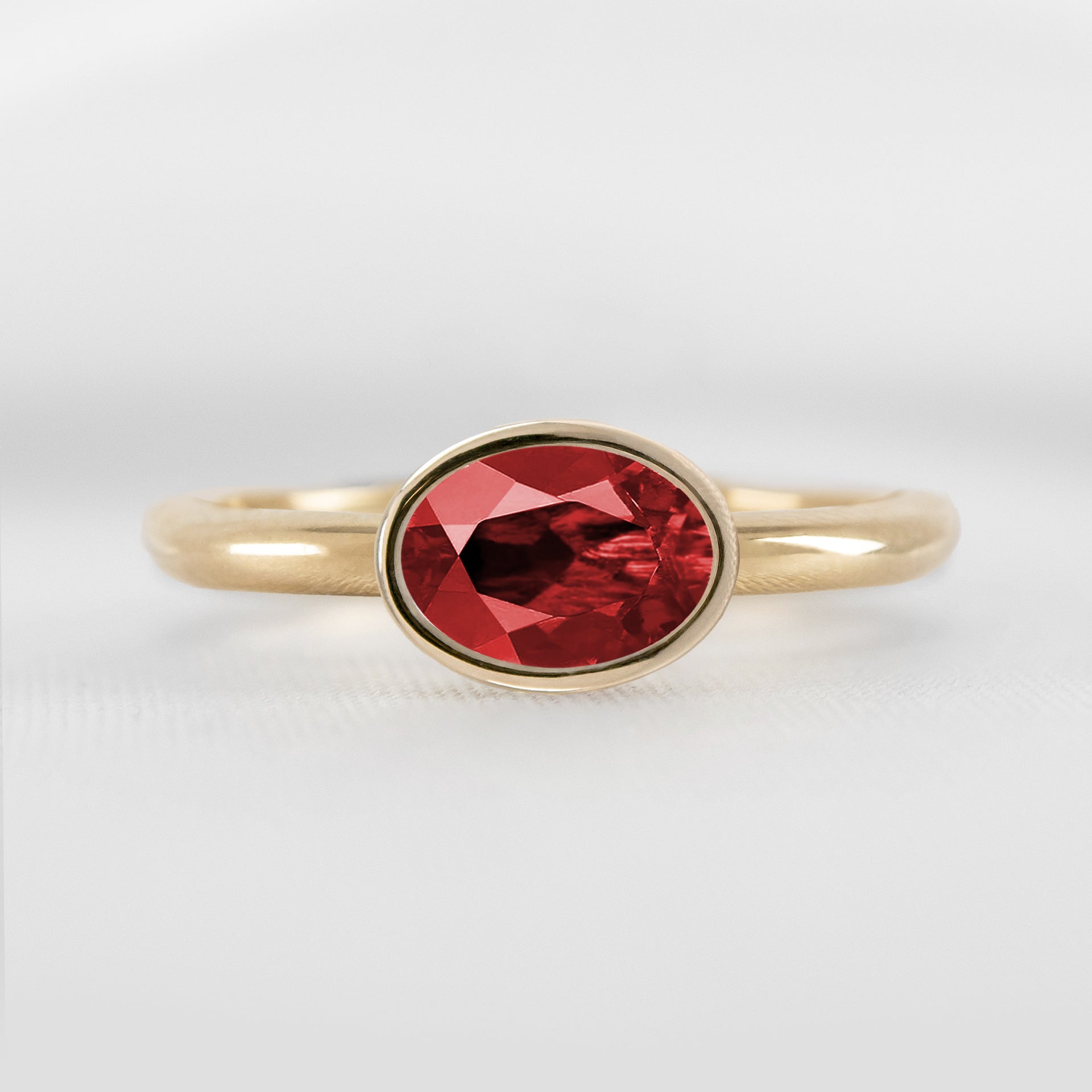
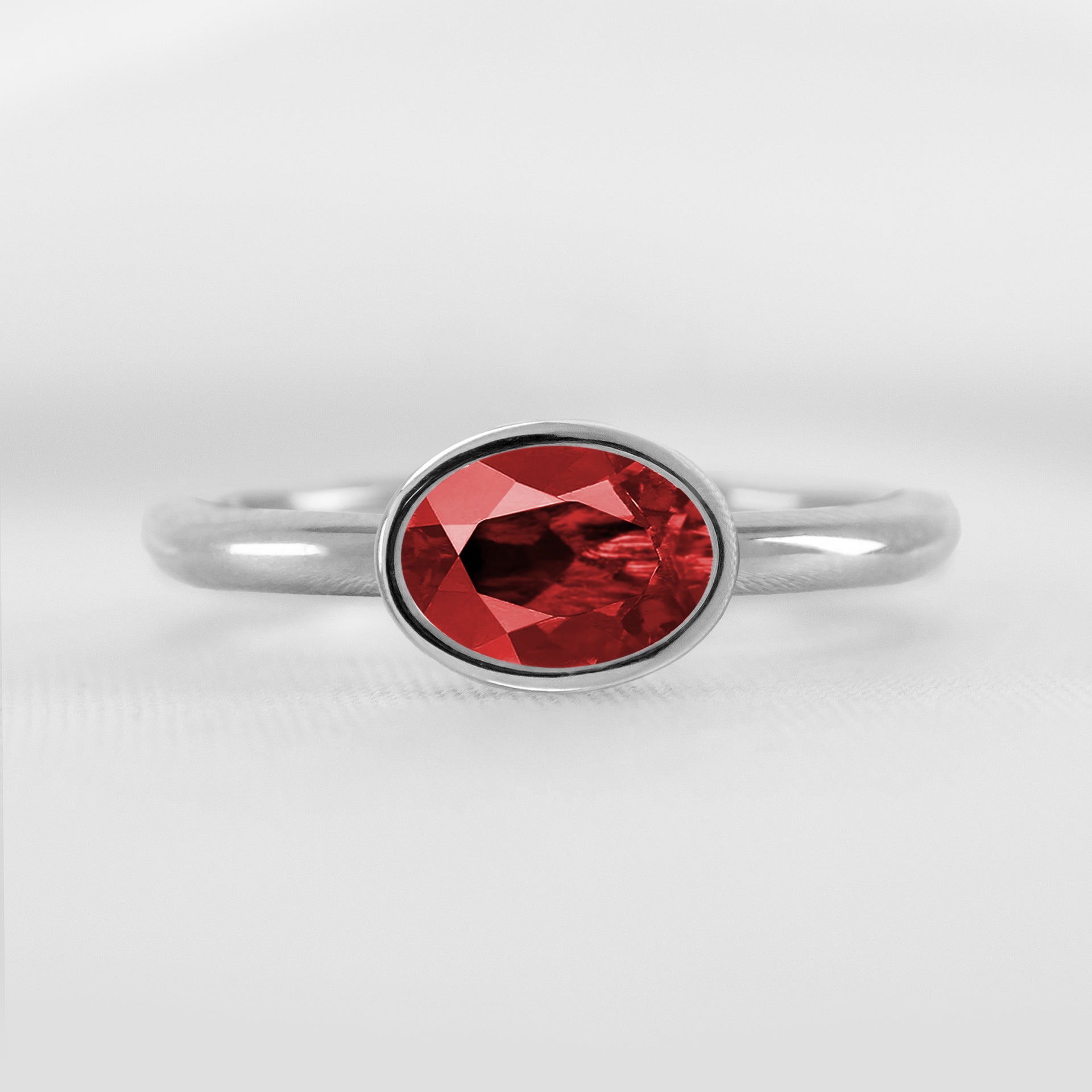
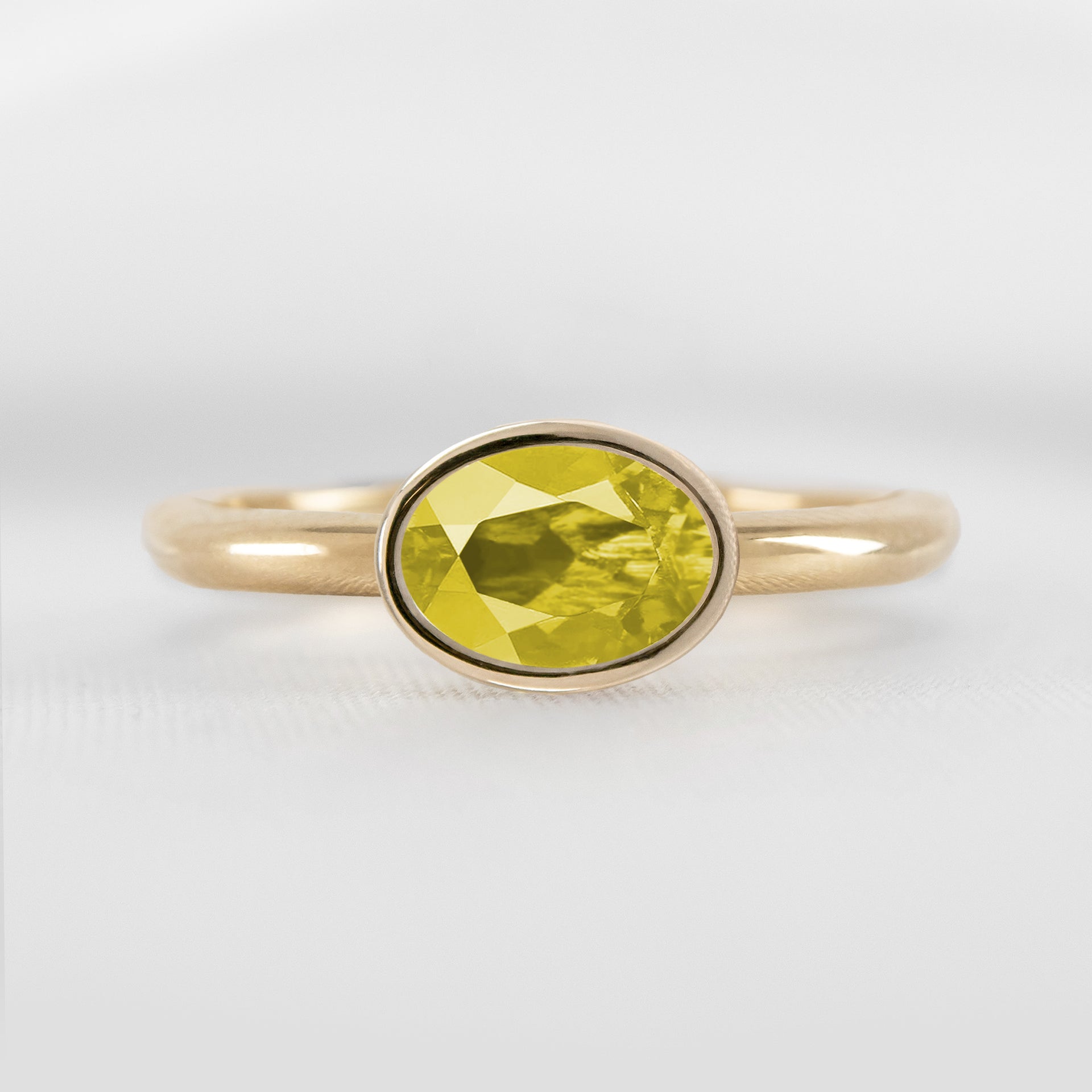
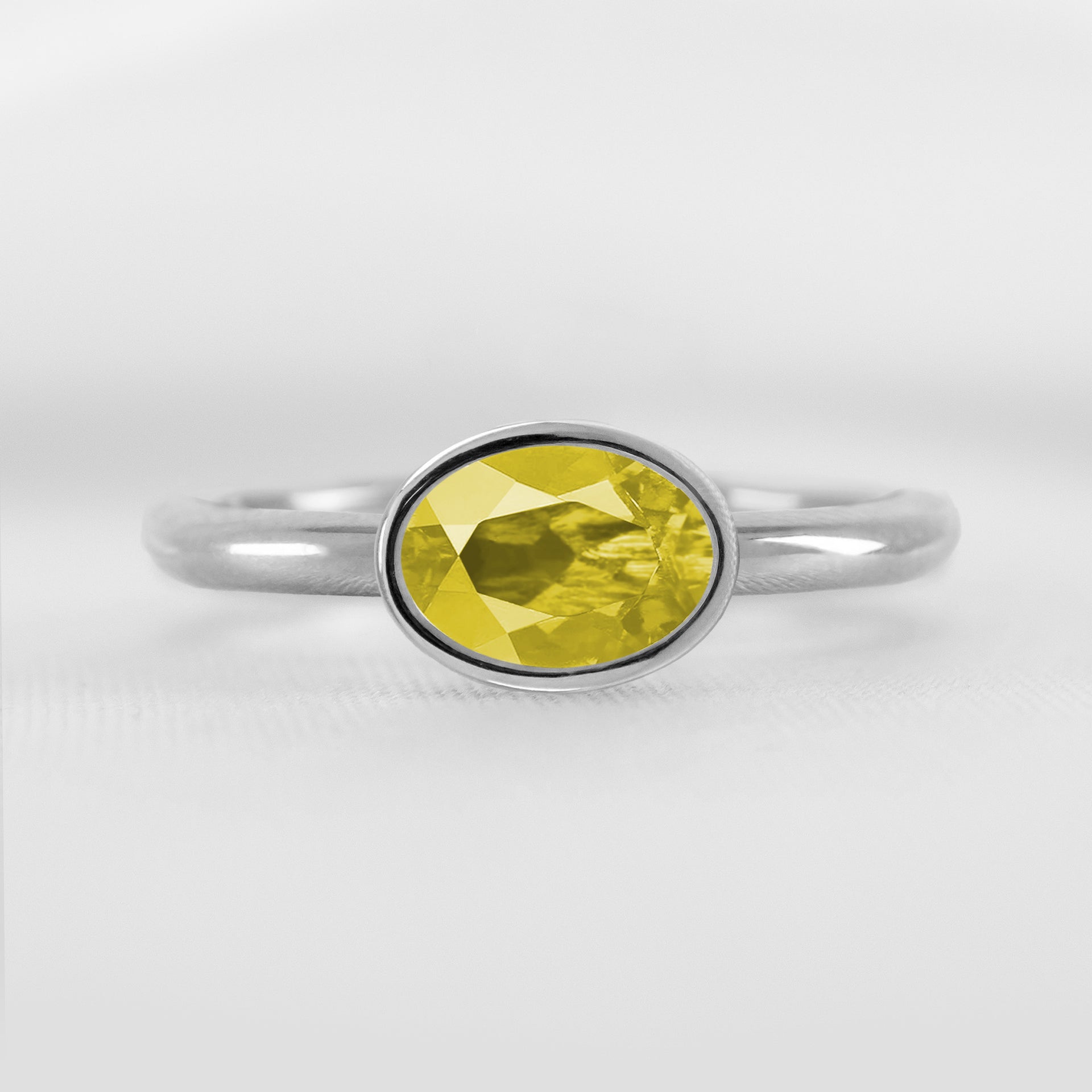
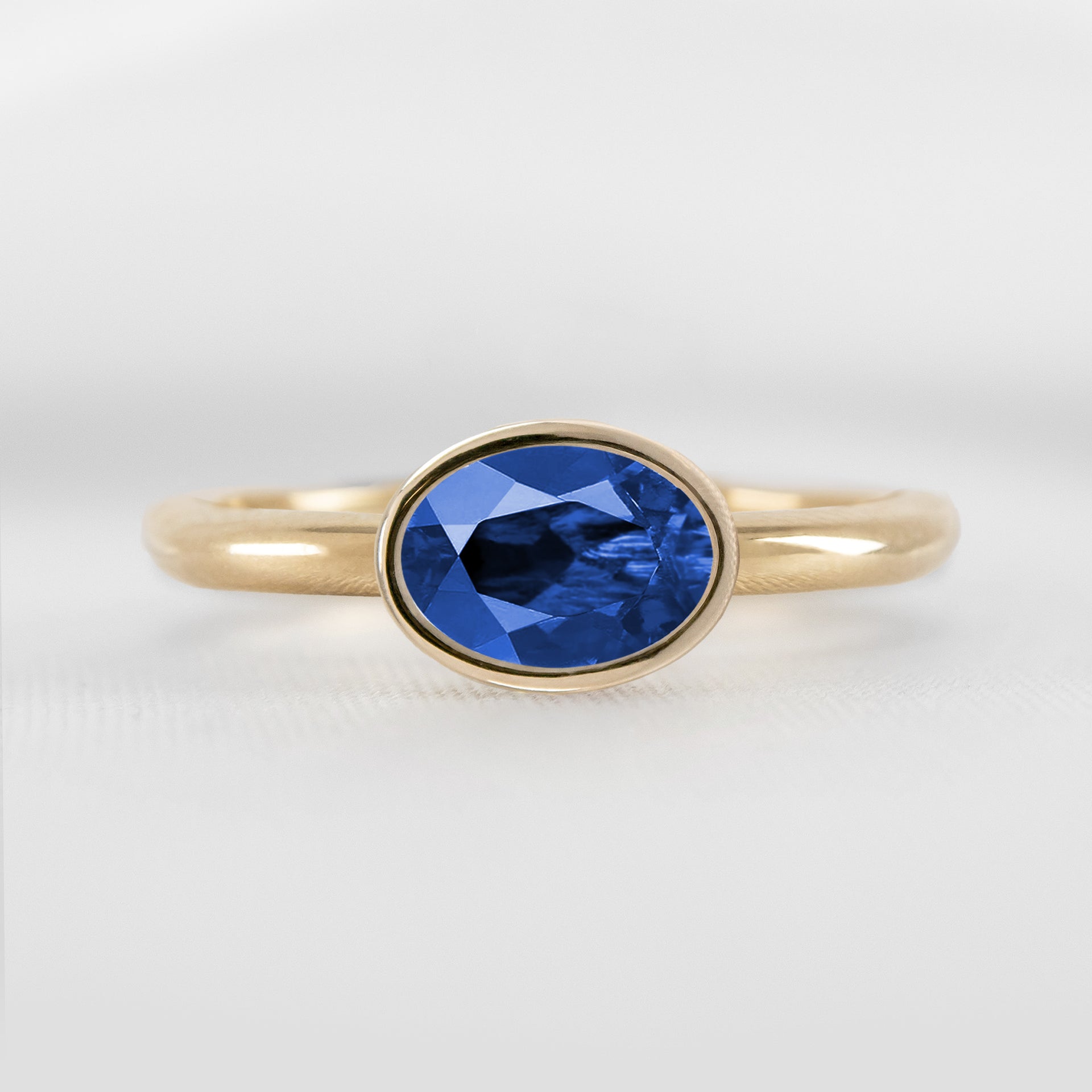
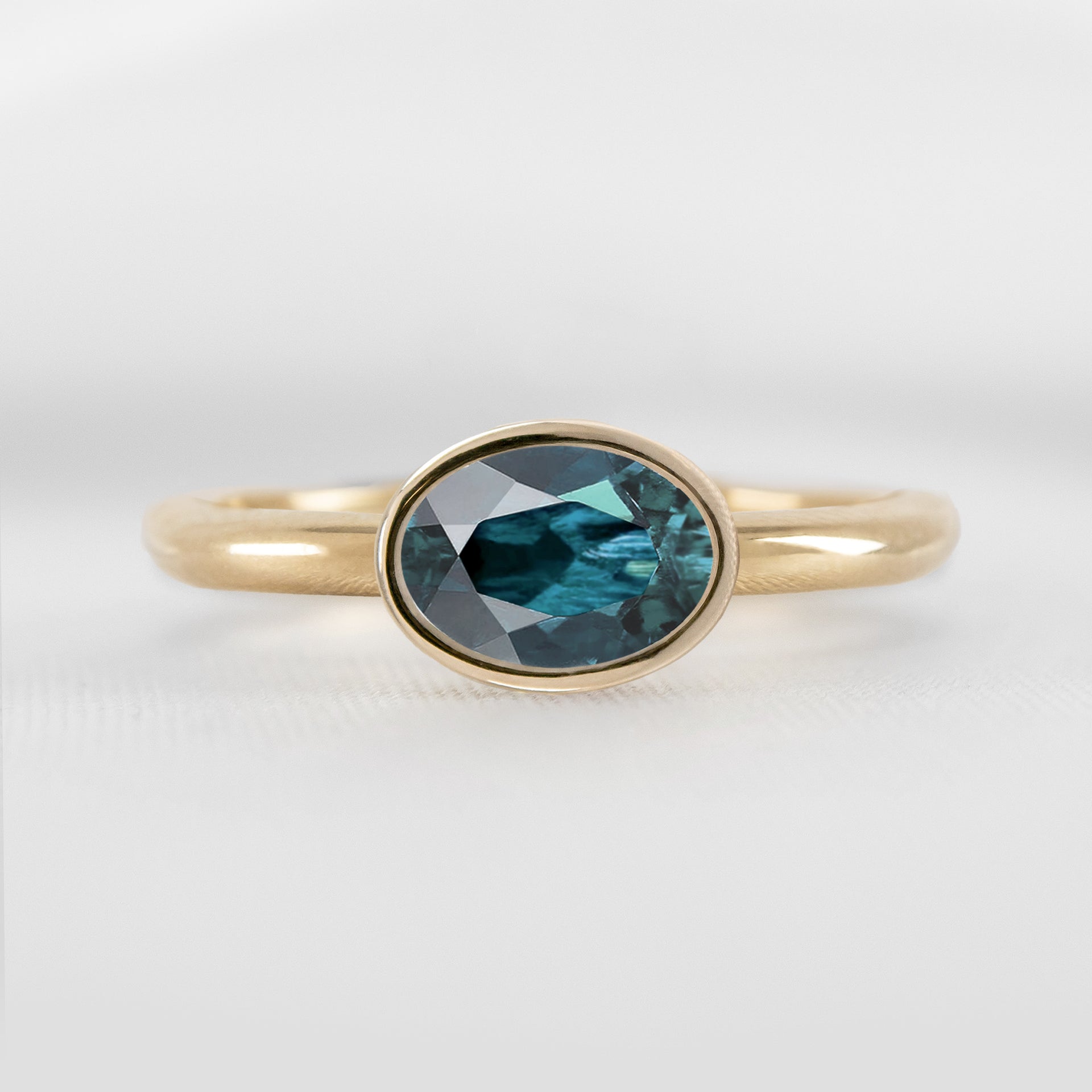
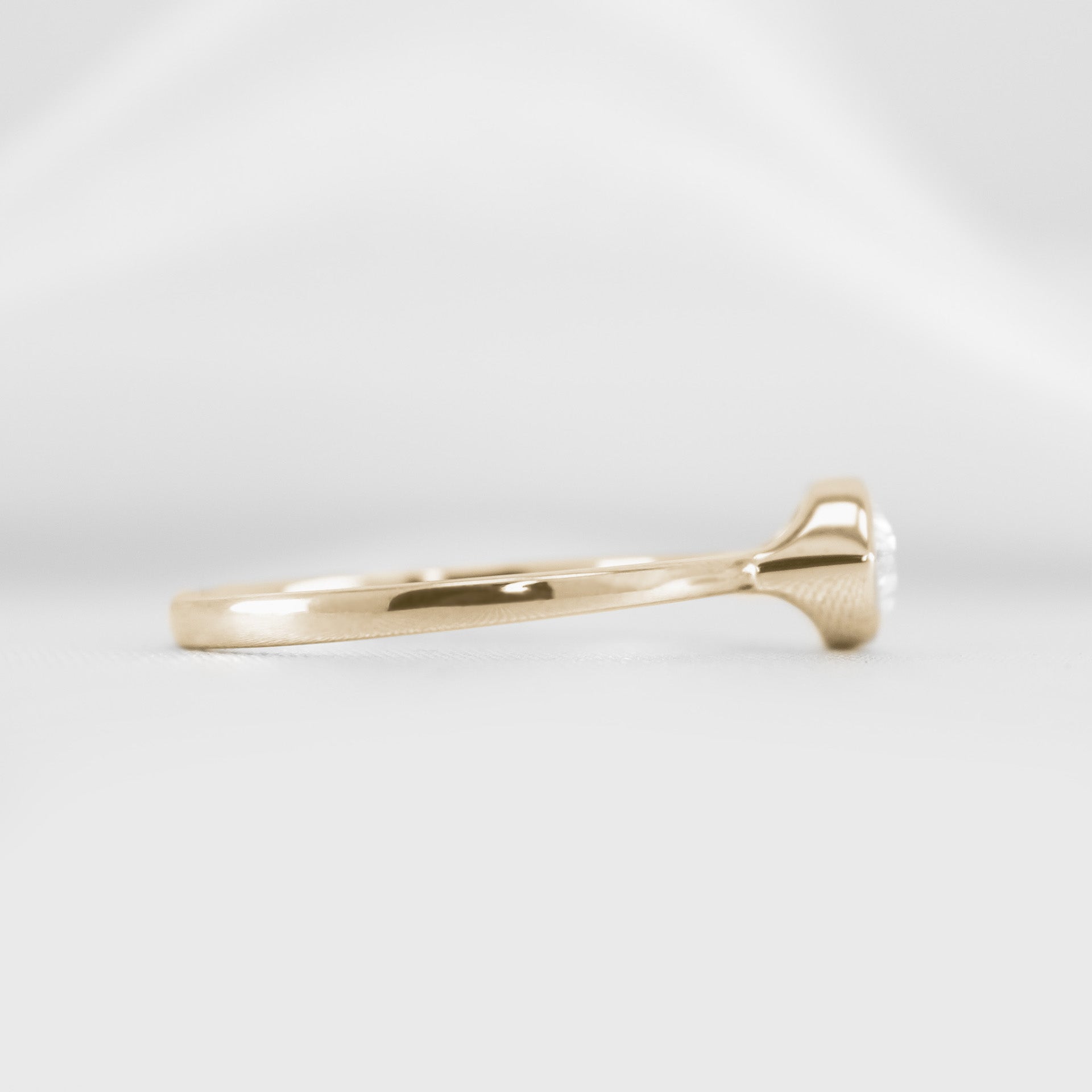
East-west bezel engagement rings set the diamond horizontally inside a smooth metal rim. The architectural lines of the bezel reinforce the modern read of east-west orientation. The Nova East-West Bezel is our signature design, available with diamond, ruby, green emerald, champagne diamond, sapphire, and other colored center options. Setting starts at $2,103.
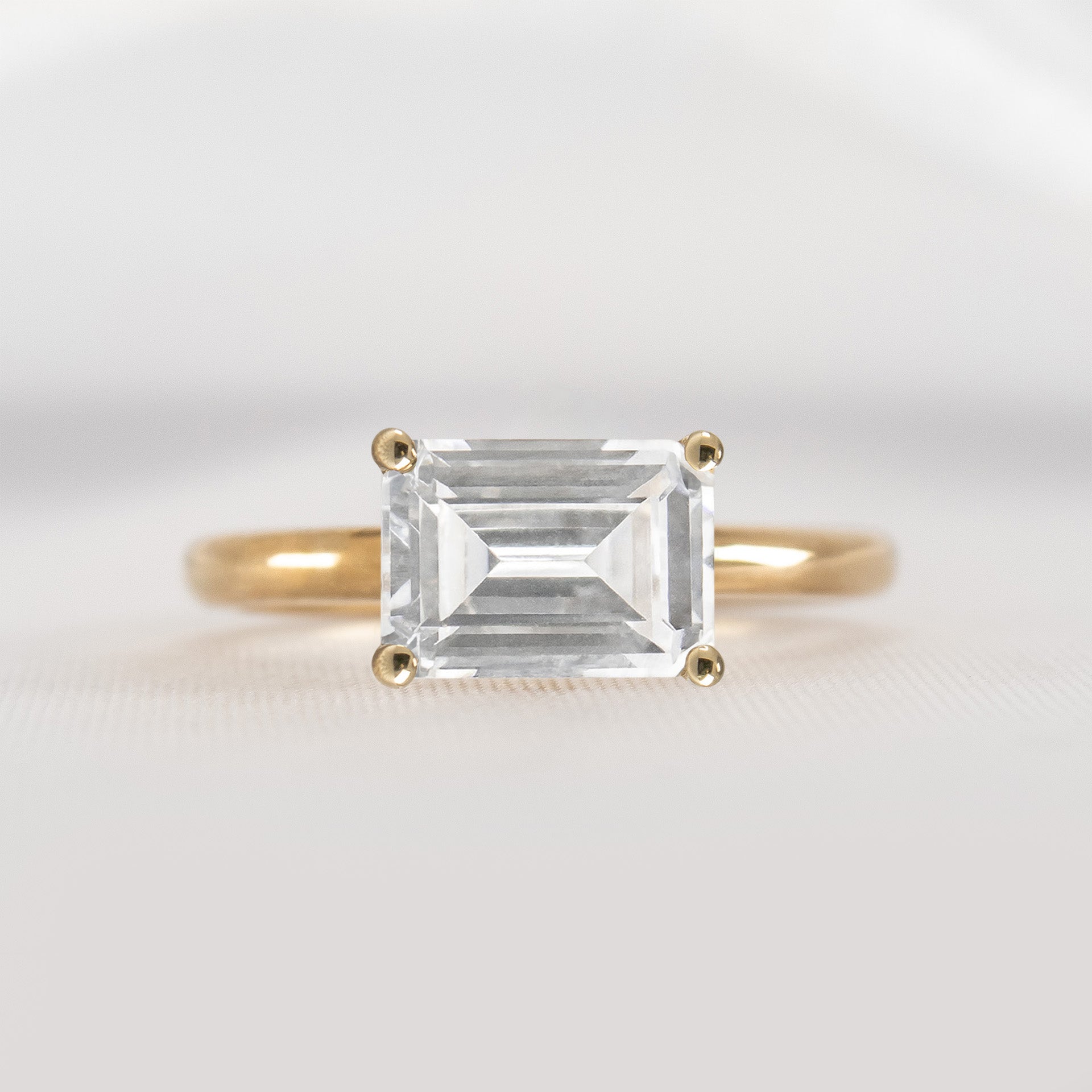
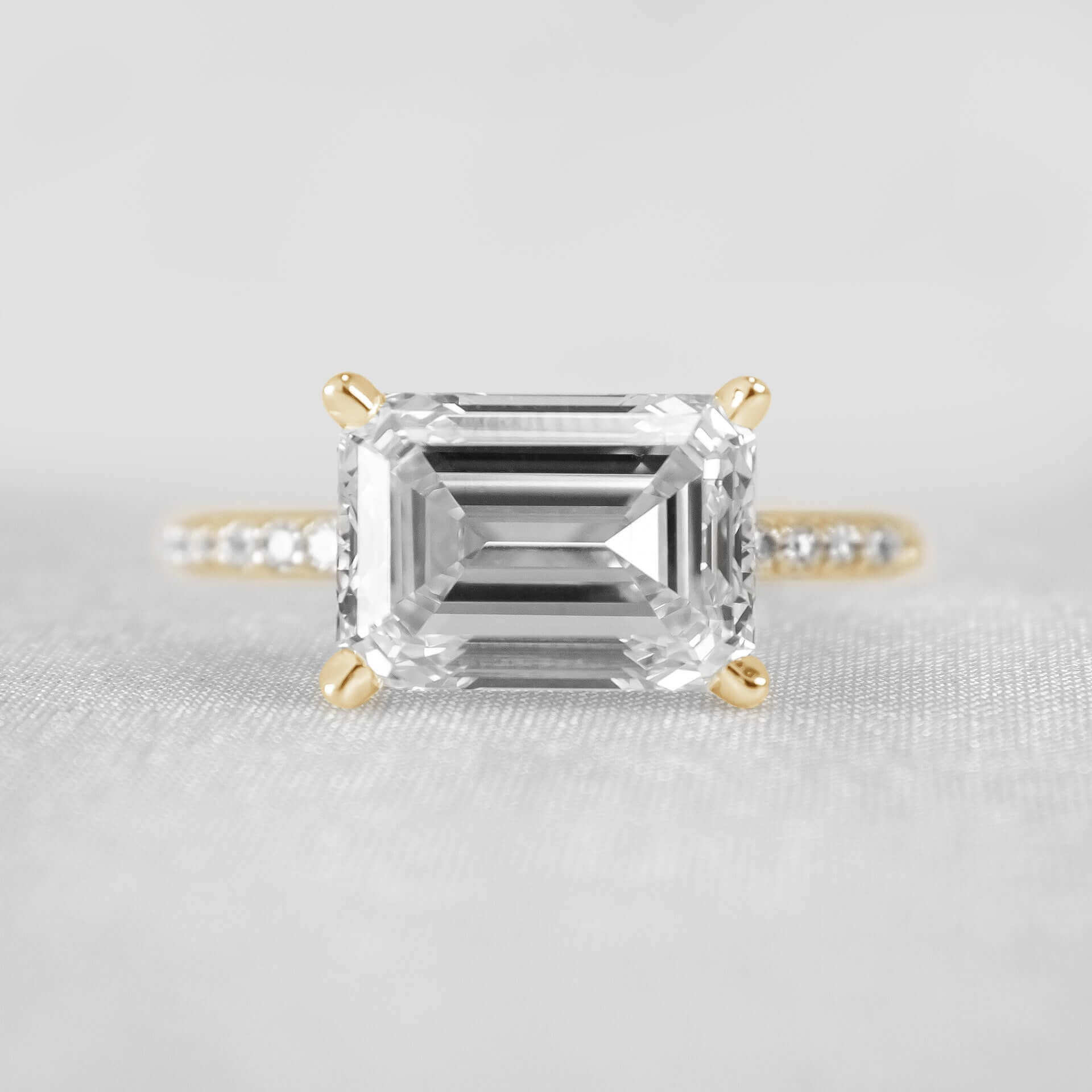
East-west prong engagement rings hold the diamond horizontally with traditional prongs (typically four or six). The Mia East-West is our most-requested prong design — a clean profile with the diamond elevated for full brilliance. Setting starts at $2,195.
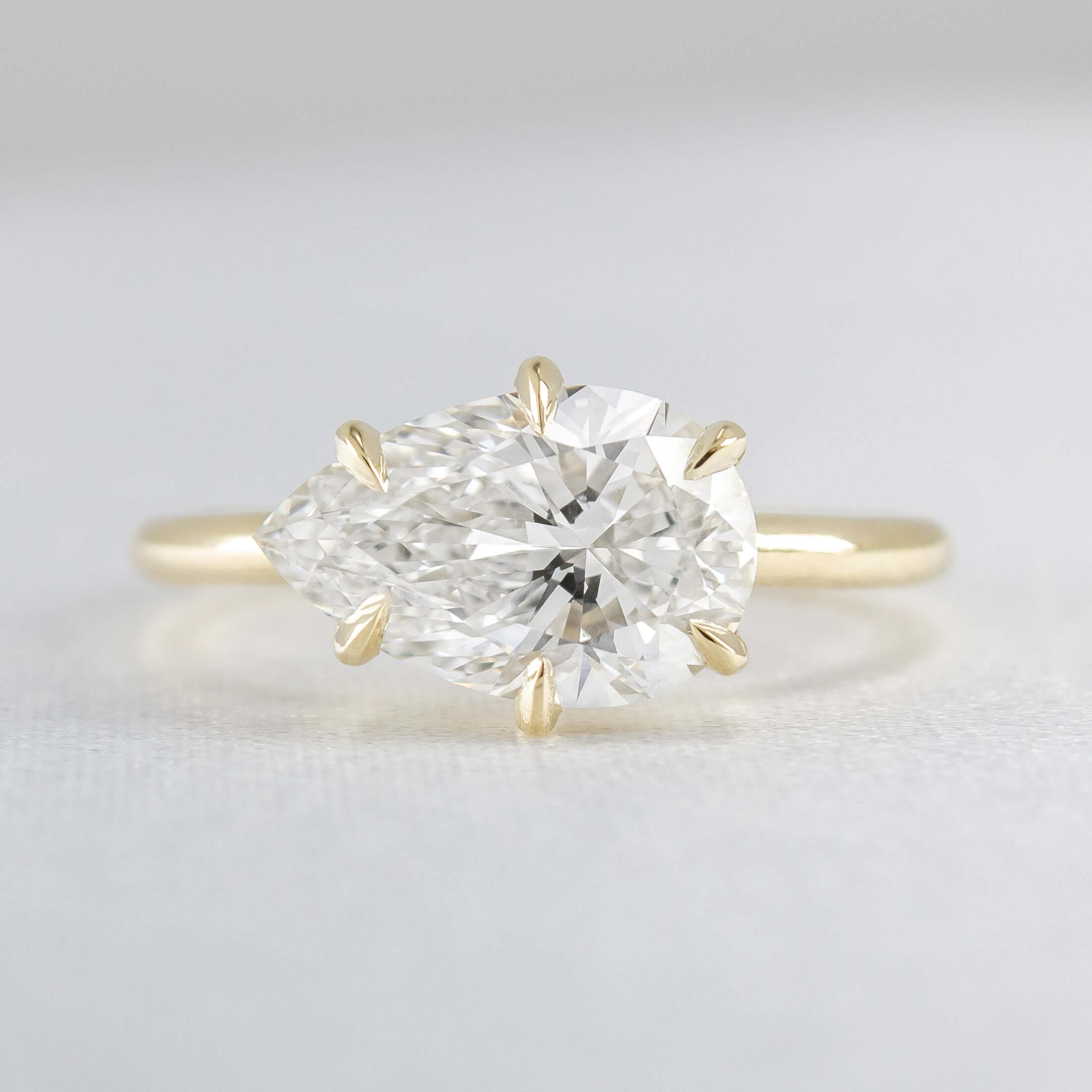
East-west claw prong engagement rings use distinctive claw-shaped prongs that wrap around the diamond's edges, adding architectural detail to the orientation. The Mia Claw Prong East-West gives the modern east-west aesthetic an extra dimension. Setting starts at $2,295.
East-west colored gemstone engagement rings apply the orientation to non-diamond centers. The Nova East-West Bezel works beautifully with sapphire, ruby, emerald, aquamarine, morganite, and moissanite — the horizontal setting elongates colored stones the same way it does diamonds.
East-west moissanite engagement rings bring the look at a more accessible price point. The Mia East-West Moissanite uses lab-created moissanite (Mohs 9.25, exceptional brilliance) for couples who want the east-west aesthetic with maximum carat presence per dollar.
Choosing Your East-West Engagement Ring
Diamond shape. Oval is the most popular east-west shape — the elongated form is highly flattering on the finger. Emerald cut comes second, especially for couples drawn to step-cut faceting and Art Deco influence. Marquise reads bold and distinctive in east-west. Pear shapes can go either direction; east-west pear settings give a flowing, asymmetric read.
Diamond ratio. The "ratio" of an elongated diamond is its length divided by its width. A more elongated ratio (oval 1.5+, emerald 1.6+) reads more dramatic in east-west. A more squarish ratio (oval 1.3, emerald 1.4) reads more compact. We help you find the ratio that fits the look you want.
Setting style. Bezel reinforces the modern, architectural feel of east-west. Prong settings keep the look classical with a contemporary orientation. Claw prongs add distinctive detail. We help you choose based on your daily life and aesthetic preference.
Metal pairing. White gold and platinum read most modern with east-west orientation. Yellow gold reads vintage-influenced and warm. Rose gold creates a romantic east-west pairing. The east-west aesthetic works in any metal.
Wedding ring coordination. East-west engagement rings often pair beautifully with straight wedding bands because the engagement ring's footprint on the finger is horizontal rather than vertical. Stacking with eternity bands or beaded bands also works cleanly. We plan the wedding ring during the engagement ring design.
East-West Engagement Ring Symbolism and Meaning
Couples who choose an east-west engagement ring often describe wanting a ring that signals individuality without rejecting tradition. The diamond shape is recognizable. The orientation is unexpected. Together they read as intentional — a couple who knows what they want but wants it on their own terms.
East-west also has a quieter symbolic resonance: the diamond running across the finger rather than up it reads as the partnership crossing through life rather than reaching toward something. The orientation places the relationship in the present, on the hand, in motion. Some couples notice this; others don't. Either way the ring feels distinctive.
Designed in Dayton. Made in the USA.
Every Lisa Robin east-west engagement ring is designed in our Dayton, Ohio studio and crafted in our New York workshop. Setting an elongated diamond horizontally requires precision — the head has to support the diamond's length without creating any visible asymmetry, and the band has to flow smoothly into the horizontal head. Crafting takes 3–4 weeks. Order online or book a private design appointment to walk through diamond shape, ratio, and setting style with Lisa.
More about Lisa Robin east-west engagement rings
