



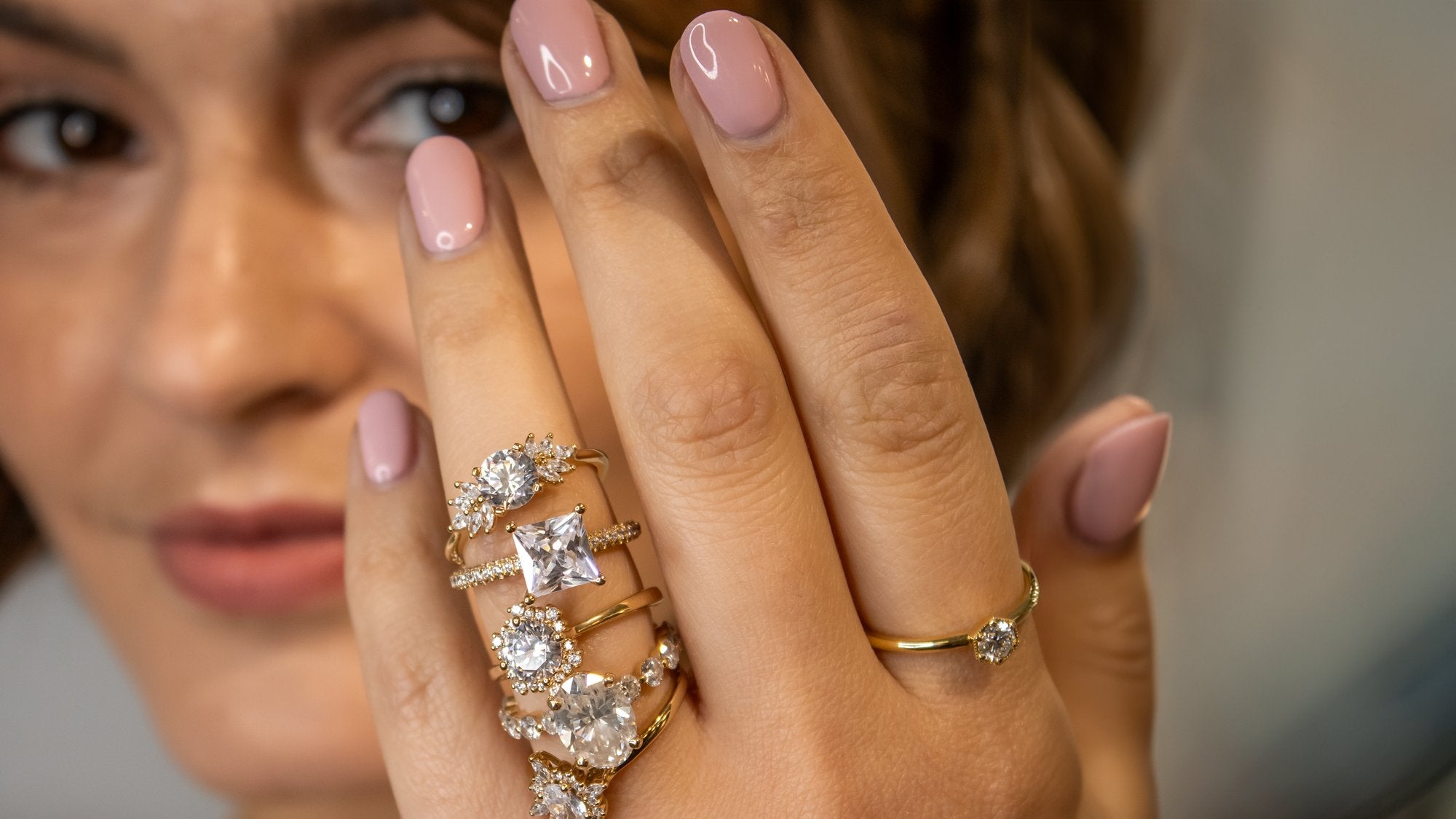
Unique Engagement Ring Styles
Explore Styles That Stand Out
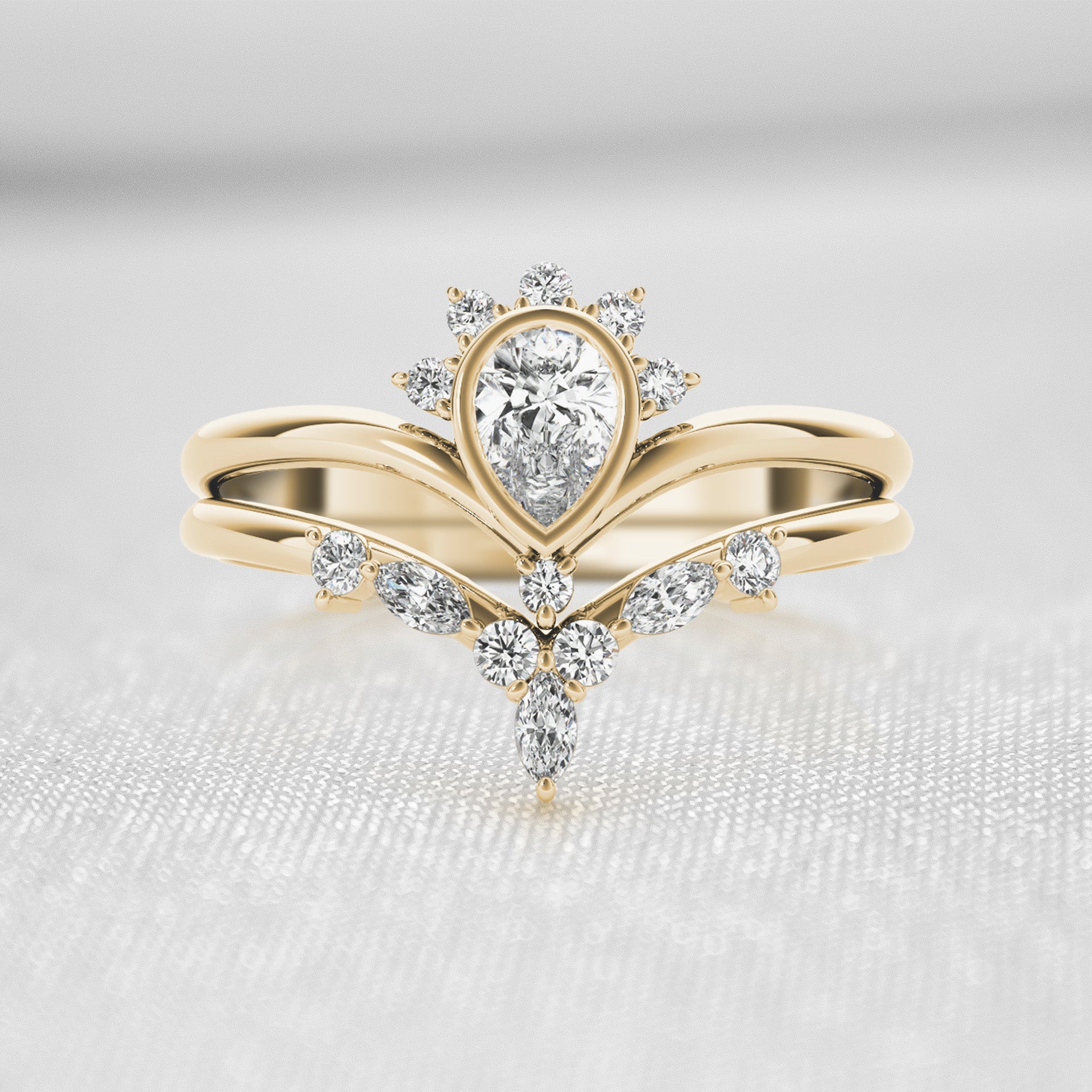
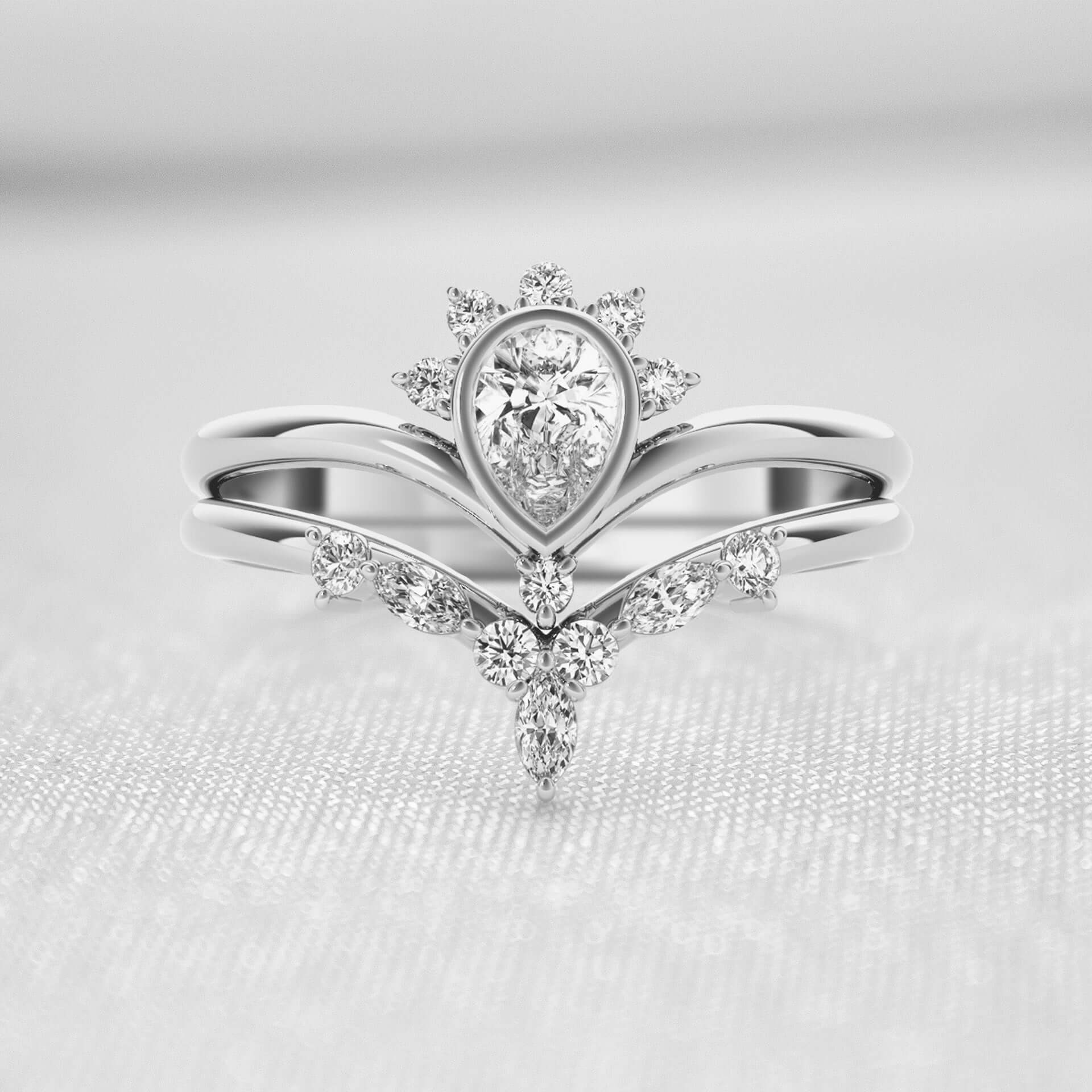
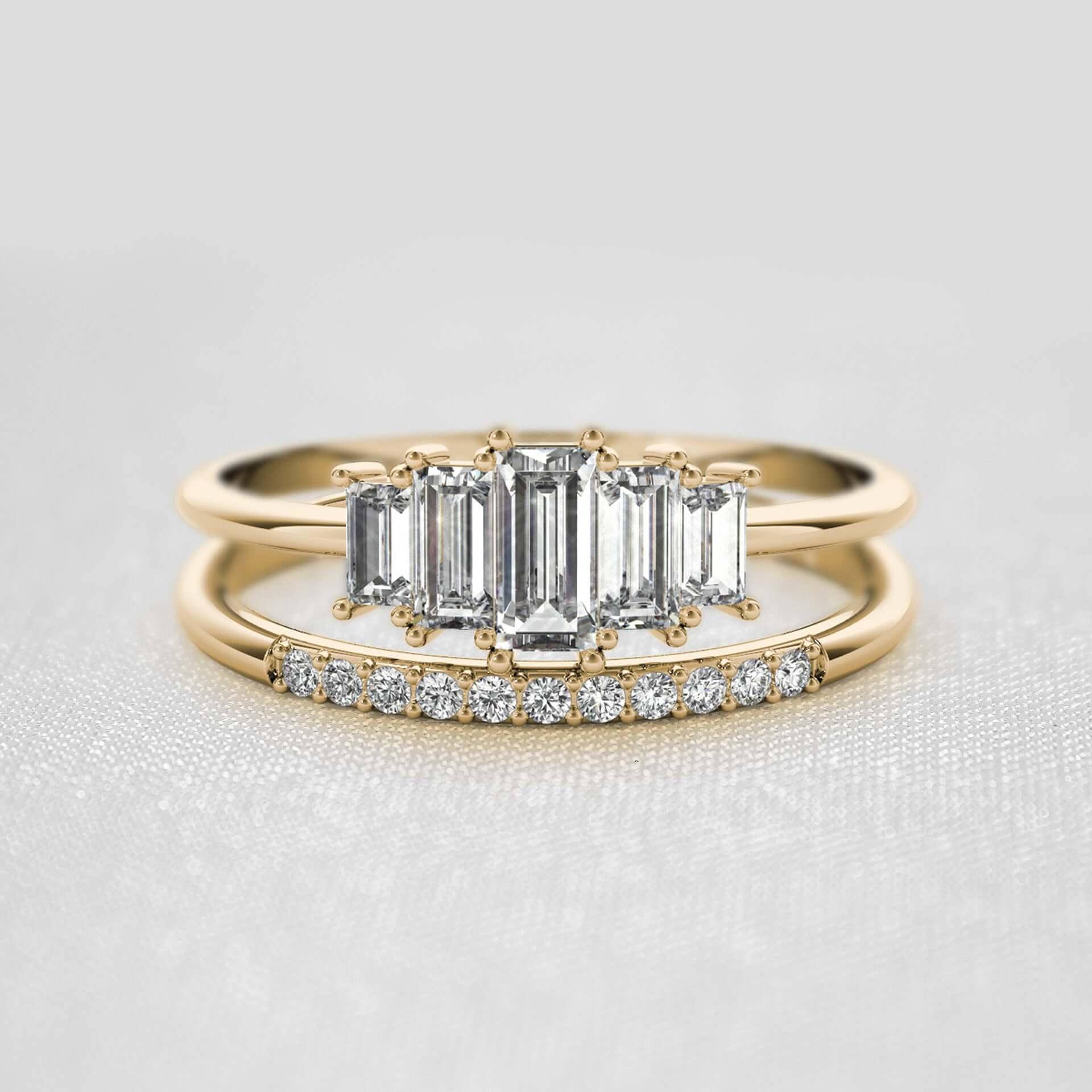













































What Defines a Lisa Robin Engagement Ring
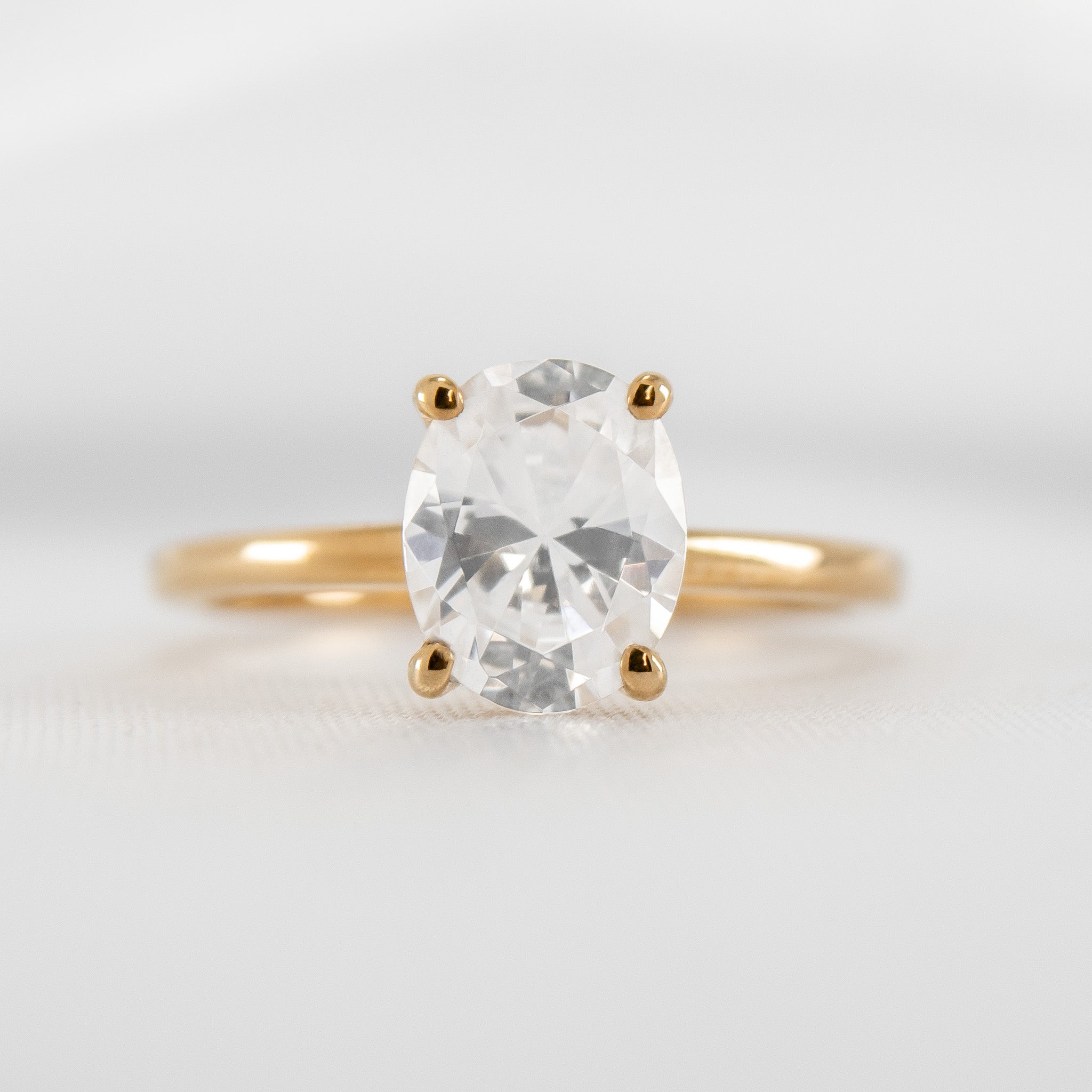
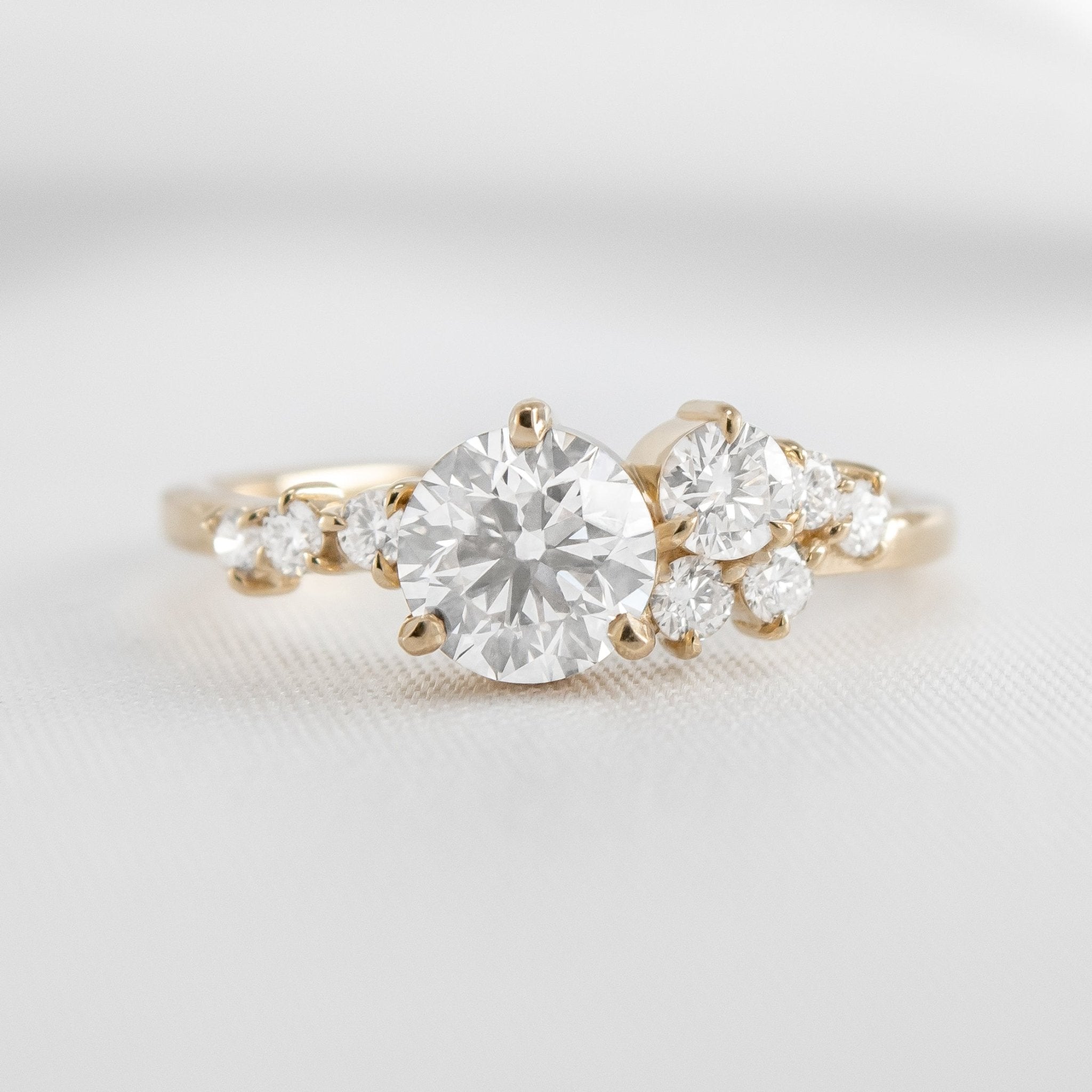
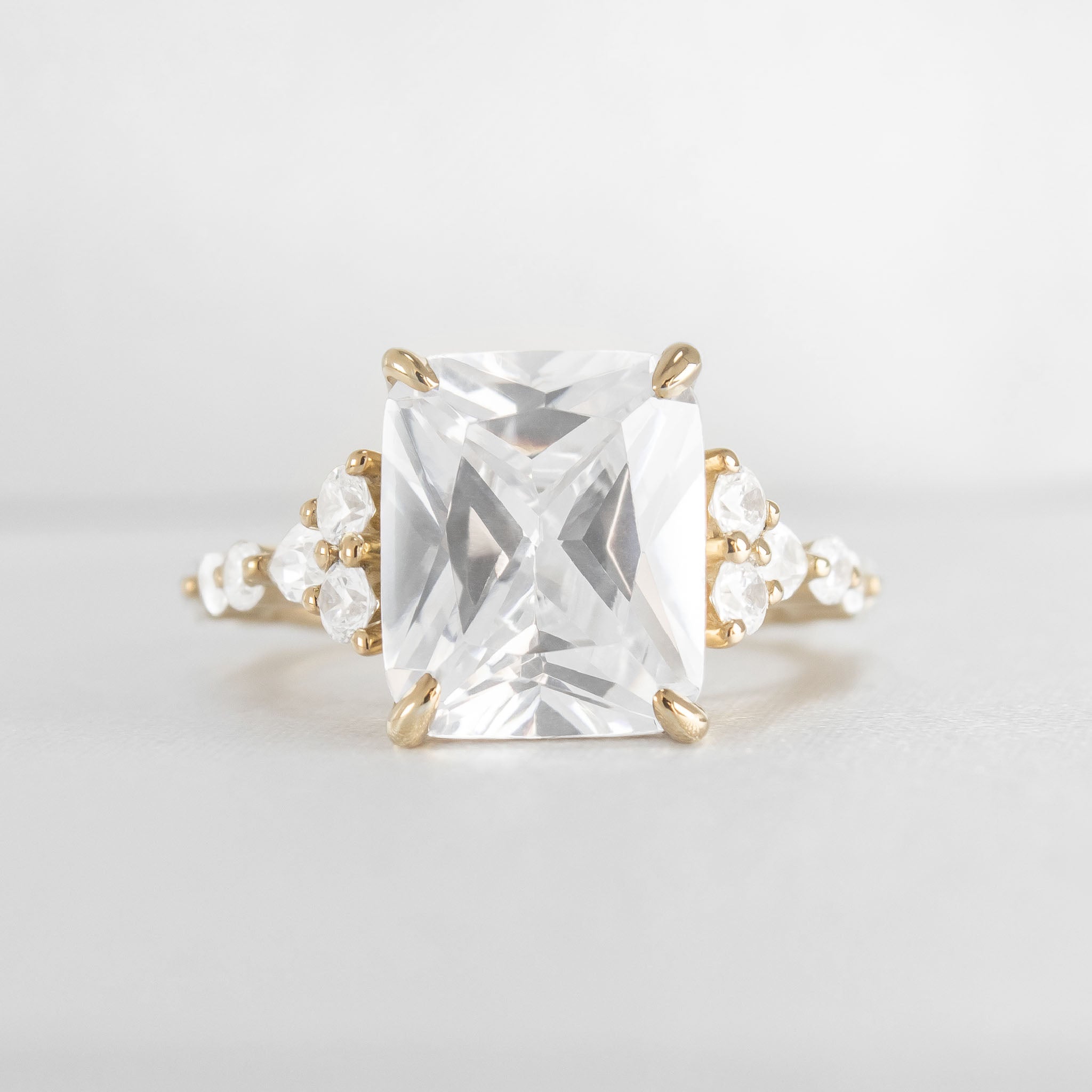
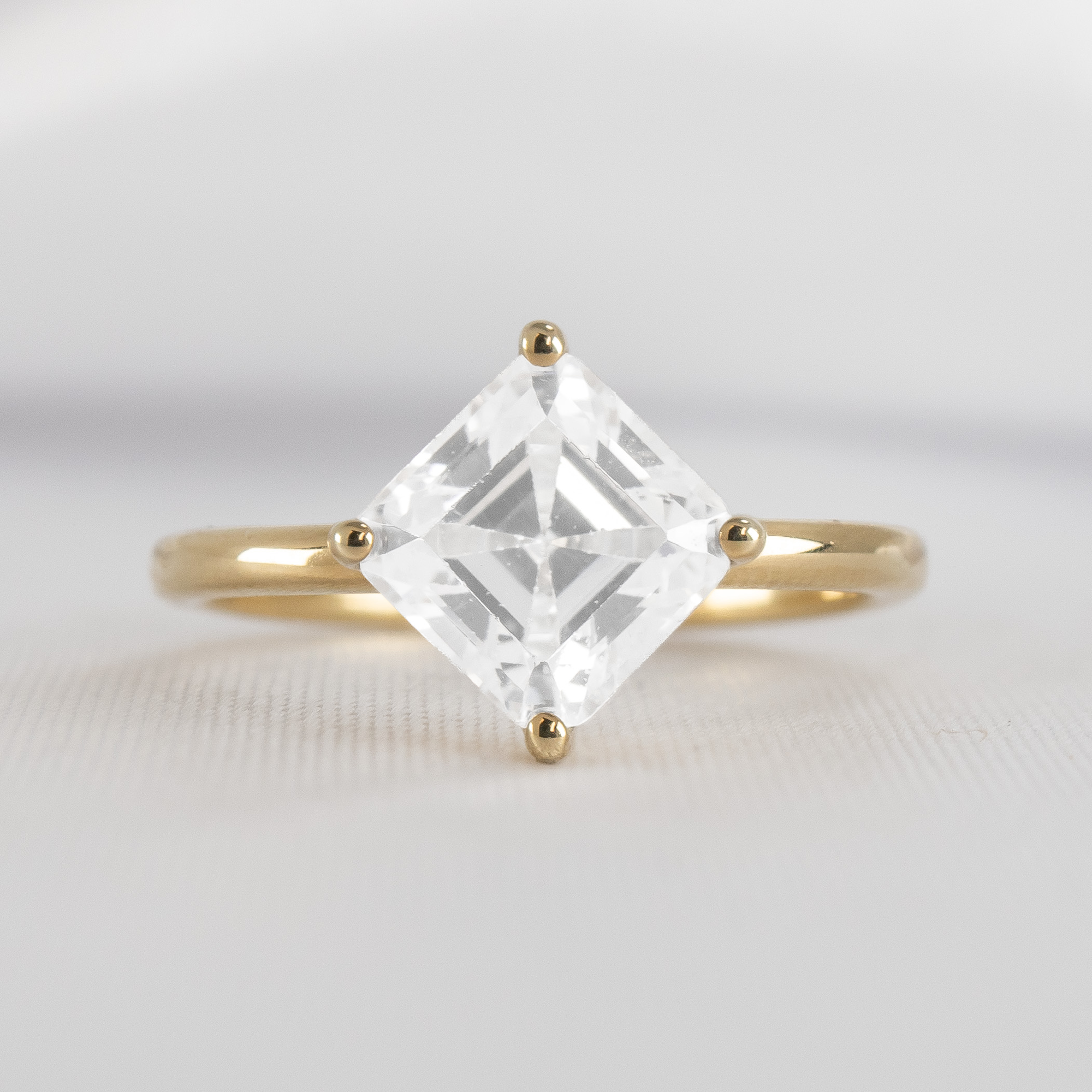
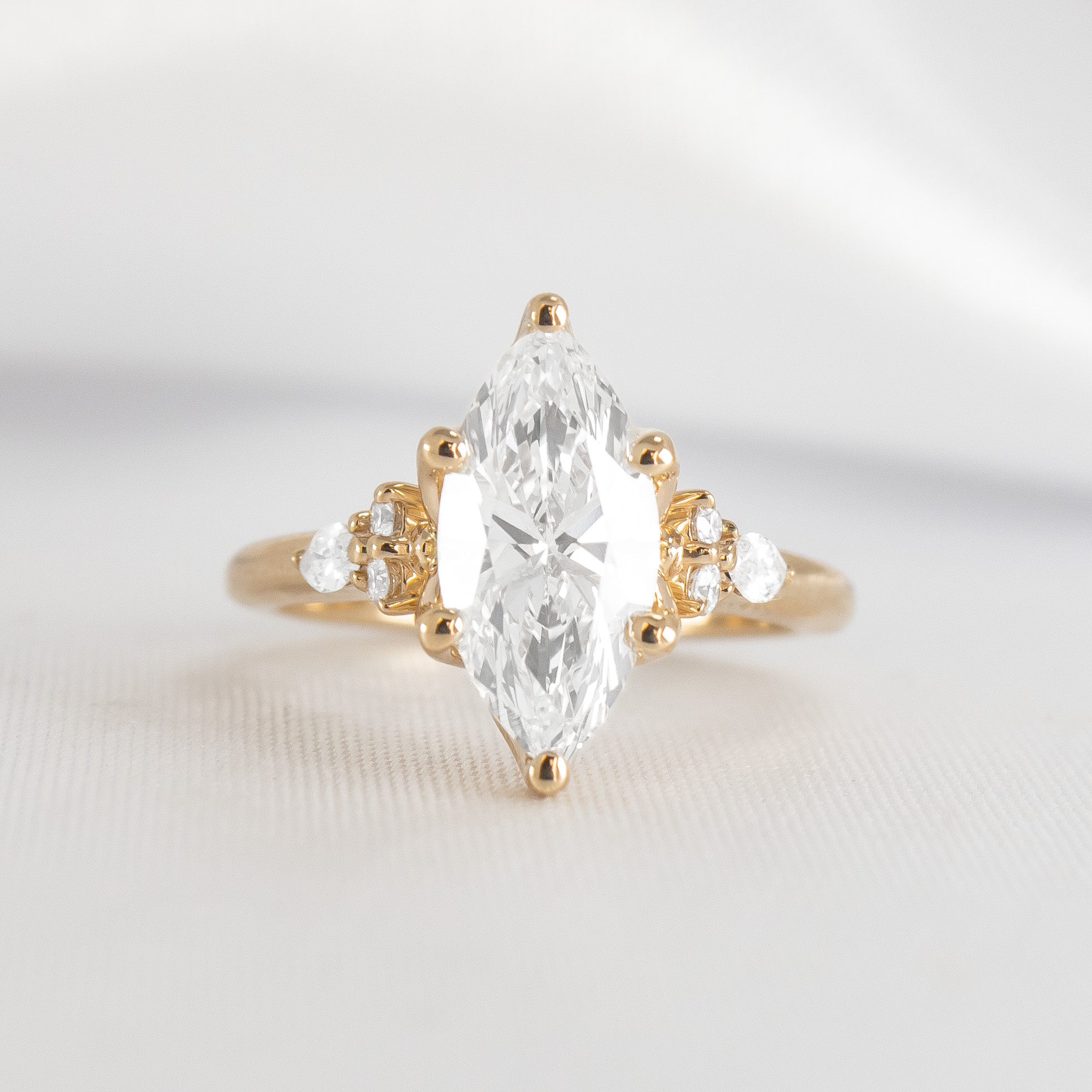
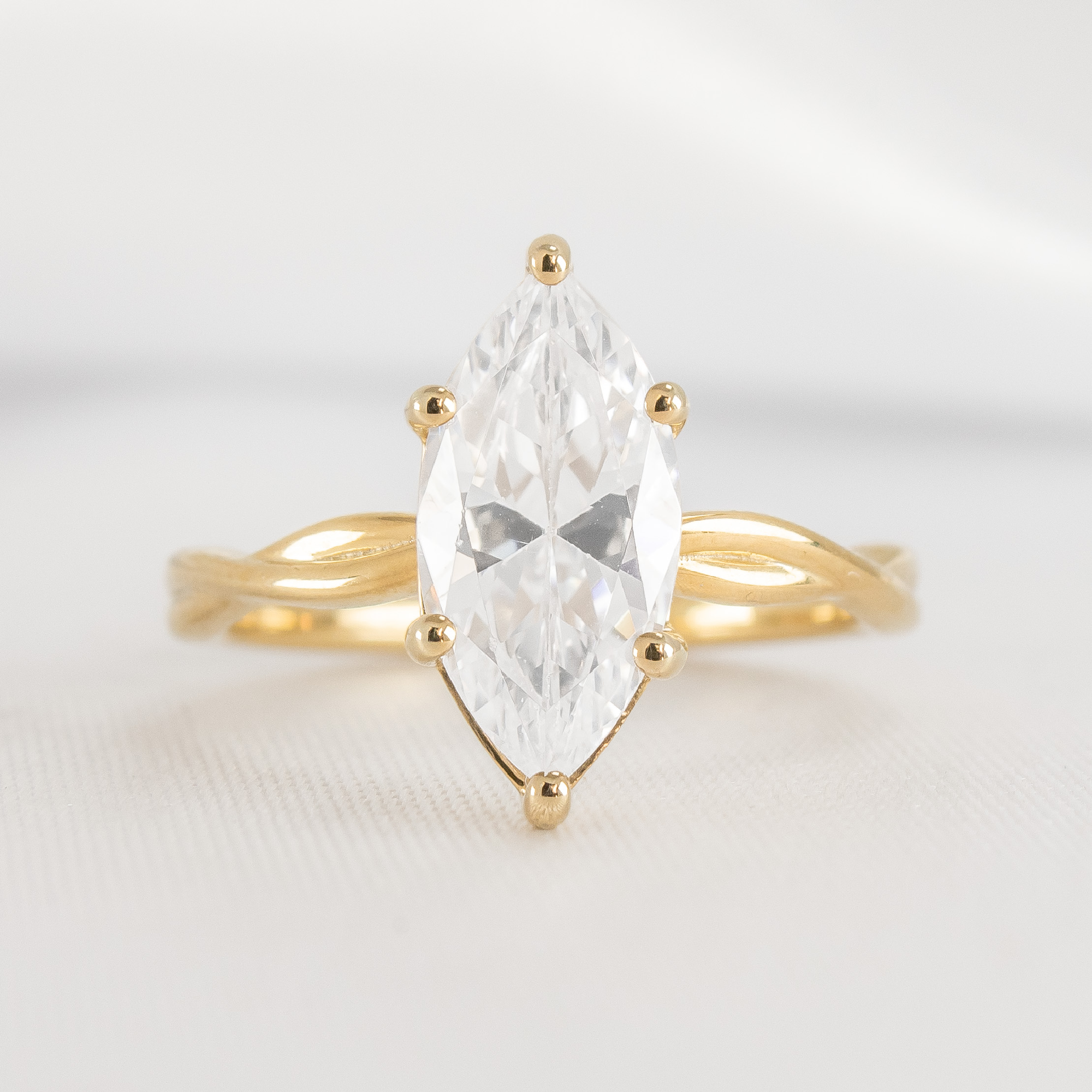
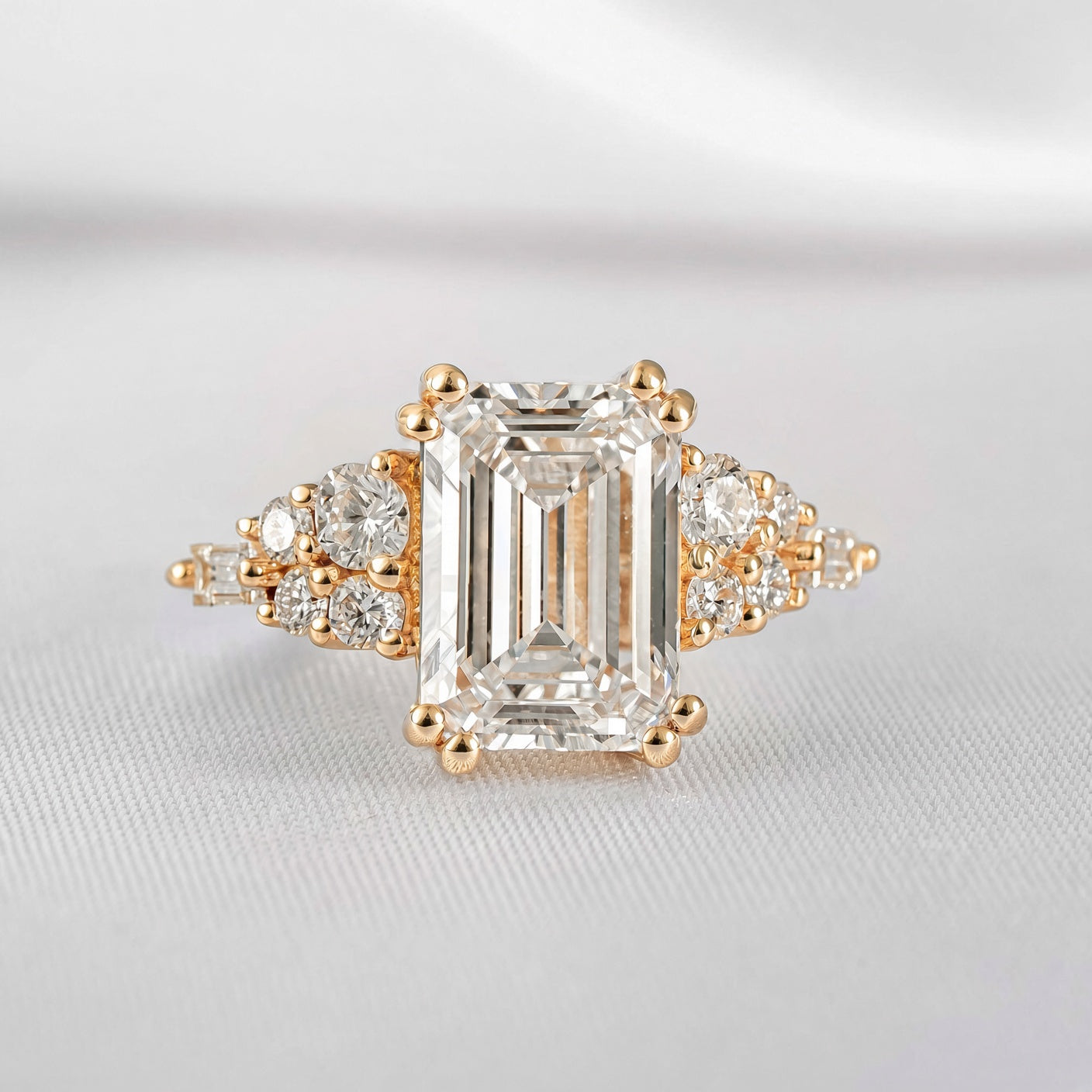
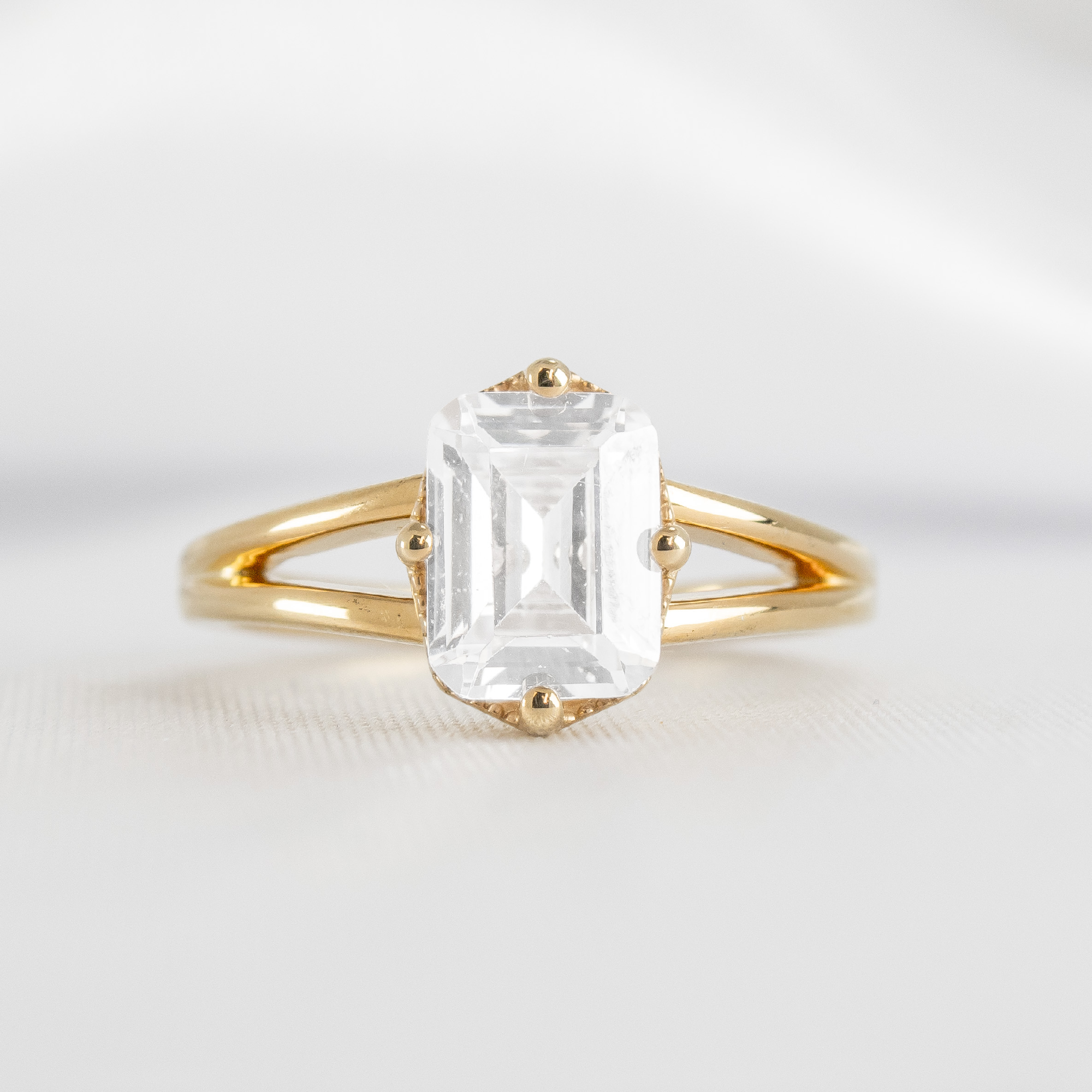
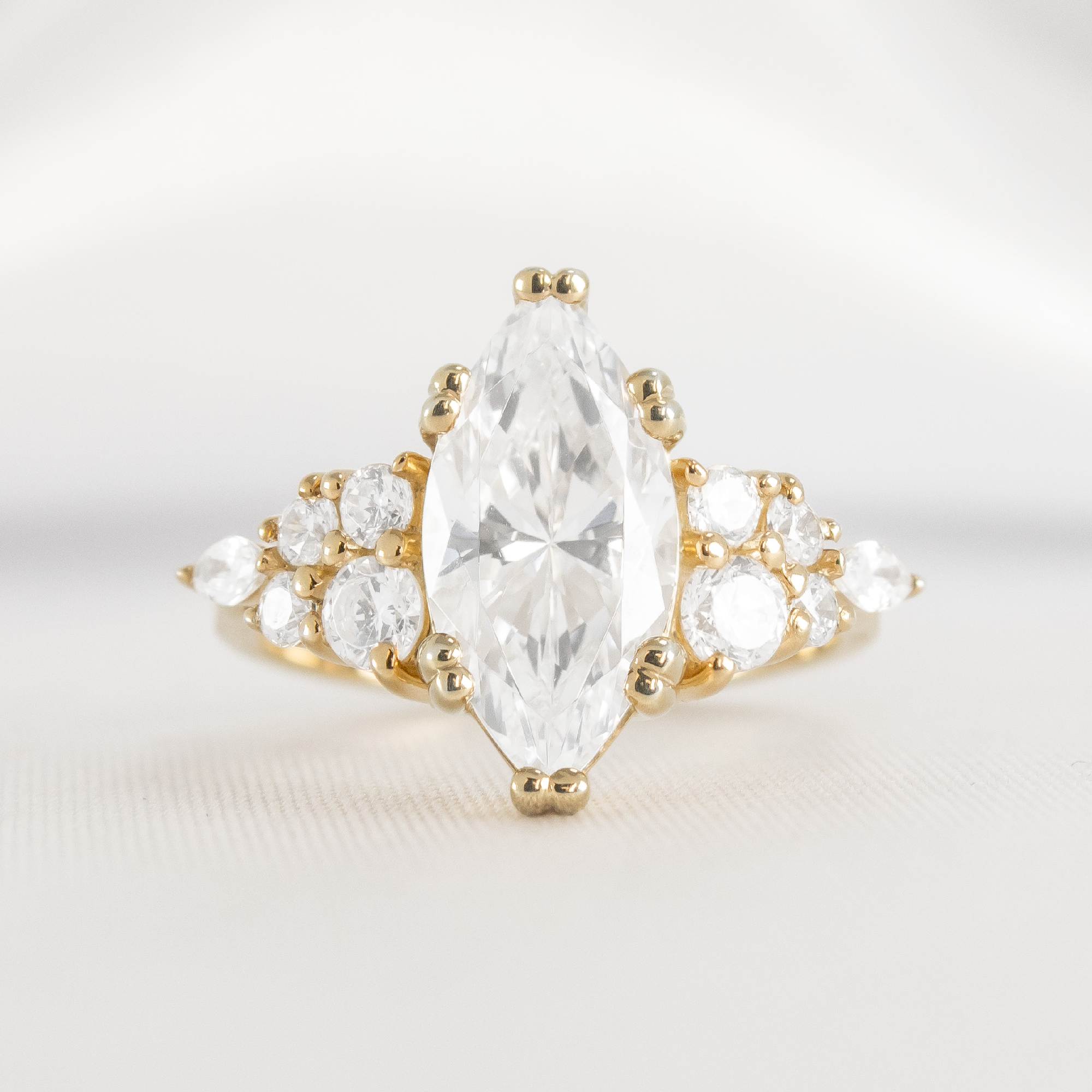
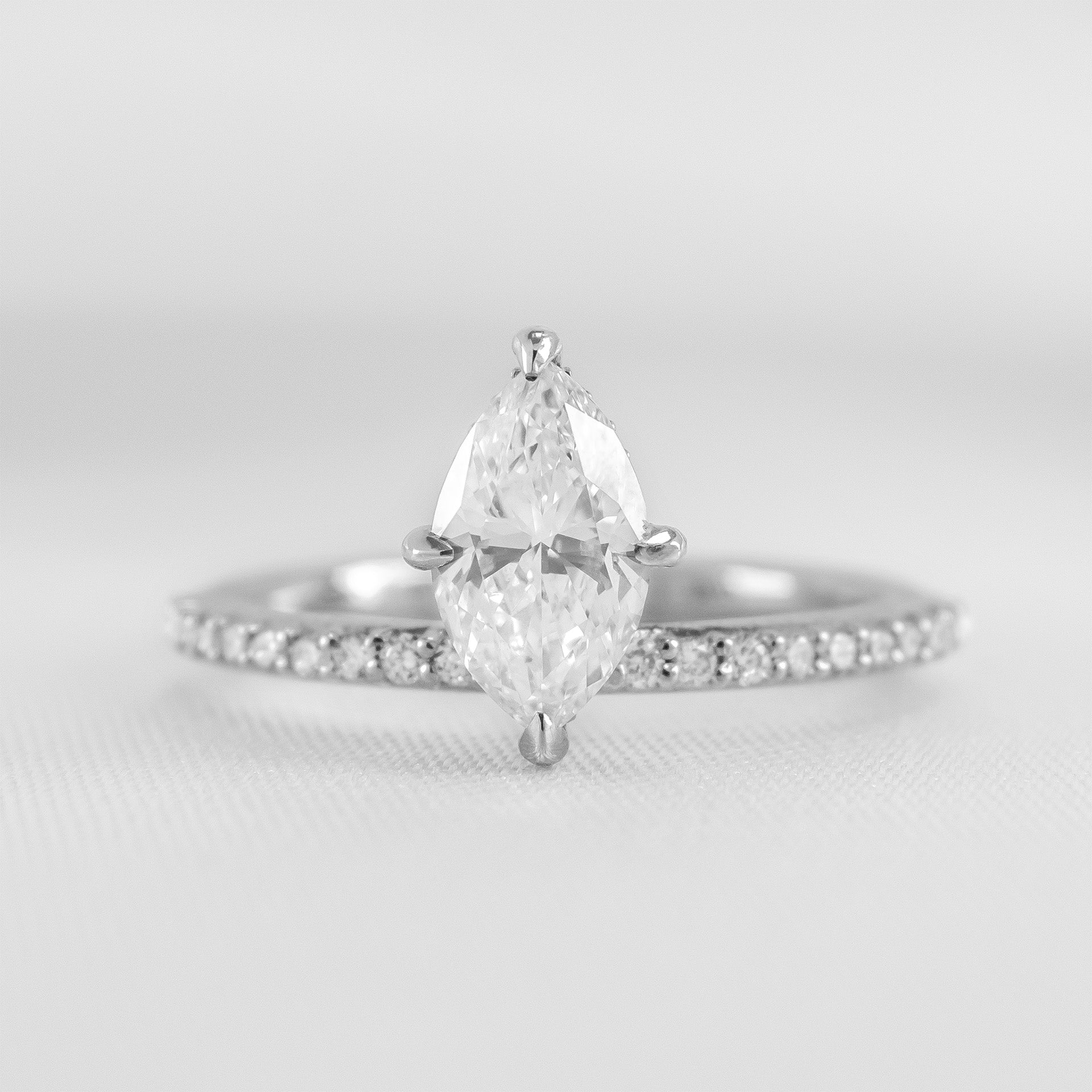
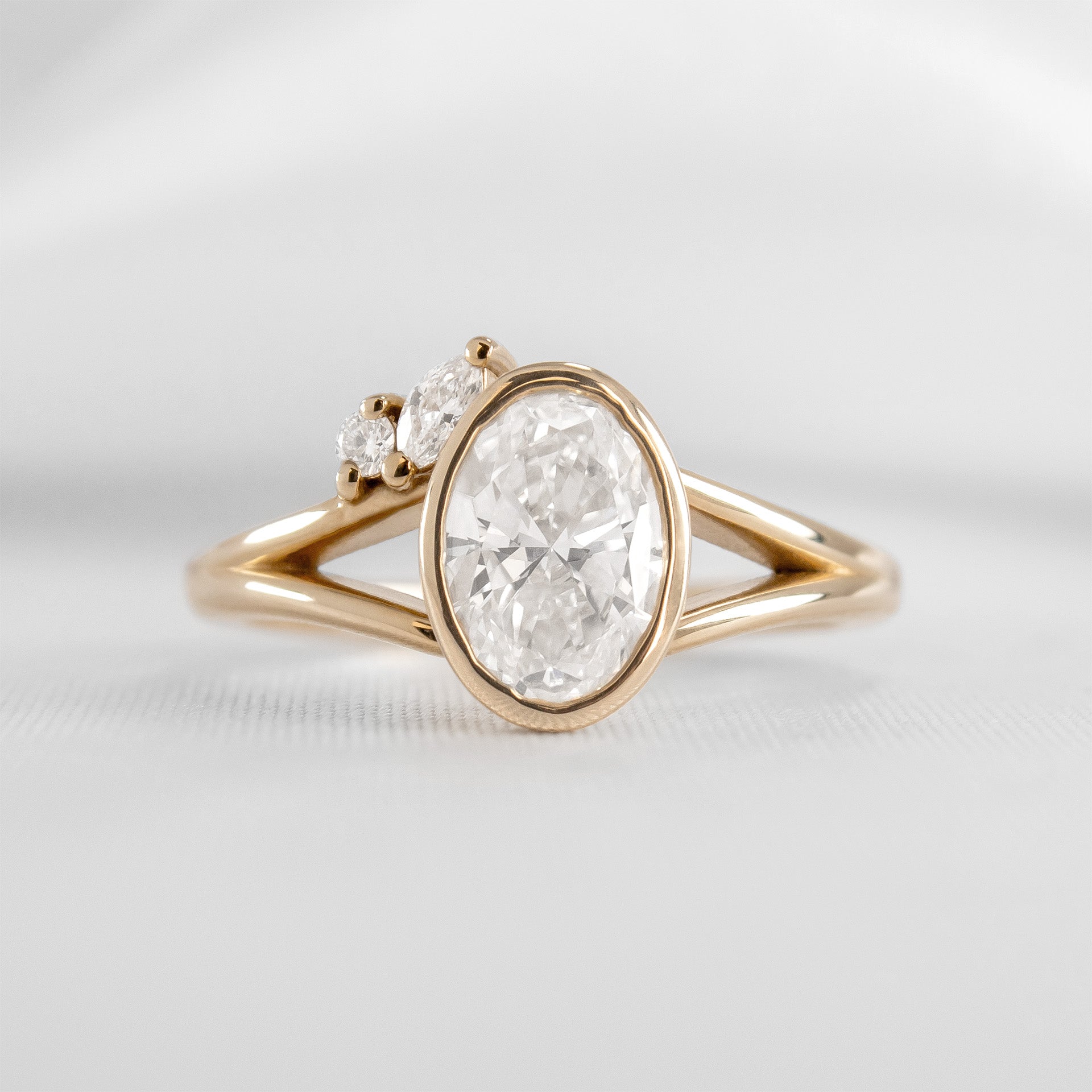
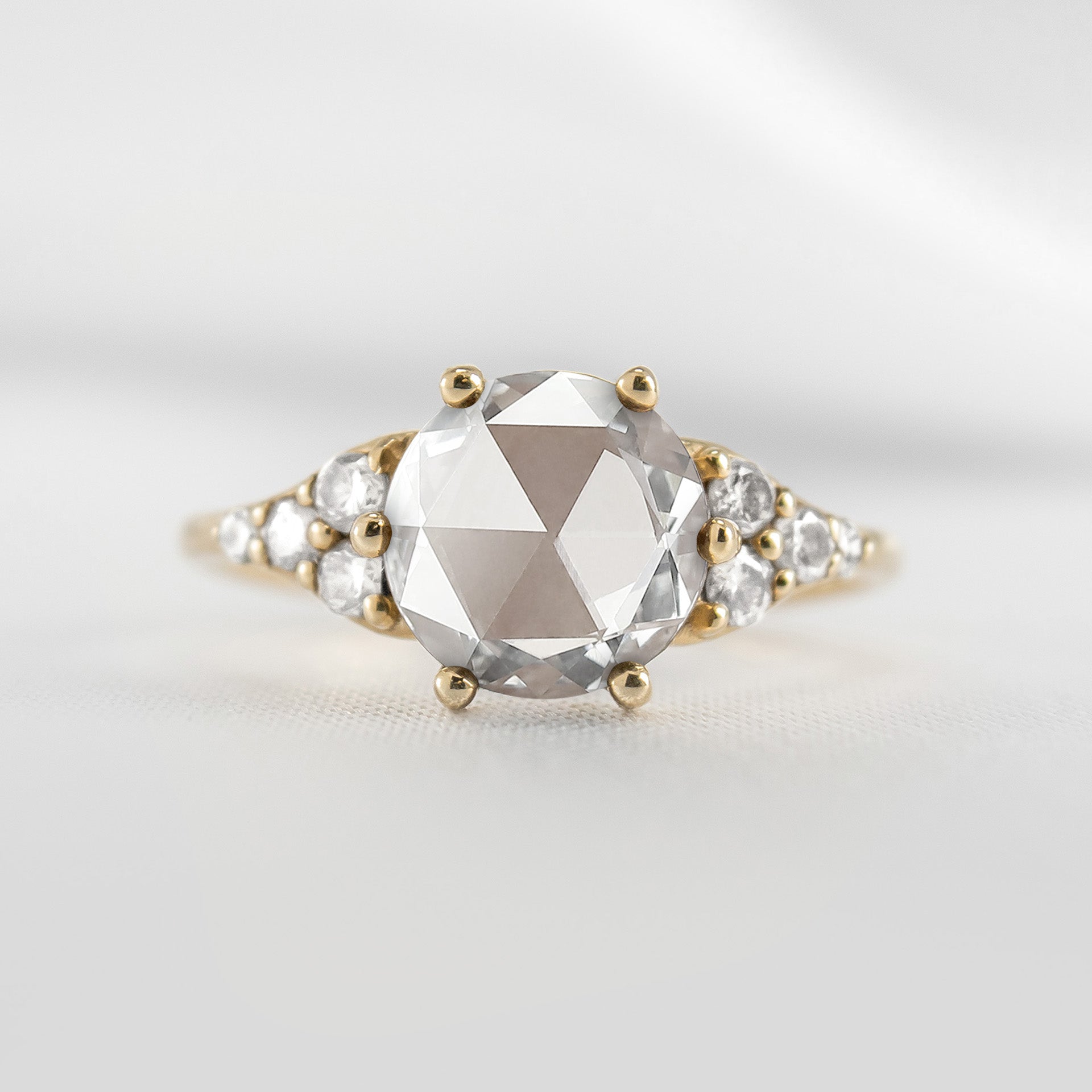
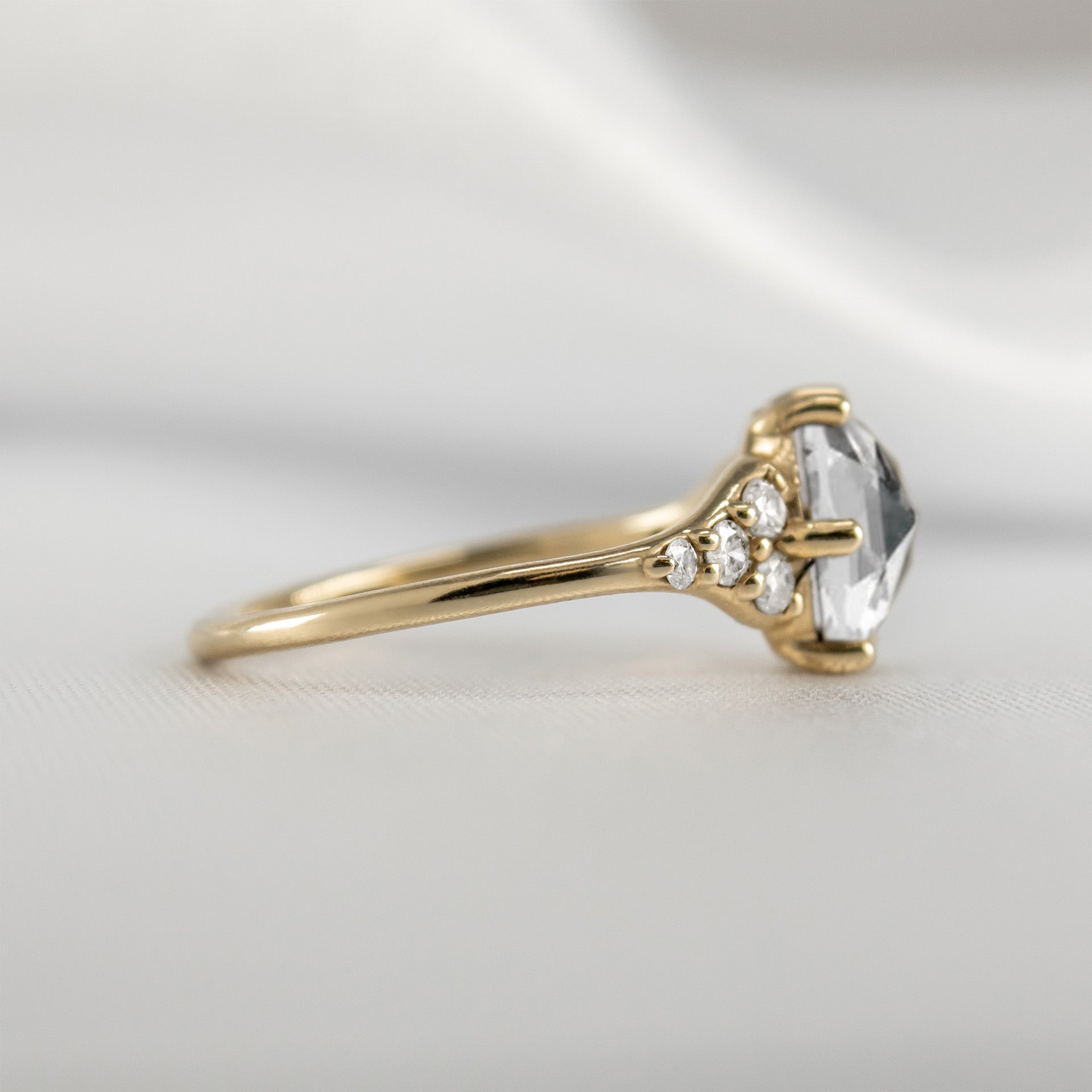
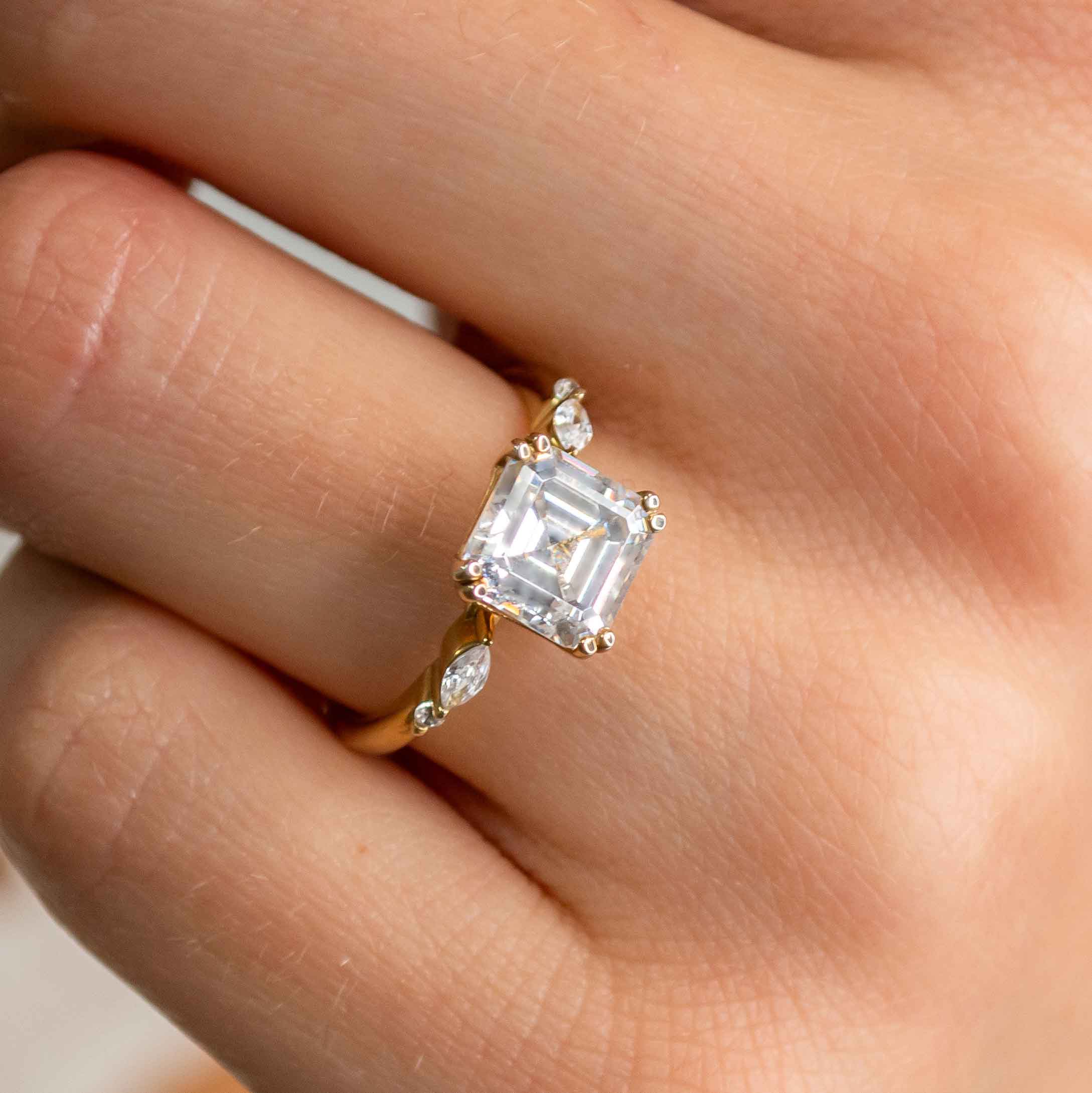
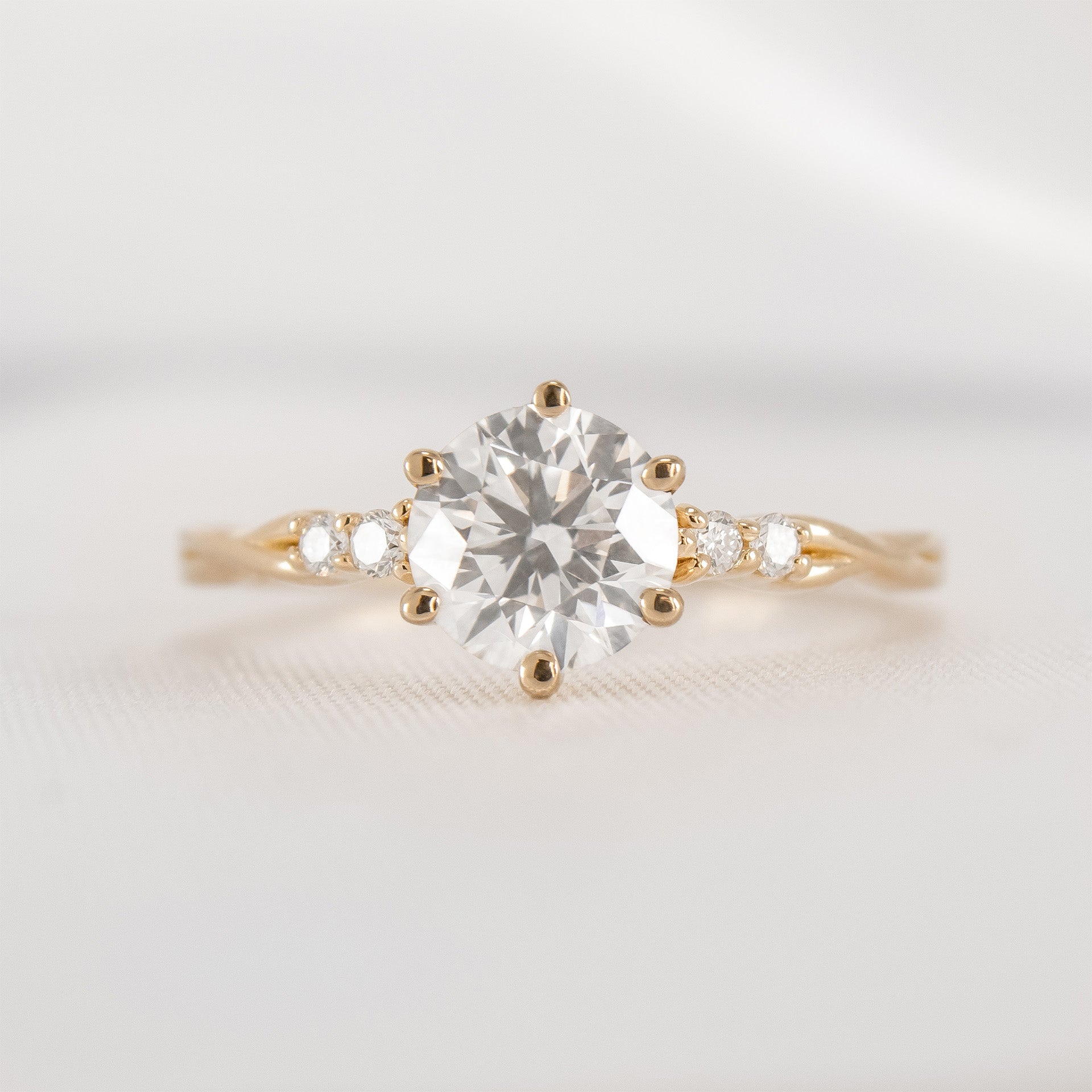
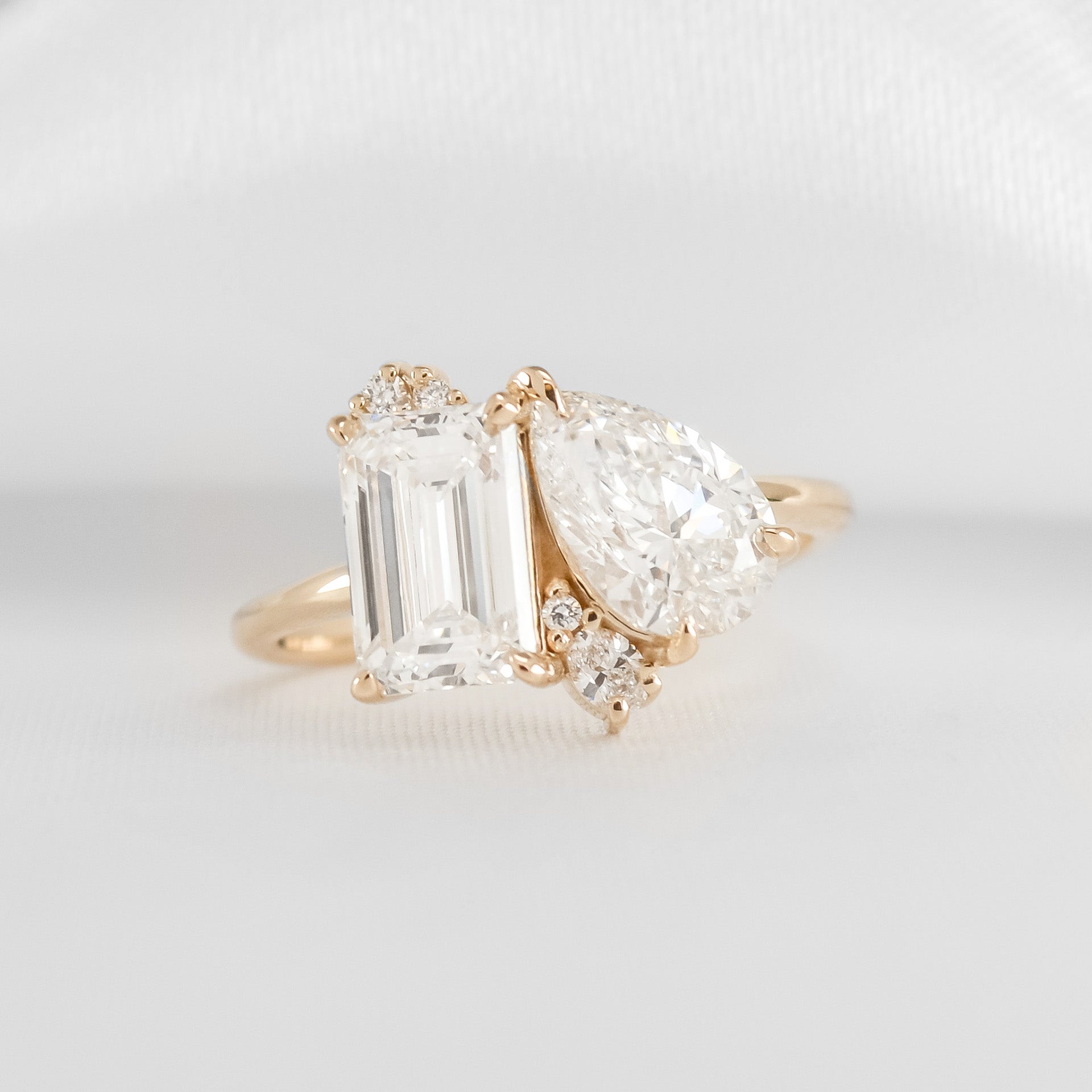
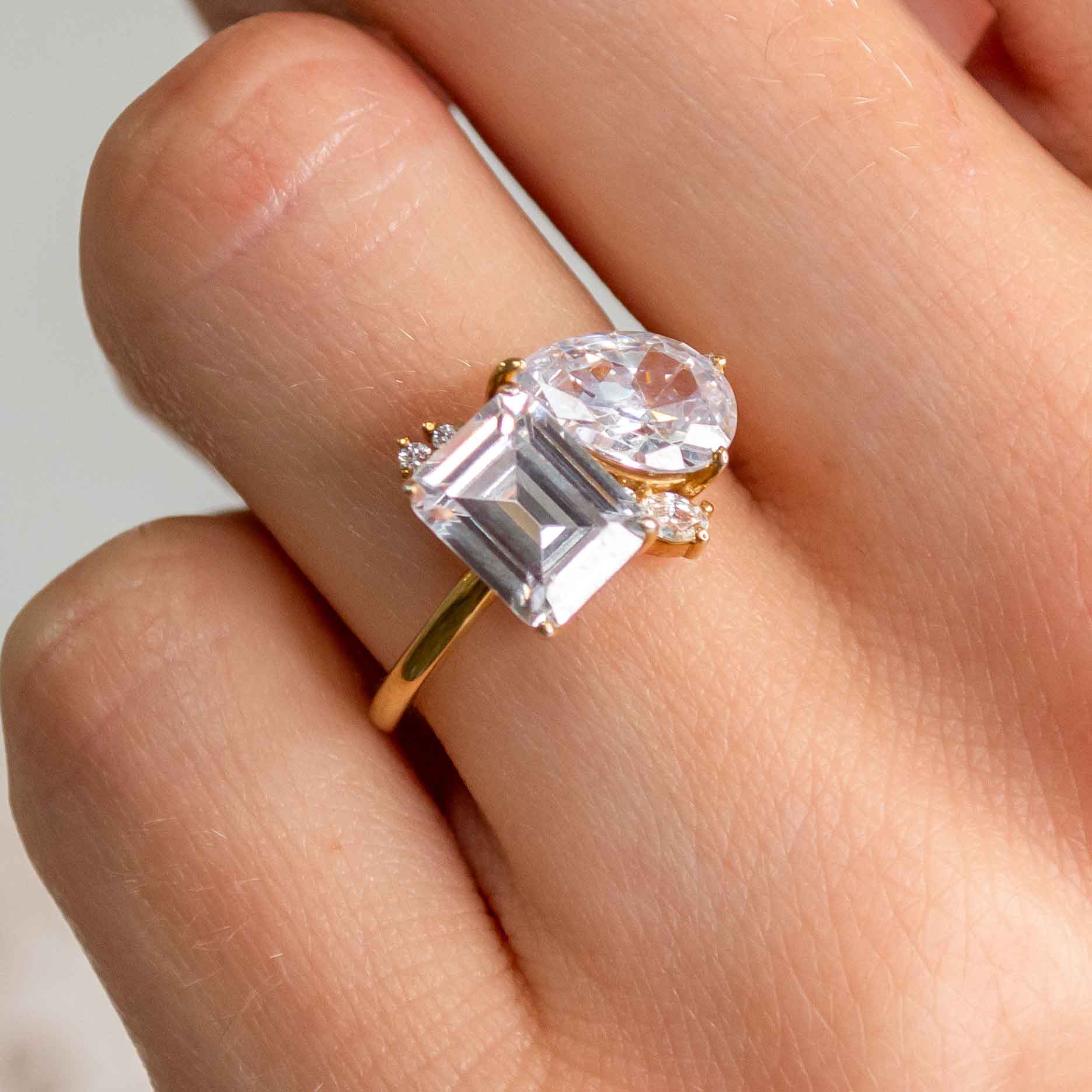
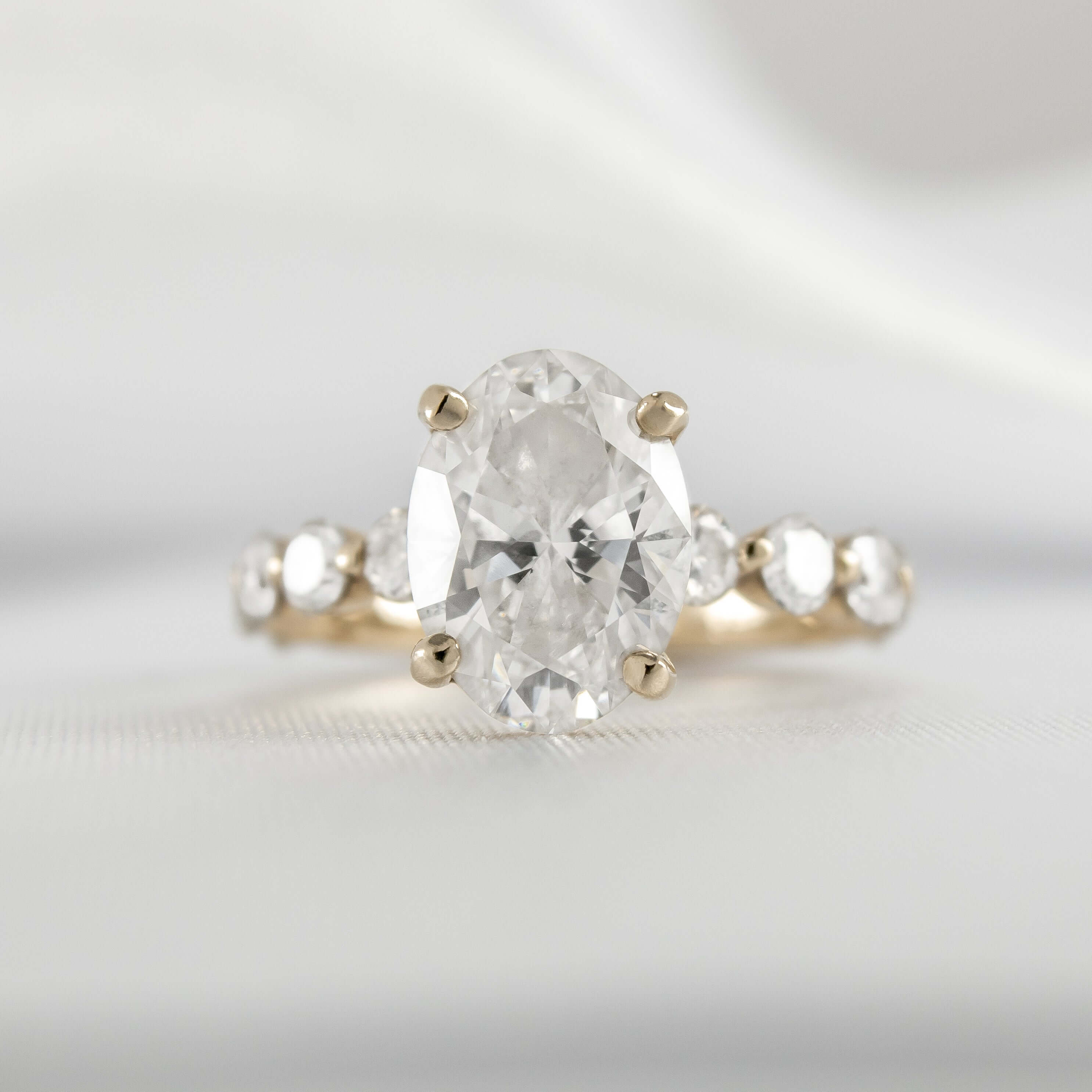
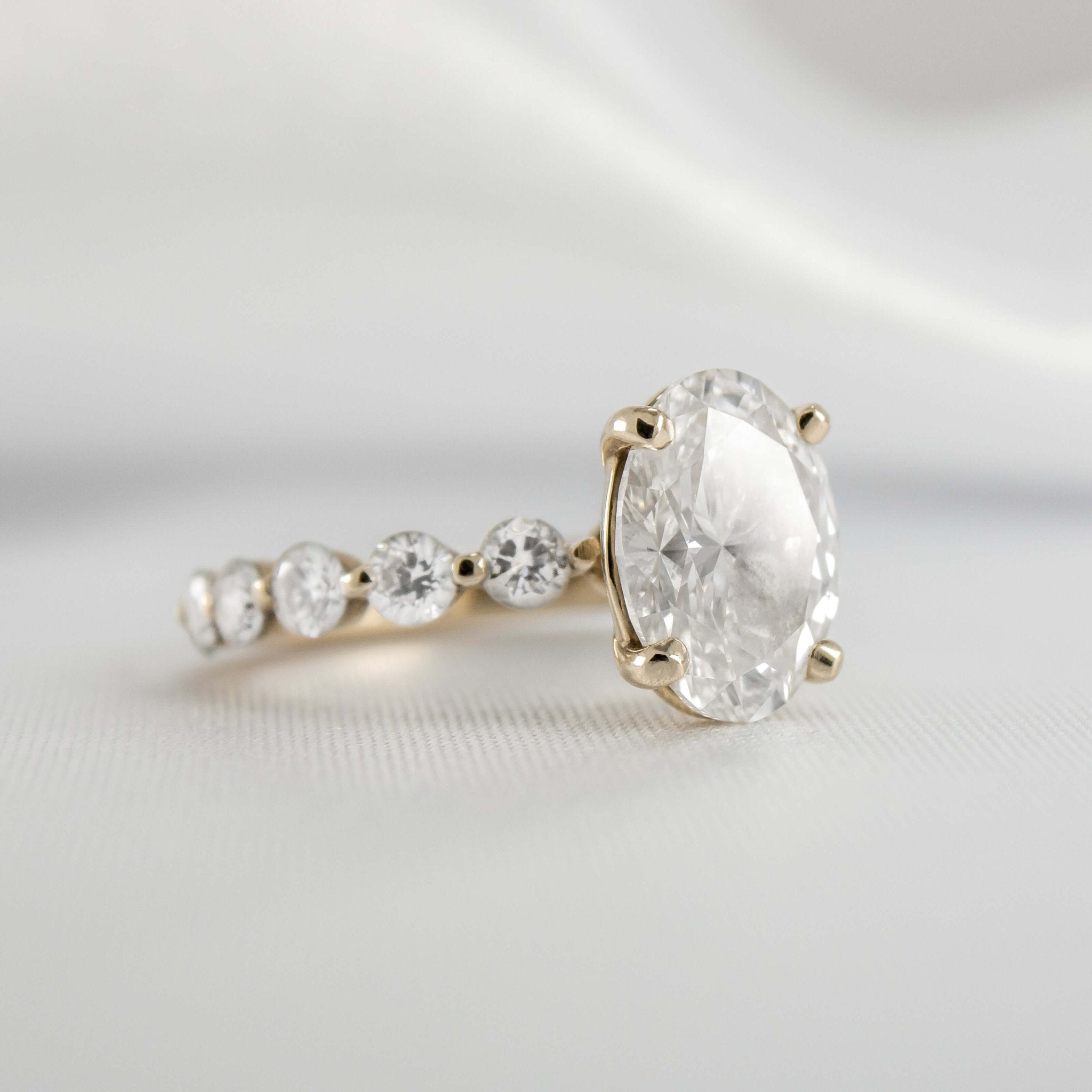
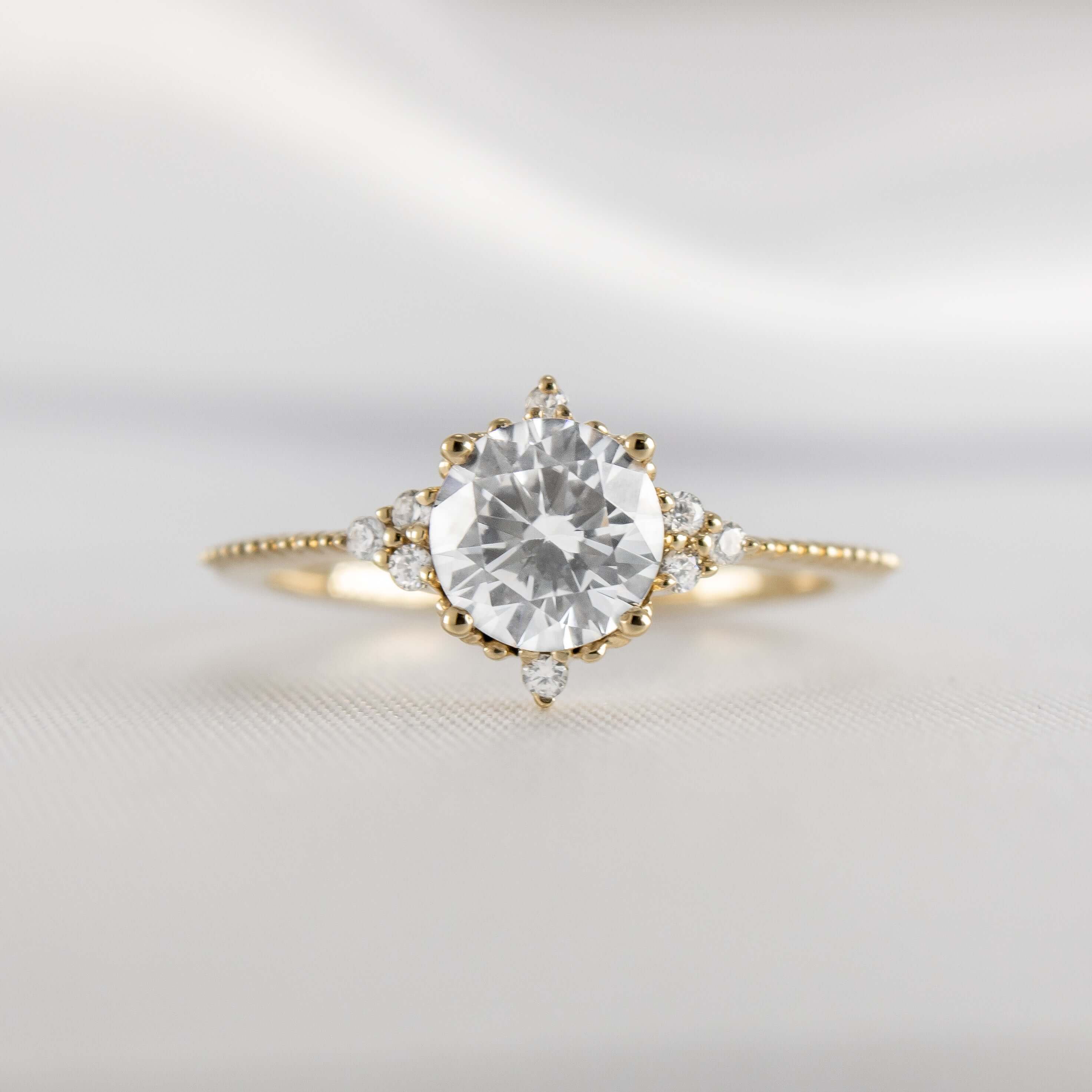
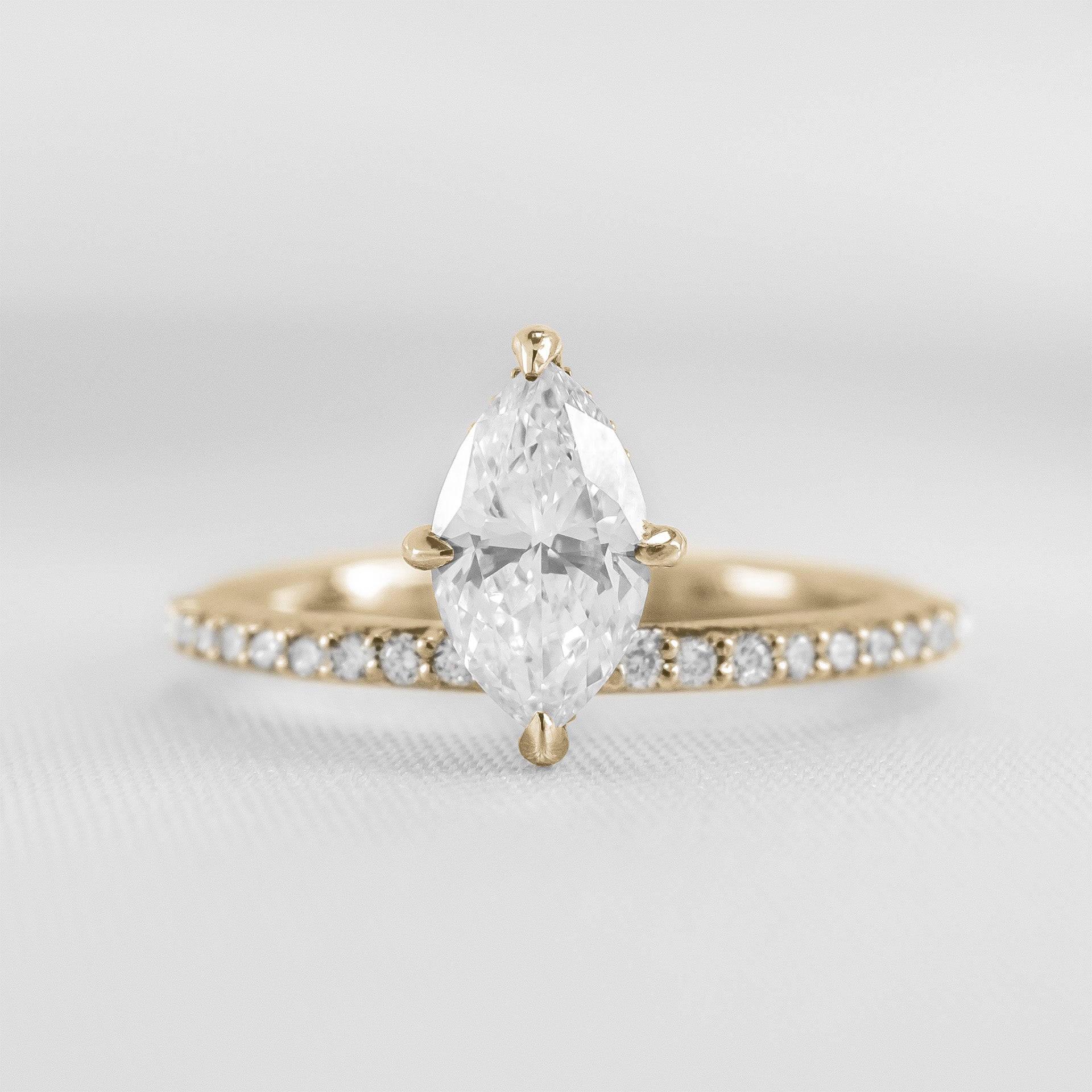
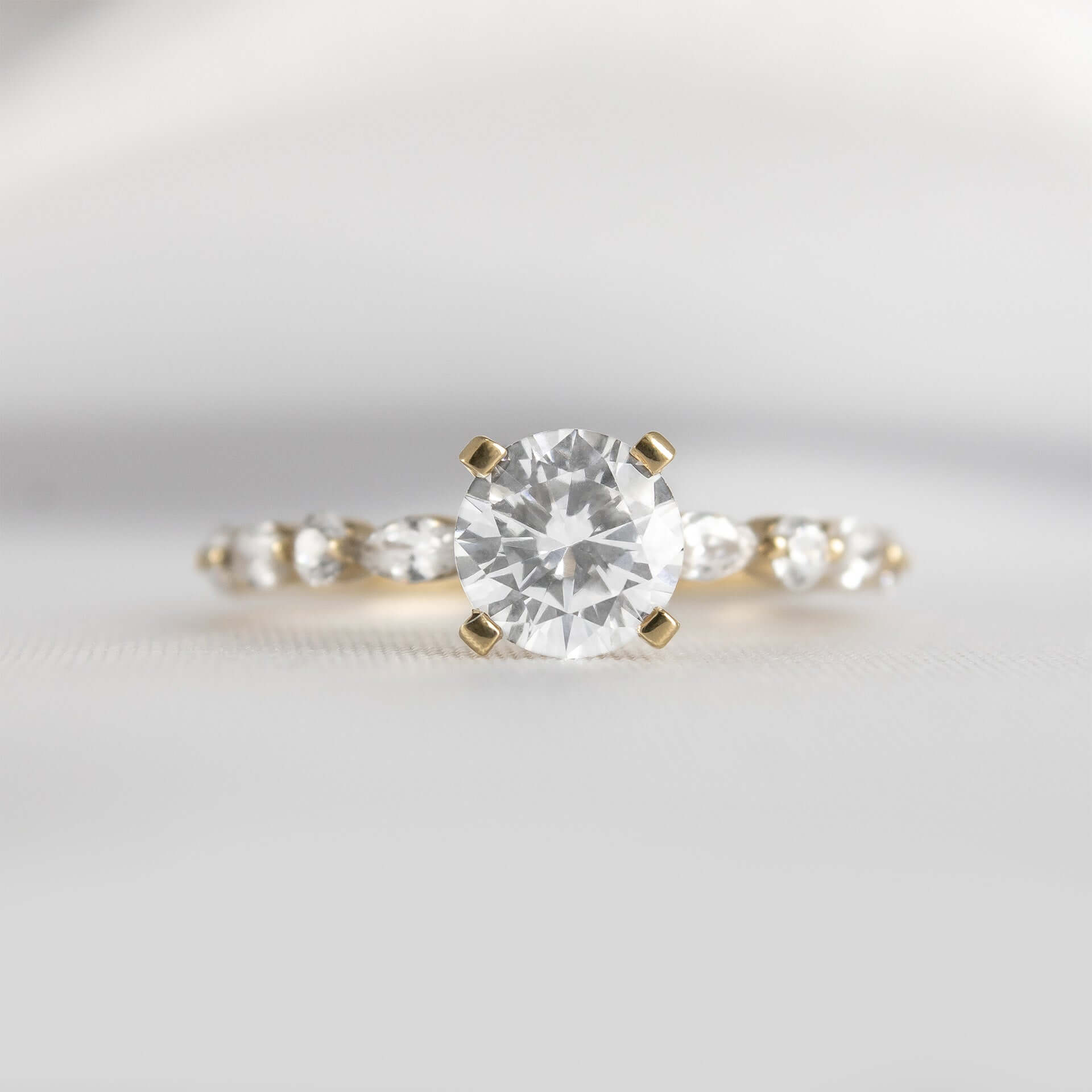
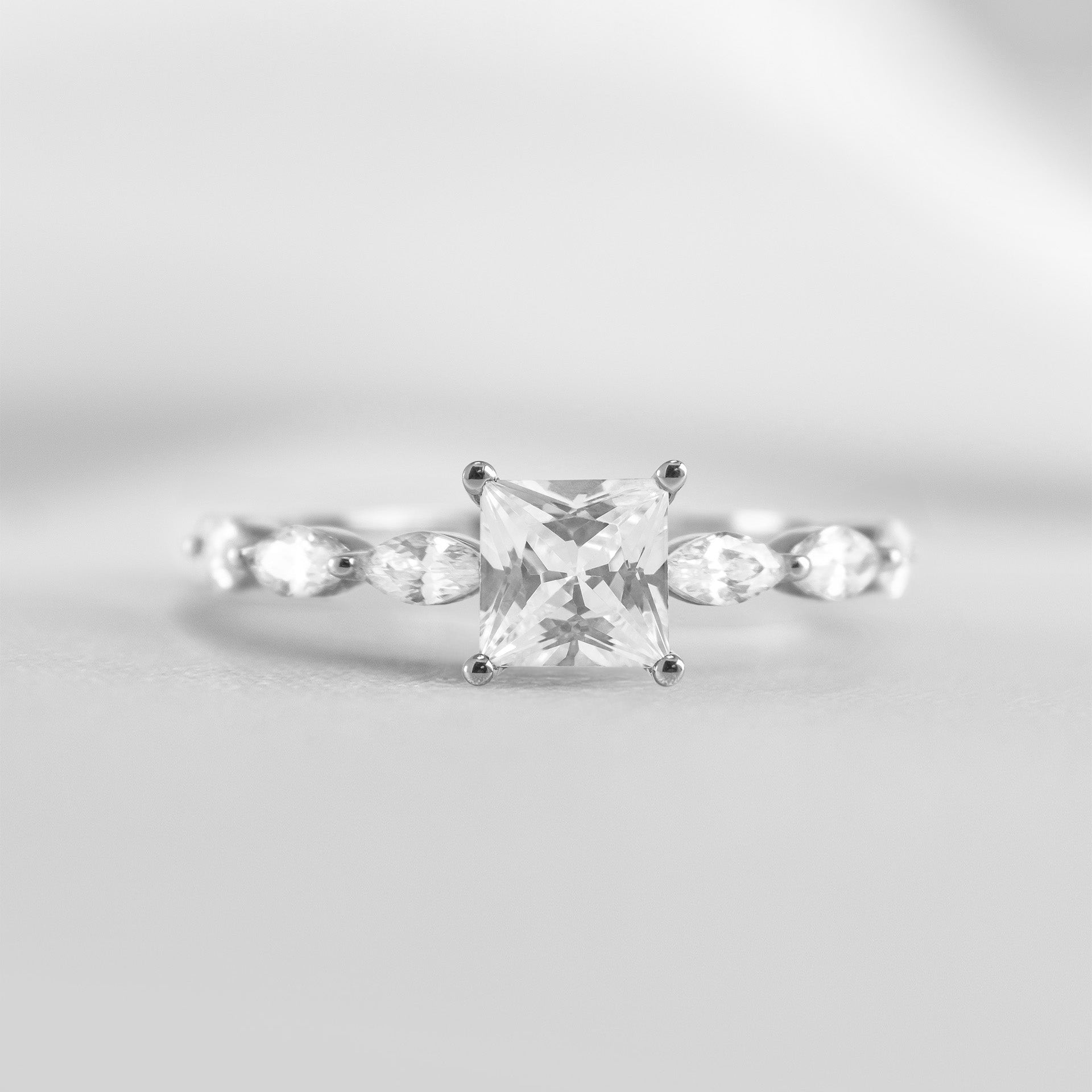
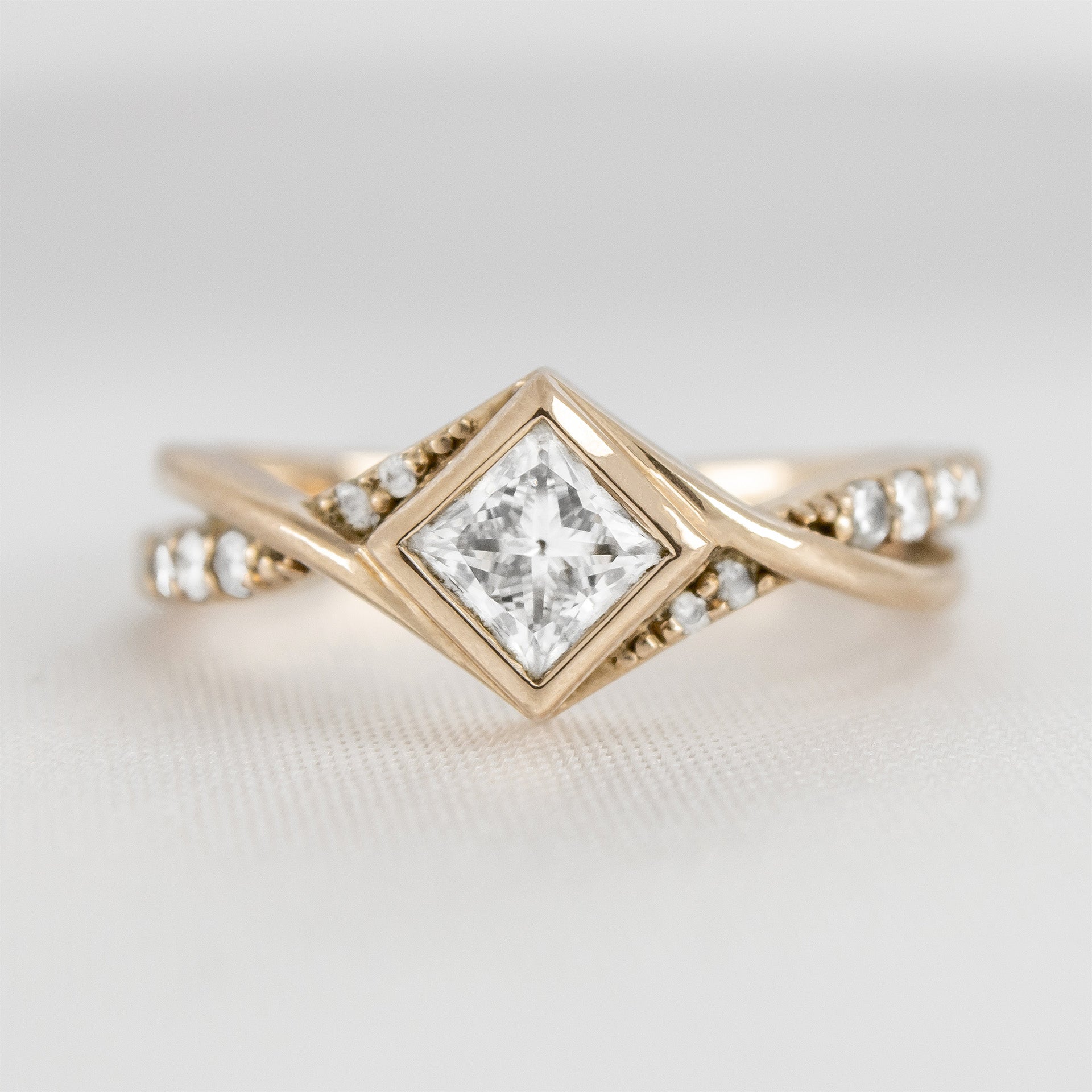
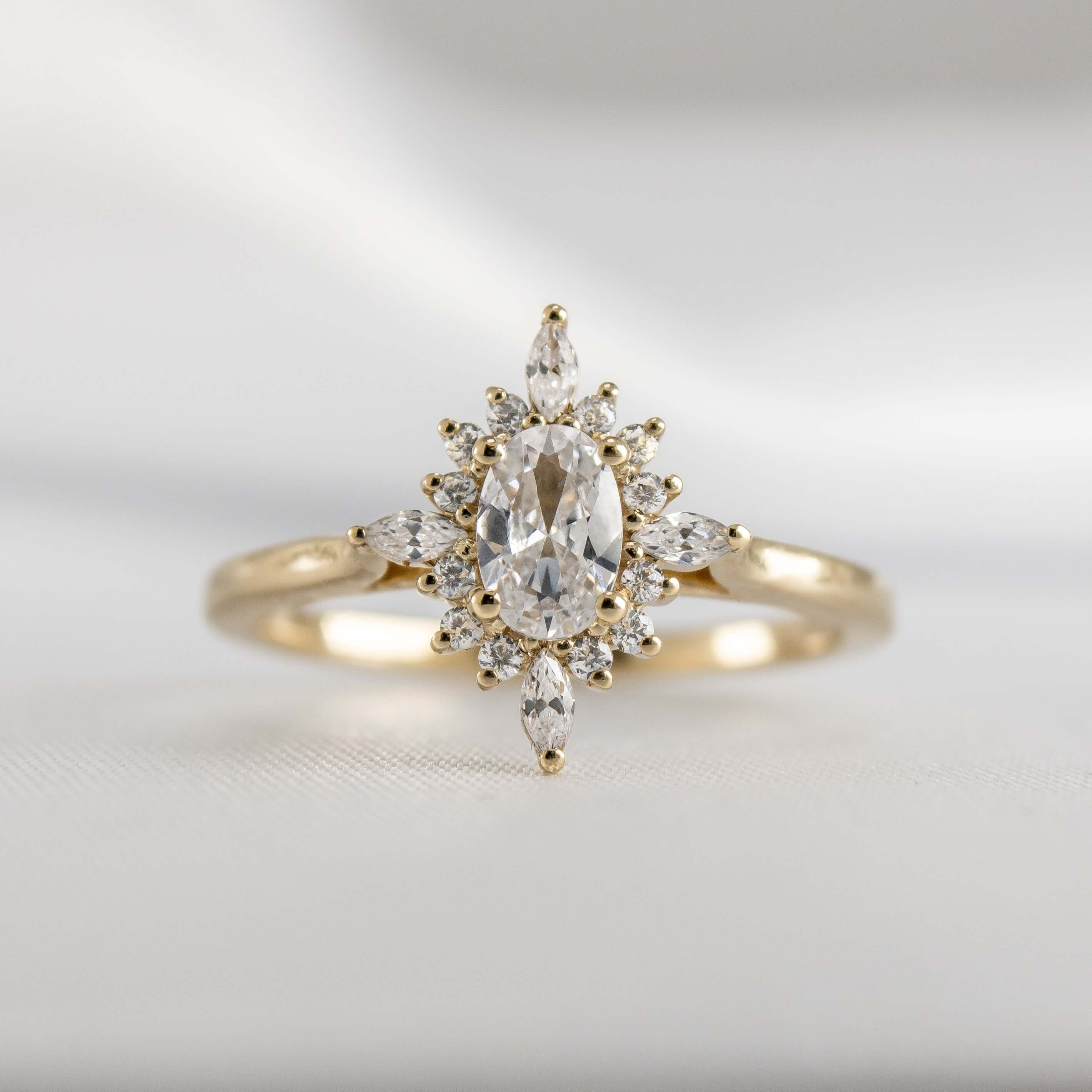
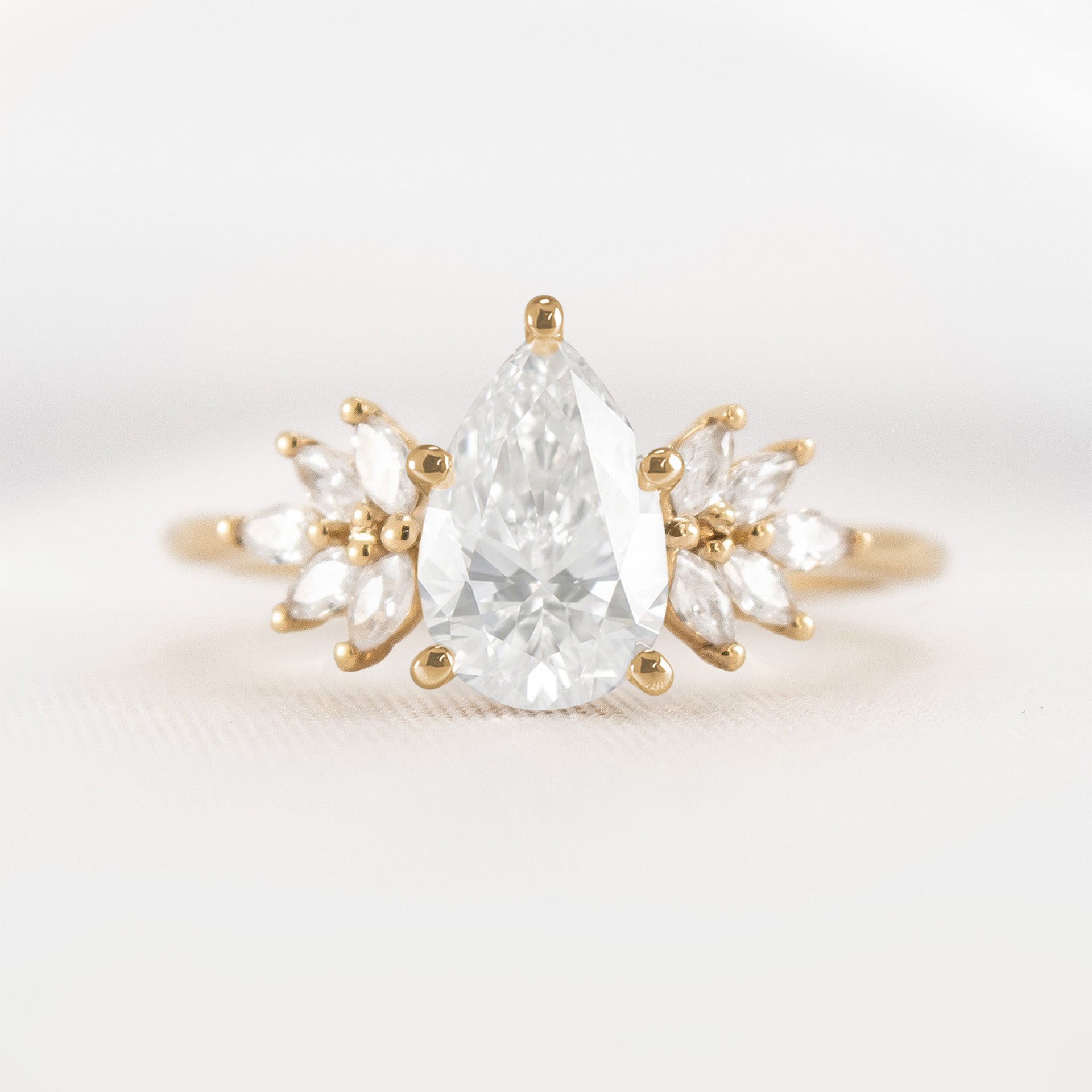
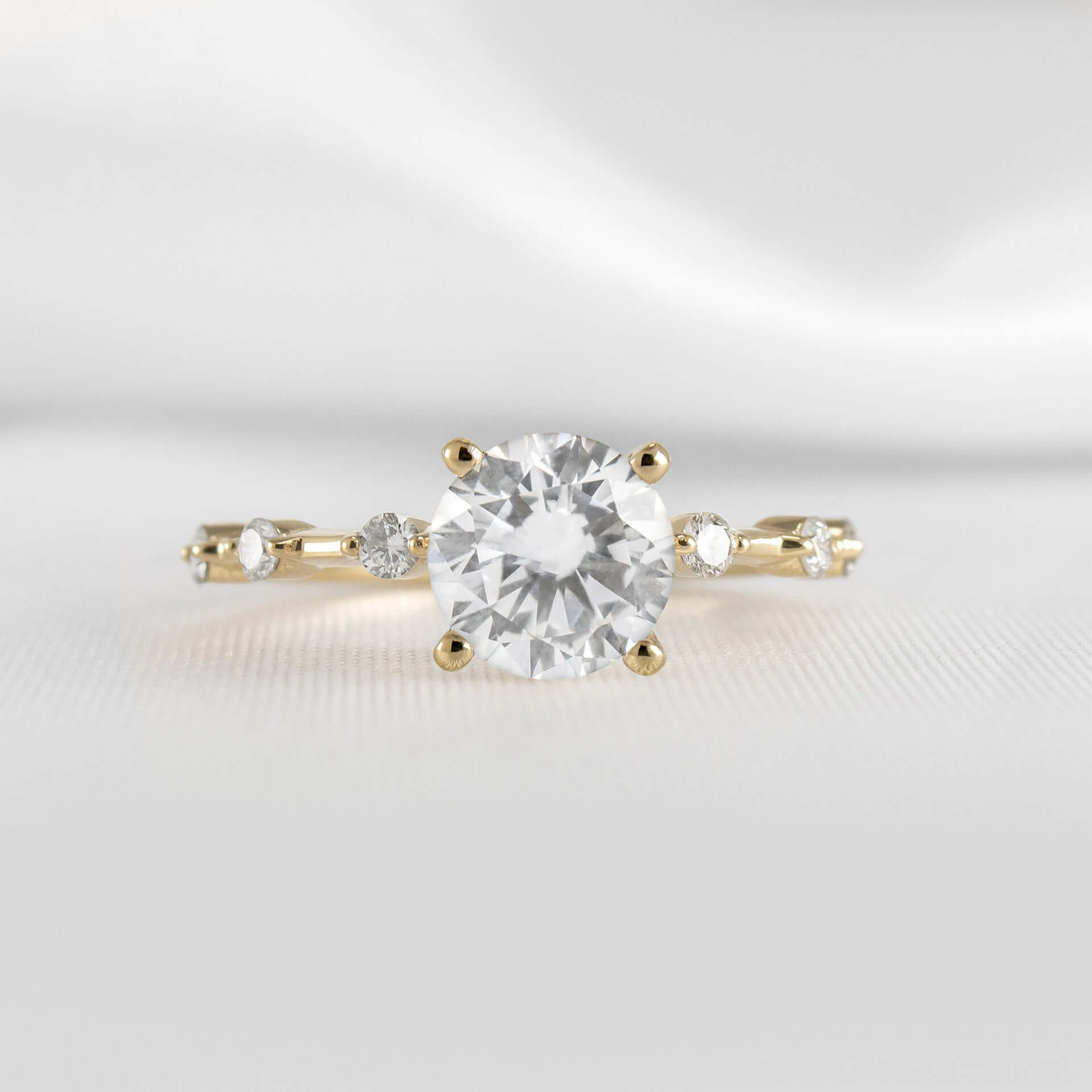
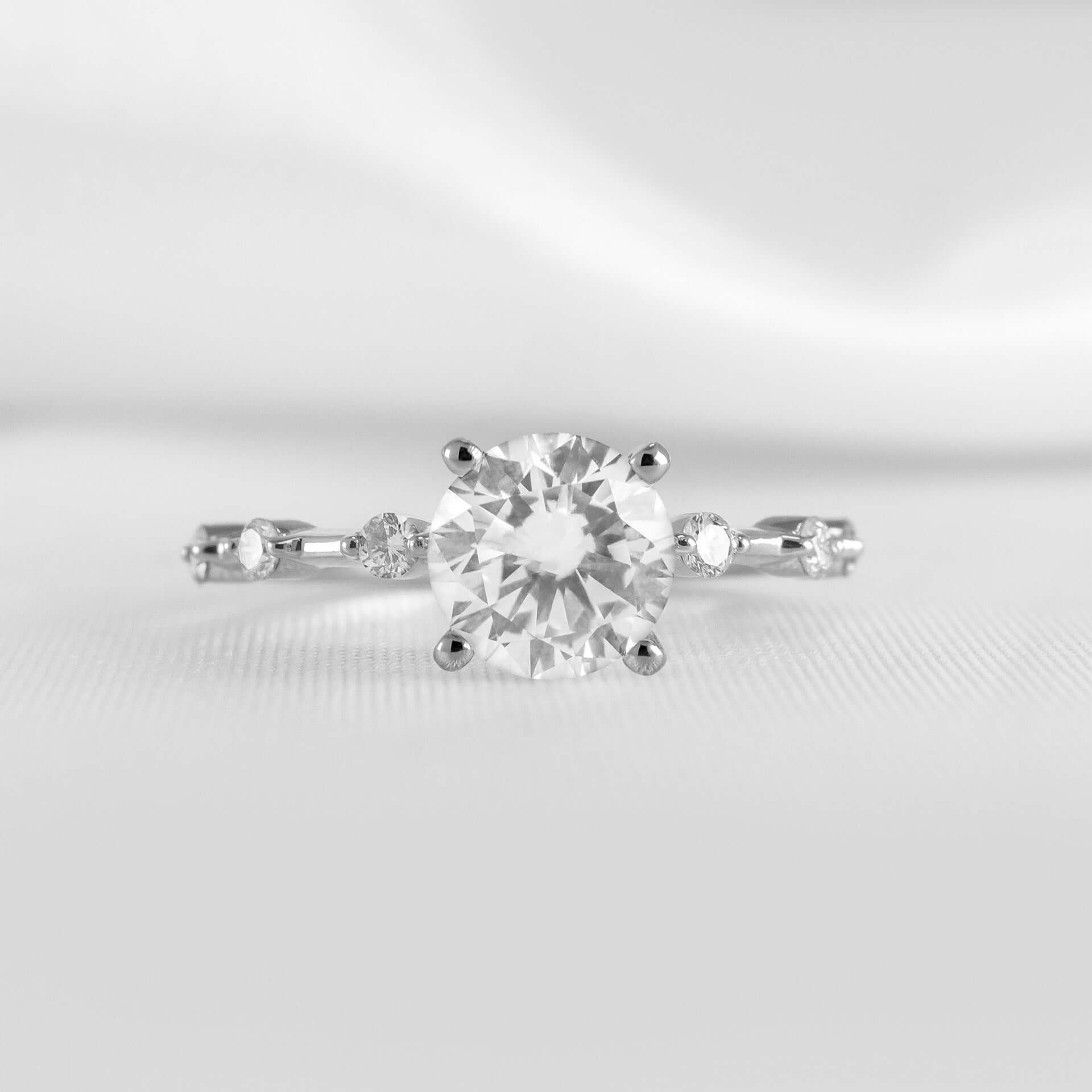
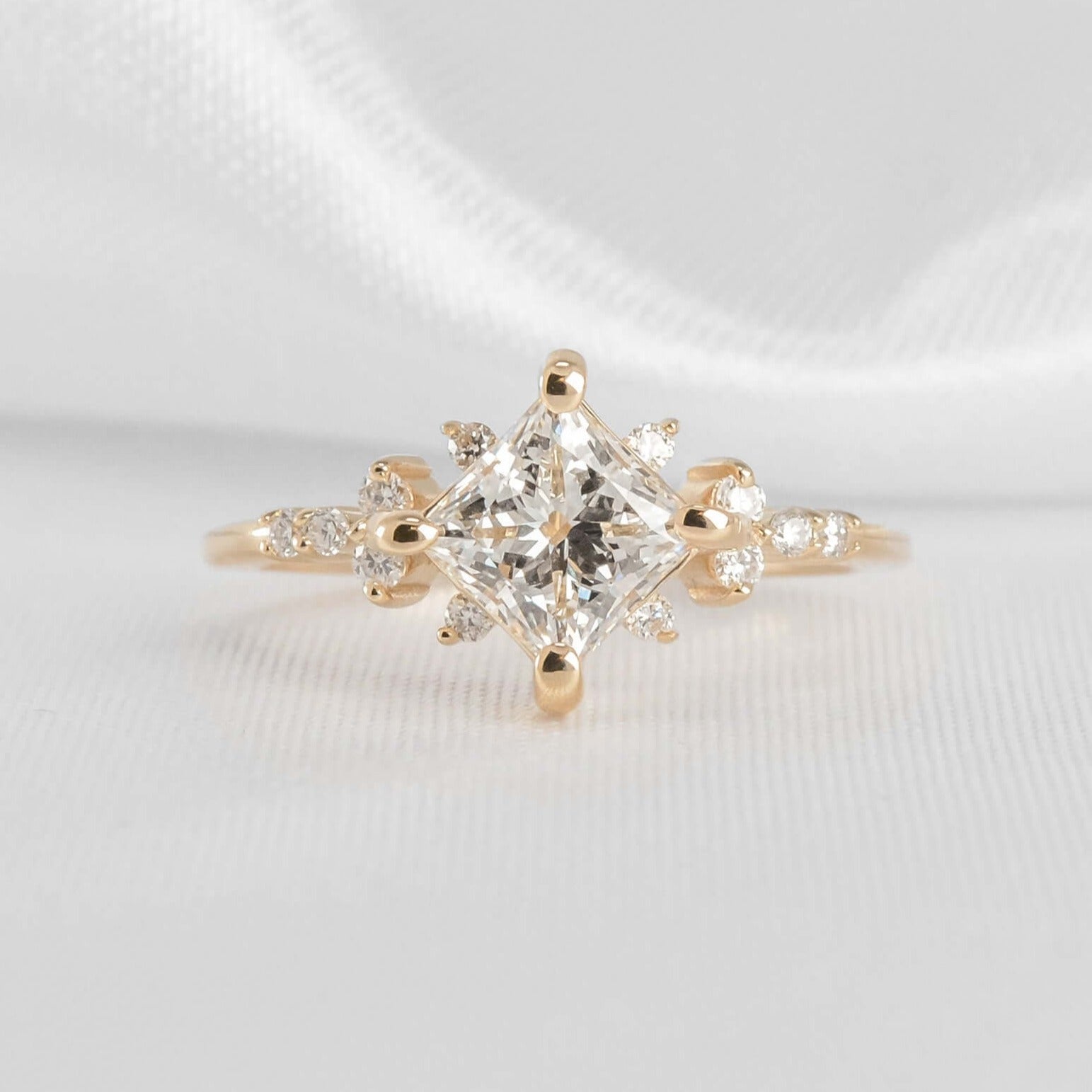
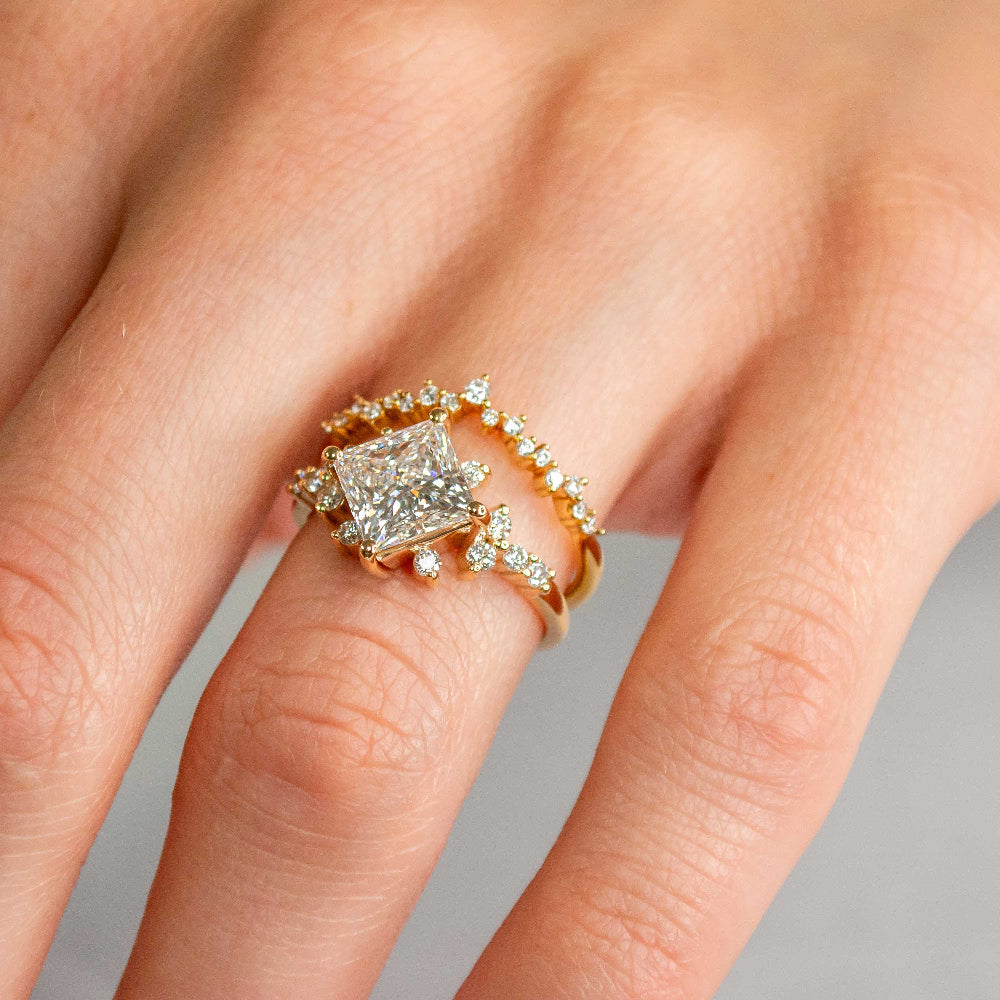
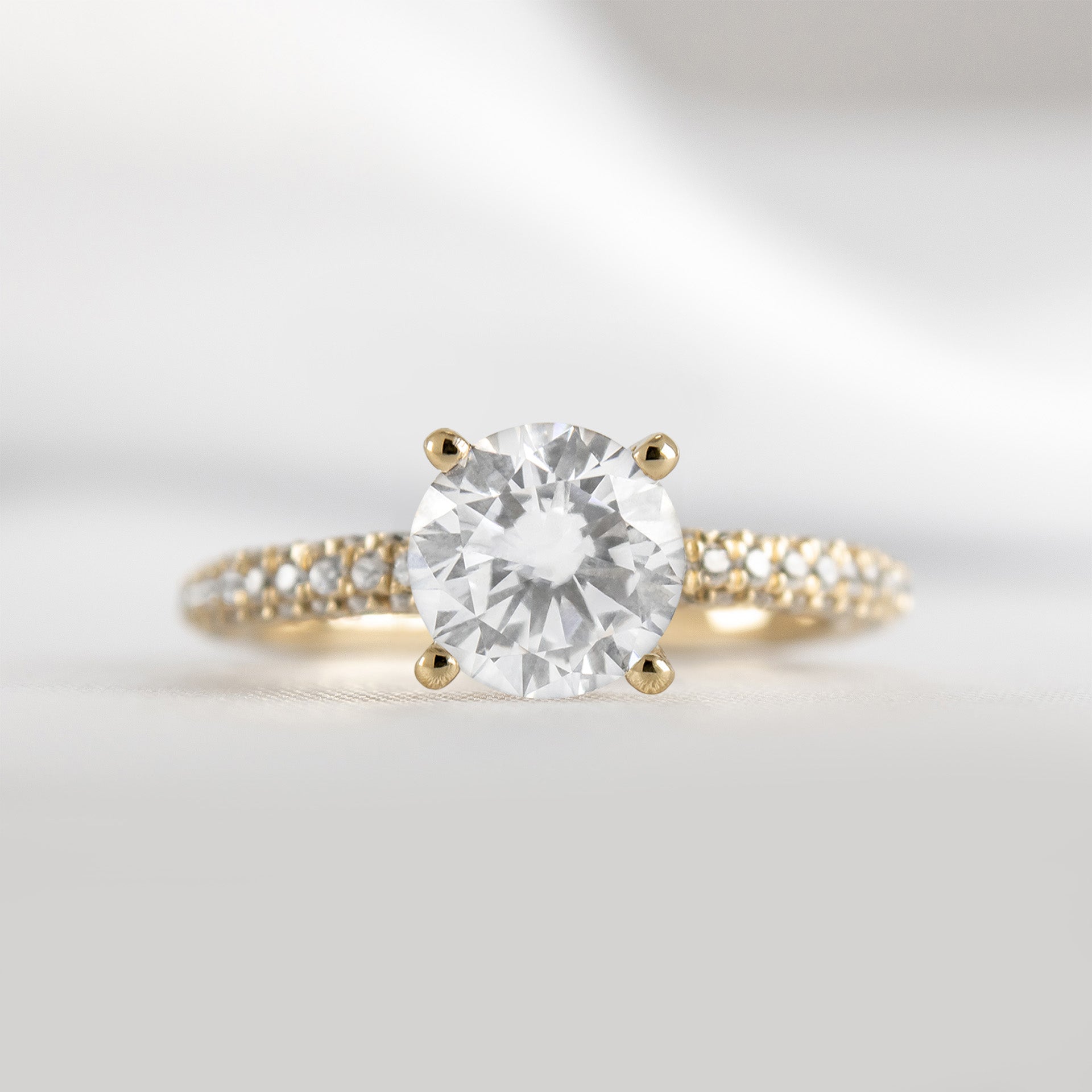
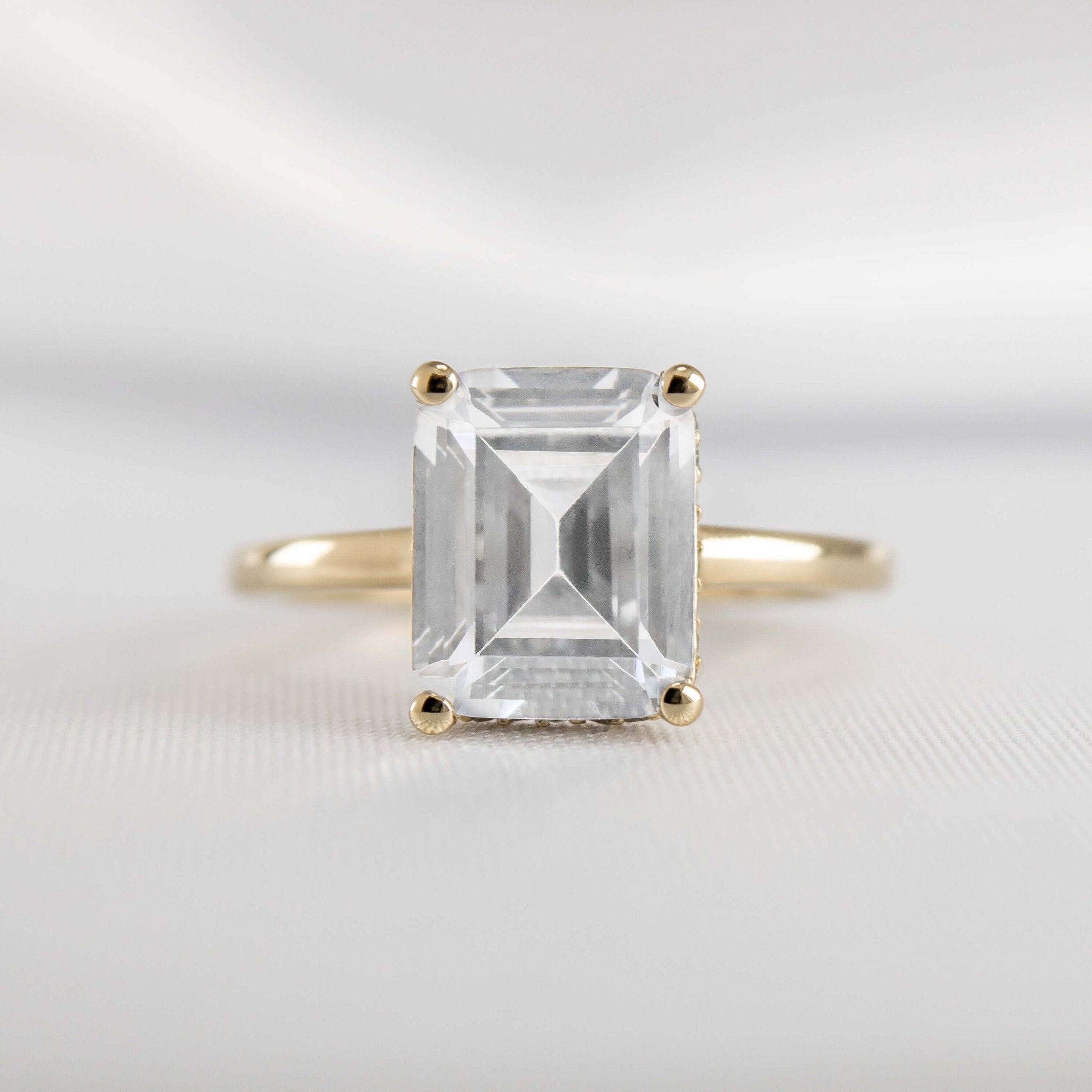
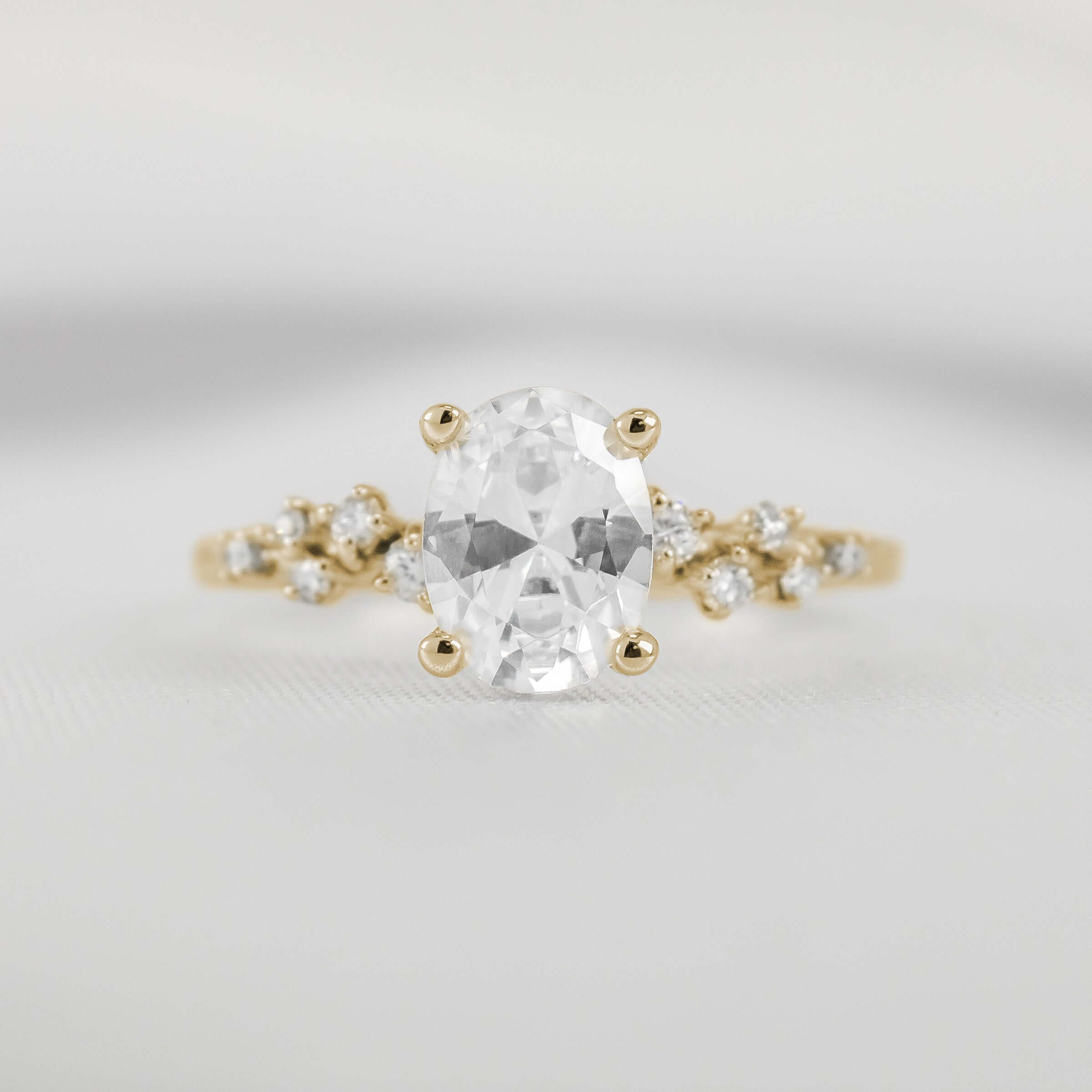
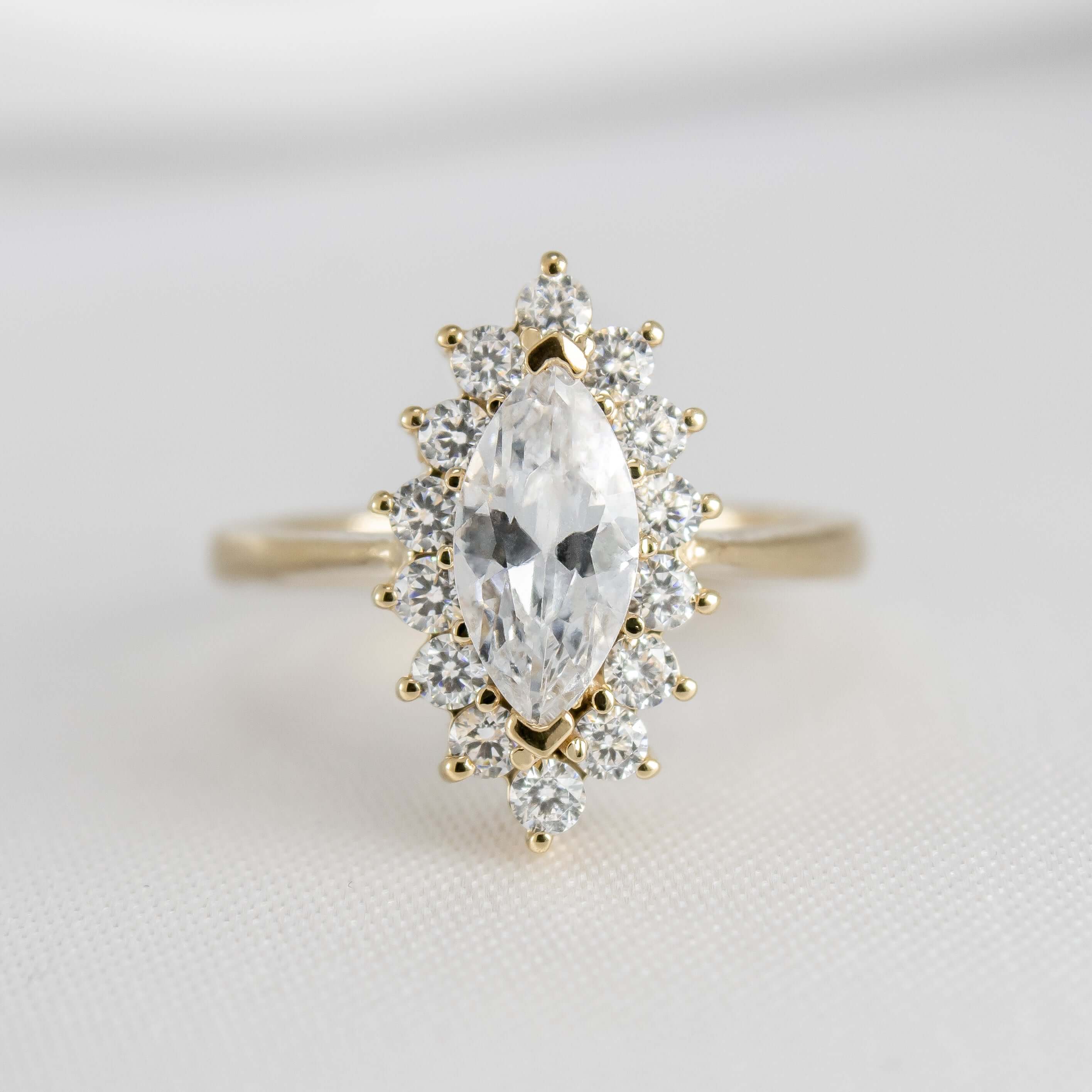
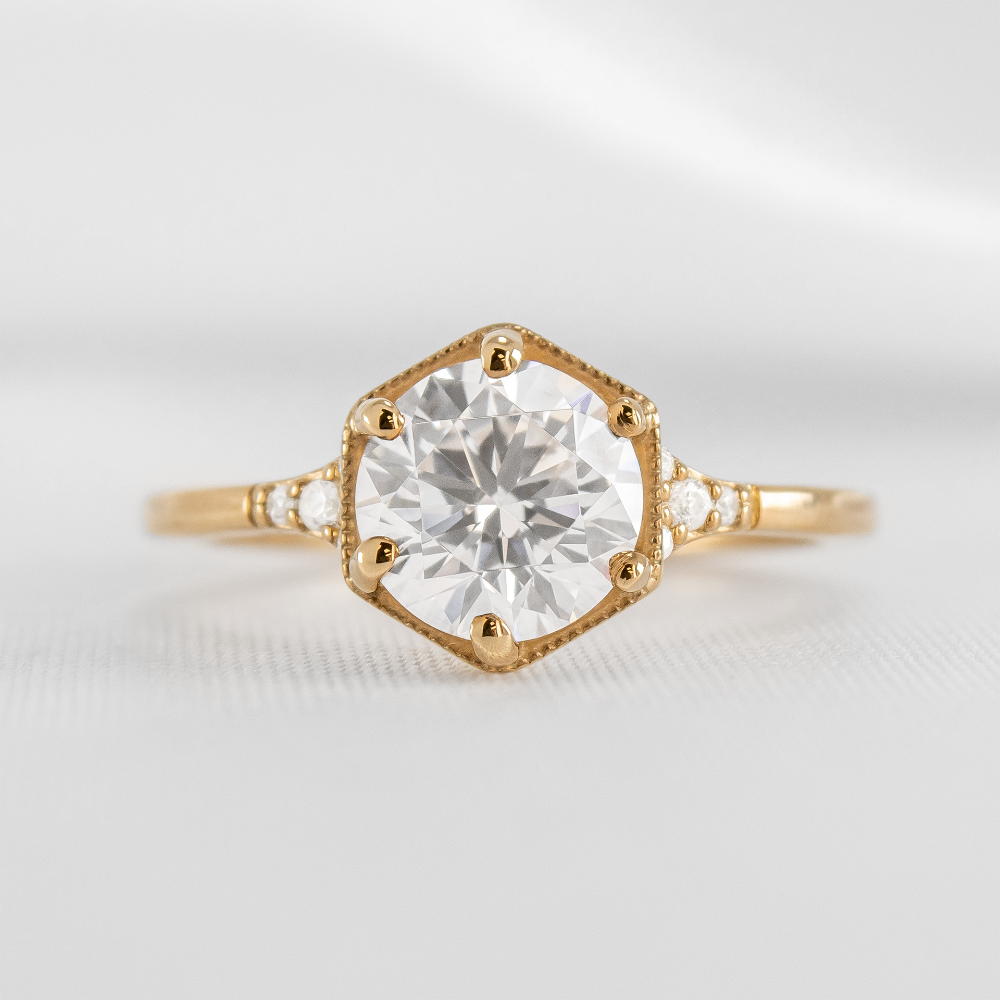
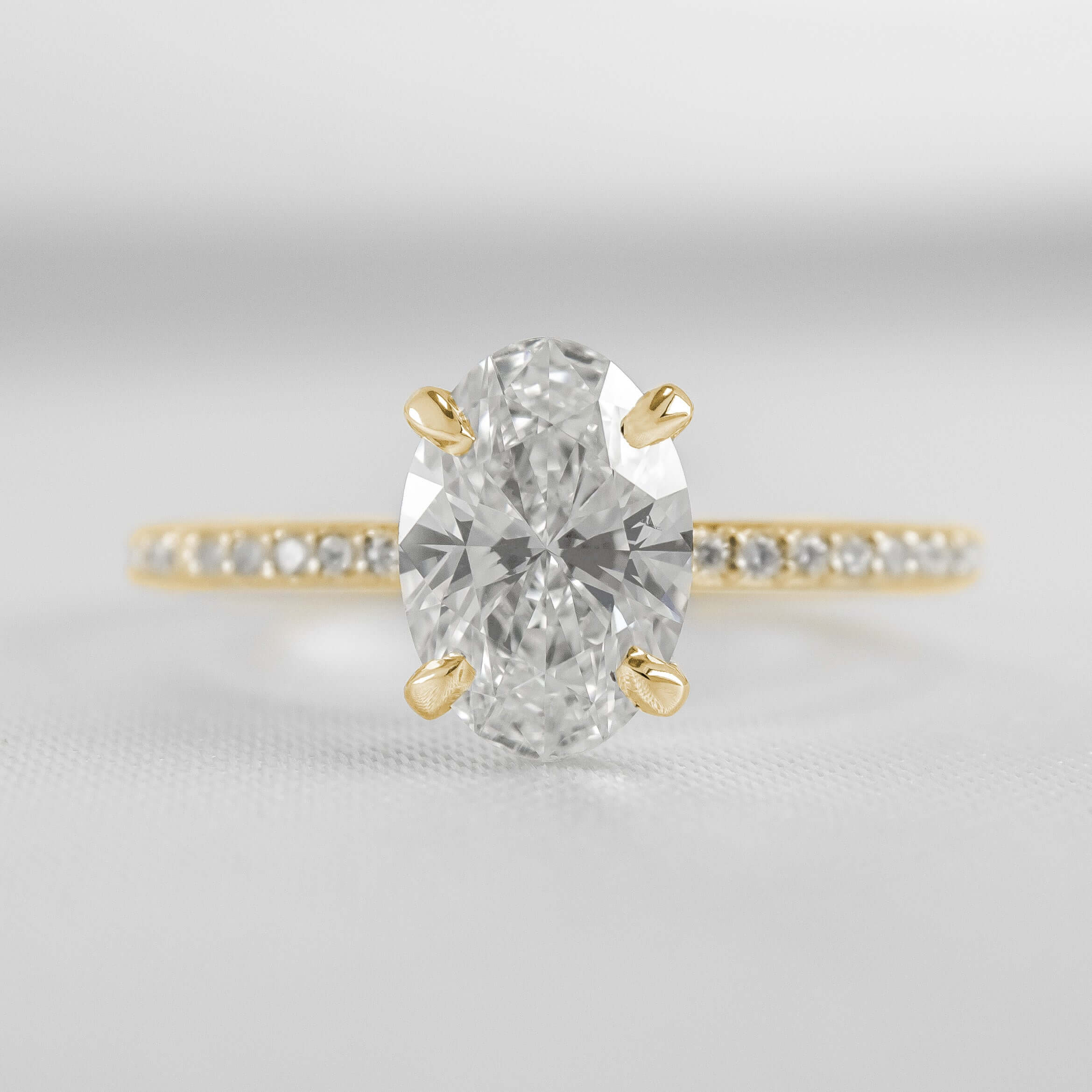
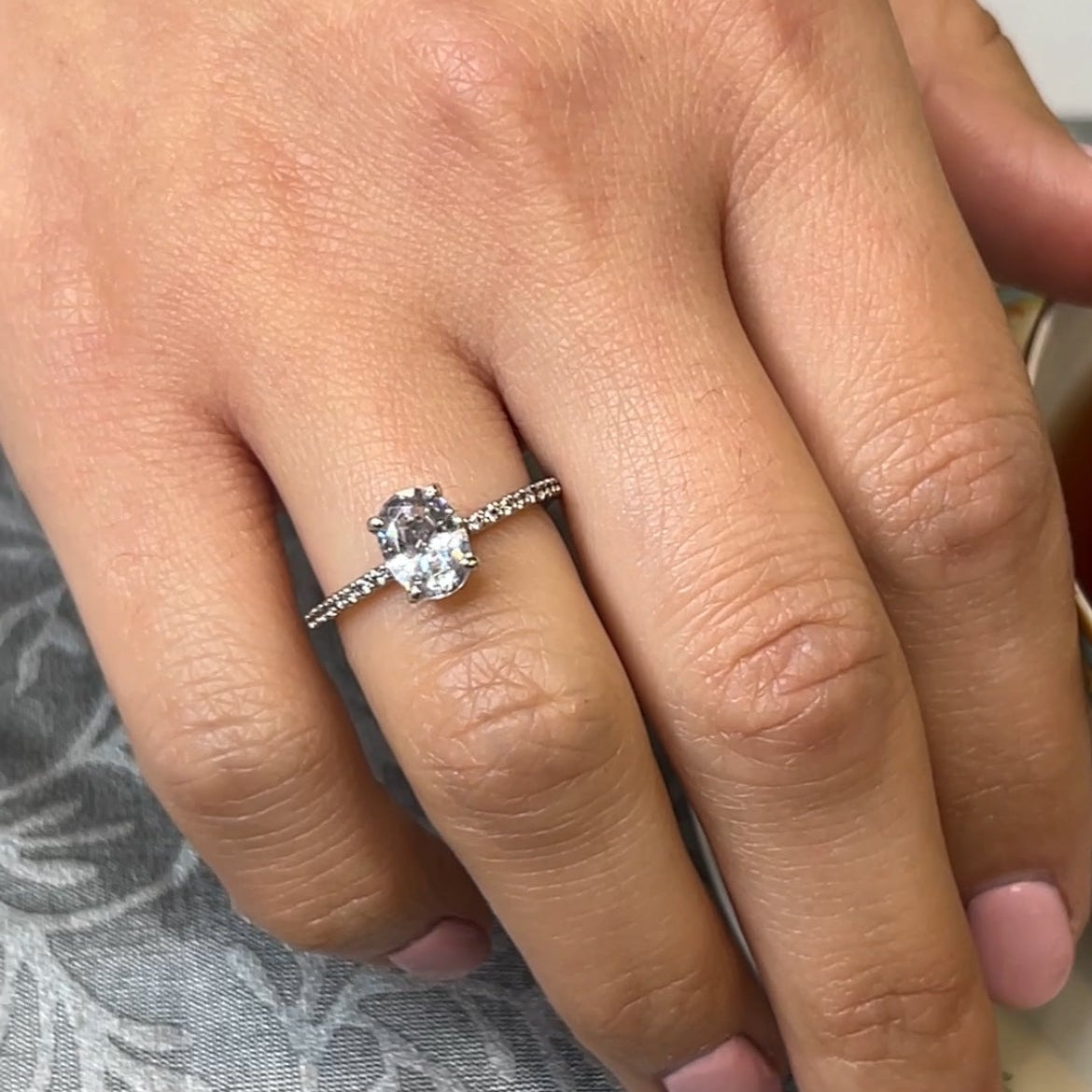
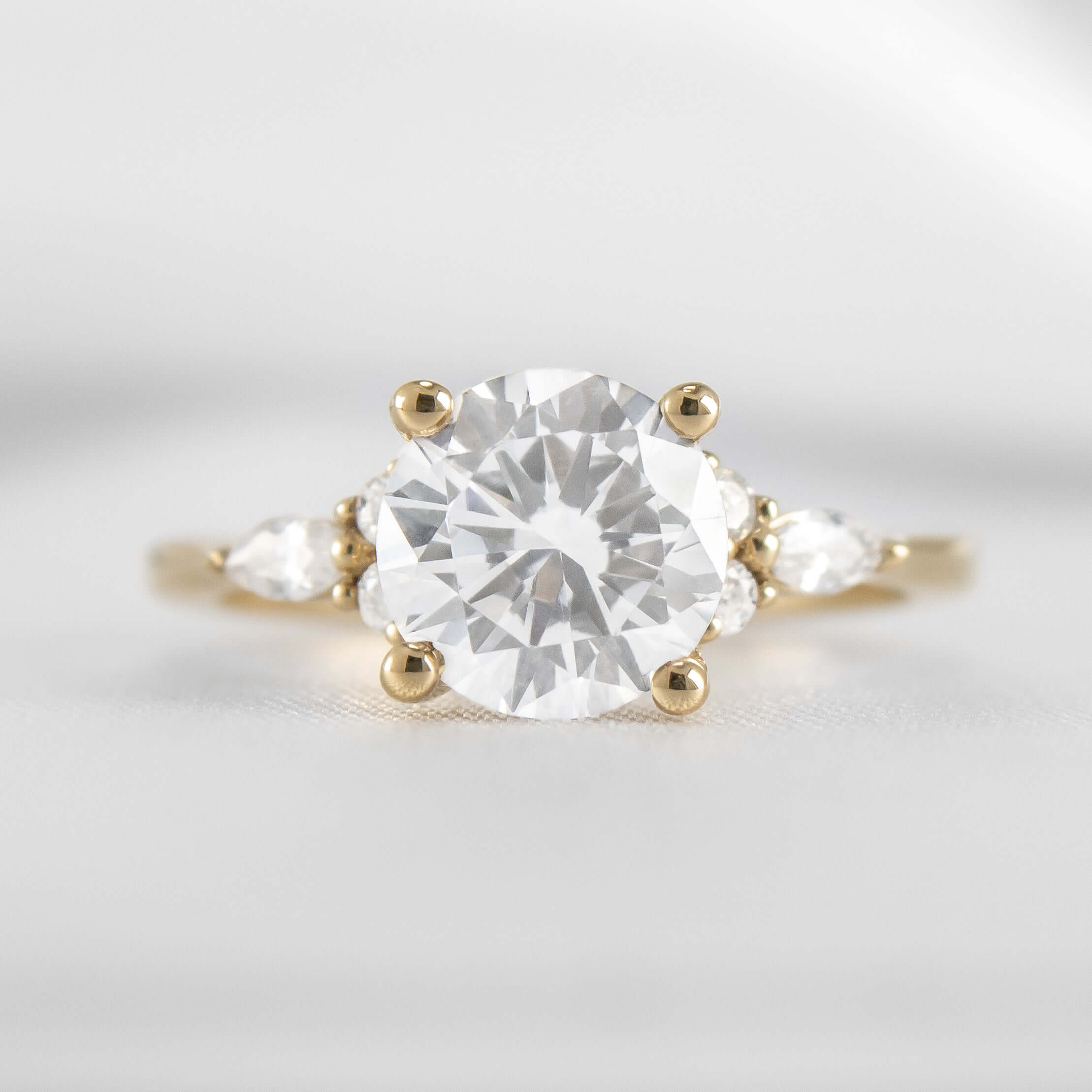
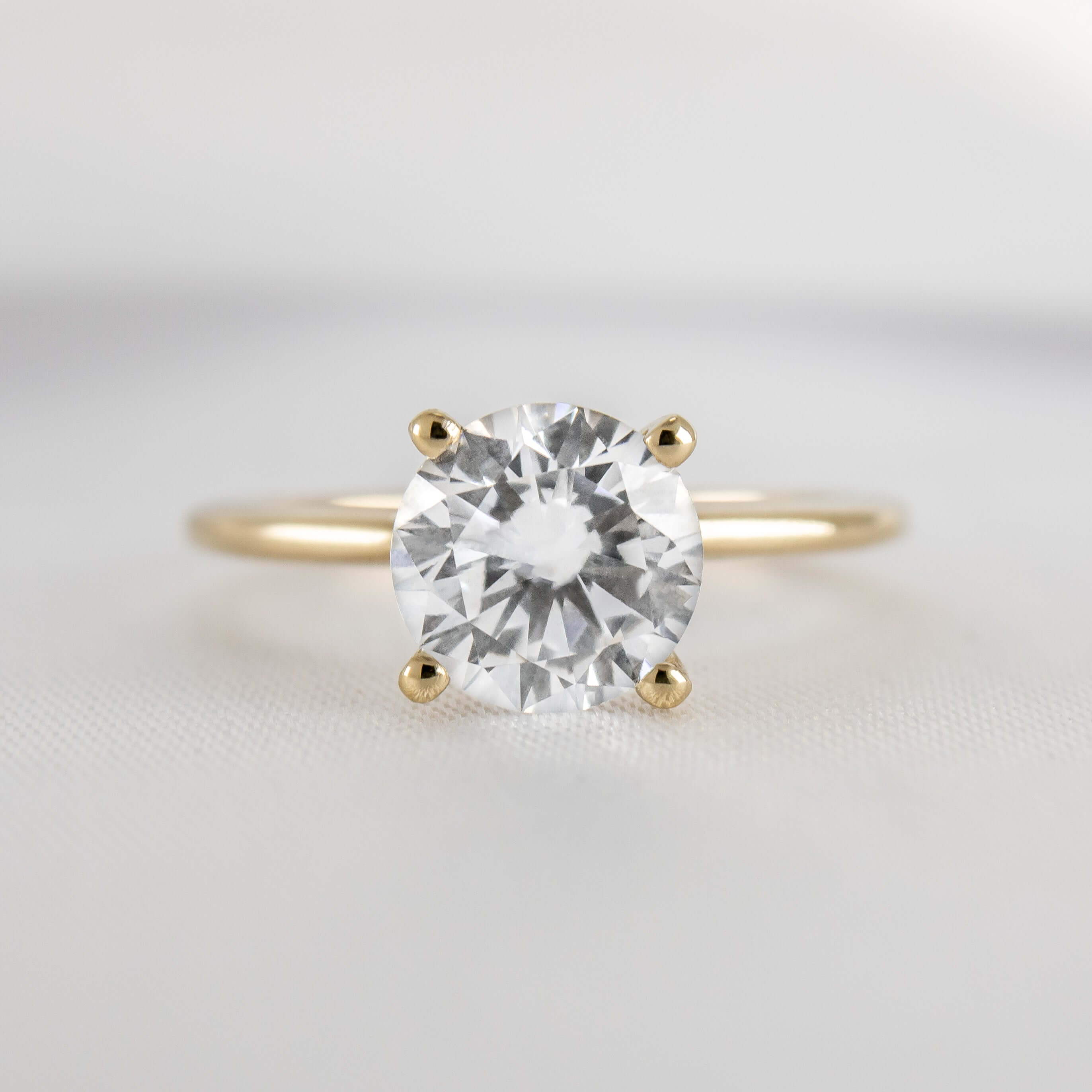
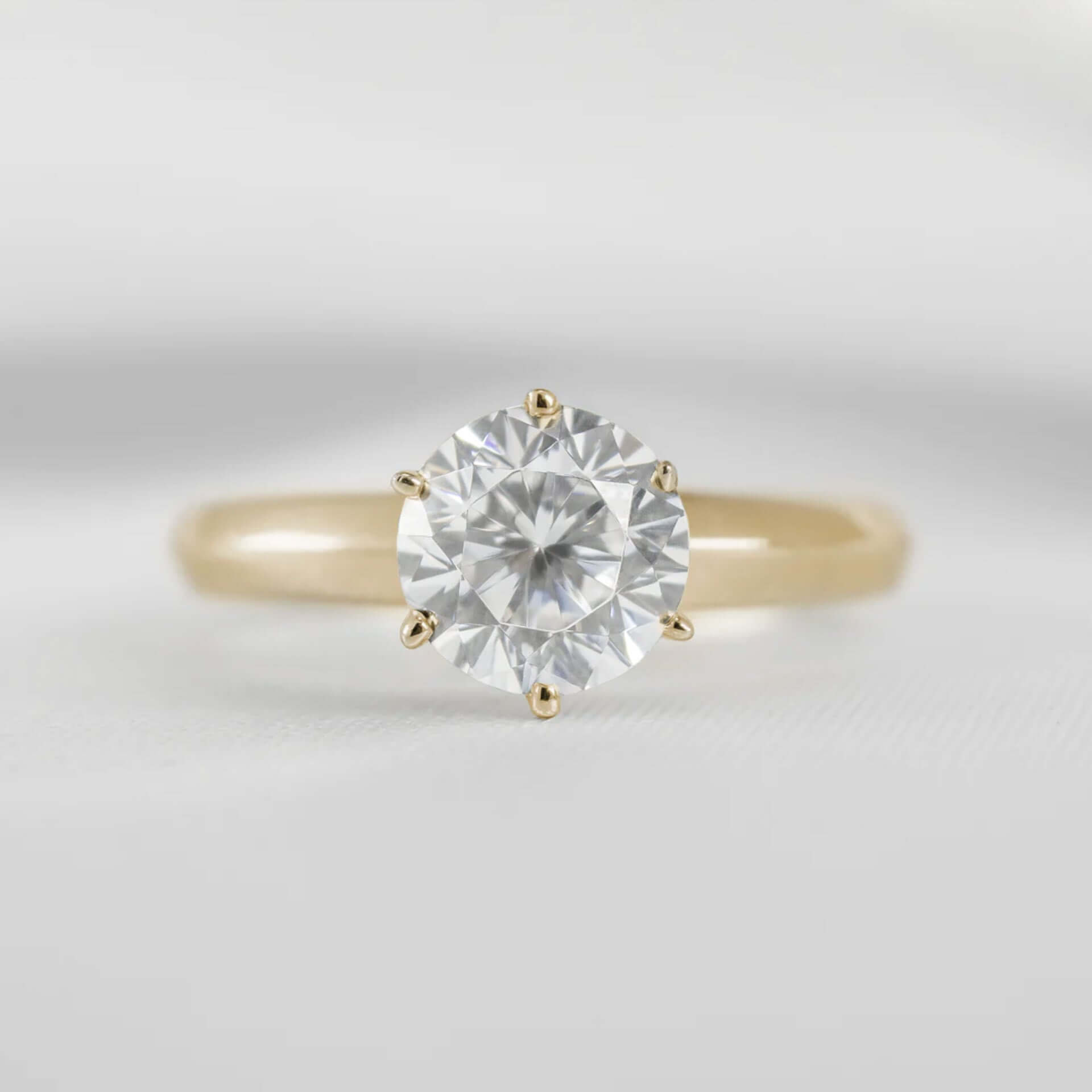
Each design in this collection is its own idea, not a variation on a single template. The Allison is a clean four-prong solitaire built to put the diamond first. The Galaxy Cluster scatters diamonds in deliberate asymmetry rather than an even circle. The Lyric pairs two diamonds in a toi et moi. The Hadley shapes a marquise halo to the silhouette of its center. The Katharine runs a knife-edge band to a six-prong head. Different starting points, each one a specific design rather than a default.
You select the exact center — natural or lab grown diamond, colored diamond, or colored gemstone, in any shape — from millions available through the Lisa Robin Global Diamond Collection. Your ring is then hand-crafted to fit the diamond or gemstone you choose.
Beyond the named designs, any ring can be refined before crafting begins: adjust the band width, change the prong style, modify proportions, or coordinate the design with a future wedding ring. Any change to pricing is shared with you transparently before you approve. Designs are created in our private studio in Dayton, Ohio, and hand-crafted in our New York workshop.
Engagement Ring Styles Explained
Each style is a different answer to the same question: how should the diamond sit on your hand. Here is what each one does, with a Lisa Robin design that shows it.
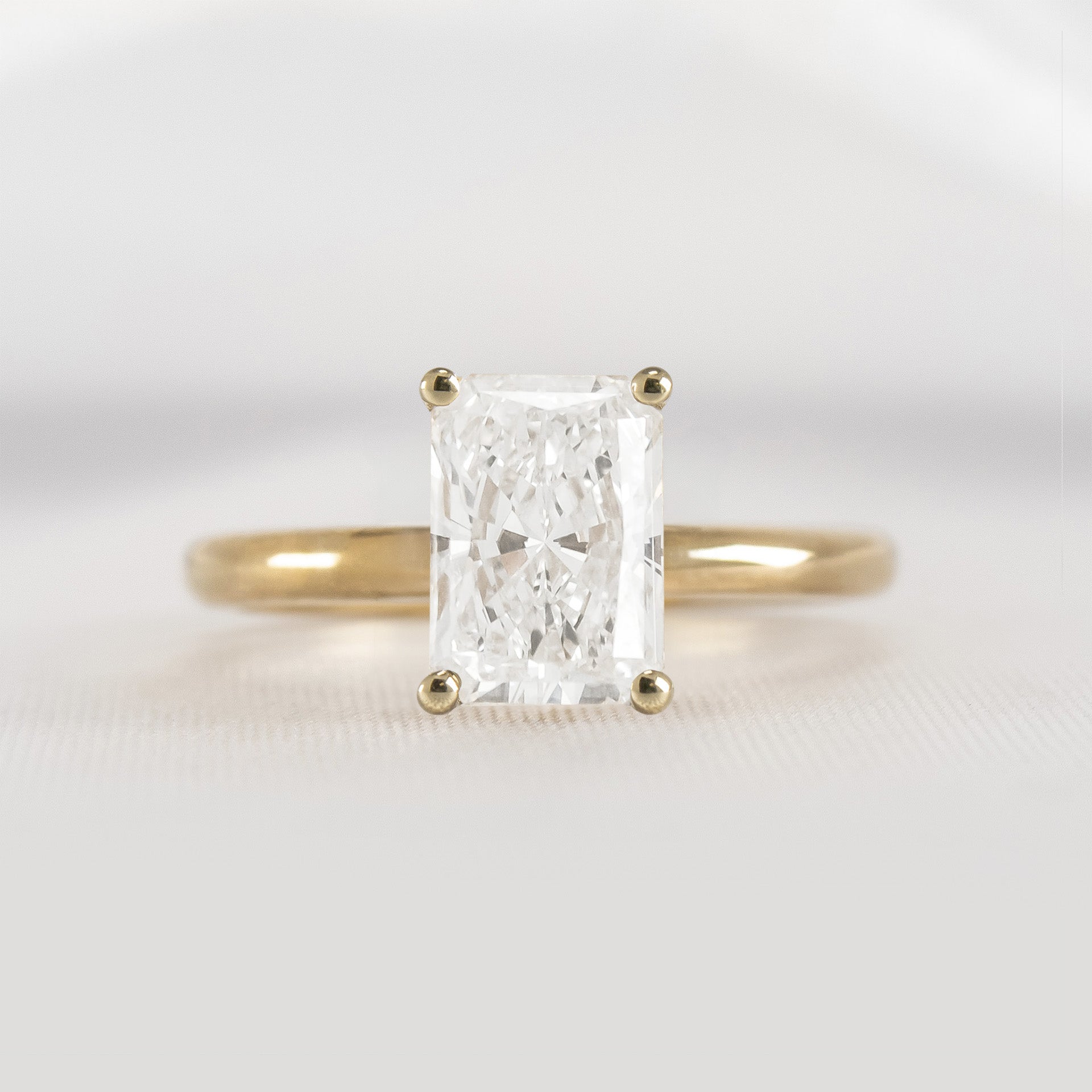
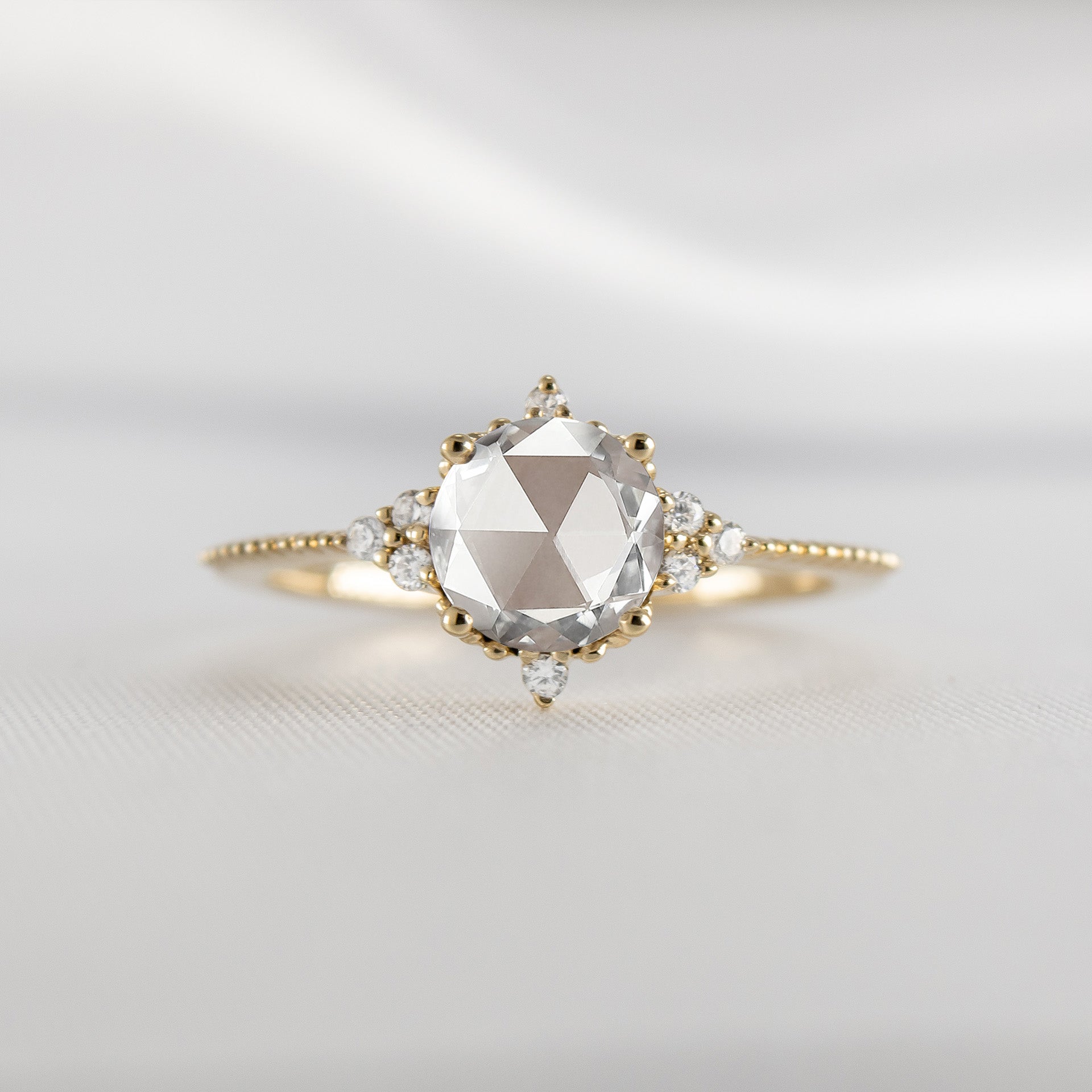
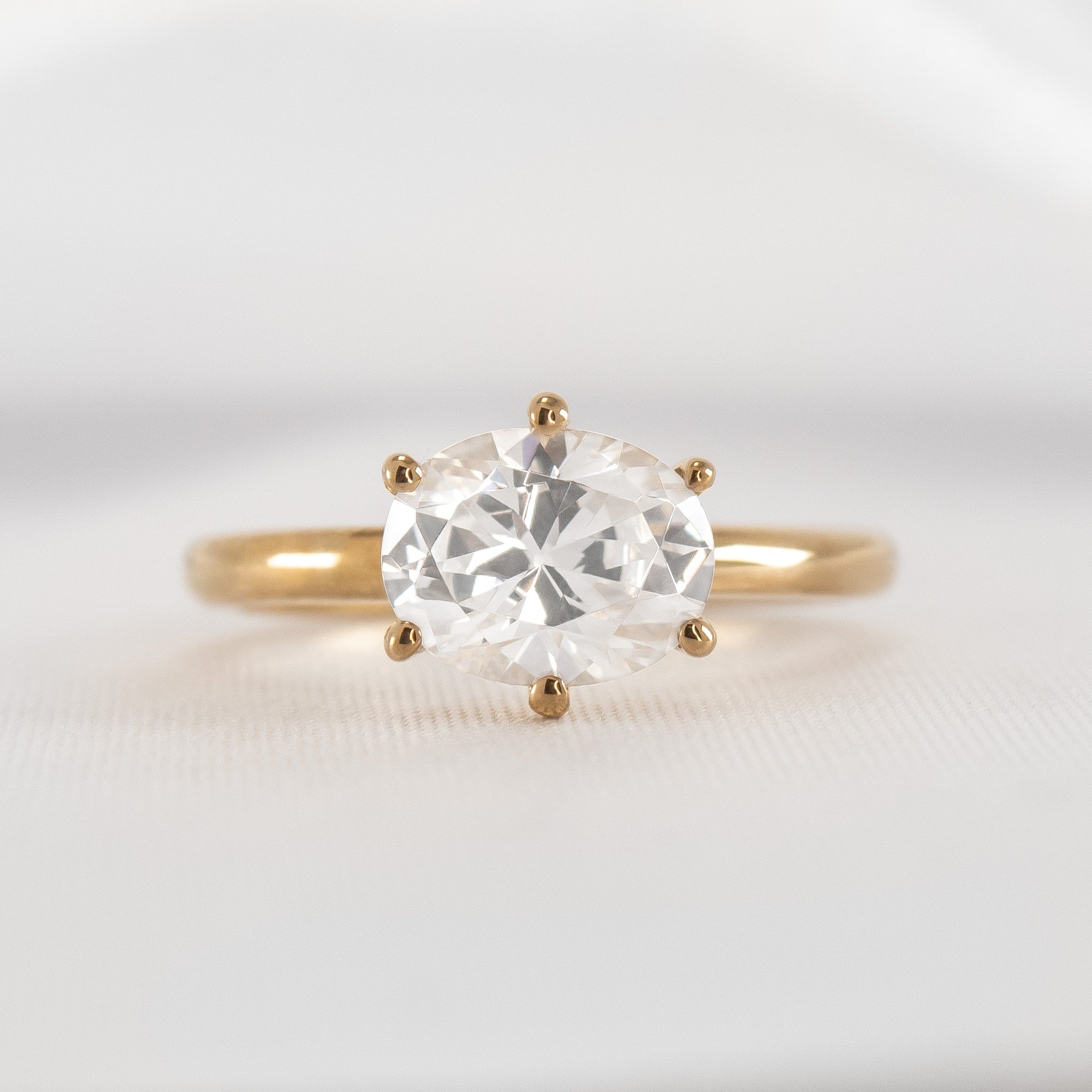
Solitaire engagement rings put a single diamond at the center with nothing competing for attention. The setting's job is to hold the diamond securely and let it carry the ring. The Allison does this with four prongs and a clean band; the Katharine adds a knife-edge band and a six-prong head.
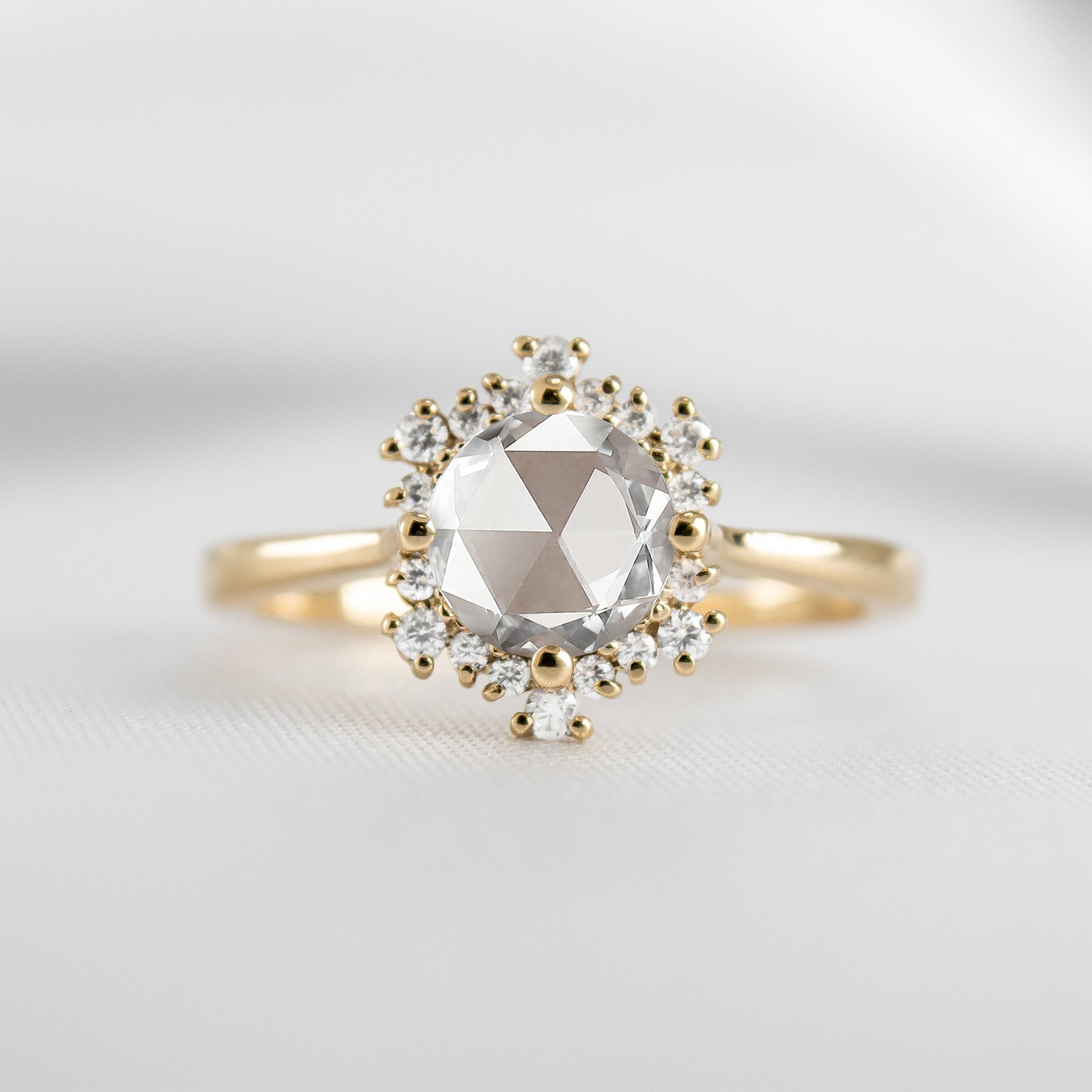
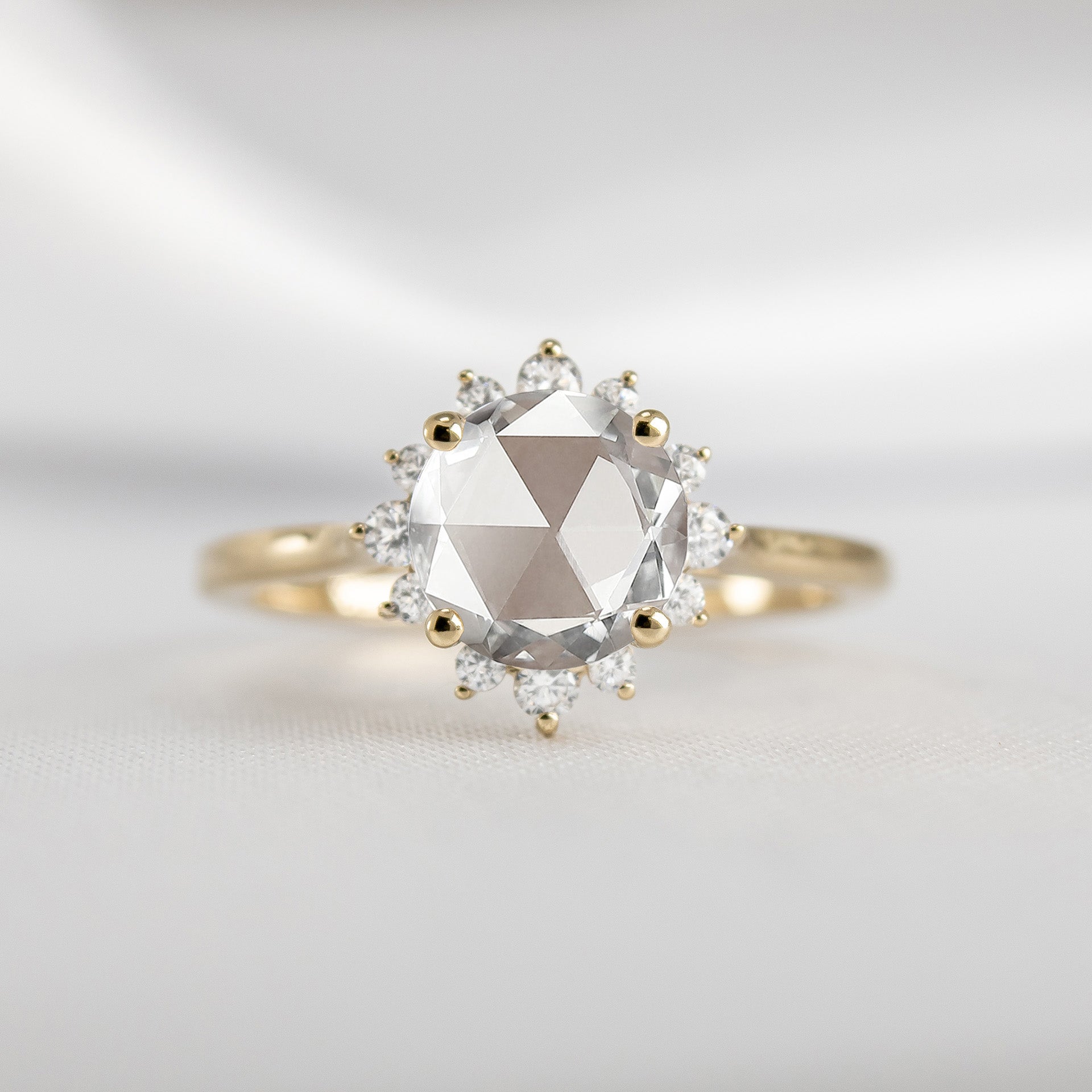
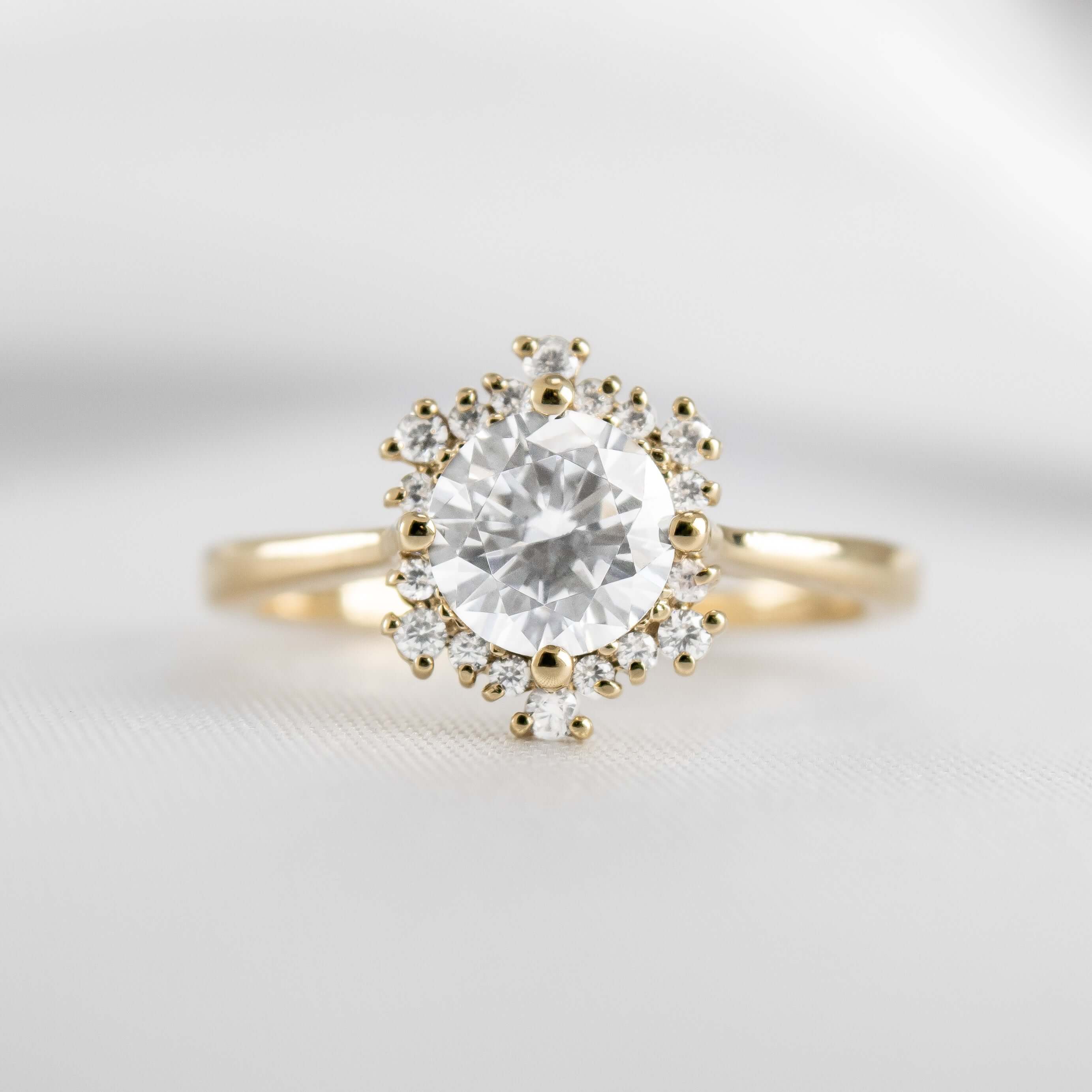
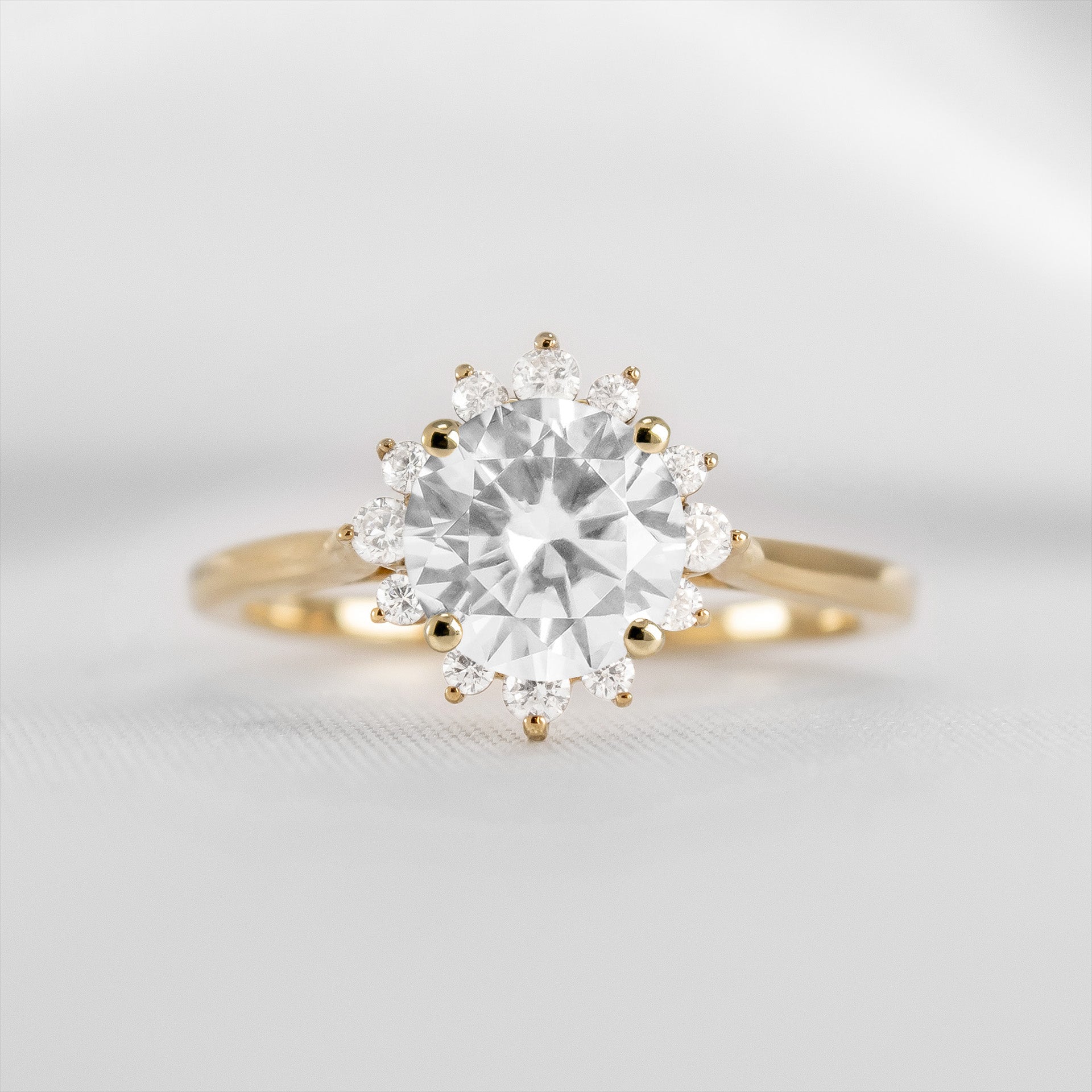
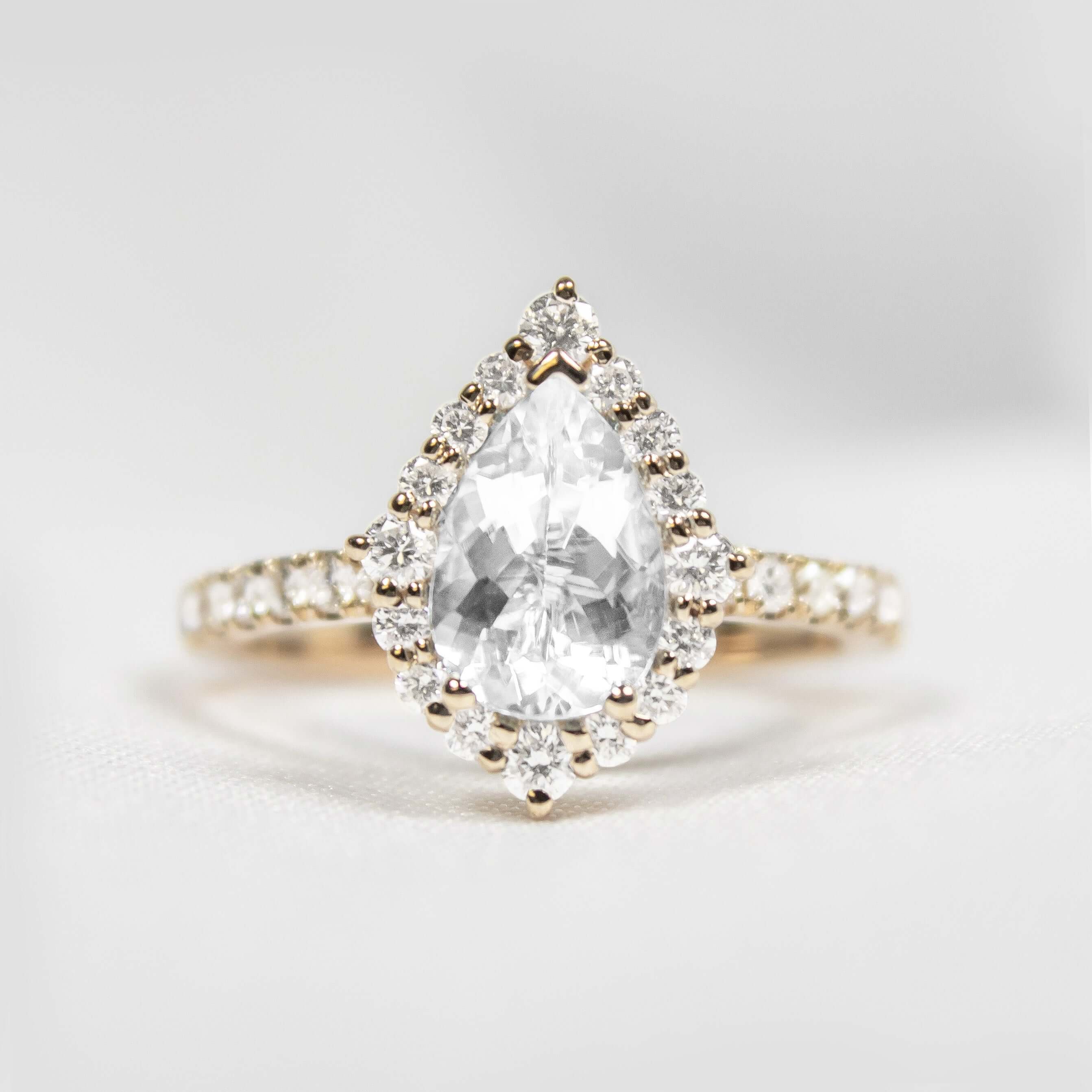
Halo engagement rings frame the center diamond with a ring of smaller diamonds, which draws light inward and makes the center read larger on the hand. The Jaylin arranges its halo in four petal-like clusters; the Hadley shapes the halo to follow a marquise center.
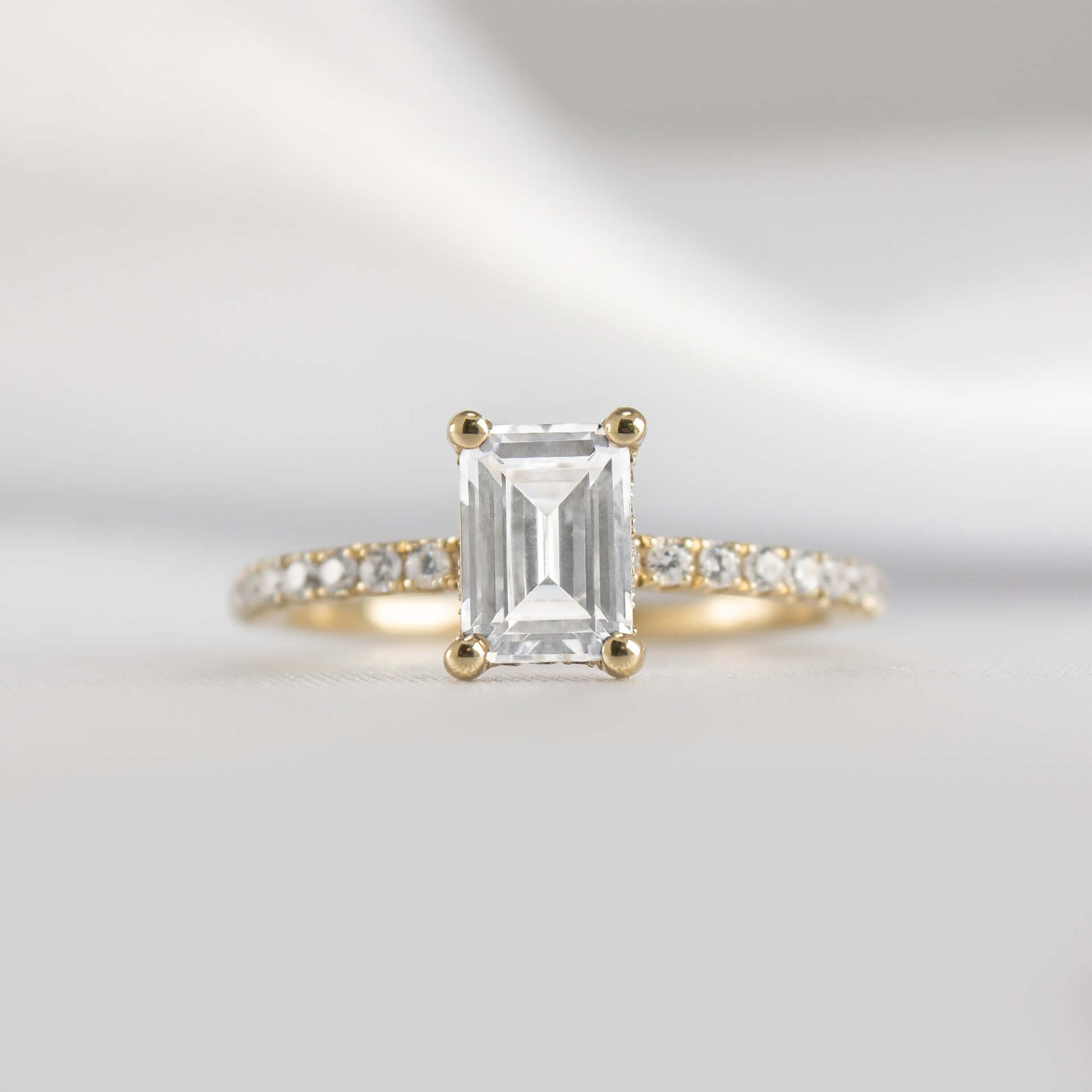
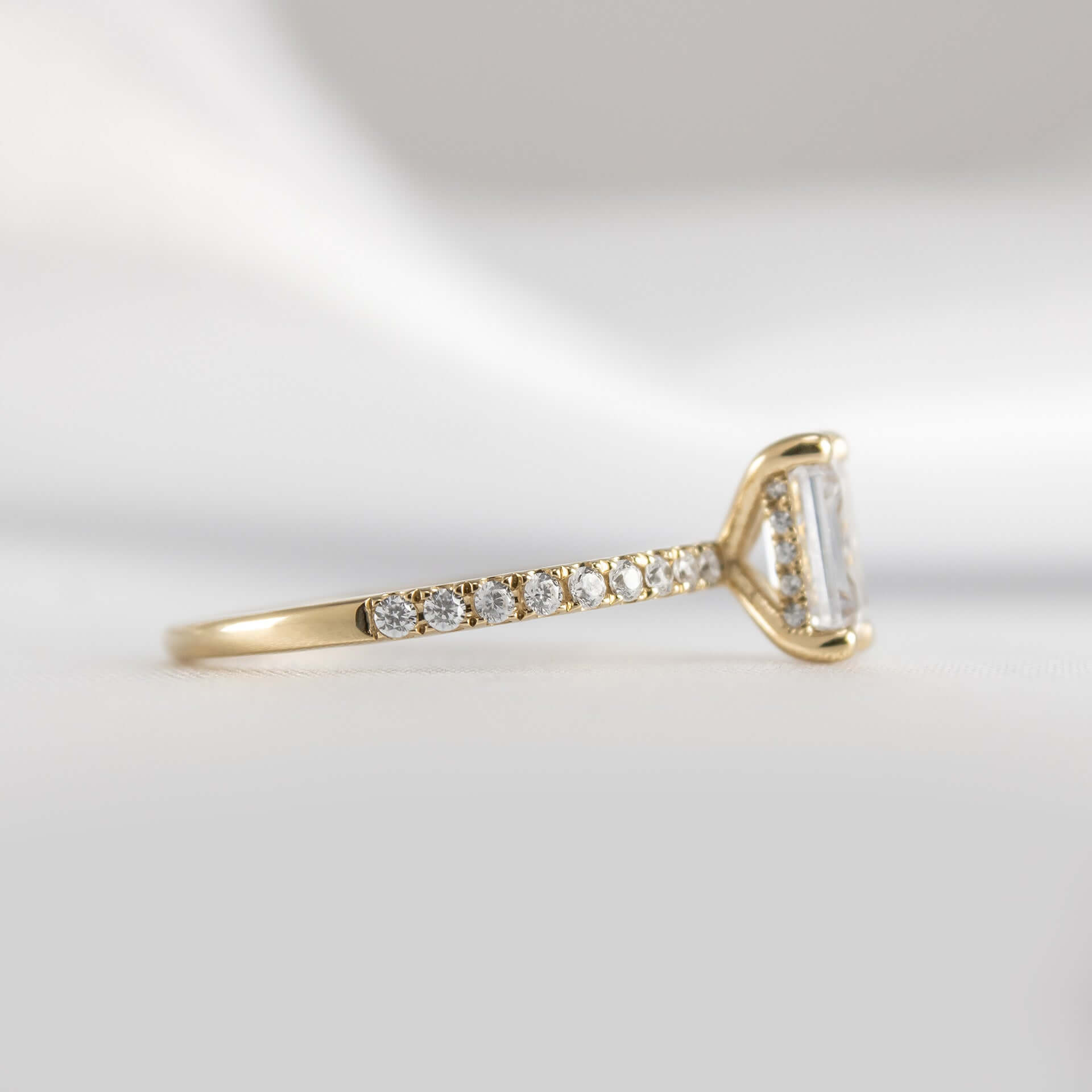
Hidden halo engagement rings place the accent diamonds beneath the center diamond rather than around it — a layer of sparkle visible from the side, not the top. The Casey carries a hidden halo under the center alone; the Cameron pairs one with a pavé band.
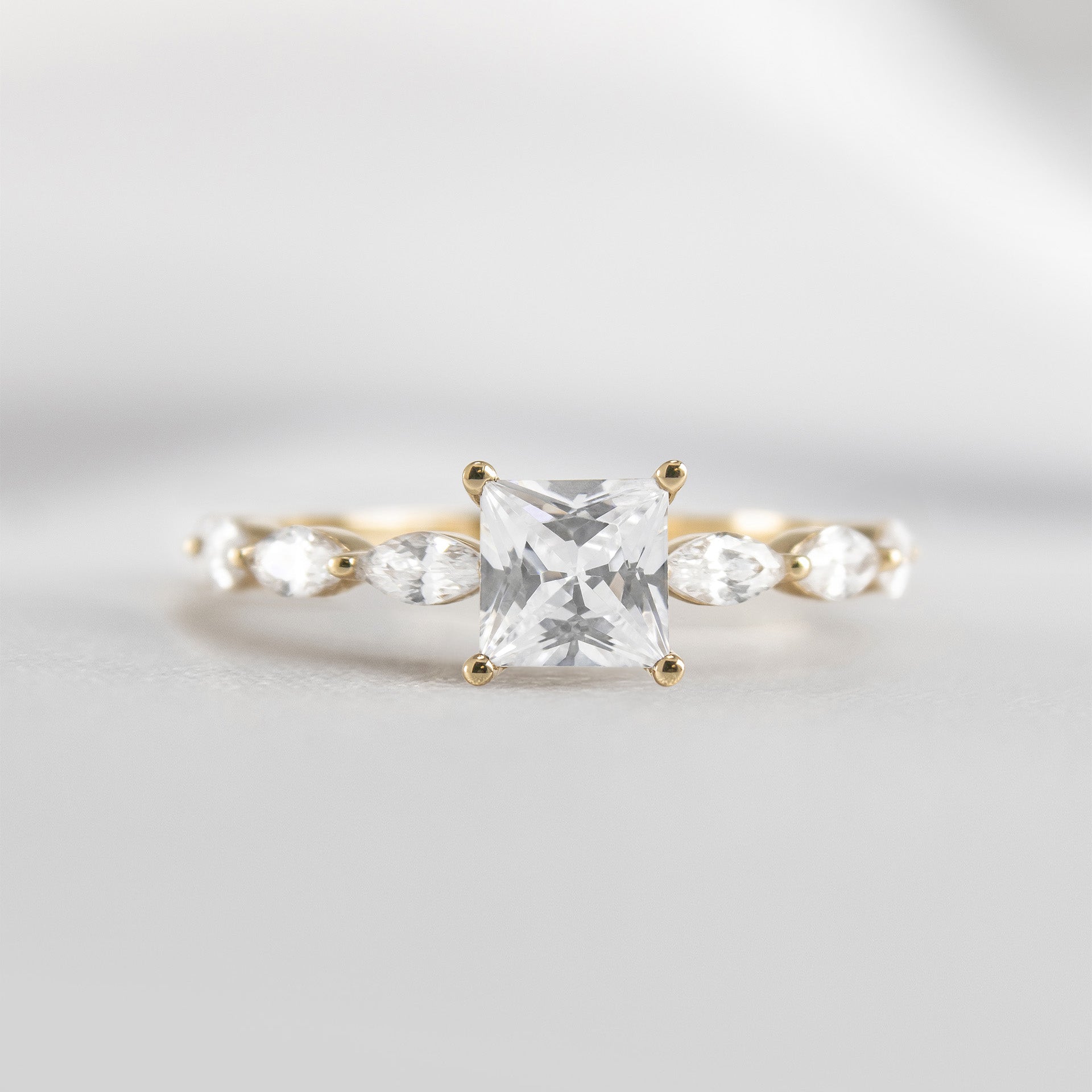
Side stone engagement rings set diamonds along the band on either side of the center, adding light without enclosing the diamond. The Marley and the Robin both build the band into part of the design. The Polaris scatters small diamonds across the band like points of light.
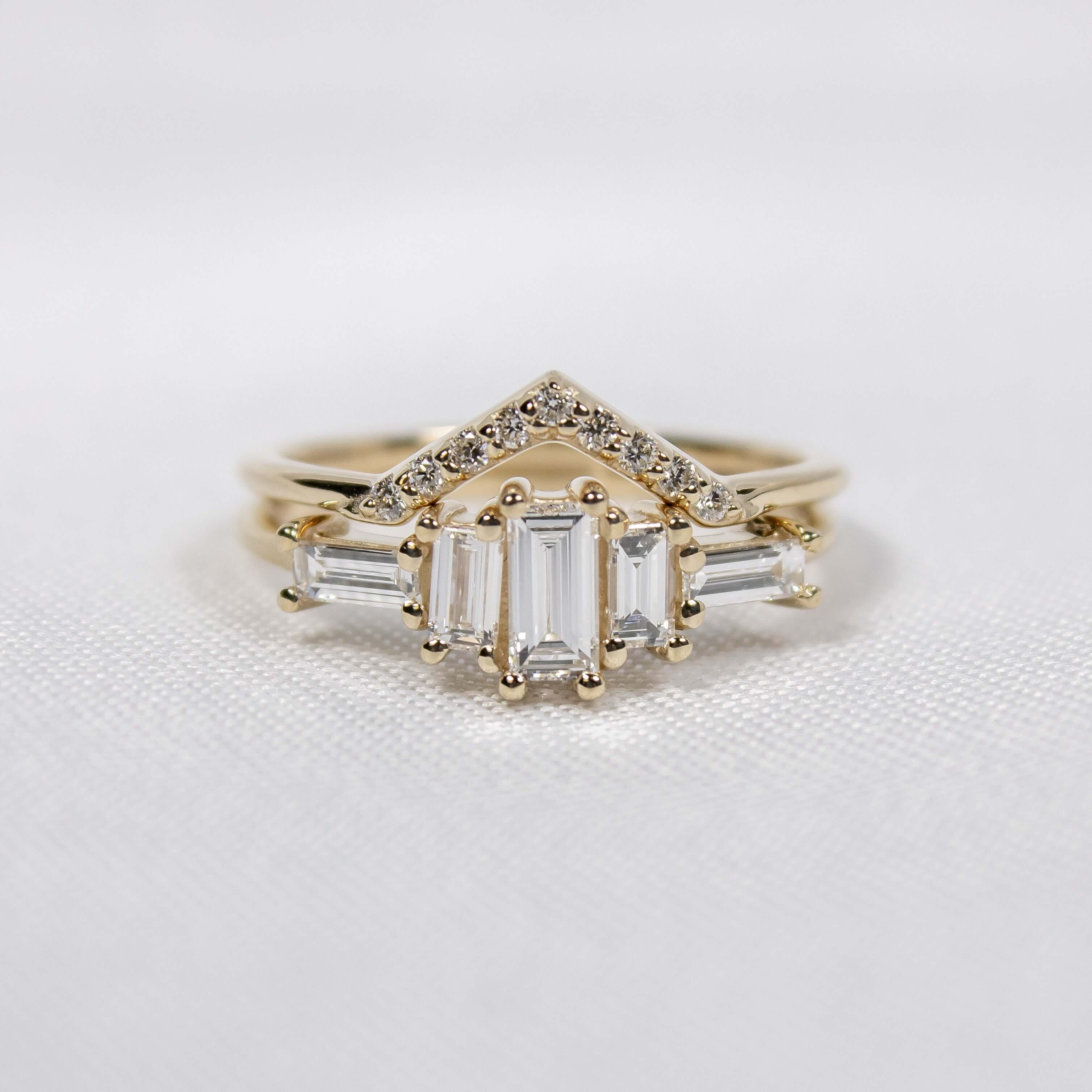
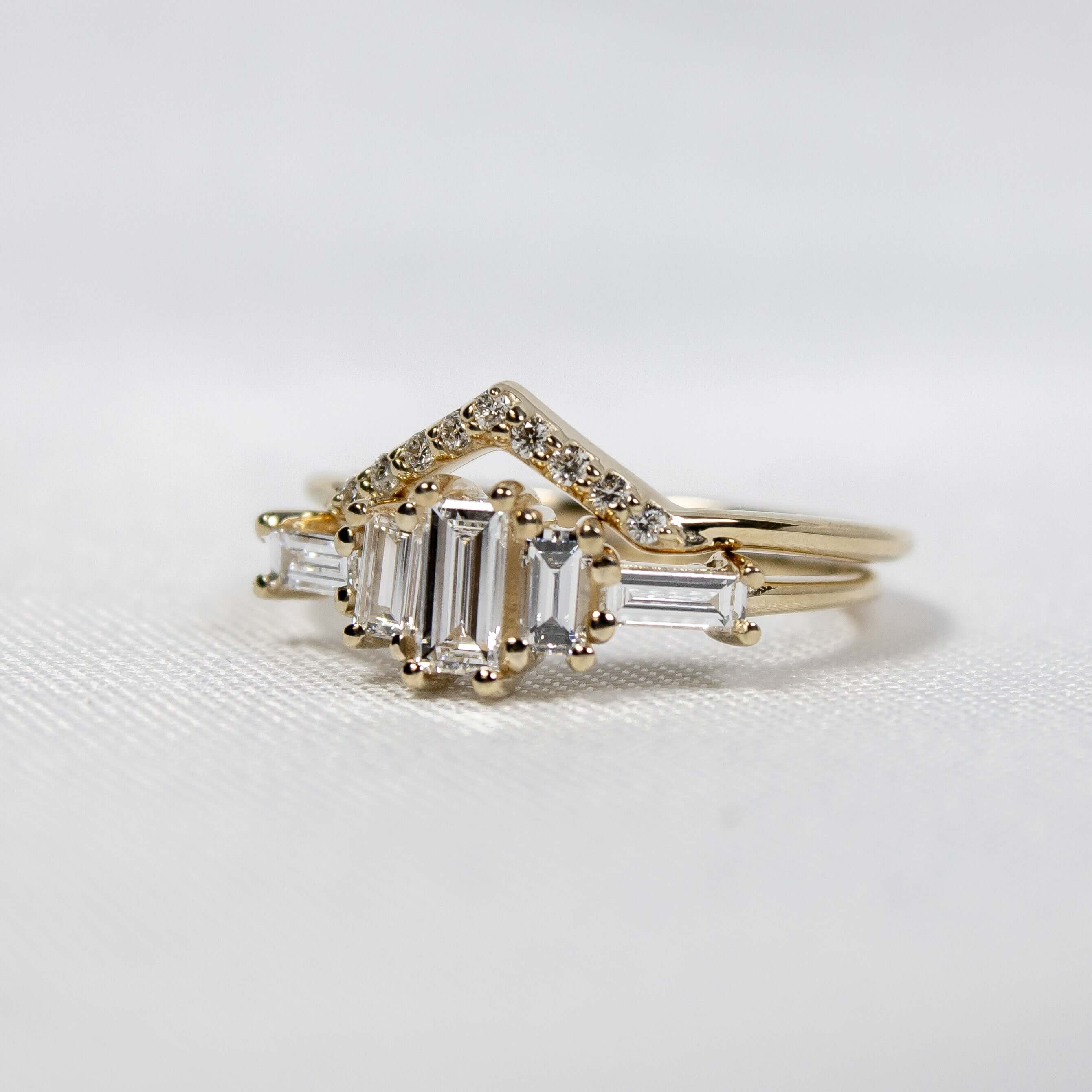
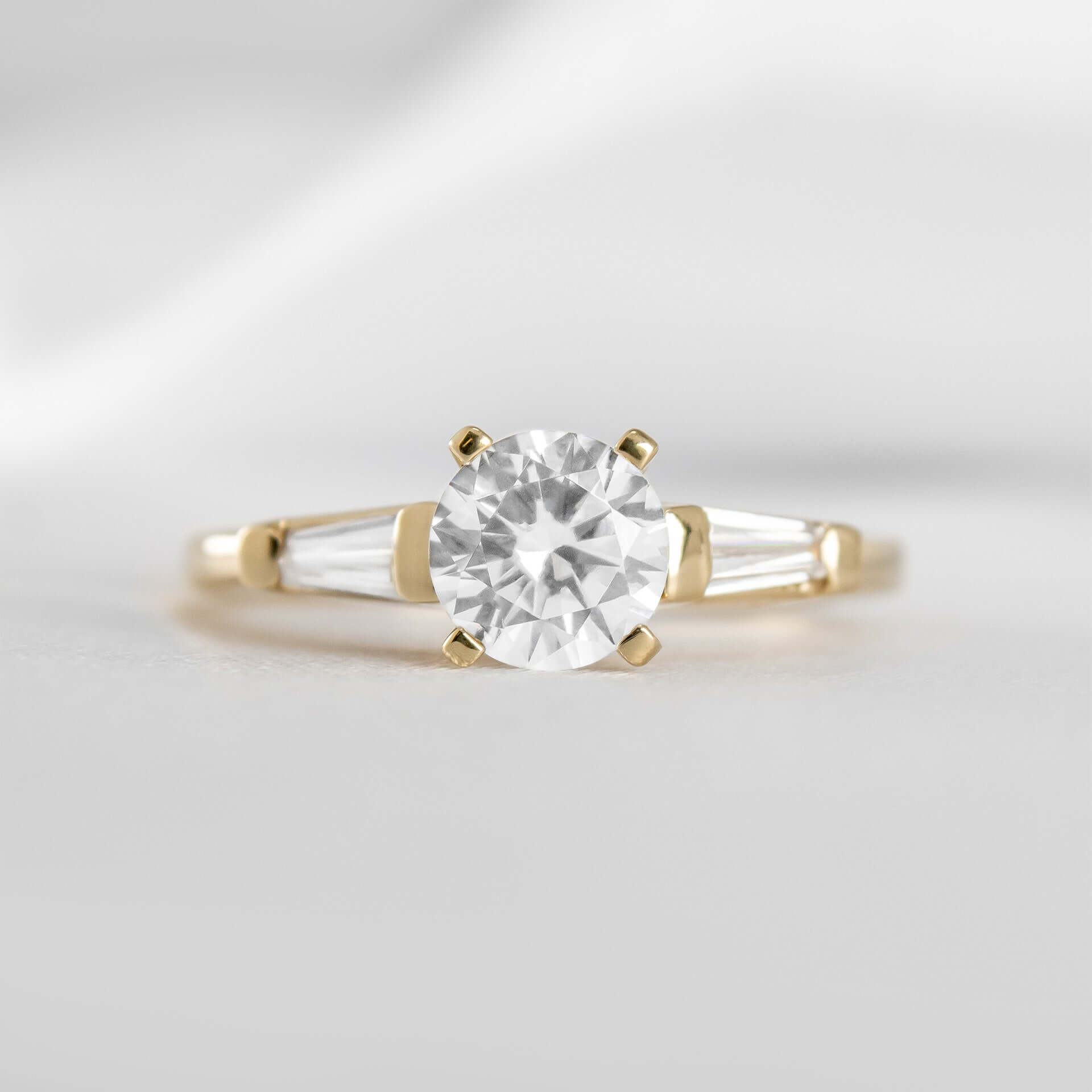
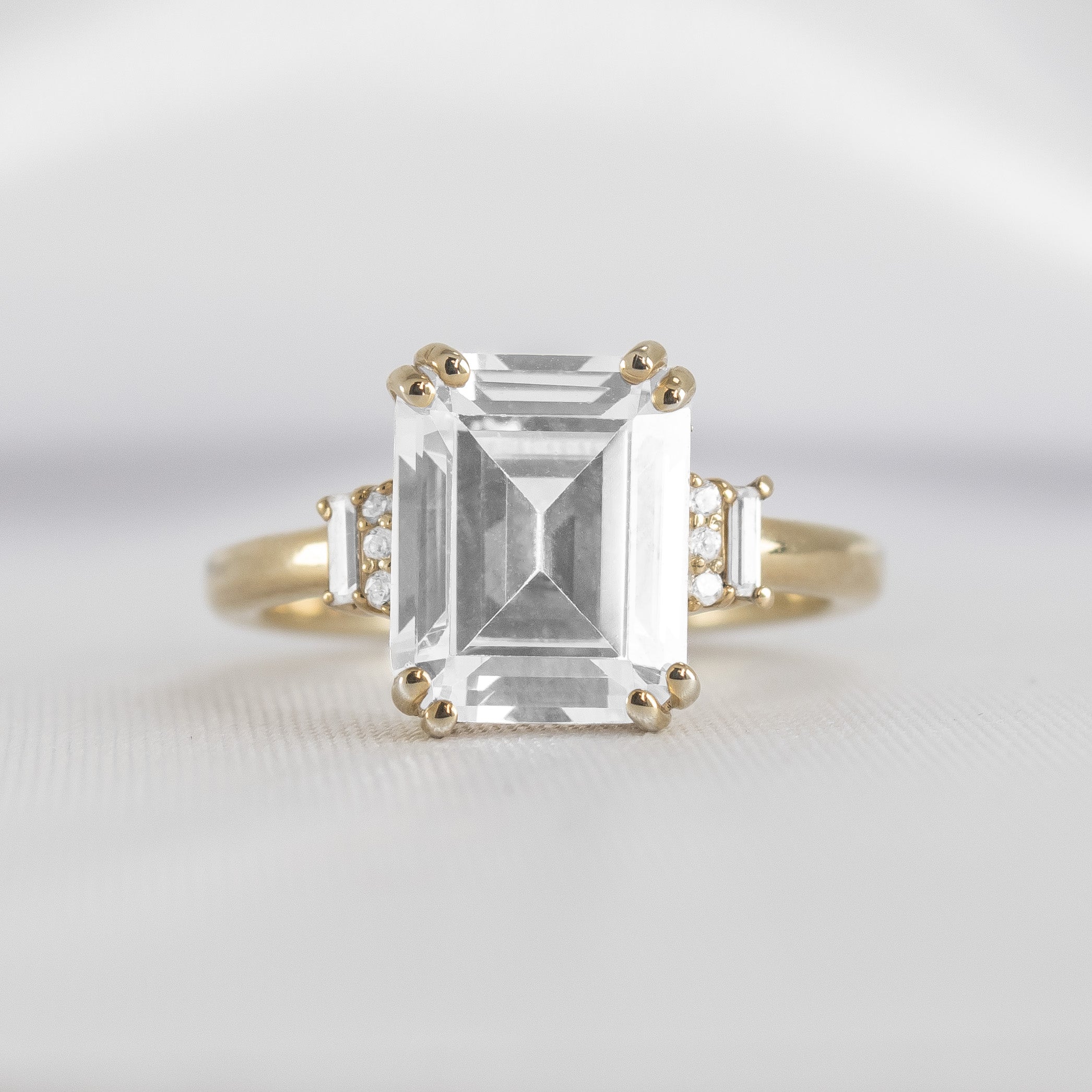
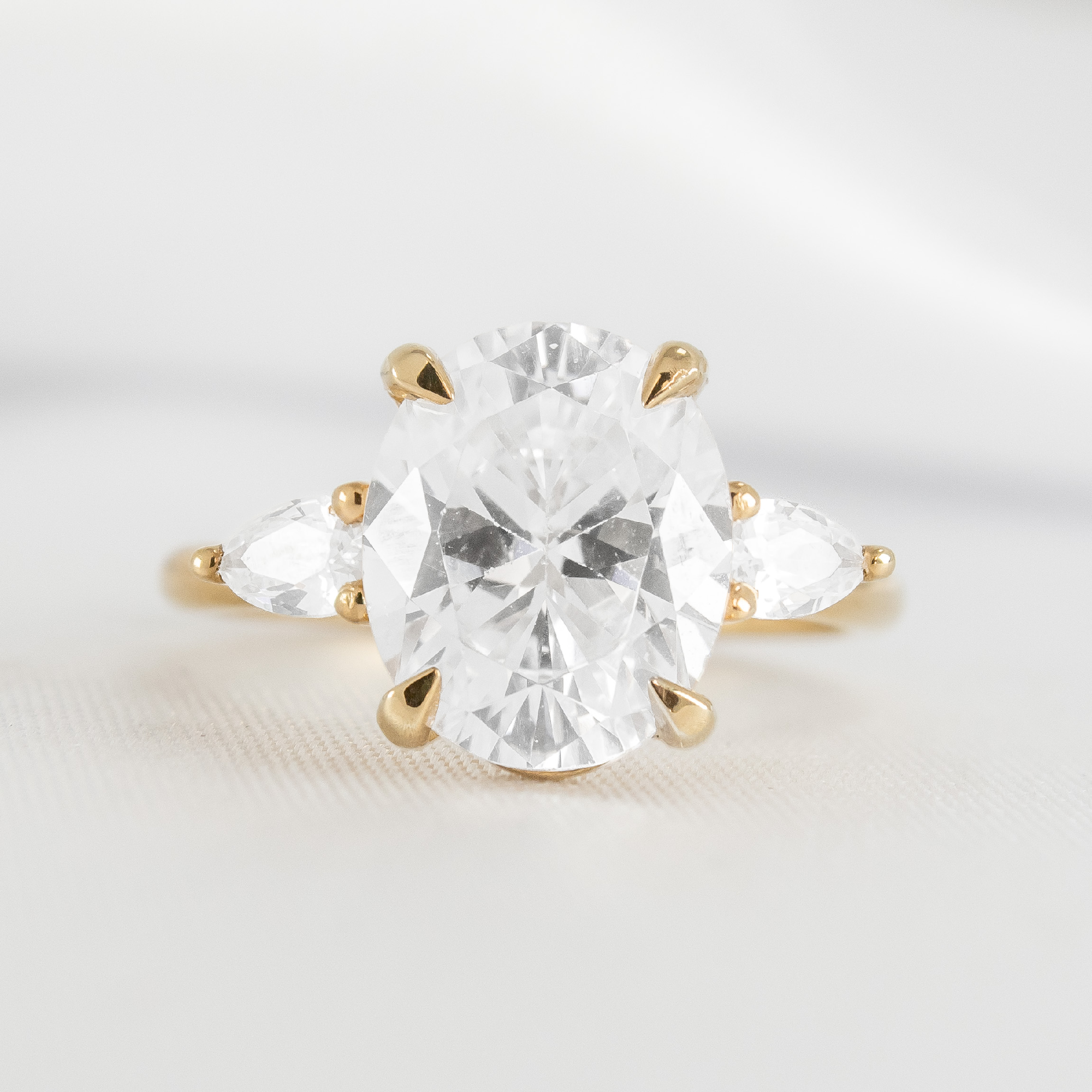
Three stone engagement rings place a center diamond between two companion diamonds — often read as past, present, and future. The Devon sets the center between tapered baguettes for a clean, architectural line.
Cluster engagement rings group multiple diamonds into a single composition rather than relying on one center. The Galaxy scatters its diamonds in deliberate asymmetry; the Chloe and the Anna build tighter, more symmetric clusters.
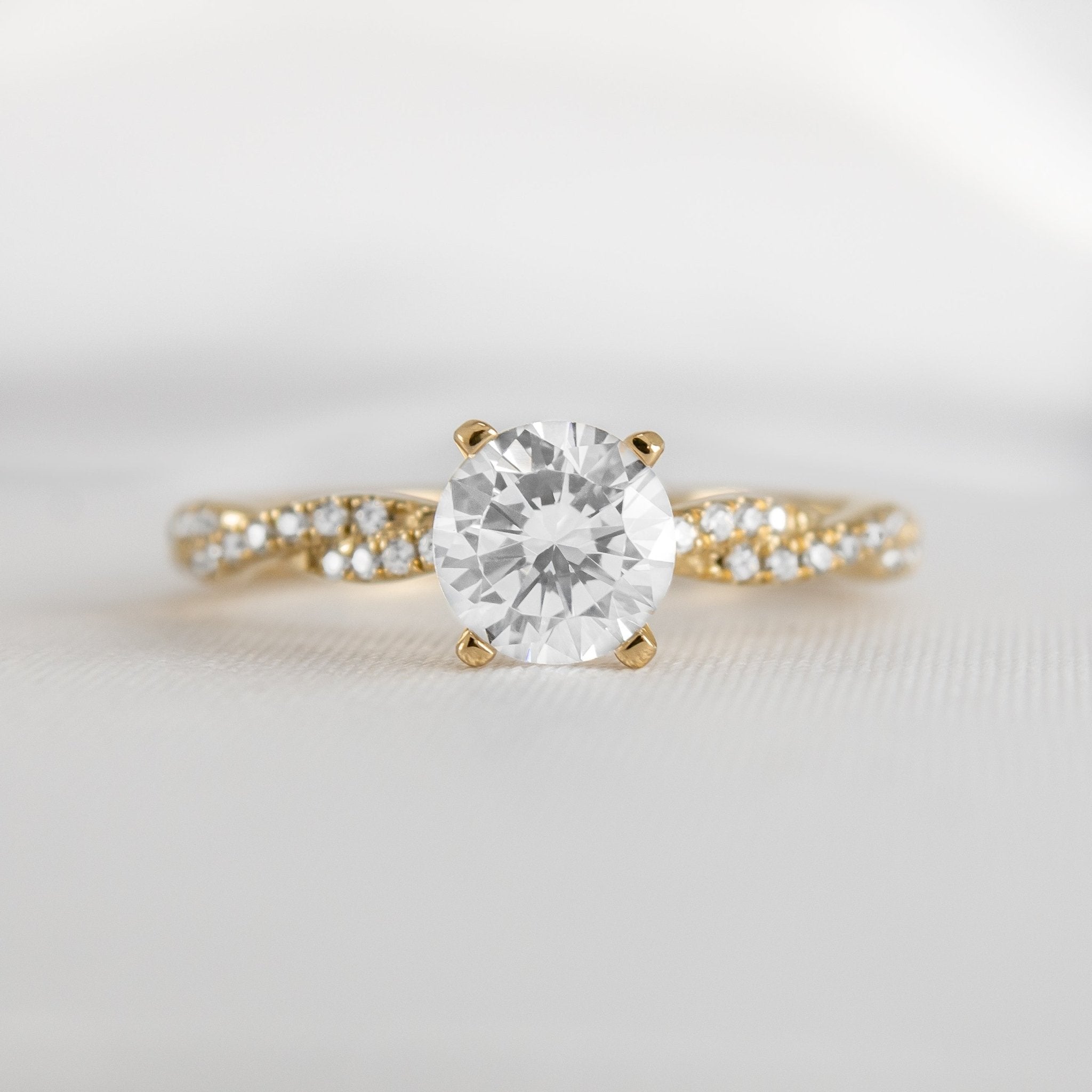
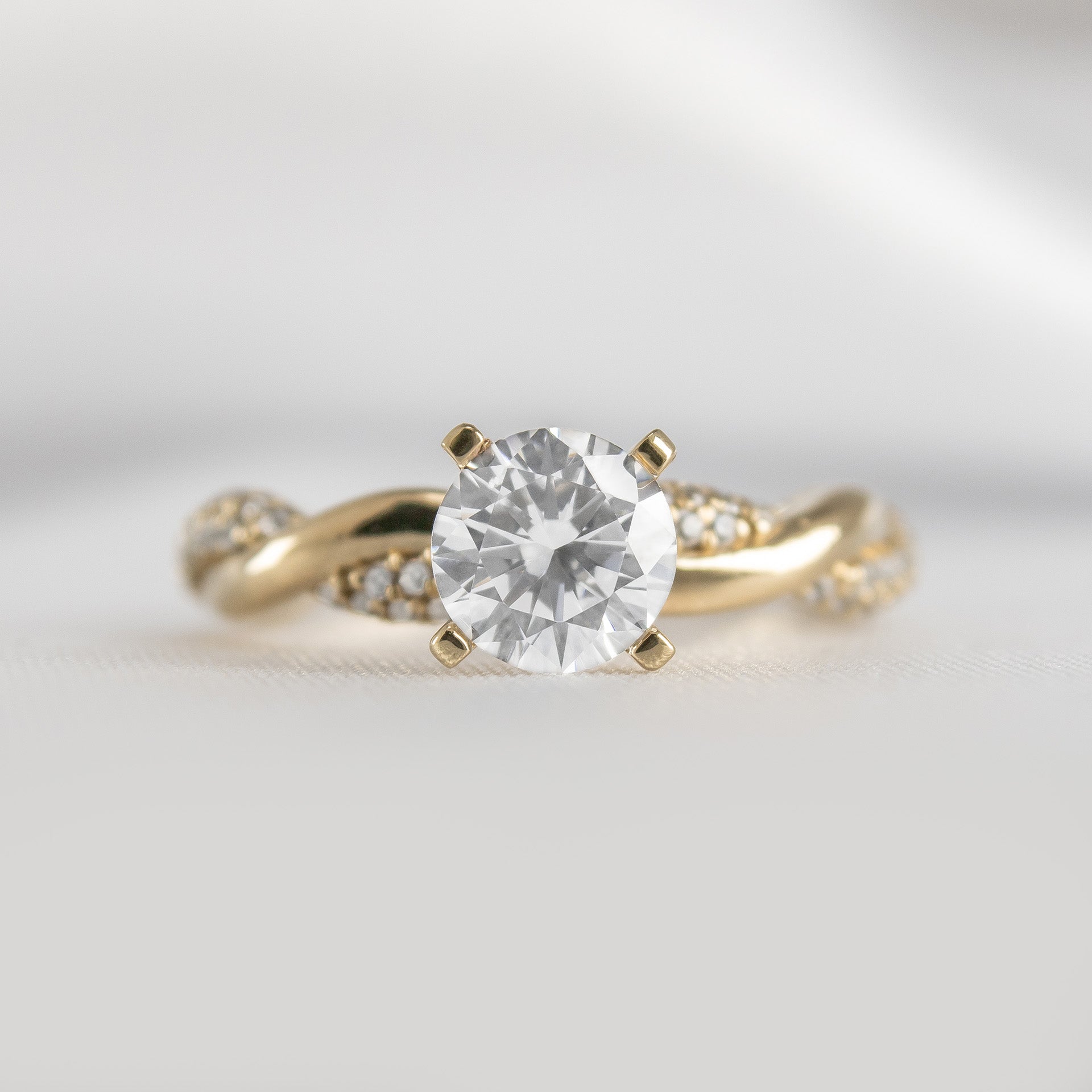
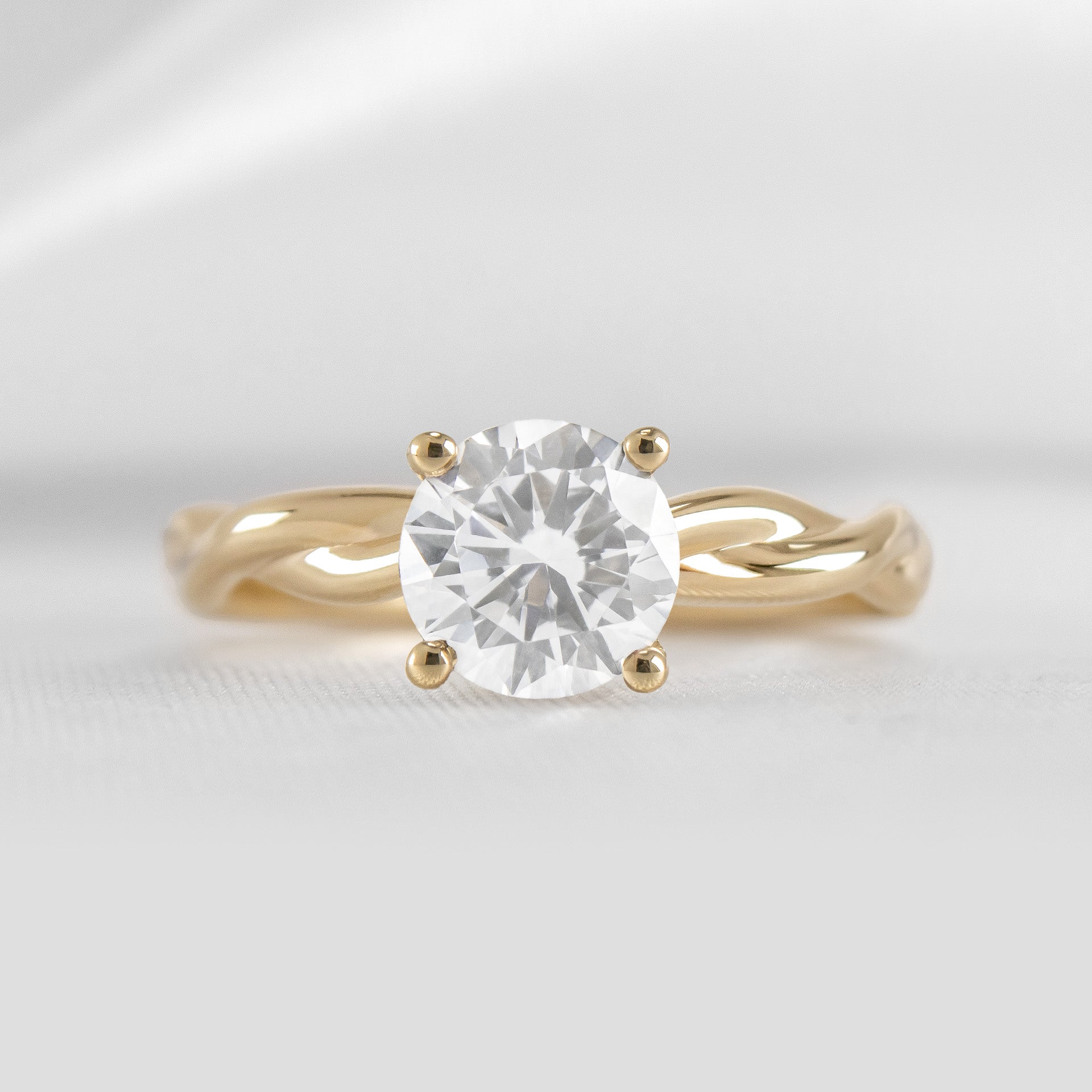
Twist engagement rings curve the band so two lines cross at the center, wrapping the diamond in motion. The Leila, Amelia, and Remy each take the twist in a different direction.
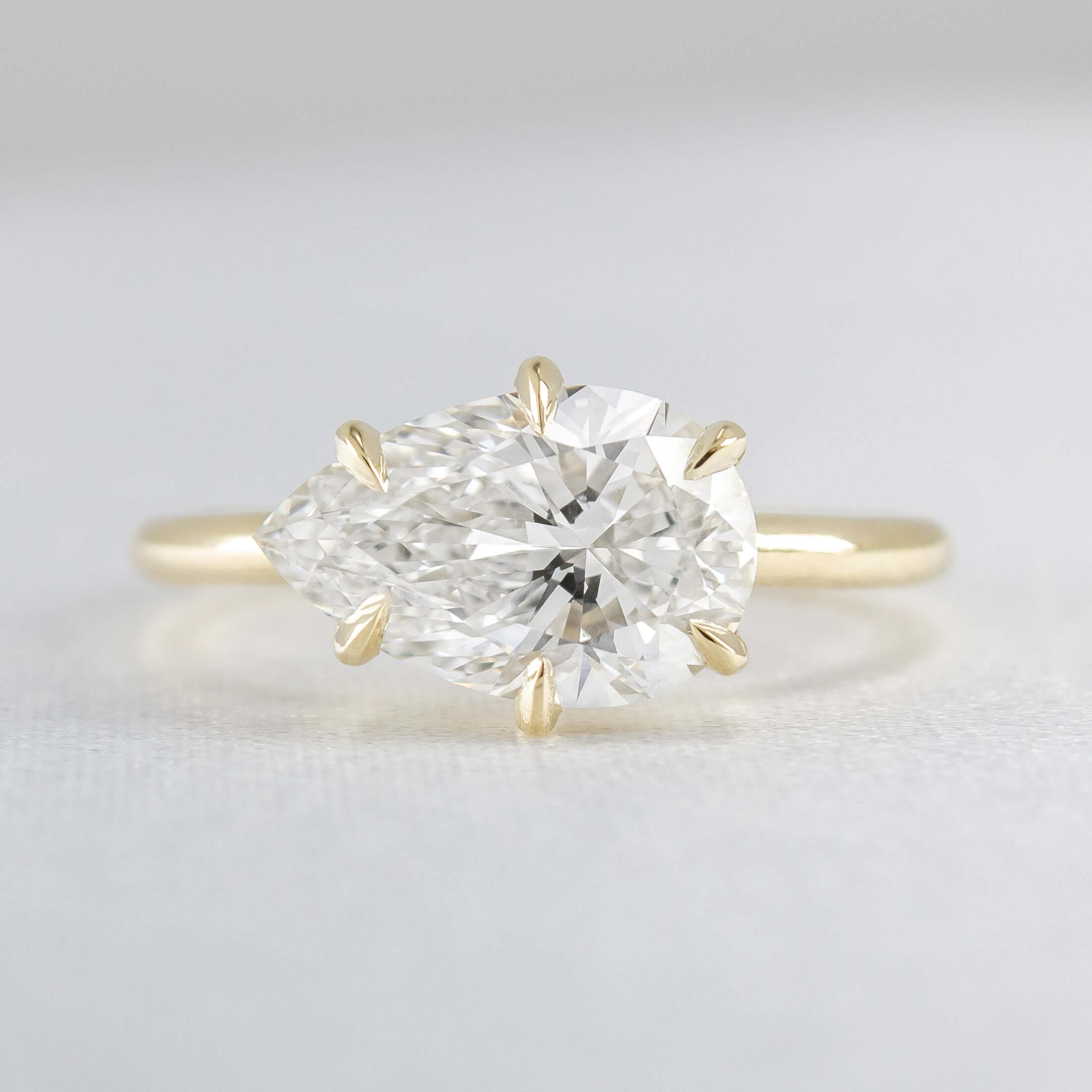
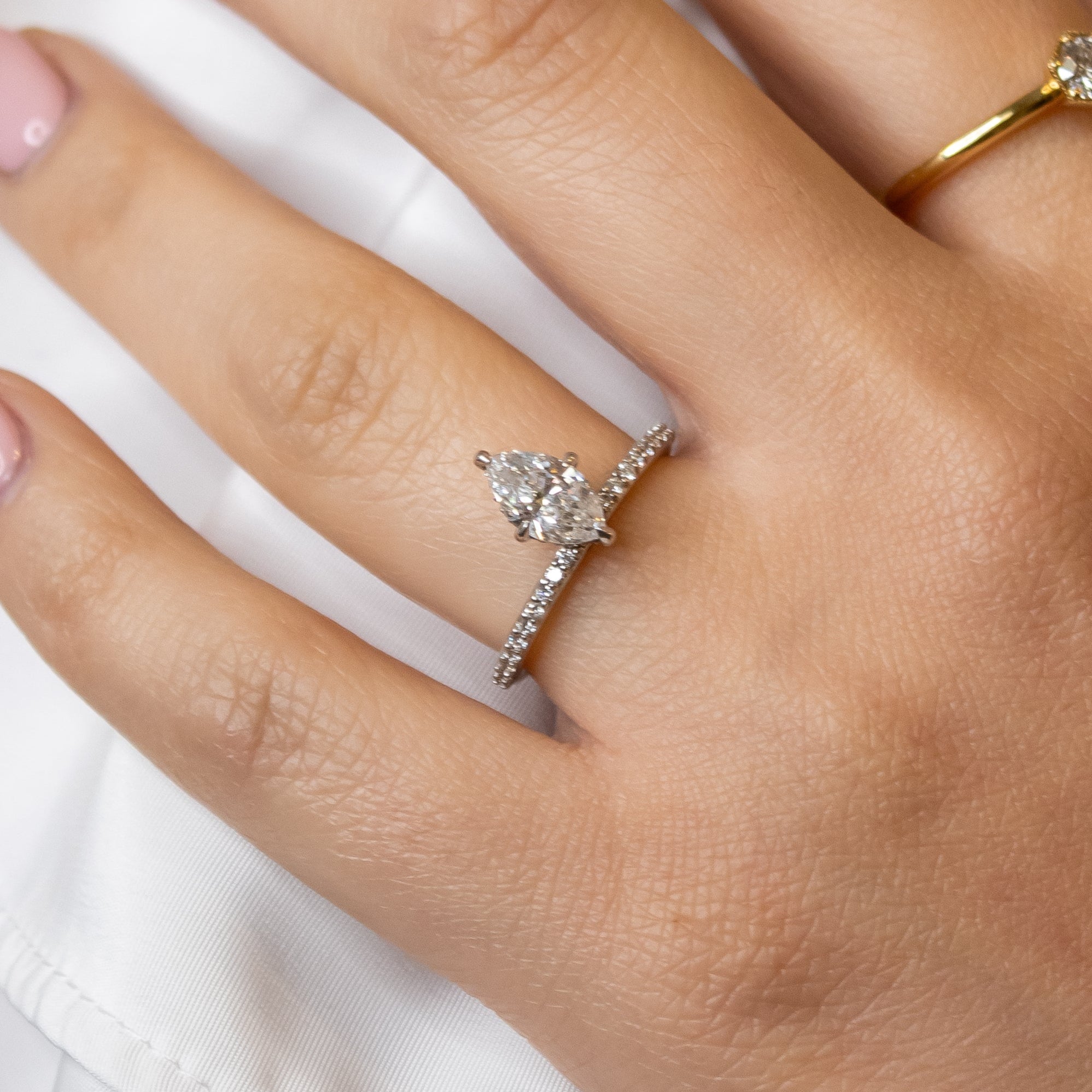
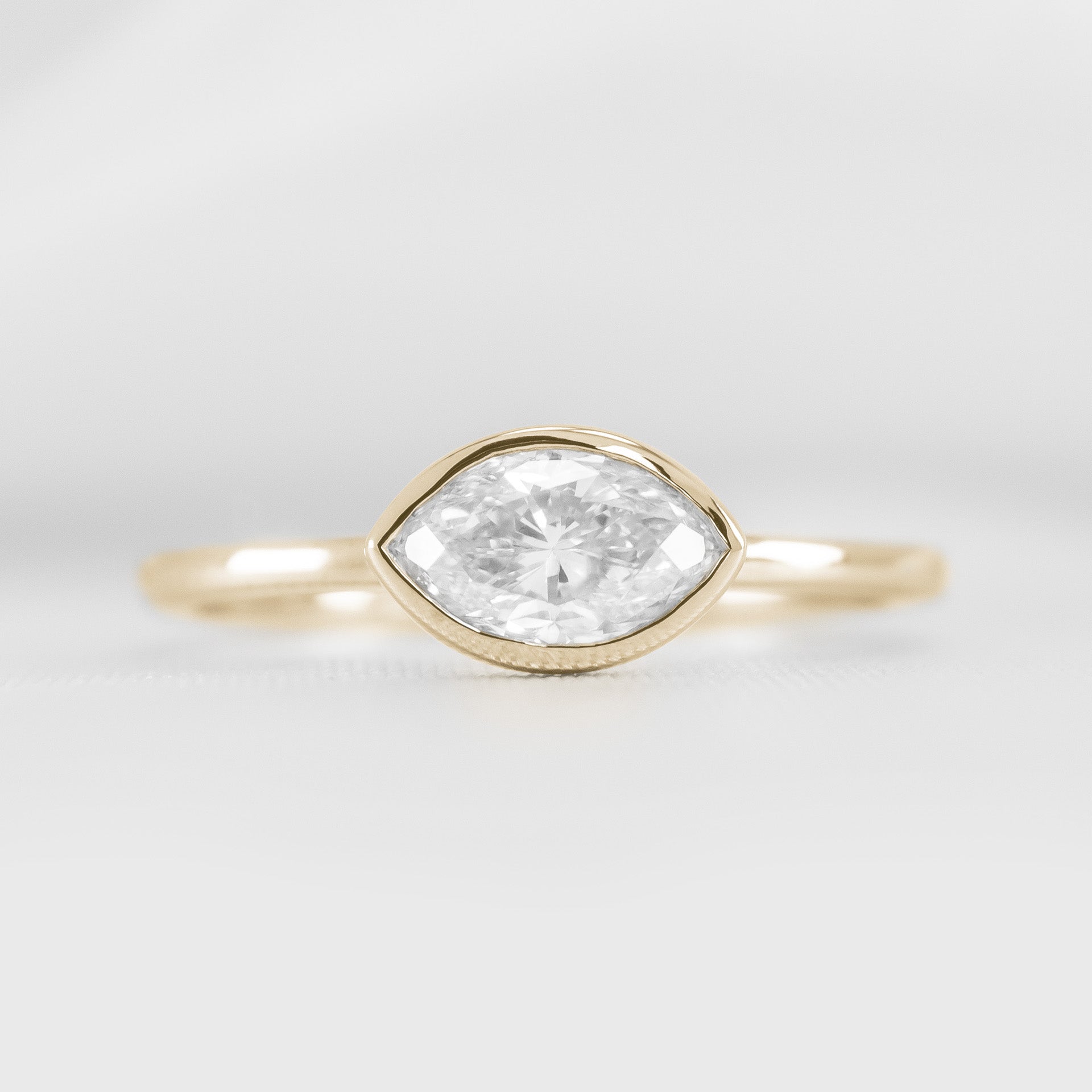
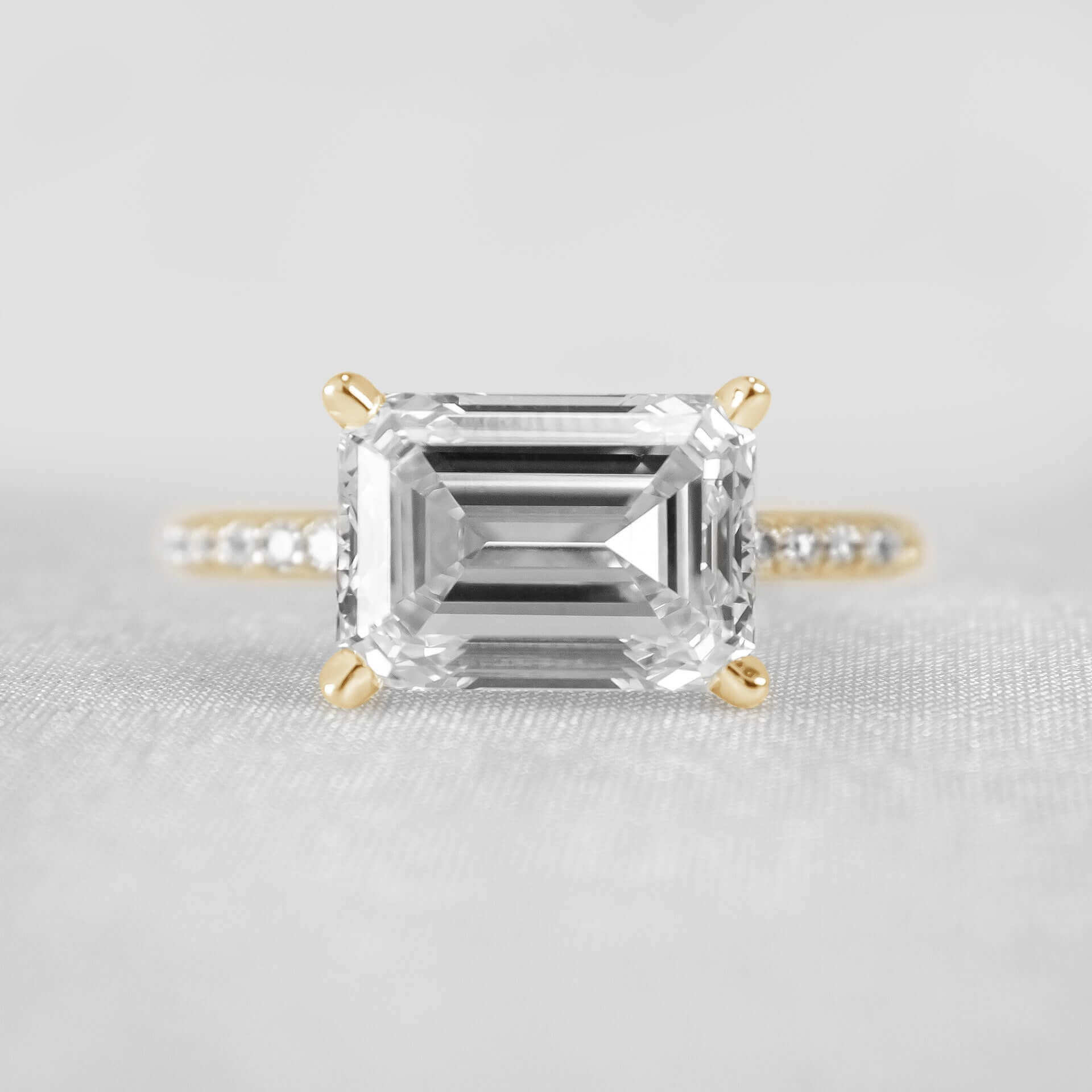
East-west engagement rings turn an elongated diamond on its side so it sits across the finger instead of along it. The Mia does this with a solitaire; the Adelaide sets an emerald cut over an east-west pavé band.
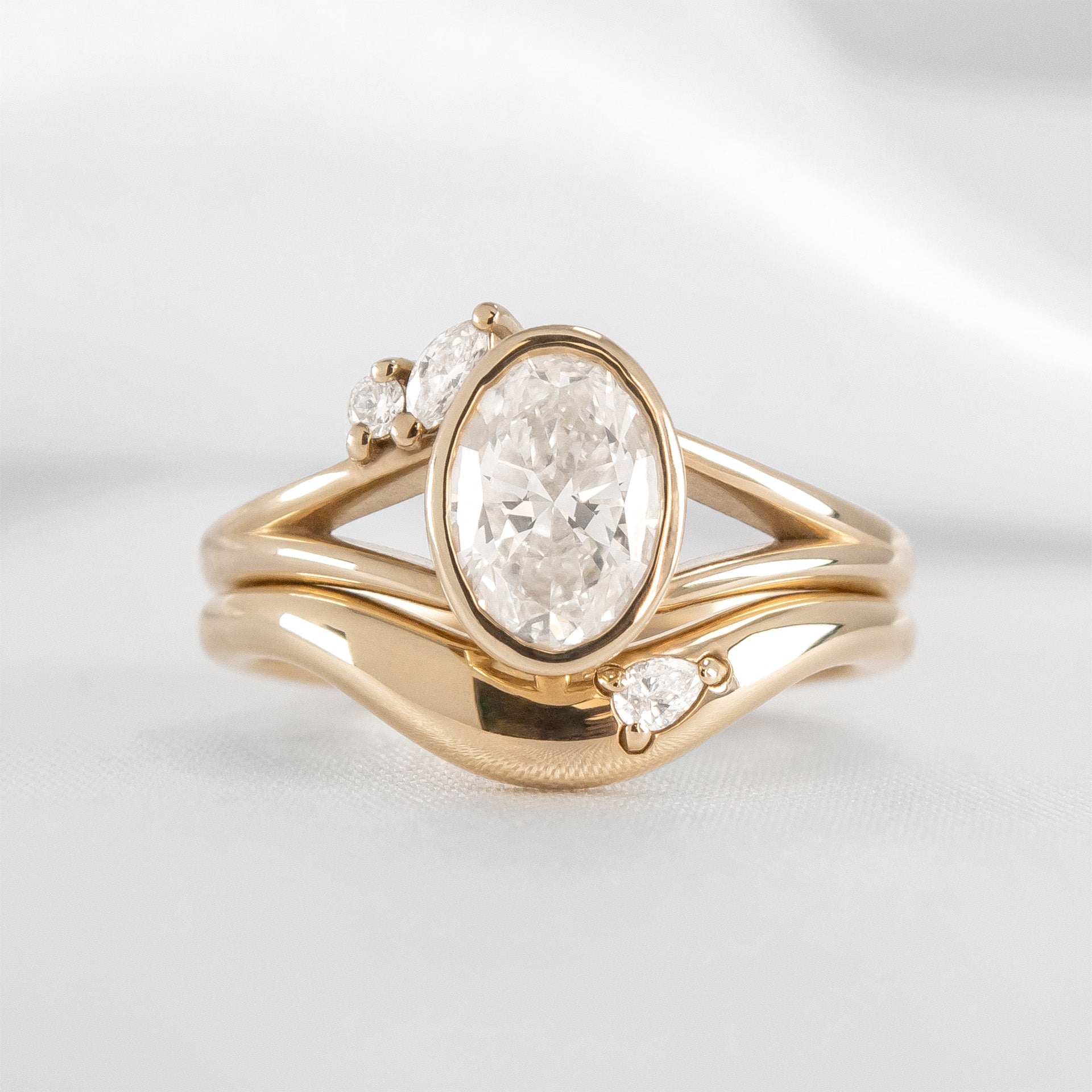
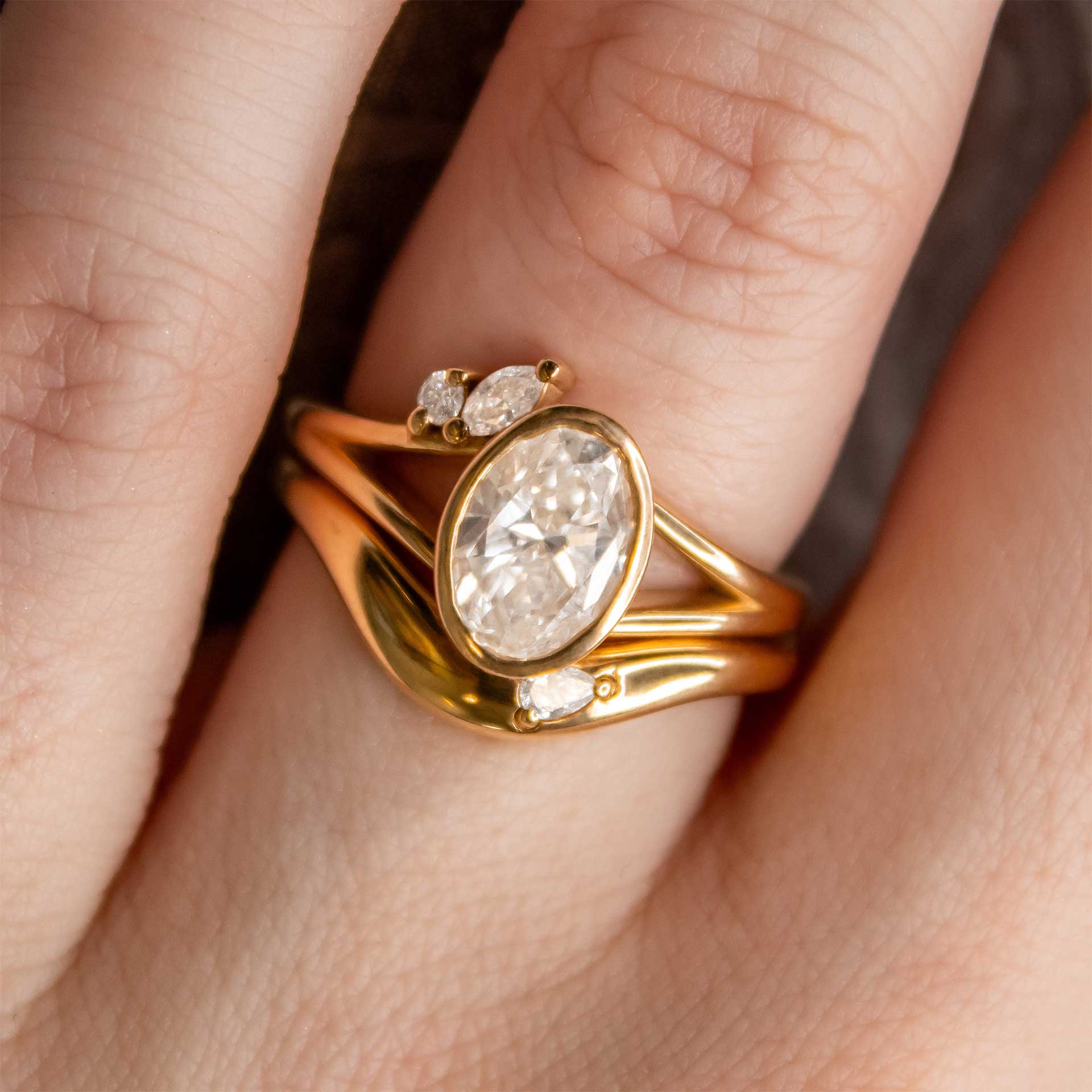
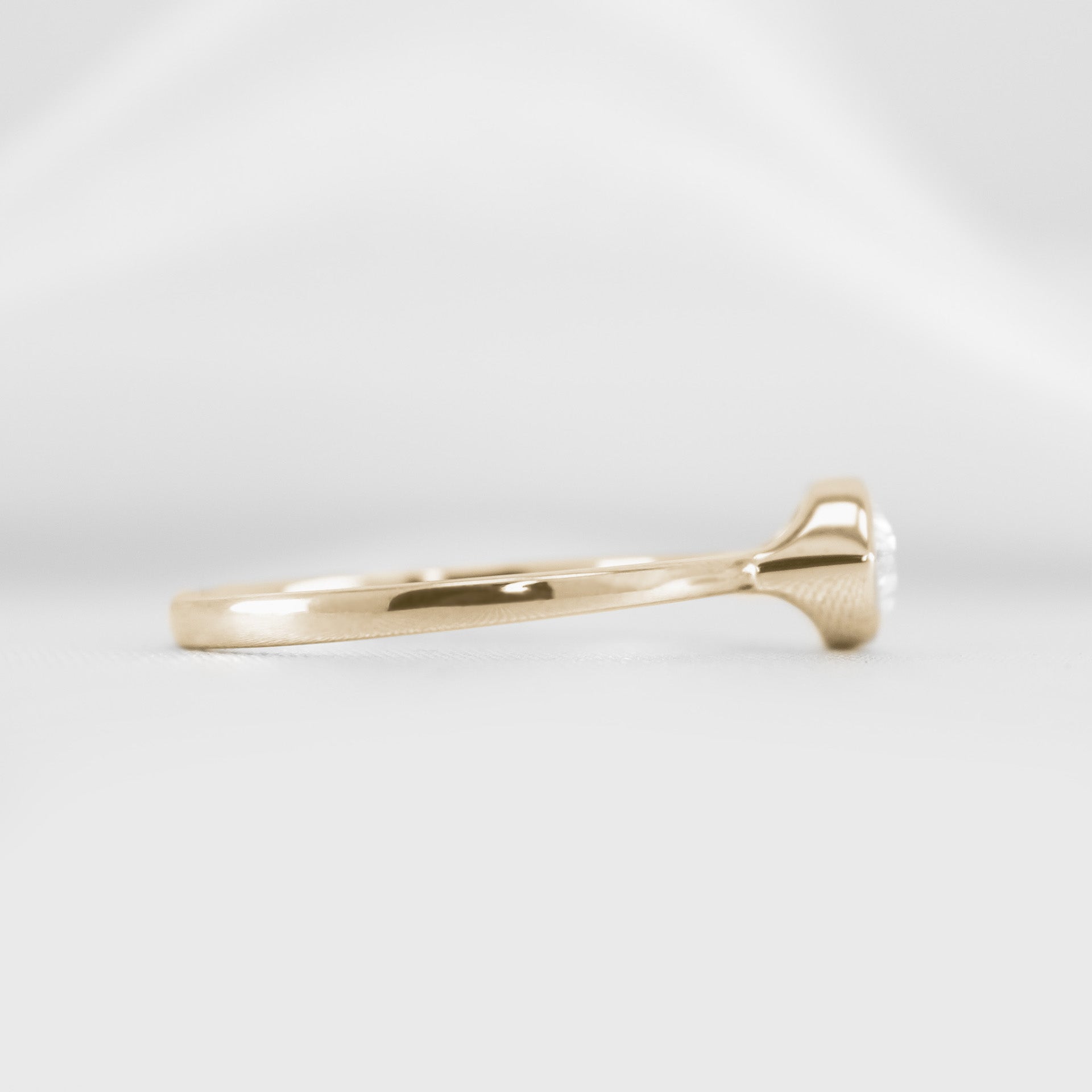
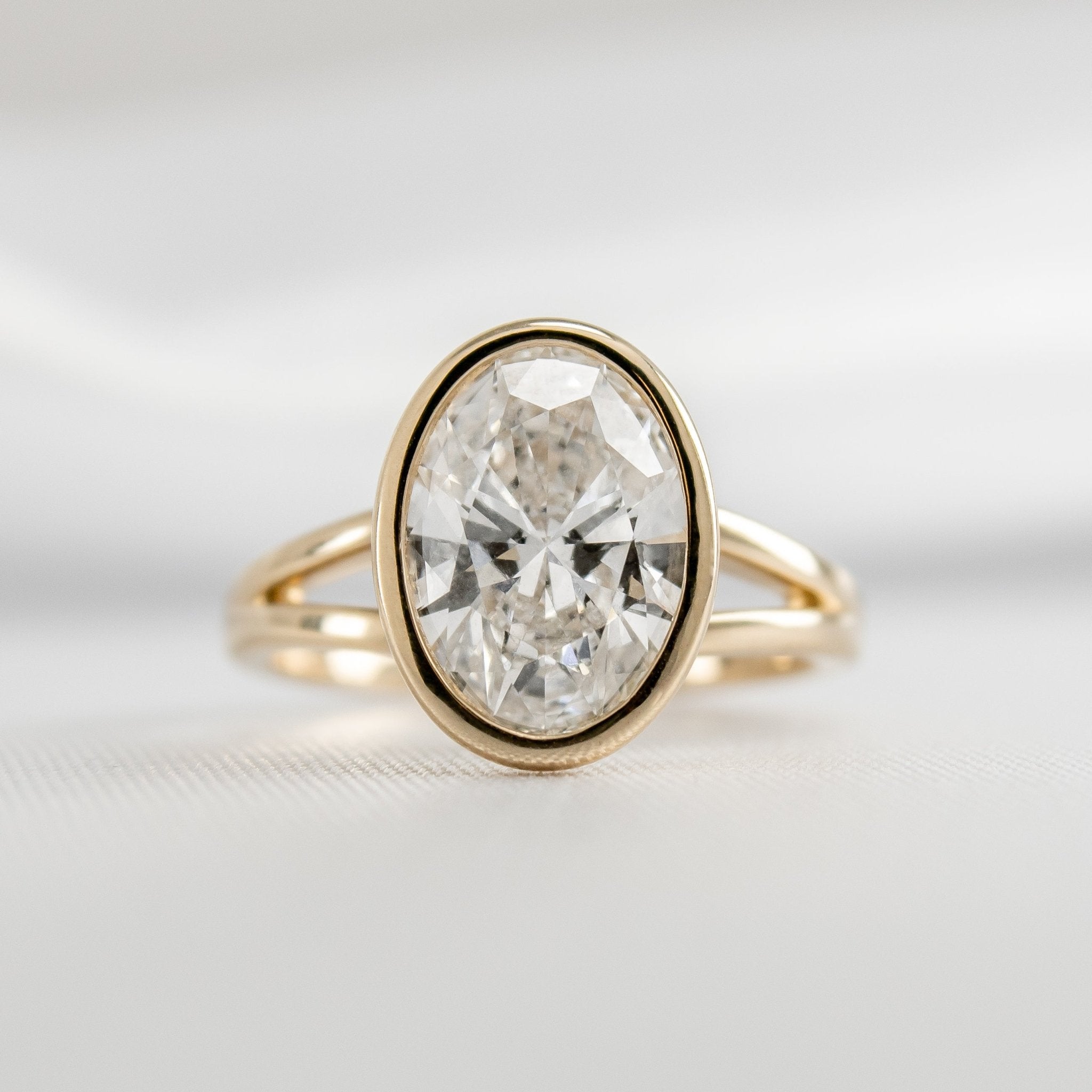
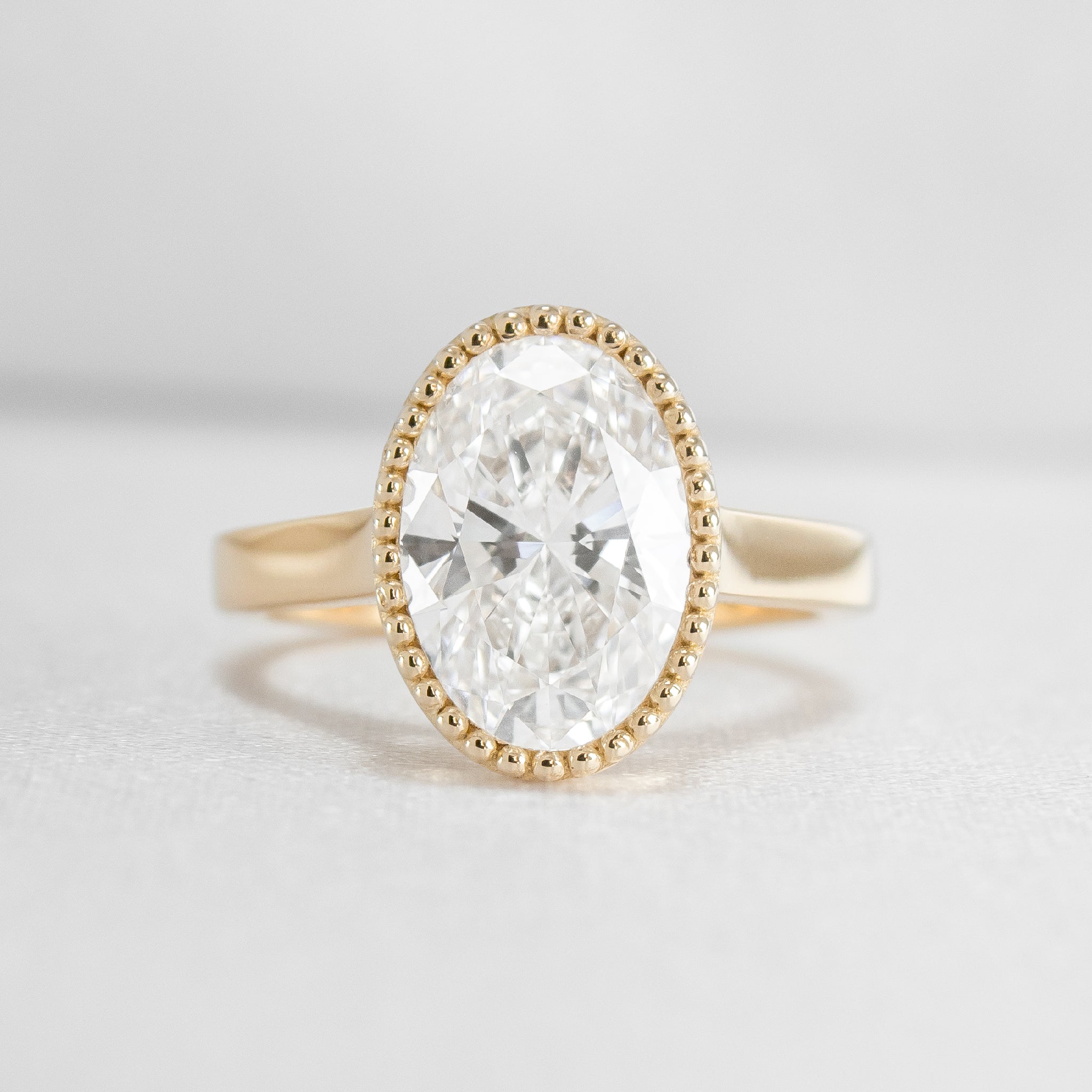
Bezel engagement rings wrap a rim of metal fully around the diamond — one of the most secure settings and a clean, modern line. The Emery shows what a bezel does for an elongated diamond.
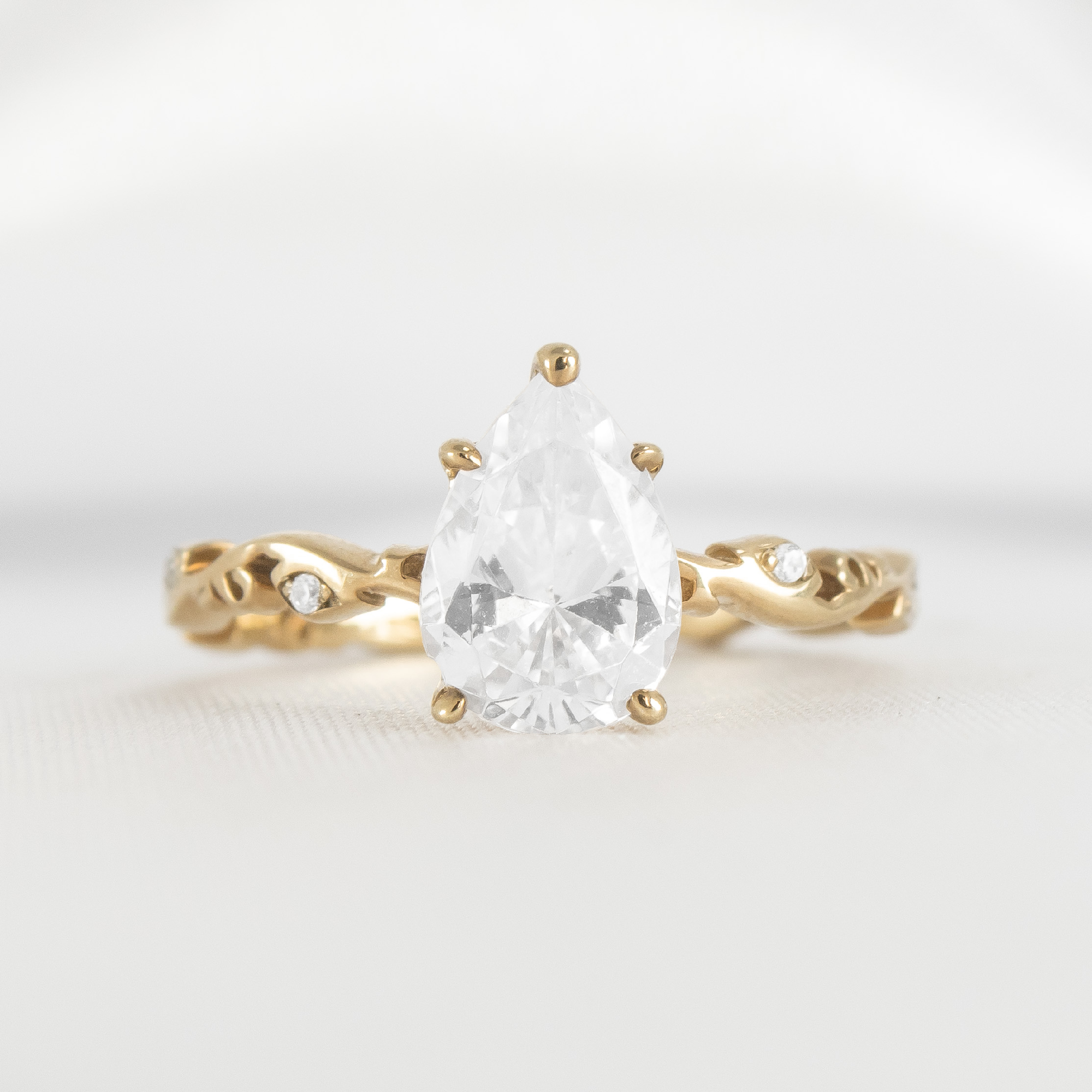
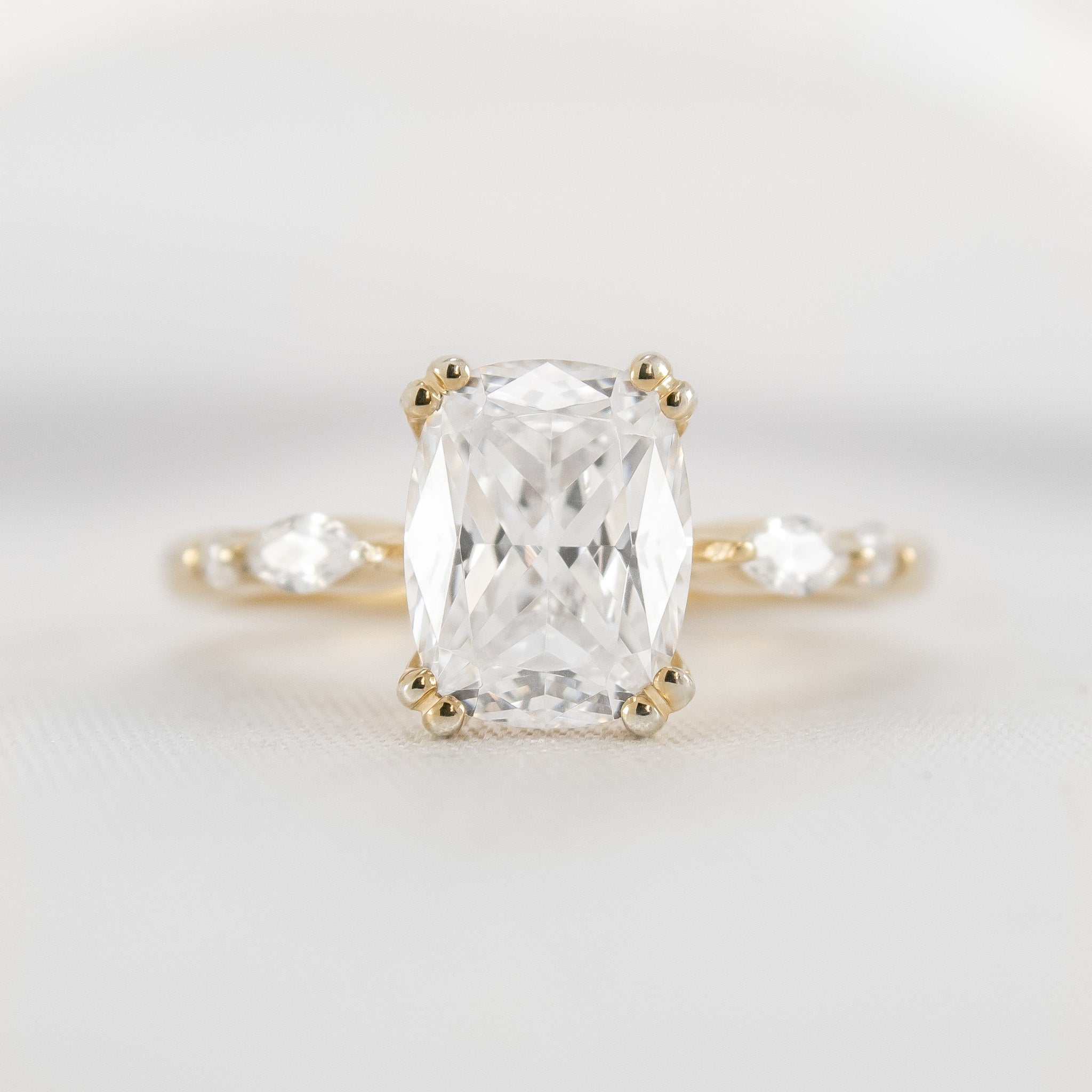
Vintage style engagement rings draw on Edwardian, Victorian, and Art Deco detailing — milgrain edges, filigree, and double-prong heads. The Sage carries vintage detailing into a wearable everyday design.
A toi et moi design, like the Lyric, sets two diamonds side by side instead of one — French for "you and me." If you are drawn to an elongated look, oval, pear, and marquise diamonds lengthen the finger and work across most of these styles.
Shop by Diamond Shape
The same setting reads differently depending on the shape at its center. Choose the shape first, or try several — trying shapes on is the best way to know what feels right on your hand.
Round · Oval · Emerald Cut · Princess Cut · Pear · Marquise · Cushion · Asscher · Radiant · Rose Cut
Colored Diamond and Gemstone Engagement Rings
Not every center is a colorless diamond. A colored diamond keeps full diamond hardness and brilliance, with the addition of body color. A colored gemstone brings its own color and meaning, with durability that varies by gem.
Colored diamonds: Yellow · Blue · Pink · Green · Champagne & Chocolate · Salt & Pepper
Gemstones: Sapphire · Emerald · Ruby · Morganite · Aquamarine · Moissanite
How Your Metal Choice Shapes the Ring
Metal sets the tone of the ring and changes how the diamond reads against it. Every design is available in 14K yellow gold, 14K white gold, 14K rose gold, and platinum.
14K yellow gold brings warmth to the band and pairs naturally with vintage detailing and warmer diamonds. The color lives in the metal around the diamond rather than in the diamond itself.
14K white gold and platinum give the diamond a neutral, bright backdrop that lets its brilliance dominate — a clean choice for east-west, bezel, and solitaire designs. Platinum is naturally white and denser; white gold is finished with rhodium for the same bright tone.
14K rose gold carries a soft pink tone from its copper alloy, adding warmth without the depth of yellow gold. It suits vintage and cluster designs well.
Choosing Your Engagement Ring
Diamond or gemstone. A diamond gives you maximum hardness and brilliance for daily wear. A colored diamond adds body color while keeping that durability. A colored gemstone — sapphire, emerald, ruby, morganite, aquamarine, or moissanite — brings distinct color and meaning, with durability that varies by gem. We talk through the trade-offs so the choice fits how you live.
Lab grown or natural. Both are real diamonds. Lab grown lets most couples reach a larger or higher-quality diamond within budget; natural carries the appeal of a diamond formed over geologic time. The choice is yours, and we explain exactly what changes and what doesn't.
The wedding ring. It's worth thinking about your wedding ring while you design the engagement ring — some shapes and settings pair more easily than others, and we can plan for both at once.
For a deeper look at every setting style, read The Lover's Guide to Engagement Ring Styles.
Begin Your Engagement Ring
Place your order online and we'll guide you through your diamond and design choices, or book a private design appointment — virtual, by phone, or in studio — to design your ring together from the start.
What Defines a Lisa Robin Engagement Ring
Each design in this collection is its own idea, not a variation on a single template. The Allison is a clean four-prong solitaire built to put the diamond first. The Galaxy Cluster scatters diamonds in deliberate asymmetry rather than an even circle. The Lyric pairs two diamonds in a toi et moi. The Hadley shapes a marquise halo to the silhouette of its center. The Katharine runs a knife-edge band to a six-prong head. Different starting points, each one a specific design rather than a default.
You select the exact center — natural or lab grown diamond, colored diamond, or colored gemstone, in any shape — from millions available through the Lisa Robin Global Diamond Collection. Your ring is then hand-crafted to fit the diamond or gemstone you choose.
Beyond the named designs, any ring can be refined before crafting begins: adjust the band width, change the prong style, modify proportions, or coordinate the design with a future wedding ring. Any change to pricing is shared with you transparently before you approve. Designs are created in our private studio in Dayton, Ohio, and hand-crafted in our New York workshop.
Engagement Ring Styles Explained
Each style is a different answer to the same question: how should the diamond sit on your hand. Here is what each one does, with a Lisa Robin design that shows it.
Solitaire engagement rings put a single diamond at the center with nothing competing for attention. The setting's job is to hold the diamond securely and let it carry the ring. The Allison does this with four prongs and a clean band; the Katharine adds a knife-edge band and a six-prong head.
Halo engagement rings frame the center diamond with a ring of smaller diamonds, which draws light inward and makes the center read larger on the hand. The Jaylin arranges its halo in four petal-like clusters; the Hadley shapes the halo to follow a marquise center.
Hidden halo engagement rings place the accent diamonds beneath the center diamond rather than around it — a layer of sparkle visible from the side, not the top. The Casey carries a hidden halo under the center alone; the Cameron pairs one with a pavé band.
Side stone engagement rings set diamonds along the band on either side of the center, adding light without enclosing the diamond. The Marley and the Robin both build the band into part of the design. The Polaris scatters small diamonds across the band like points of light.
Three stone engagement rings place a center diamond between two companion diamonds — often read as past, present, and future. The Devon sets the center between tapered baguettes for a clean, architectural line.
Cluster engagement rings group multiple diamonds into a single composition rather than relying on one center. The Galaxy scatters its diamonds in deliberate asymmetry; the Chloe and the Anna build tighter, more symmetric clusters.
Twist engagement rings curve the band so two lines cross at the center, wrapping the diamond in motion. The Leila, Amelia, and Remy each take the twist in a different direction.
East-west engagement rings turn an elongated diamond on its side so it sits across the finger instead of along it. The Mia does this with a solitaire; the Adelaide sets an emerald cut over an east-west pavé band.
Bezel engagement rings wrap a rim of metal fully around the diamond — one of the most secure settings and a clean, modern line. The Emery shows what a bezel does for an elongated diamond.
Vintage style engagement rings draw on Edwardian, Victorian, and Art Deco detailing — milgrain edges, filigree, and double-prong heads. The Sage carries vintage detailing into a wearable everyday design.
A toi et moi design, like the Lyric, sets two diamonds side by side instead of one — French for "you and me." If you are drawn to an elongated look, oval, pear, and marquise diamonds lengthen the finger and work across most of these styles.
Shop by Diamond Shape
The same setting reads differently depending on the shape at its center. Choose the shape first, or try several — trying shapes on is the best way to know what feels right on your hand.
Round · Oval · Emerald Cut · Princess Cut · Pear · Marquise · Cushion · Asscher · Radiant · Rose Cut
Colored Diamond and Gemstone Engagement Rings
Not every center is a colorless diamond. A colored diamond keeps full diamond hardness and brilliance, with the addition of body color. A colored gemstone brings its own color and meaning, with durability that varies by gem.
Colored diamonds: Yellow · Blue · Pink · Green · Champagne & Chocolate · Salt & Pepper
Gemstones: Sapphire · Emerald · Ruby · Morganite · Aquamarine · Moissanite
How Your Metal Choice Shapes the Ring
Metal sets the tone of the ring and changes how the diamond reads against it. Every design is available in 14K yellow gold, 14K white gold, 14K rose gold, and platinum.
14K yellow gold brings warmth to the band and pairs naturally with vintage detailing and warmer diamonds. The color lives in the metal around the diamond rather than in the diamond itself.
14K white gold and platinum give the diamond a neutral, bright backdrop that lets its brilliance dominate — a clean choice for east-west, bezel, and solitaire designs. Platinum is naturally white and denser; white gold is finished with rhodium for the same bright tone.
14K rose gold carries a soft pink tone from its copper alloy, adding warmth without the depth of yellow gold. It suits vintage and cluster designs well.
Choosing Your Engagement Ring
Diamond or gemstone. A diamond gives you maximum hardness and brilliance for daily wear. A colored diamond adds body color while keeping that durability. A colored gemstone — sapphire, emerald, ruby, morganite, aquamarine, or moissanite — brings distinct color and meaning, with durability that varies by gem. We talk through the trade-offs so the choice fits how you live.
Lab grown or natural. Both are real diamonds. Lab grown lets most couples reach a larger or higher-quality diamond within budget; natural carries the appeal of a diamond formed over geologic time. The choice is yours, and we explain exactly what changes and what doesn't.
The wedding ring. It's worth thinking about your wedding ring while you design the engagement ring — some shapes and settings pair more easily than others, and we can plan for both at once.
For a deeper look at every setting style, read The Lover's Guide to Engagement Ring Styles.
Begin Your Engagement Ring
Place your order online and we'll guide you through your diamond and design choices, or book a private design appointment — virtual, by phone, or in studio — to design your ring together from the start.
Frequently Asked Questions About Lisa Robin Engagement Rings
Where are Lisa Robin engagement rings made?
