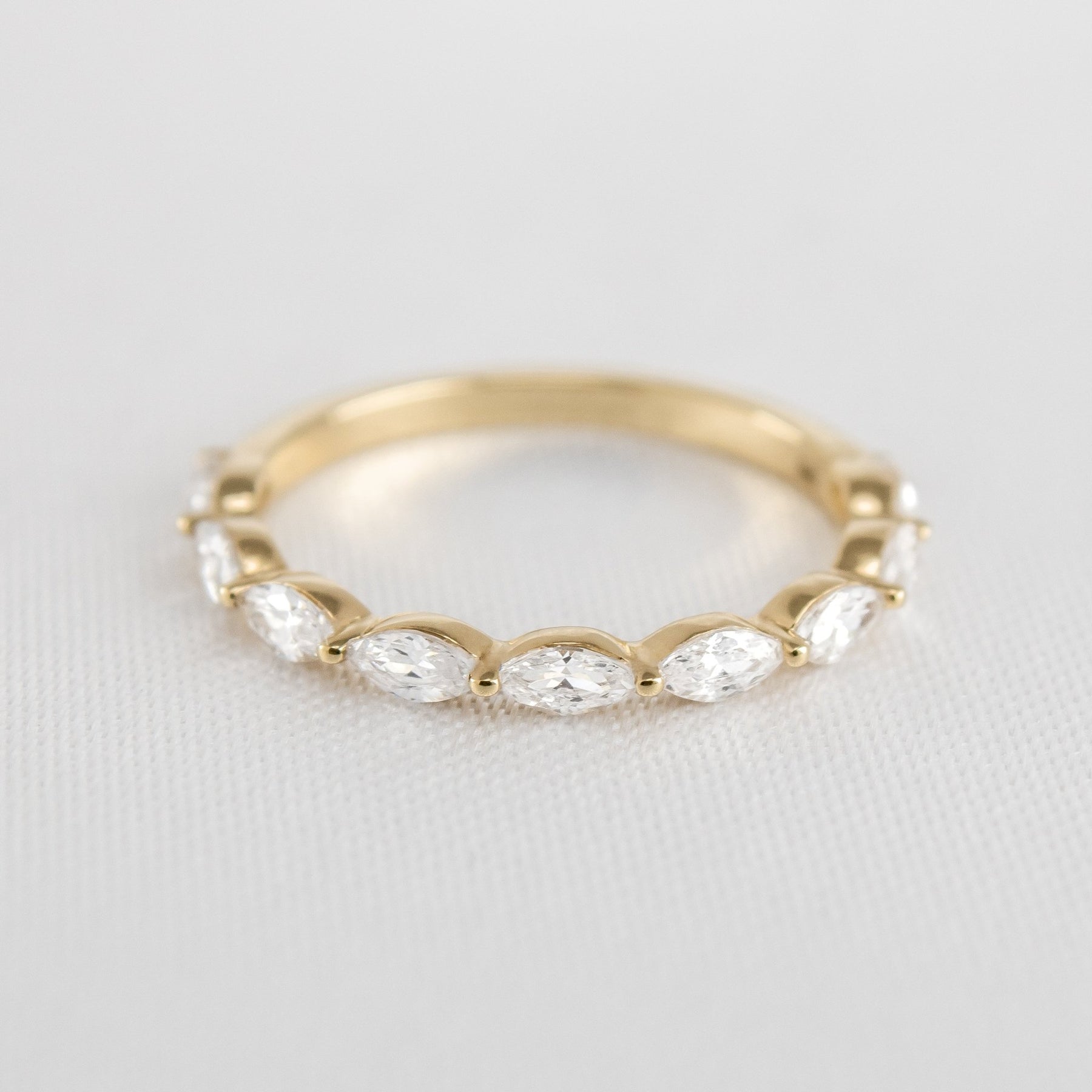
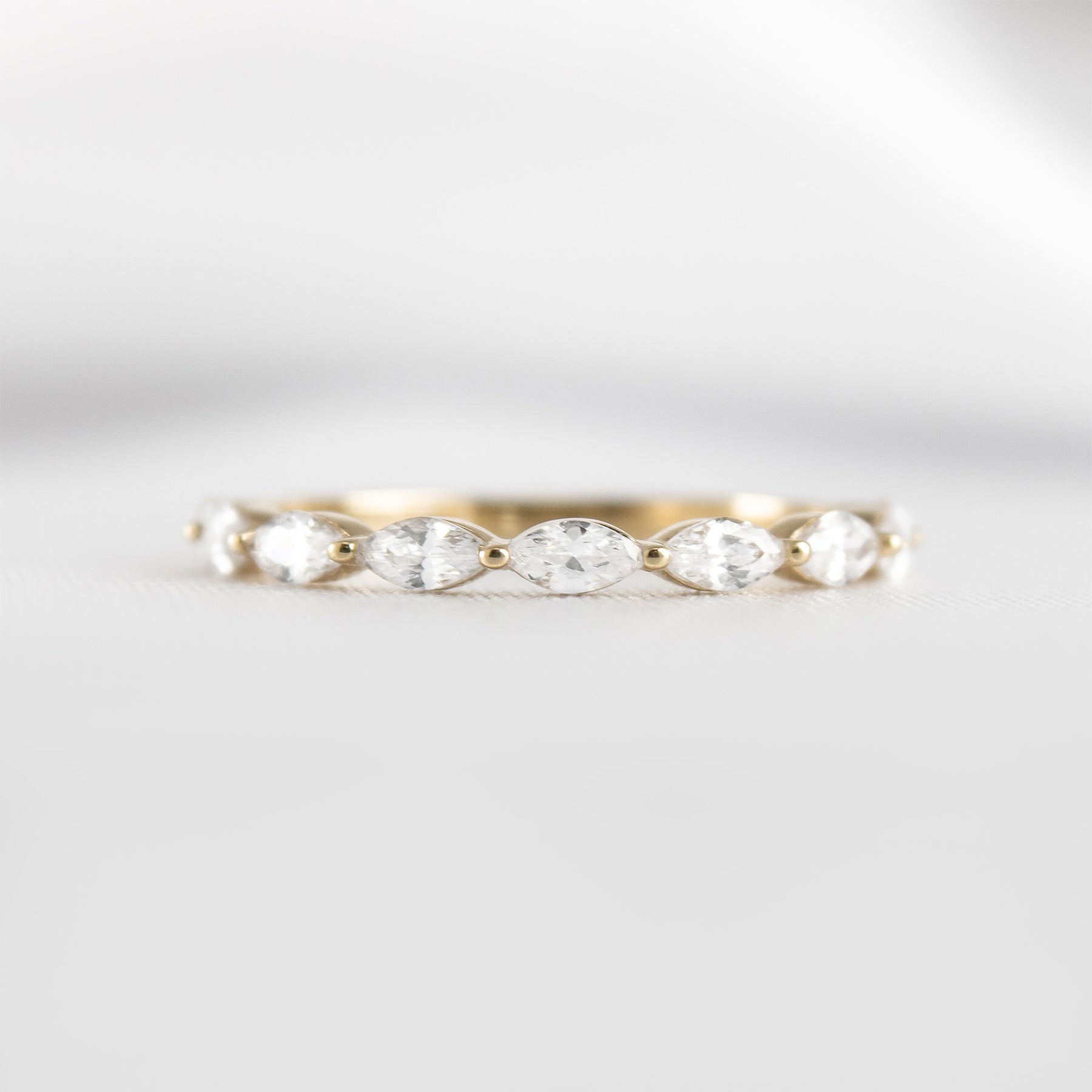
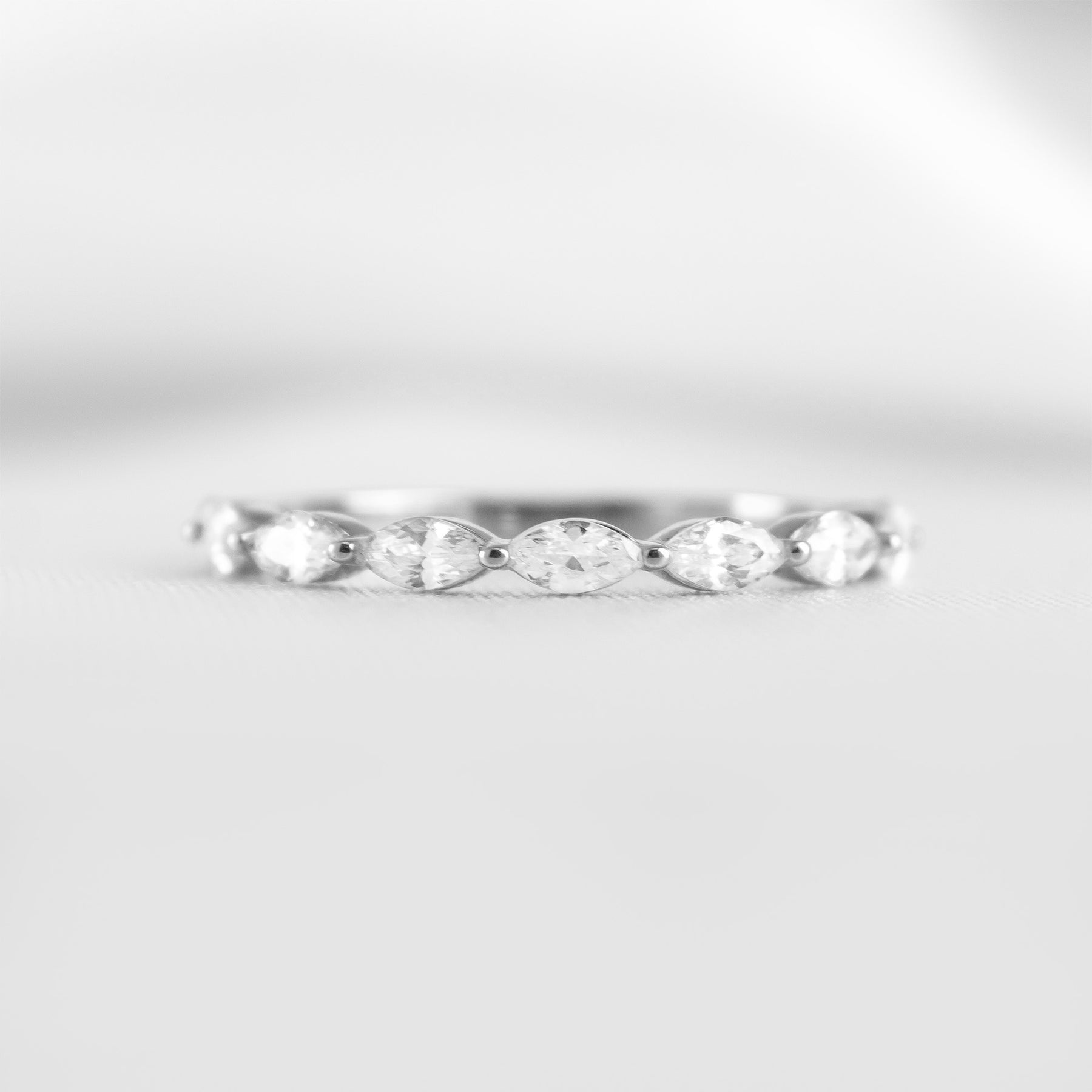




Finley marquise lab diamond 14K yellow gold wedding ring from front by Lisa Robin
The Finley marquise diamond 14K yellow gold wedding ring on model hand by Lisa Robin
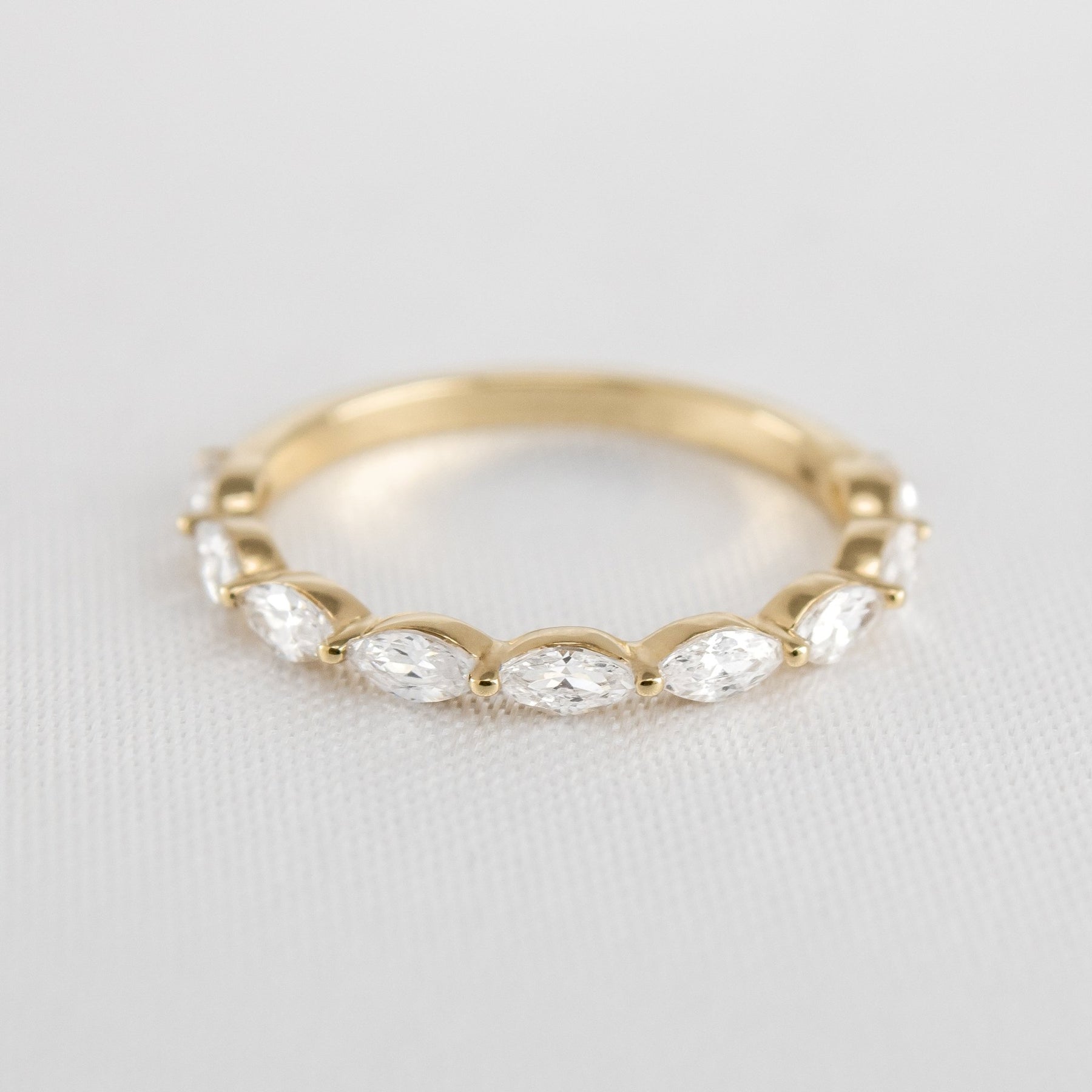
Finley marquise lab diamond 14K yellow gold wedding ring from top angle by Lisa Robin
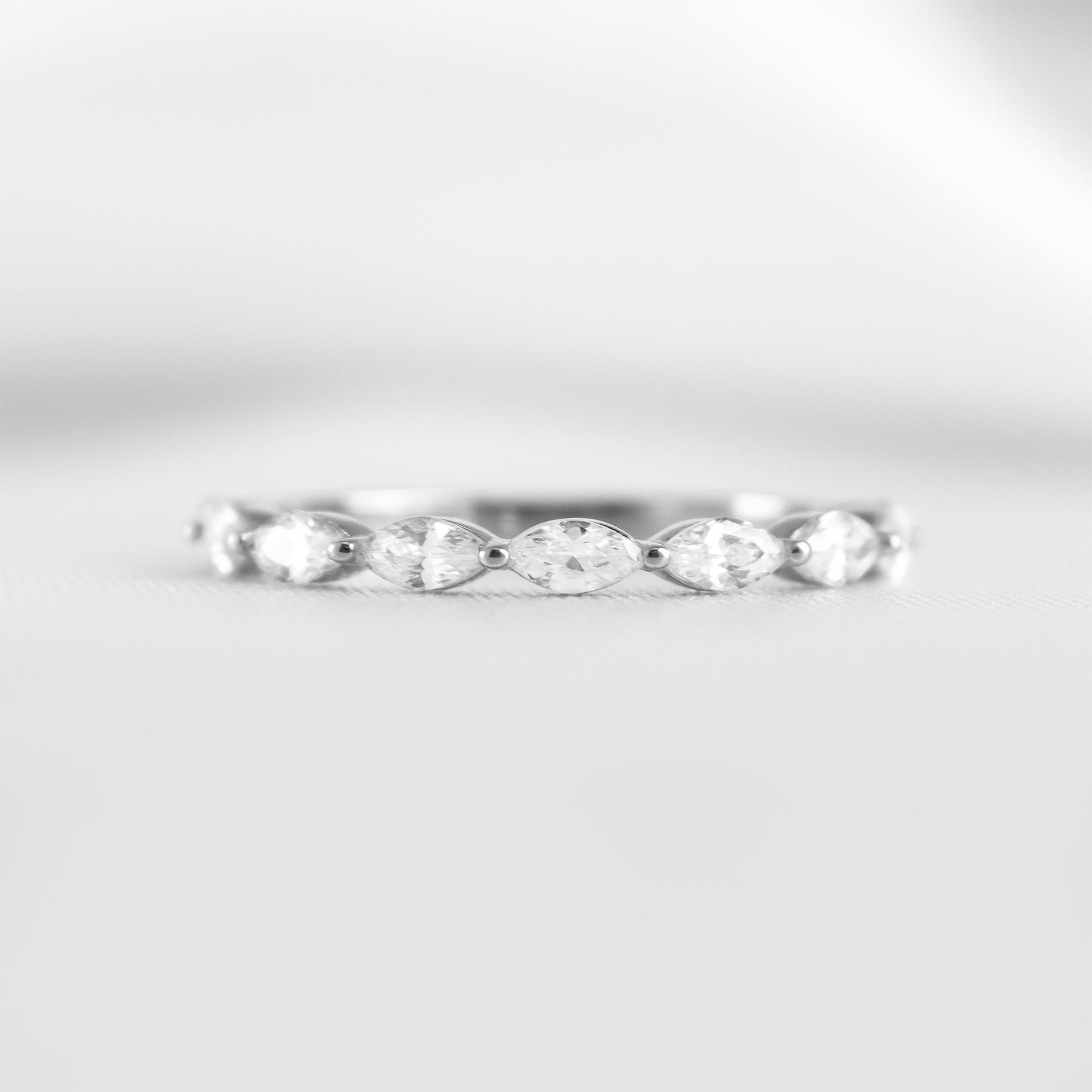
Finley marquise lab diamond 14K white gold wedding ring from front by Lisa Robin
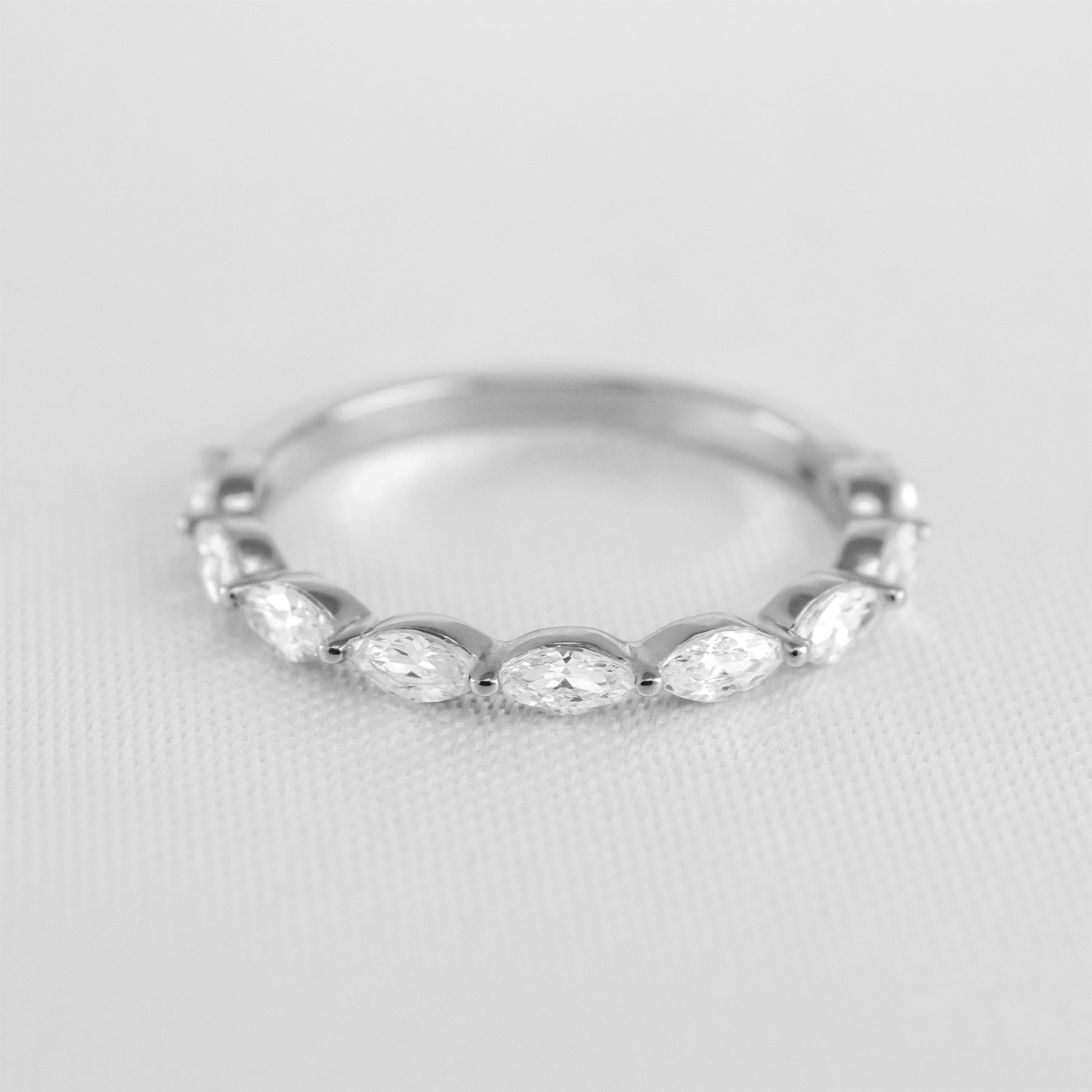
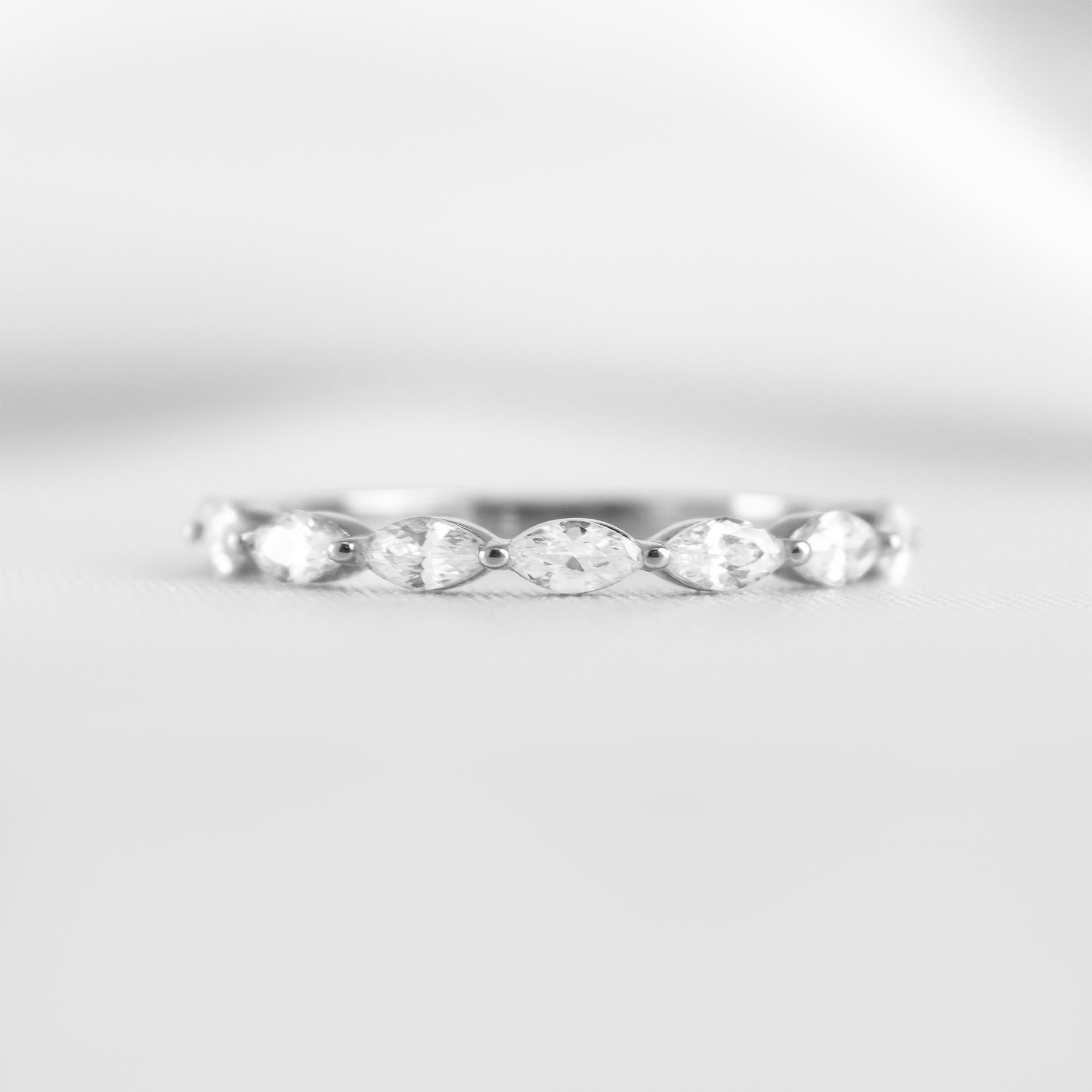
Finley marquise lab diamond 14K white gold wedding ring from top angle by Lisa Robin
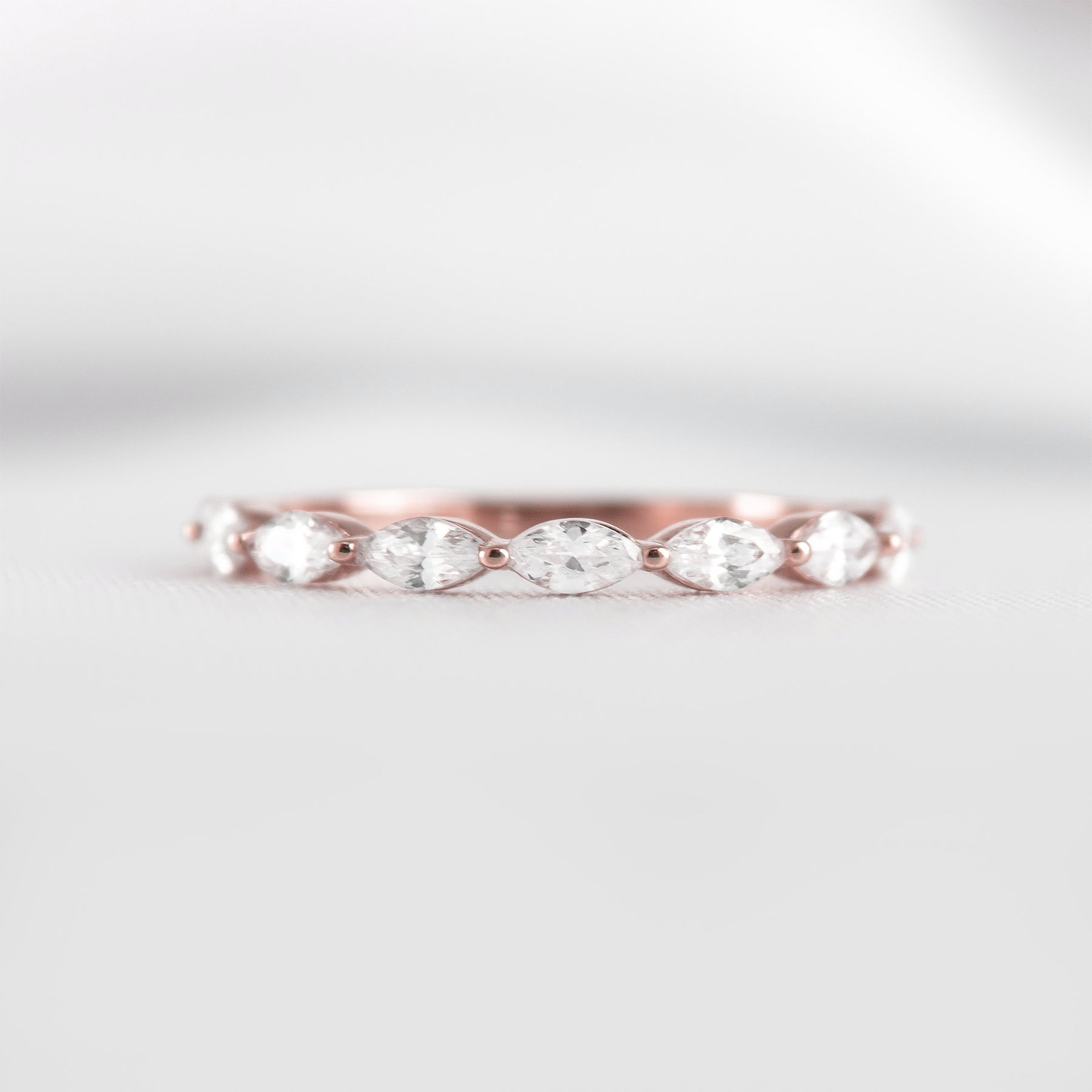
Finley marquise lab diamond 14K rose gold wedding ring from front by Lisa Robin
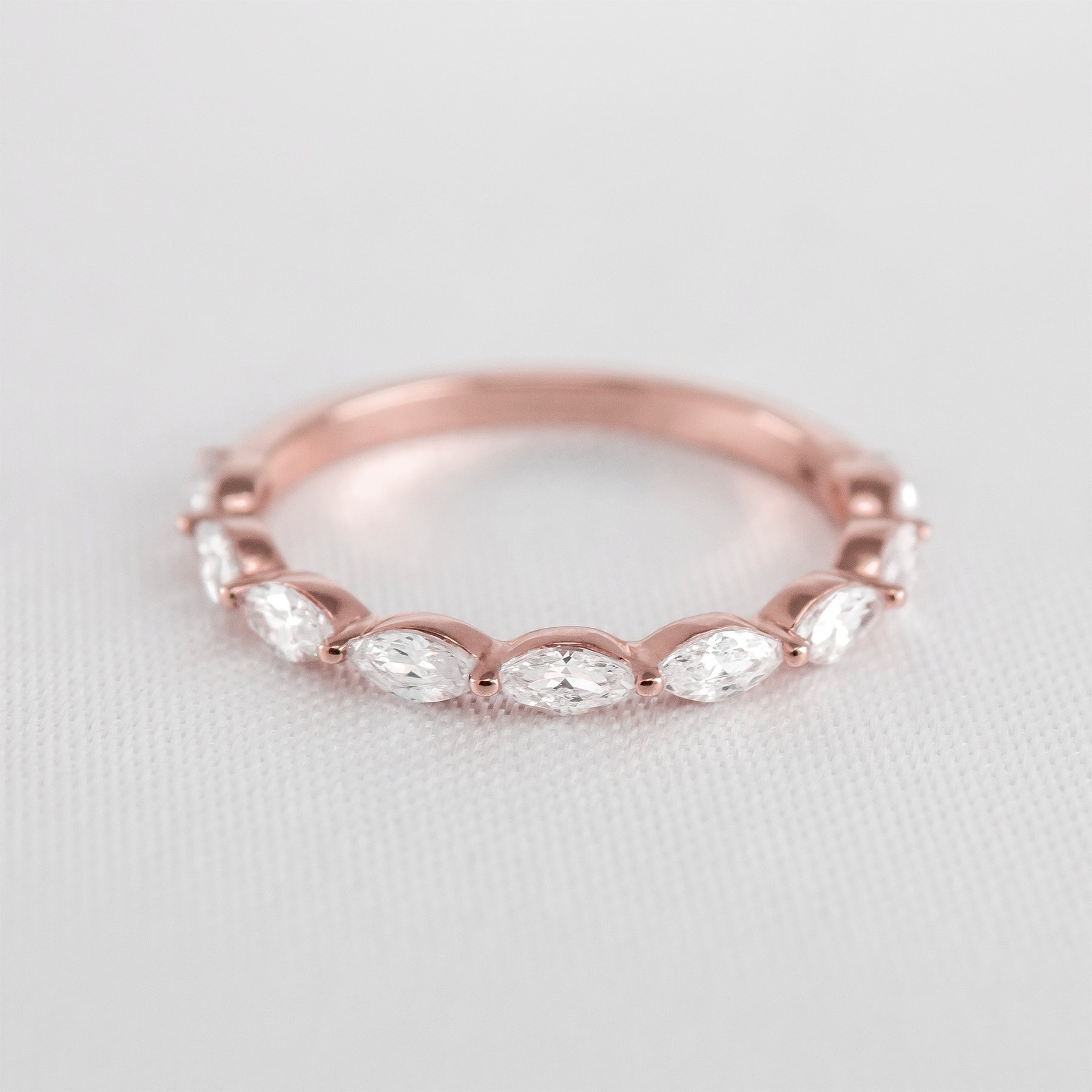
Finley marquise lab diamond 14K rose gold wedding ring from top angle by Lisa Robin
Finley marquise lab diamond platinum wedding ring from front by Lisa Robin
Finley marquise lab diamond platinum wedding ring from top angle by Lisa Robin
Finley marquise lab diamond 18K yellow gold wedding ring from front by Lisa Robin
Finley marquise lab diamond 18K yellow gold wedding ring from top angle by Lisa Robin
Finley marquise lab diamond 18K white gold wedding ring from front by Lisa Robin
Finley marquise lab diamond 18K white gold wedding ring from top angle by Lisa Robin
Finley marquise lab diamond 18K rose gold wedding ring from front by Lisa Robin
Finley marquise lab diamond 18K rose gold wedding ring from top angle by Lisa Robin
Finley marquise lab diamond 10K yellow gold wedding ring from front by Lisa Robin
Finley marquise lab diamond 10K yellow gold wedding ring from top angle by Lisa Robin
Finley marquise lab diamond 10K white gold wedding ring from front by Lisa Robin
Finley marquise lab diamond 10K white gold wedding ring from top angle by Lisa Robin
Finley marquise natural diamond 14K yellow gold wedding ring from front by Lisa Robin
Finley marquise natural diamond 14K yellow gold wedding ring from top angle by Lisa Robin
Finley marquise natural diamond 14K white gold wedding ring from front by Lisa Robin
Finley marquise natural diamond 14K white gold wedding ring from top angle by Lisa Robin
Finley marquise natural diamond 14K rose gold wedding ring from front by Lisa Robin
Finley marquise natural diamond 14K rose gold wedding ring from top angle by Lisa Robin
Finley marquise natural diamond platinum wedding ring from front by Lisa Robin
Finley marquise natural diamond platinum wedding ring from top angle by Lisa Robin
Finley marquise natural diamond 18K yellow gold wedding ring from front by Lisa Robin
Finley marquise natural diamond 18K yellow gold wedding ring from top angle by Lisa Robin
Finley marquise natural diamond 18K white gold wedding ring from front by Lisa Robin
Finley marquise natural diamond 18K white gold wedding ring from top angle by Lisa Robin
Finley marquise natural diamond 18K rose gold wedding ring from front by Lisa Robin
Finley marquise natural diamond 18K rose gold wedding ring from top angle by Lisa Robin
Finley marquise natural diamond 10K yellow gold wedding ring from front by Lisa Robin
Finley marquise natural diamond 10K yellow gold wedding ring from top angle by Lisa Robin
Finley marquise natural diamond 10K white gold wedding ring from front by Lisa Robin
Finley marquise natural diamond 10K white gold wedding ring from top angle by Lisa Robin
Finley marquise diamond 14K yellow gold wedding ring on model hand by Lisa Robin Jewelry

The Finley Marquise Diamond Wedding Ring

The Finley is a marquise diamond wedding ring with 0.63 carat of marquise-cut diamonds in a shared-prong setting across a 2mm low-profile band. A slim marquise diamond band where the pointed silhouette creates a scalloped, flowing line rather than a continuous row of rounded stones.
Regular price$ 1,350.00
/
Color
Diamond
Other payment options available at checkout

Shared-prong setting places one prong between adjacent diamonds — minimizing metal between stones so the full face of each marquise reads across the 2mm band. The pointed tips of adjacent stones nearly meet at each shared prong, which produces the flowing, scalloped line across the finger.

The marquise wedding band pairs with vintage-influenced engagement rings, marquise-center rings where the band echoes the center stone's shape, and solitaires where the band provides all the decorative detail. The 2mm width stacks with rings of any profile.

Metal Options 10K Yellow Gold, 10K White Gold, 14K Yellow Gold, 14K White Gold, 14K Rose Gold, 18K Yellow Gold, 18K White Gold, 18K Rose Gold, or Platinum. Sustainably sourced.
Setting Diamond Total Weight 0.63 carat
Setting Diamond Quality Lab grown VS–SI1, E-F-G or Natural SI1–SI2, G-H
Style Marquise diamond wedding ring
Setting Shared prong
Band 2mm
Setting Height Low
Band Profile Low, slim
Crafting Time Approximately 2-3 weeks

The Finley Marquise Diamond Wedding Ring starts at $1,350 in 10K gold with lab grown diamonds.

How does the Finley differ from a round diamond band at the same 2mm width?

The Finley uses marquise-cut diamonds with their pointed-oval silhouette, tips sharing the prong between adjacent stones. A round diamond band at the same 2mm width sets round brilliant stones in a uniform line — each stone is a circle, the band reads as a dot-dash sequence. The marquise diamond band creates a scalloped, pointed sequence with more face-up surface per stone. Marquise cuts read larger per carat than rounds, so the 0.63 carat Finley appears more substantial than a round band of equivalent weight.

What does shared-prong setting mean for the Finley's look and care?

Shared prong sets one prong between two adjacent stones rather than giving each diamond its own closing prong. This minimizes the metal between diamonds, letting more of each marquise face show across the band. The visual result is a cleaner, more diamond-forward band. From a care standpoint, each shared prong holds two stones simultaneously, so periodic professional inspection confirms both adjacent stones remain secure — the same recommendation applies to any fine jewelry worn daily.

What engagement ring styles pair well with a marquise diamond wedding ring?

Marquise diamond wedding rings pair best with vintage-influenced engagement rings, rings with a marquise center stone, and solitaires where the band carries all the decorative interest. Pairing a marquise band with a marquise-center engagement ring creates a shape echo — the pointed oval repeats from center stone through the band in a cohesive way. Rings with heavy side diamond or pavé coverage can compete visually with the band's pointed character; simpler engagement ring designs give the Finley more visual room.

Our guided approach to customizing each ring with intention and clarity.

Every Lisa Robin ring is made to order, which means your design can be thoughtfully refined—even when ordering online. Whether you’re adjusting a detail or evolving the design, we guide you through each decision to ensure the final piece feels cohesive and entirely yours.

Design Refinements can be explored after your initial order, with any pricing adjustments clearly outlined and approved before crafting begins.

Refinement options include but are not limited to:

  • Adjusting the width or taper of the band (shank)
  • Modifying or adding details
  • Adding gemstones or diamonds
  • Selecting your preferred metal type and color

Made to order Ships Oct 21 to Oct 28
Shipping costs calculated at checkout

The Finley Marquise Diamond Wedding Ring

The marquise cut has a rhythm. The pointed tips and curved belly, repeated in sequence across a band, produce a flowing line where rounds would give a dot-dash and ovals a continuous oval stripe. It's a different visual grammar.

The Finley is a slim marquise diamond band with 0.63 carat in shared-prong settings — the stones placed close enough that their pointed tips nearly meet at each prong, reinforcing the scalloped quality of the line. In white gold or platinum, the cut reads crisp and graphic. In yellow gold it pushes further into vintage territory, closer in character to a ring made a century ago than one made this year.

The Finley joins a Lisa Robin tradition of marquise diamond wedding rings designed for couples drawn to elongated shapes and the design language of earlier jewelry eras.

Design Process

The Lisa Robin Wedding Band Experience

A thoughtful process designed to bring clarity and confidence to the creation of your wedding band.

Our collection is intentionally edited — each wedding band design reflects a distinct point of view, with proportions and details that set it apart from what you've likely been seeing online.

When something here resonates, the decision tends to feel clear.

From there, we guide you in refining the details to align the design with your preferences.

Once you've chosen your wedding band, you'll select the core elements that define the design:

  • Metal type
  • Natural or lab-grown diamonds (if applicable)
  • Finger size
  • Optional engraving

If your wedding band will be worn alongside an engagement ring, we can help you evaluate how the proportions and overall profile will sit together and feel over time.

These decisions are focused and straightforward — so you can move forward with clarity.

If you'd like to adjust your diamond wedding ring, we guide you through a thoughtful refinement process — ensuring any changes support the overall balance and feel of the design.

Common refinements may include:

  • Adjusting band width or profile
  • Refining diamond size or spacing
  • Subtle modifications to improve pairing or wearability

Each change is considered within the context of the full design, so the final ring feels cohesive and intentional from every angle.

For custom refinements, we provide renderings for review before crafting begins — so you can move forward with complete confidence.

Every custom wedding band is hand-crafted to order based on your final selections.

  • Crafted specifically for your chosen design and refinements
  • No pre-made inventory or resizing shortcuts
  • Typical timeline: 2–3 weeks

If additional clarity is helpful before crafting begins, we can guide you through the next steps to ensure everything feels aligned.

What our customers say

I LOVE the ring with the engagement ring!

Samantha & Mark
Kattering OH

Hey Lisa, just want to say thank you for the awesome ring. She absolutely loves it! From our custom engagement ring to our wedding bands, Lisa Robin’s process was simple, customized, and made us feel special.

Dan & Krista
Whitestown IN

Wedding Bands for Women — Frequently Asked Questions

The terms are used interchangeably in everyday conversation — both refer to the wedding ring worn alongside an engagement ring. In our two collections, we use 'women's wedding rings' to emphasize style and design vocabulary (vintage, modern, contemporary, distinctive aesthetic choices) and 'wedding bands for women' to emphasize the band form and function (construction, resizability, daily wear practicality, fit with engagement rings). Both collections share many of the same products; the angles serve couples thinking about their wedding ring choice from different perspectives. Most couples find their wedding band through both collections.
Half eternity bands carry diamonds across the visible top portion only (with solid metal underside); they can be resized in the future and cost approximately 30-40% less than equivalent full eternity bands. Full eternity bands carry diamonds around the entire circumference for maximum brilliance from every angle, but generally cannot be resized after diamonds are set. From the wearing angle (looking down at your hand), half and full eternity look nearly identical. For couples confident their finger size is stable, full eternity offers maximum brilliance. For couples expecting potential finger size changes (pregnancy, weight changes, aging), half eternity is the practical choice with virtually identical wearing visual.
Only if your engagement ring's geometry requires it. Engagement rings with low-set centers (where the center stone projects significantly below the shank), distinctive shanks (twisted or sculptural), or geometric outlines (princess cut, baguette settings, art deco configurations) often need curved or chevron wedding bands to fit flush against them. Standard solitaire engagement rings with round or oval centers and refined shanks typically work with straight wedding bands. We can assess your specific engagement ring during the design conversation — ideally with the ring on hand or with detailed photographs — and recommend whether a straight, curved, chevron, or custom contoured wedding band fits best.
Yes, depending on the band's construction. Plain gold bands (Tanner family) can be resized within a wide range (4-5 sizes up or down). Half eternity diamond bands and partial-diamond bands can be resized within a reasonable range (2-3 sizes), though some diamonds near the resize area may need to be reset. Full eternity diamond bands generally cannot be resized because diamonds run around the entire circumference. We discuss resizability during the design conversation; if future sizing flexibility matters, we recommend half eternity, partial-diamond, or plain band constructions. All resize work on rings we've crafted is handled through our New York workshop.
Comfort fit construction refers to the interior shape of the wedding band — the inside surface that contacts the finger. Comfort fit bands have a slightly rounded (convex) interior that sits smoothly against the finger; standard fit bands have a flat interior that contacts the finger with more surface area. Most modern wedding bands (including the Tanner family) use comfort fit interior because it's smoother for daily wear and easier to slide on and off, particularly when the finger is slightly swollen. Comfort fit doesn't affect the exterior of the band — only the interior surface. Both fit styles work for daily wear; comfort fit is preferred by most wearers for its smoother feel.
Wedding band thickness (the dimension going from interior to exterior, not the width going around the finger) typically ranges from 1.3mm to 2.0mm for women's wedding bands. Thinner bands (1.3-1.5mm) read refined and lightweight. Thicker bands (1.7-2.0mm) read substantial and more durable. The choice depends on band width — narrower bands often pair with thinner thickness, wider bands often pair with thicker dimension for proportional balance. Thicker bands hold up to daily wear slightly better than thinner ones but the difference for most wearers is minor with proper care. We discuss thickness during the design conversation based on your width preference and daily wear patterns.
Yes — many wearers do, particularly during work, gym activities, gardening, or when traveling. Wedding bands designed in this collection read as complete rings on their own; you don't need to wear the engagement ring for the wedding band to look right. Some wearers eventually move the engagement ring to a different finger or wear it only for special occasions while wearing the wedding band daily. The wedding band's daily-wear-readiness is one of its primary functional qualities. For couples expecting to wear the wedding band on its own frequently, choose a design with distinct visual character (not just one designed to nest against the engagement ring).
White gold is naturally a slightly warmer, cream-toned alloy. Most white gold jewelry is plated with rhodium (a platinum-family metal) for a brighter, cooler white finish. The rhodium plating wears off gradually with daily contact — typically becoming noticeable after 2-3 years, depending on wear patterns. Without rhodium, white gold reveals its underlying warmer color, which some wearers see as 'turning yellow' (it's actually the natural white gold color showing through). Rhodium replating restores the bright white finish; we offer this service for any ring we've crafted. Some wearers prefer letting the rhodium wear naturally and embracing the warmer underlying color as the band ages.
Wedding bands in this collection are made-to-order in approximately 2-3 weeks from when your order is placed. The crafting process includes alloying the metal, forming the band, hand-setting any diamonds, and final finishing. Plain Tanner bands typically finish in 2 weeks; eternity bands with many diamonds may take the full 3 weeks; curved and contoured bands take 2-3 weeks. Custom wedding band designs take 3-4 weeks from design approval. Interior engraving adds approximately 1 week to any timeline. For wedding date deadlines, confirm timeline during the order conversation.
Yes — all wedding bands carry a lifetime warranty against manufacturing defects. The warranty includes free prong tightening, setting maintenance, finish restoration (polishing or refinishing), annual cleaning, and rhodium replating service (for white gold). Resizing is offered at modest cost (typically $75-$150 depending on size adjustment and band complexity). Diamond replacement, if a diamond is lost, is handled at the cost of the replacement diamond. We maintain records of every ring we craft to support warranty and service work indefinitely. Damage from misuse (severe impact, intentional alteration, exposure to harsh chemicals) is not covered, but normal wear and manufacturing-related issues are.