




Oval Engagement Rings
Oval engagement rings are known for their elongated elegance, balanced brilliance, and distinctive presence. This guide explores what makes the oval shape so compelling—from proportion and orientation to the structural and design details that influence how the ring looks and feels on the hand. It offers thoughtful guidance to help you choose an oval engagement ring with confidence, whether ordering online or through a private design appointment.





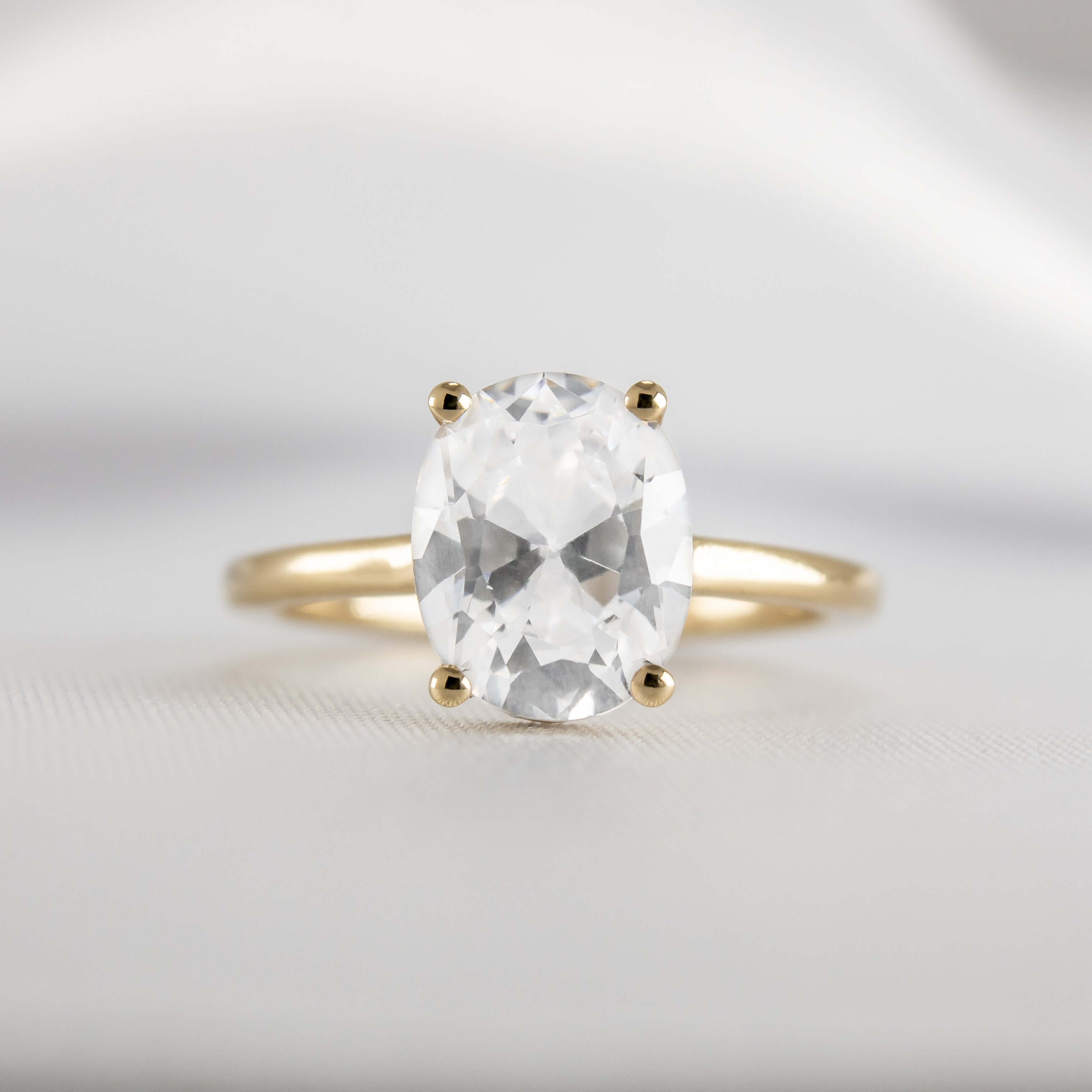

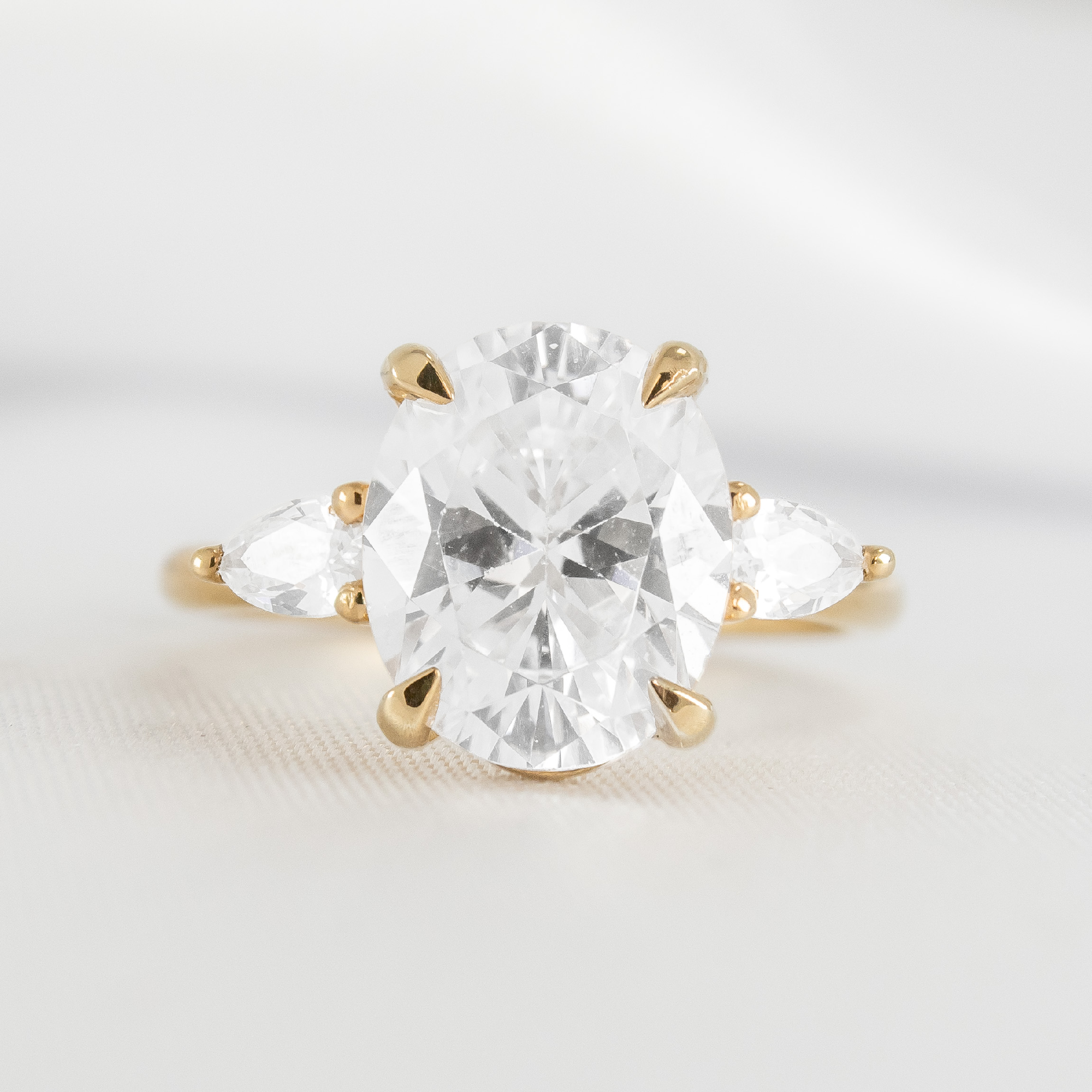


A Curated Edit of Pear Engagement Rings Crafted with Intention
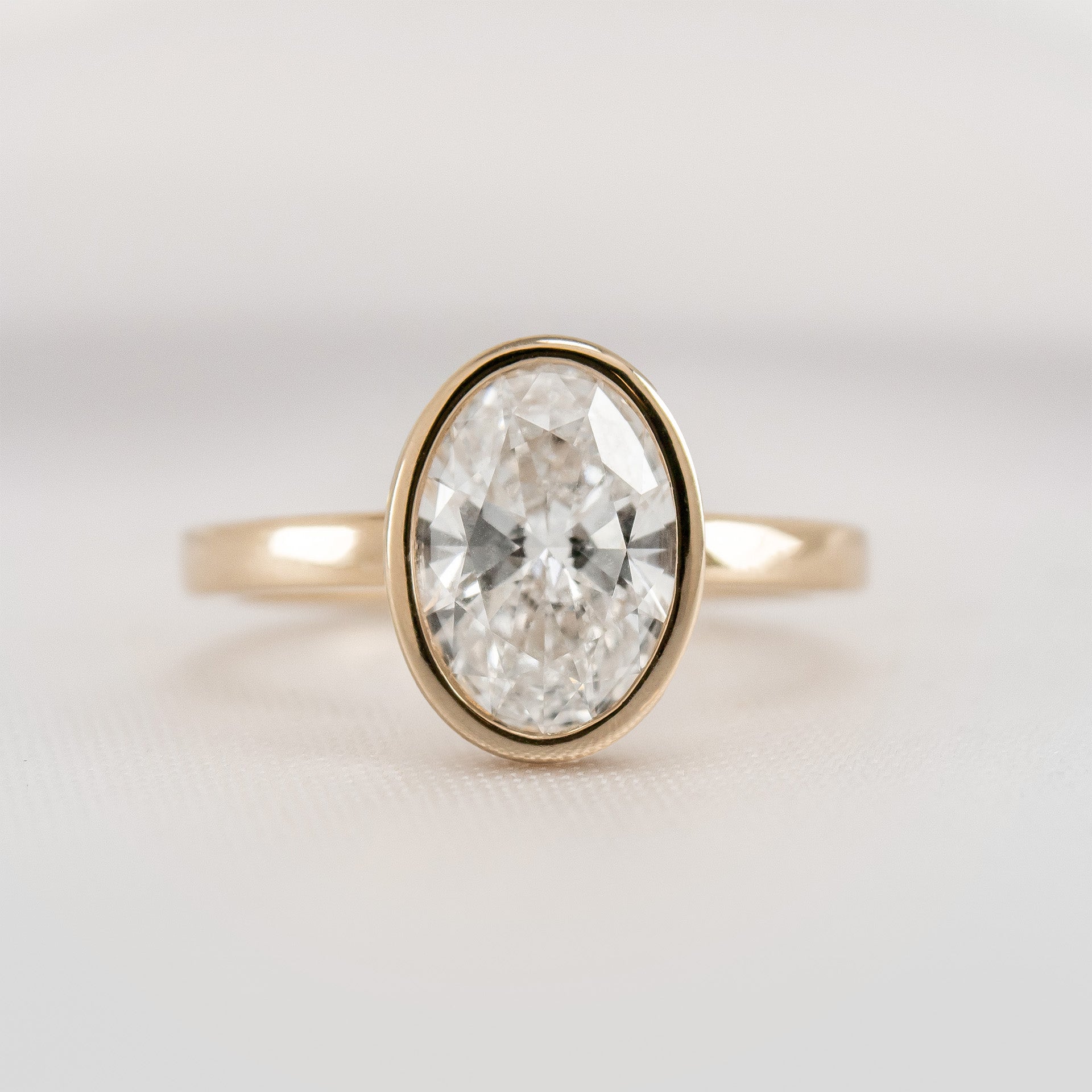
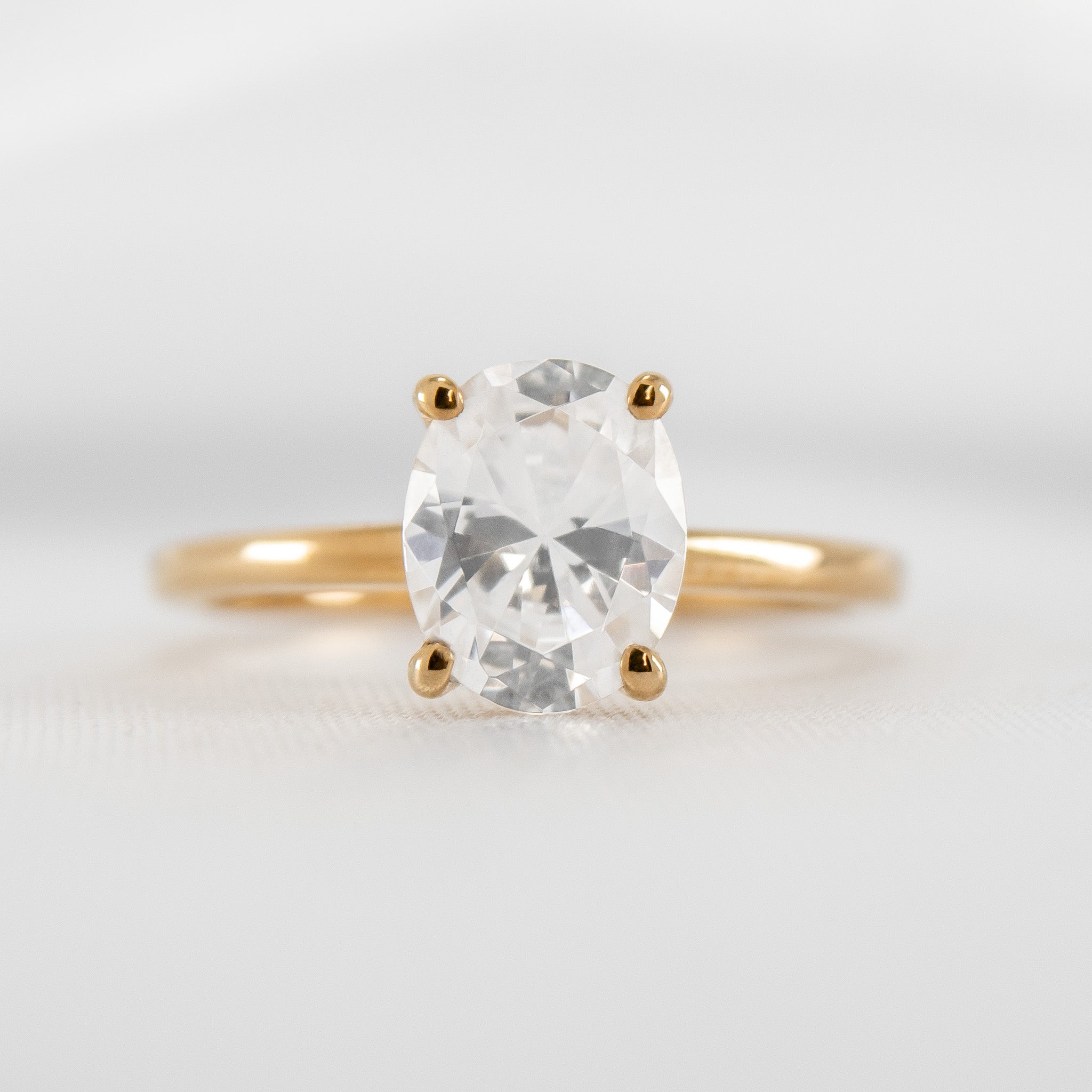
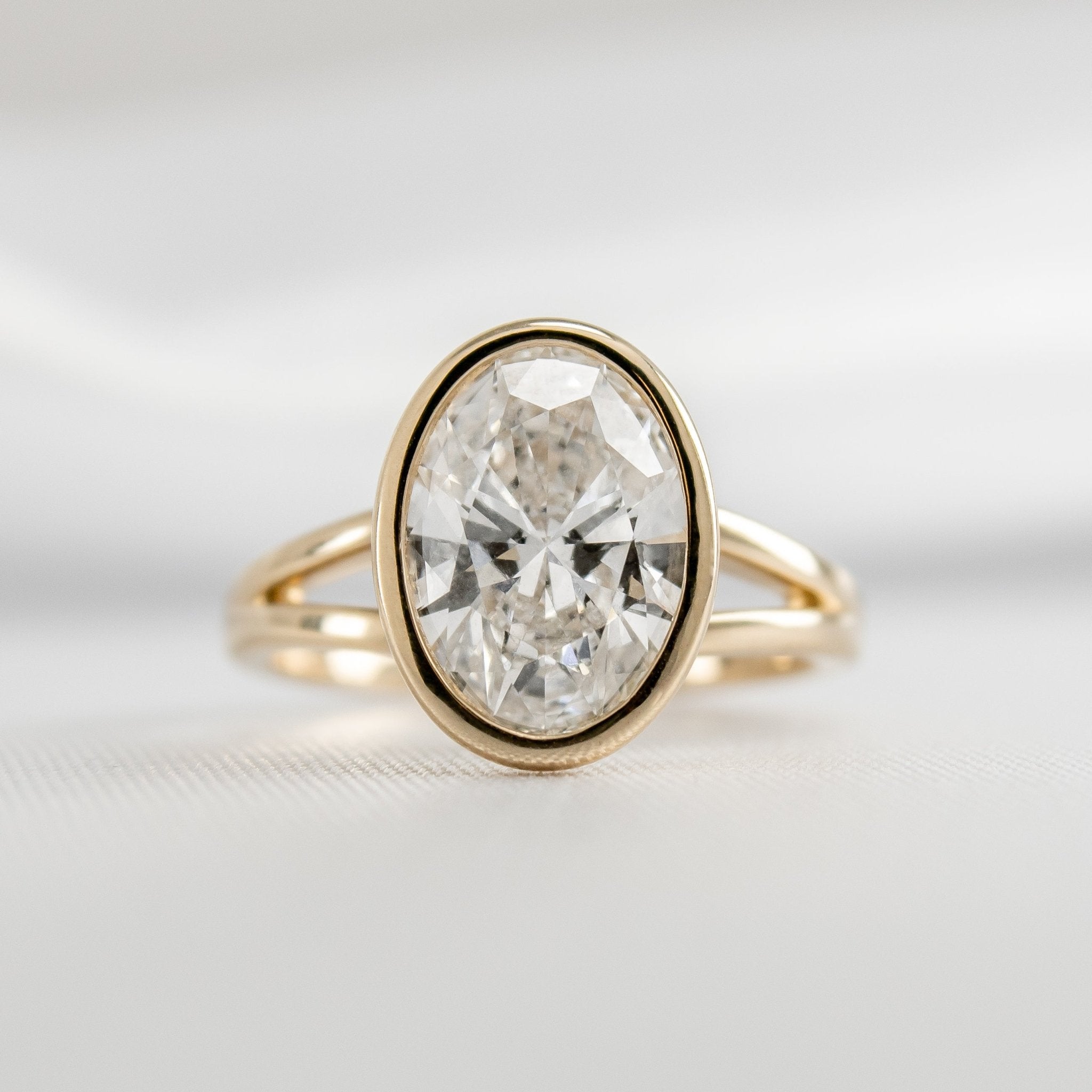
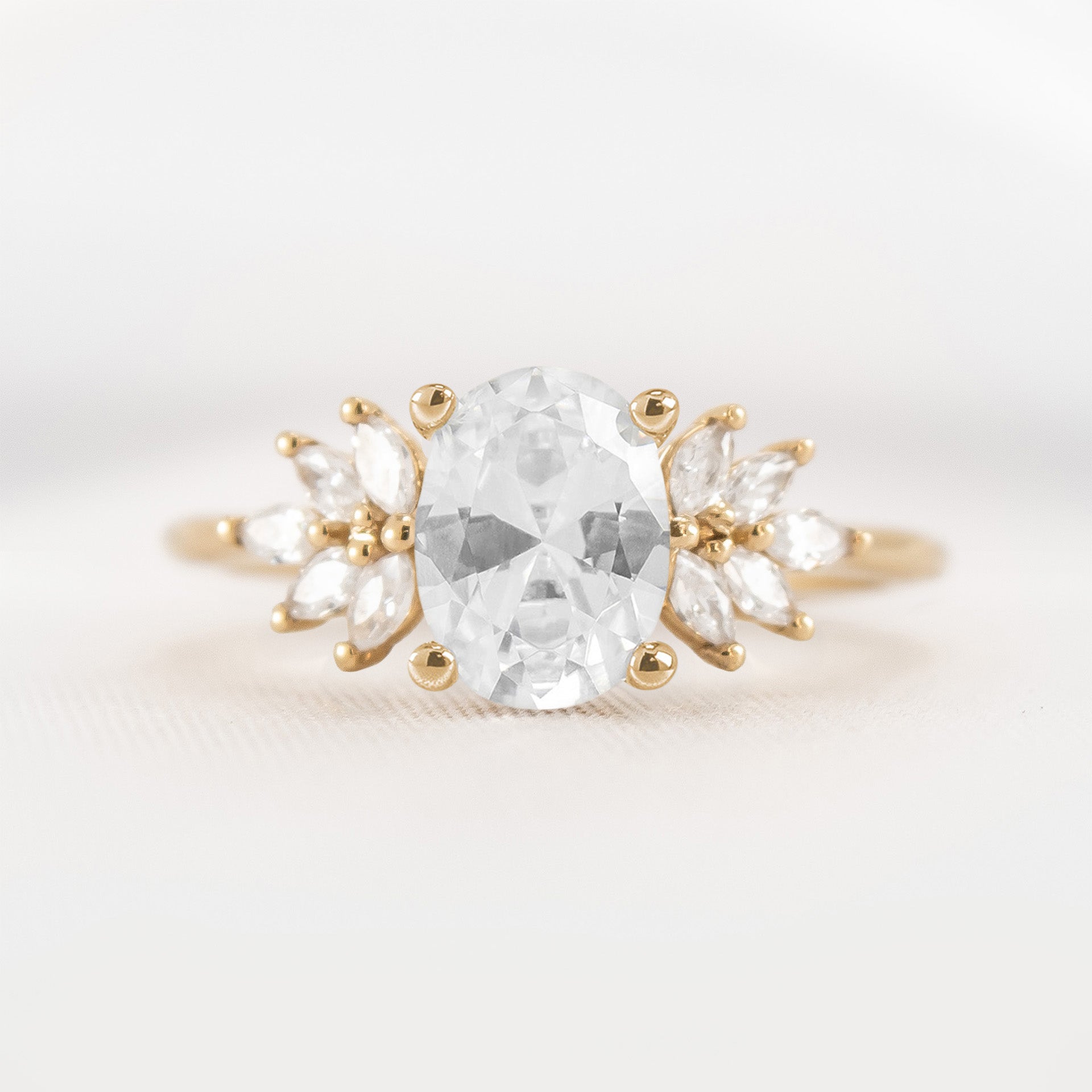
Rather than presenting an expansive assortment, we share a thoughtfully curated selection from our collection of oval engagement rings chosen for exceptional proportion, visual balance, and design integrity.
This intentional approach reduces overwhelm. With fewer, more considered options, it becomes easier to recognize what truly resonates—turning comparison into clarity. Each design is beautiful exactly as presented, or can be thoughtfully customized to reflect your preferences, including your selected center diamond or gemstone.

Choosing a Pear Engagement Ring with Confidence and Intention
If you’re drawn to oval engagement rings, it’s often because you appreciate elegance with presence. The oval shape feels refined yet expressive—timeless without feeling conventional. Its elongated silhouette offers visual impact while maintaining softness and balance, making it adaptable across both classic and contemporary settings.
Choosing an oval engagement ring involves more than selecting a diamond shape. You may consider proportion and length-to-width ratio, how the setting sits on the hand, whether the diamond is oriented vertically or east–west, and how prong style and mounting structure influence both security and visual character. You may also weigh how the diamond’s size interacts with band width, side details, and future wedding band pairing.
Because an engagement ring is intended for everyday life and lasting significance, these decisions deserve thoughtful consideration. This guide is designed to bring clarity to the process so that as you move forward, your choice feels informed, aligned, and fully considered.
How You’ll Know Your Choice Is Right
Choosing an oval engagement ring does not require certainty upfront—it unfolds through understanding. Whether you move forward through guided online ordering or a private design appointment, the process is designed to support thoughtful review before crafting begins.
Realistic three-dimensional renderings are created using your exact diamond or gemstone size, allowing you to see how proportion, band width, and setting details come together. This stage is not about committing quickly—it is about pausing, reflecting, and confirming alignment.
If something feels slightly off, refinements are welcomed. Adjustments to proportion, prong style, or structural details can be explored before production. This built-in review step transforms the experience from uncertainty to recognition—where the final design feels clear, considered, and entirely your own.
Why Pear Engagement Rings Feel So Expressive
Oval engagement rings are defined by fluidity and proportion. Their elongated curve creates a continuous line across the finger, guiding the eye in a way that feels natural and uninterrupted. Unlike angular shapes, the oval offers softness without losing structure—its silhouette feels composed yet quietly dynamic as it responds to the movement of the hand.
This shape carries a subtle architectural quality. The balanced symmetry of the oval allows light to travel evenly across its surface, producing brilliance that feels expansive rather than concentrated in a single point. The result is sparkle with breadth—radiance that spreads gracefully across the diamond while maintaining an elongated, refined profile.
There is also an inherent elegance in the oval’s restraint. It does not rely on sharp geometry to command attention. Instead, it communicates through proportion, scale, and balance. On the hand, this creates an impression of confidence that feels considered rather than assertive.
For many couples, oval engagement rings reflect a personal style that values refinement over excess—expressive, yet composed; distinctive, yet enduring.
What Actually Matters When Choosing a Pear Engagement Ring
Understanding a few key design elements can transform the experience of choosing an oval engagement ring from overwhelming to intuitive. These considerations shape how the ring looks, how it feels to wear, and how it will live with you over time.

Proportion Shapes Personality
Because an oval is an elongated shape, its proportions interact closely with the hand wearing it. Wider ovals tend to feel balanced on thicker fingers, while narrower ovals complement more slender fingers. The length-to-width ratio plays a meaningful role in how the diamond ultimately feels on the hand.
More elongated ovals draw the eye along the finger, creating a refined and streamlined presence. Slightly wider ovals feel softer and more centered, offering balanced coverage across the finger rather than dramatic extension.
There is no universal “ideal.” The right proportion depends on how you want the diamond to interact with your hand, how it complements your finger shape, and how it balances within the setting you choose.
Orientation and East–West Settings
Oval engagement rings are traditionally set vertically (north–south), emphasizing length and creating a naturally elongating effect on the finger. This orientation highlights the oval’s directional silhouette and reinforces its refined presence.
Because oval diamonds are elongated, they also lend themselves beautifully to an east–west orientation. Set horizontally, the diamond emphasizes width rather than length, creating a more architectural and contemporary expression.
Orientation subtly changes how the ring feels. Vertical settings tend to feel classic and graceful, while east–west settings feel distinctive and expressive.
Prong Count and Prong Style
Prongs are both structural and visual elements that influence the character of an oval engagement ring.
Oval diamonds are most commonly set with four or six prongs. A four-prong setting emphasizes the diamond’s length and creates a clean, refined outline. A six-prong setting offers additional protection and symmetry, particularly for larger diamonds.


Prong style further refines the look and feel of the ring:
- Claw prongs are a classic choice, with sharper, tapered points that grip the diamond securely. They offer a refined, elegant look and subtly emphasize the pear’s elongated shape.
- Round prongs provide a smoother, less angular alternative. Their softened profile feels timeless and understated, and they are less likely to catch on hair or clothing.
- Double claw prongs—also known as double prong settings—use two slim prongs placed side by side. This style offers enhanced security while adding a delicate, intricate detail that feels both intentional and refined.
- Bezel settings encircle the diamond with a smooth rim of precious metal, offering a clean, modern silhouette with exceptional security. Rather than gripping the diamond at specific points, the bezel gently frames its outline, protecting the edges while creating a sleek, architectural look. For oval shapes, a bezel can either fully surround the diamond or partially frame it, emphasizing its curves while maintaining a contemporary, intentional feel.
Every Lisa Robin engagement ring can be crafted with your preferred prong style, and these details are reviewed during the design approval stage before crafting begins.
Setting Structure and Side Details
Beyond prongs, the mounting structure influences both durability and aesthetic balance. Lower-set baskets keep the diamond closer to the hand, creating a grounded feel for everyday wear. Elevated head mountings allow additional light beneath the diamond, enhancing brilliance and creating visual lift.
Side details also shape the ring’s character. Delicate side diamonds, tapered baguettes, pavé accents, or subtle gallery work can introduce texture and dimension without competing with the oval shape itself.
Even minimal detailing can shift the rhythm of the design, influencing whether the ring feels vintage-inspired, quietly classic, or contemporary.
Vintage-Inspired vs Classic Oval Engagement Rings
Oval engagement rings can feel distinctly vintage-inspired or quietly classic depending on their design details. Vintage-inspired designs often include milgrain edges, hand-finished textures, halo settings, or delicate side diamonds that reference earlier eras of craftsmanship. These rings tend to feel romantic and storied, carrying a stronger sense of ornament and visual character.
Classic oval engagement rings rely more on proportion, clean lines, and restraint than decorative detail. They allow the oval diamond’s elongated silhouette to remain the focus, creating a look that feels elegant, balanced, and relevant across decades rather than tied to a specific moment.
Neither direction is inherently better. The distinction lies in how much visual storytelling you want the ring to carry. Some are drawn to heirloom-inspired detail, while others prefer the quiet confidence of a simpler silhouette.

How Pear Engagement Rings Compare in Perceived Size
Oval diamonds are known for how they occupy space on the finger. Because of their elongated silhouette and broad surface area, they often appear larger than other shapes of equal carat weight.
This visual spread creates elegant finger coverage without relying on additional height or bulk. Many couples are drawn to oval engagement rings for precisely this reason—they feel graceful and substantial while maintaining balance and proportion.
When considering size, it helps to look beyond carat weight alone. The diamond’s actual measurements—its length, width, and overall spread—along with its proportions relative to the band and setting ultimately determine how substantial it will feel.

Diamond and Metal Options
Oval engagement rings at Lisa Robin are available with lab-grown diamonds, natural diamonds, colored diamonds, and select gemstones. This flexibility allows you to choose the option that best reflects your preferences while maintaining visual harmony within the design.
Metal choice further shapes the final expression.
Yellow gold introduces warmth and contrast.
White gold and platinum emphasize brightness and clean lines.
Rose gold adds softness and subtle warmth.
If you would like a deeper understanding of diamond grading or comparative nuances, our educational guides explore those topics in greater detail.
Oval Engagement Rings as a Starting Point
Each oval engagement ring design is intentional as presented and ready to be crafted with your selected center diamond or gemstone.
Subtle refinements—such as prong style, setting height, or accent details—can be explored if desired while preserving the balance and integrity of the original design. Customization is always optional, never required.
Whether you prefer the design exactly as shown or wish to personalize select elements, the process is designed to provide clarity and confidence from beginning to end.
Seeing Pear Engagement Rings in Real Life
Seeing oval engagement rings in real-life settings—through lifestyle imagery, renderings, and real customer moments—often brings clarity that descriptions alone cannot.
These visual references help translate proportion, orientation, and setting detail into lived experience, supporting confident decision-making.


Thinking Ahead — Wedding Bands & Long-Term Wear
Oval engagement rings pair beautifully with wedding bands when considered intentionally.
Straight bands create clean contrast. Curved or contoured bands echo the oval’s arc and create seamless flow. Designing your engagement ring with future pairing in mind supports cohesion over time, whether you select both rings now or later.
Two Ways to Move Forward — Equally Guided
Whether you prefer guided online ordering or a private design appointment, both paths offer equal support, expert review, and clarity throughout the process.
Each leads to the same outcome: a thoughtfully crafted oval engagement ring chosen with confidence and clarity.
The right choice is the one that feels aligned with you—and the process is designed to support that feeling every step of the way.