



Women's Wedding Rings
Women's Wedding Rings
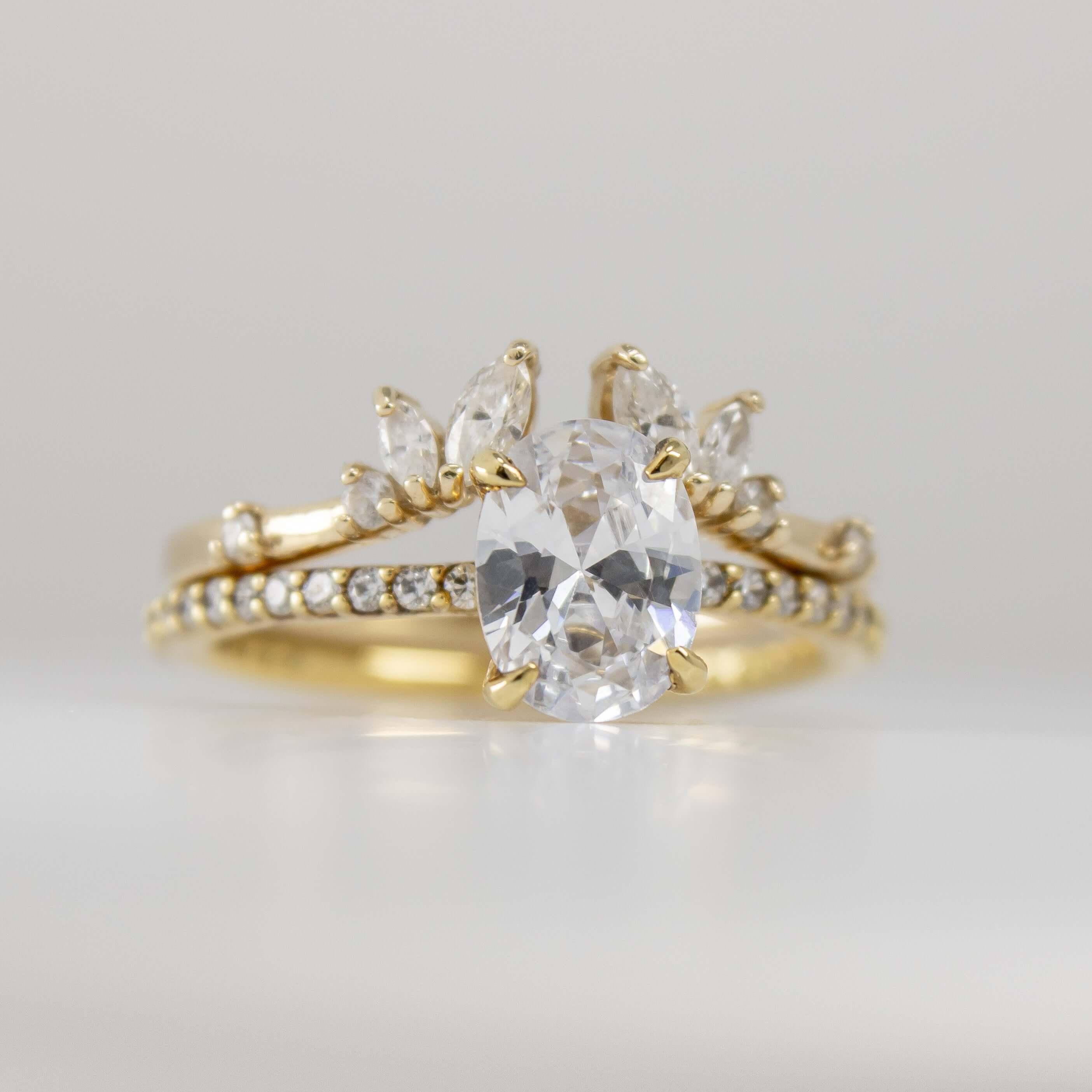
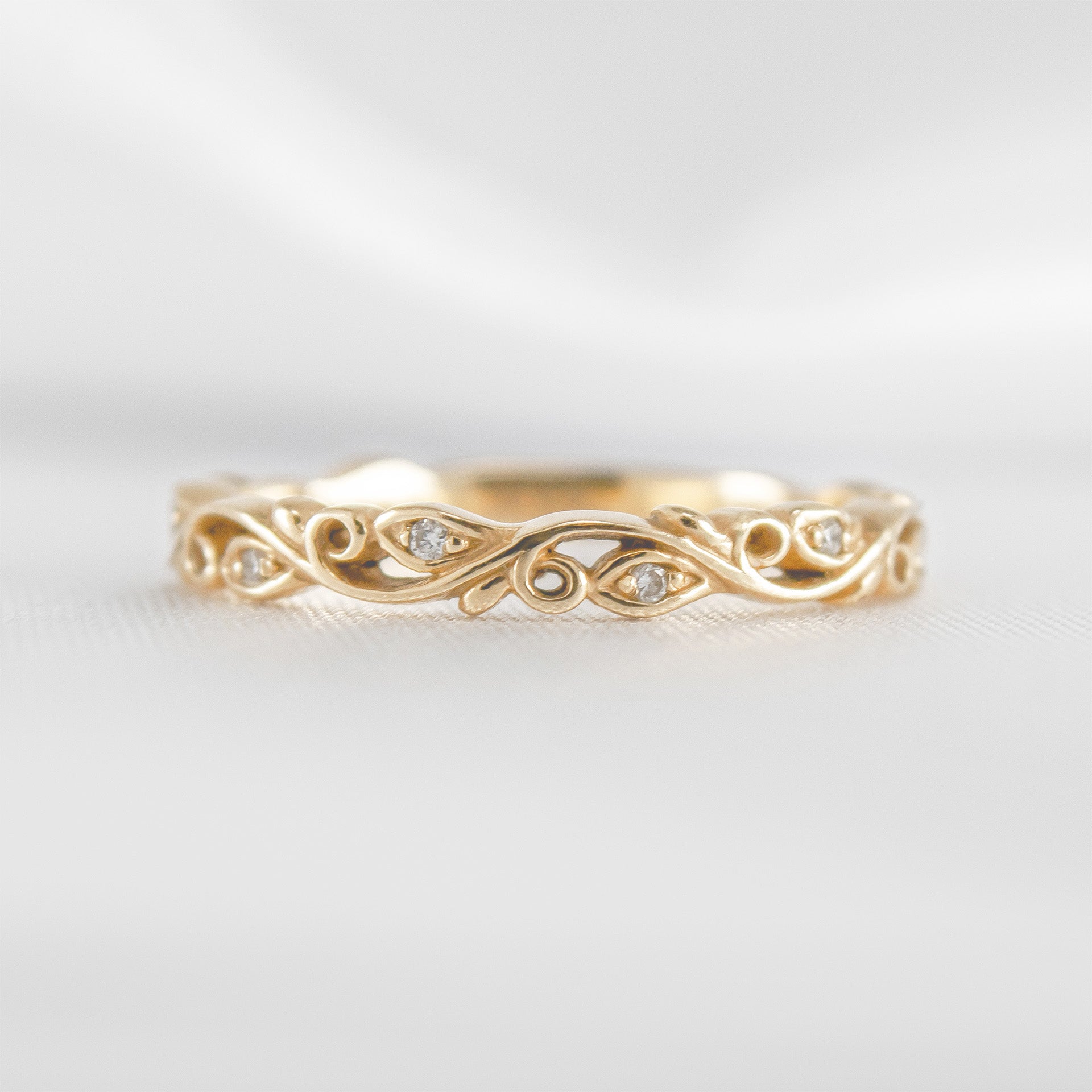
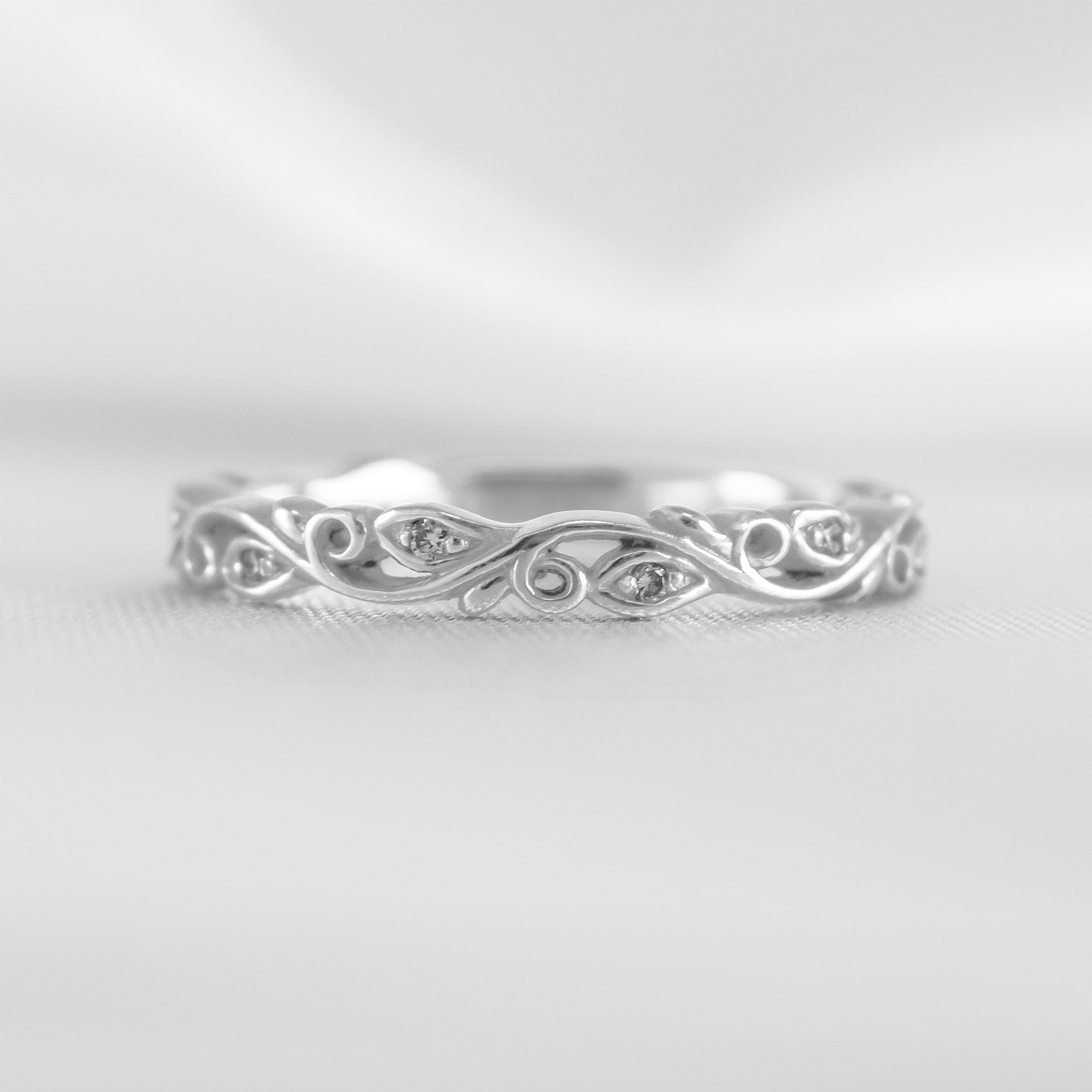
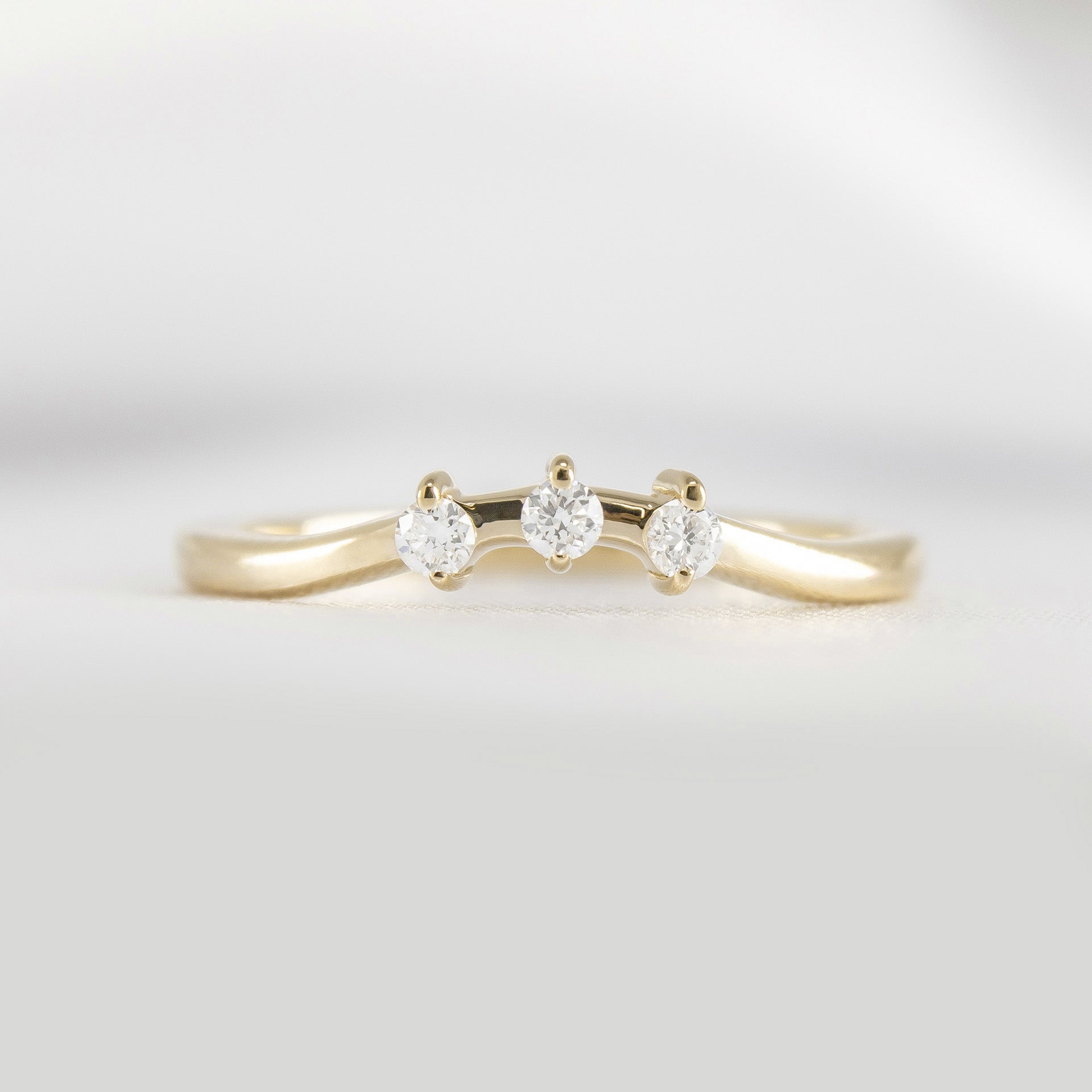
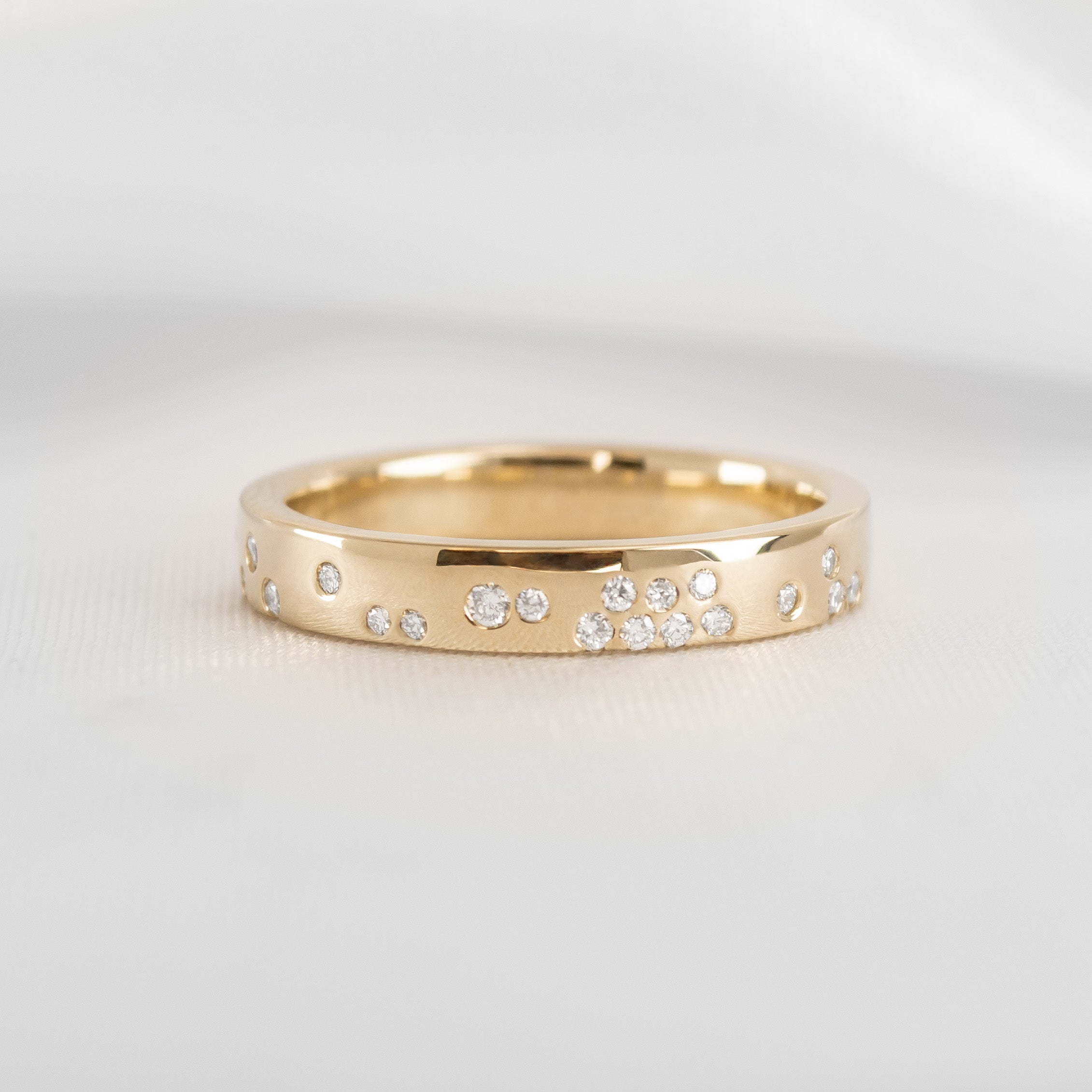
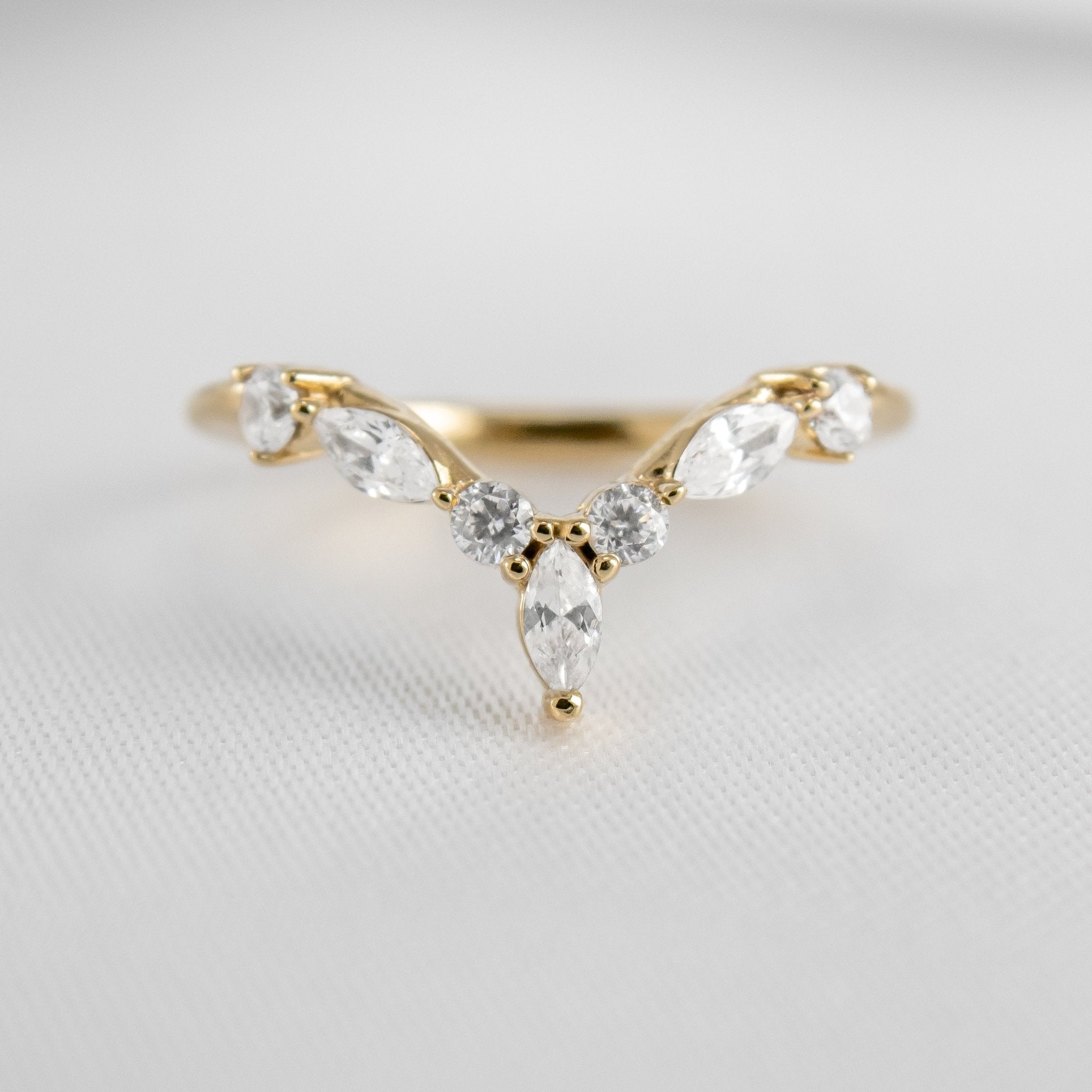
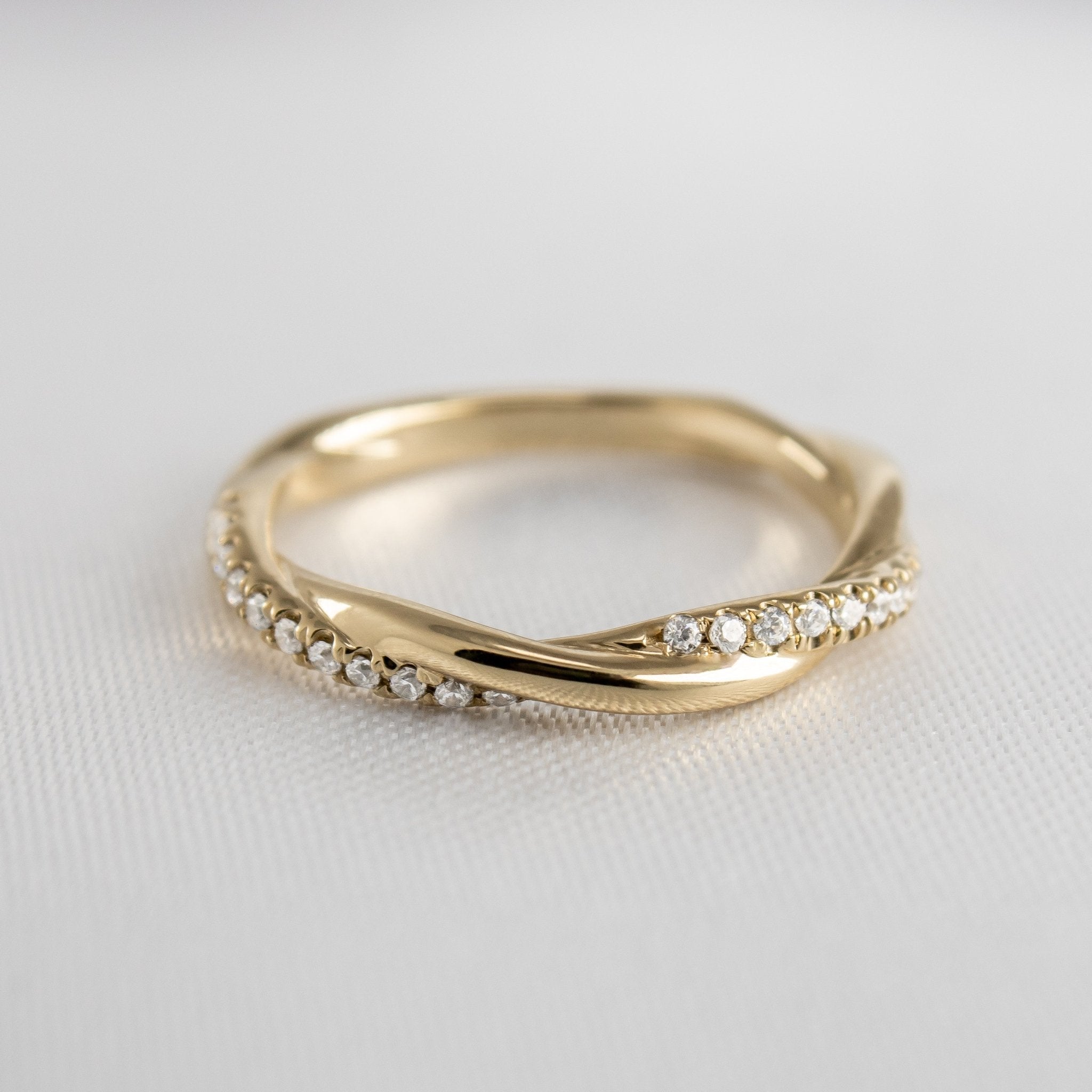
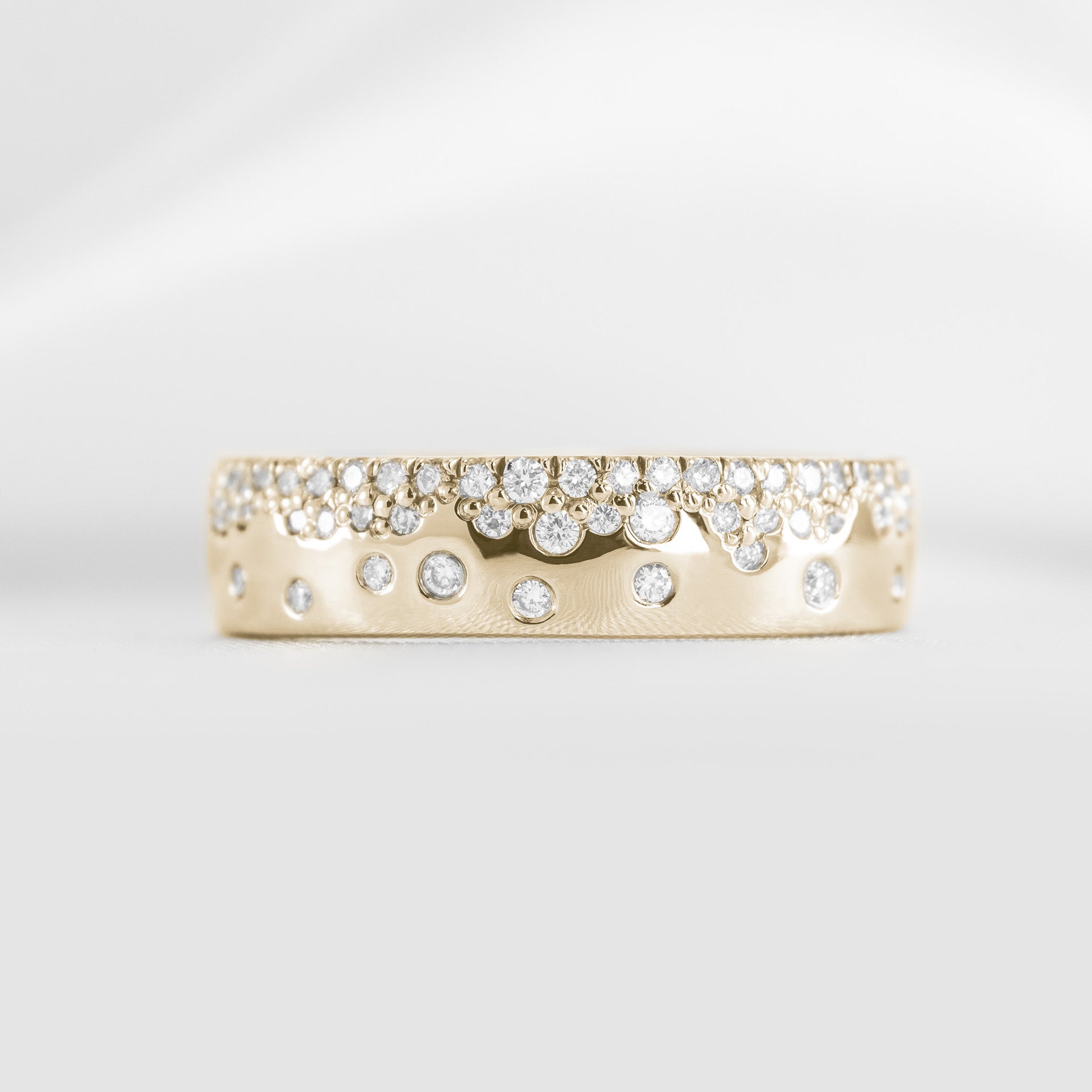
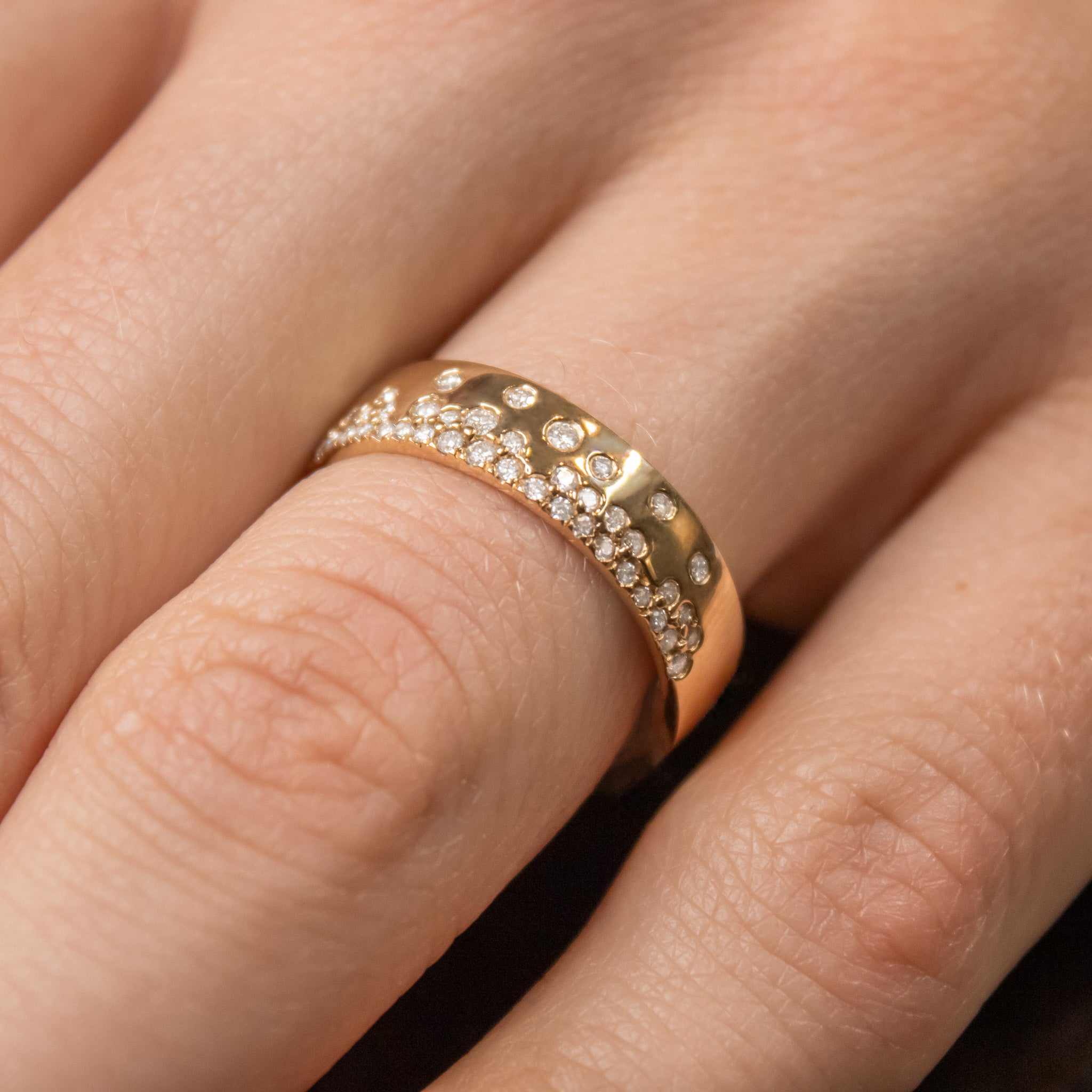
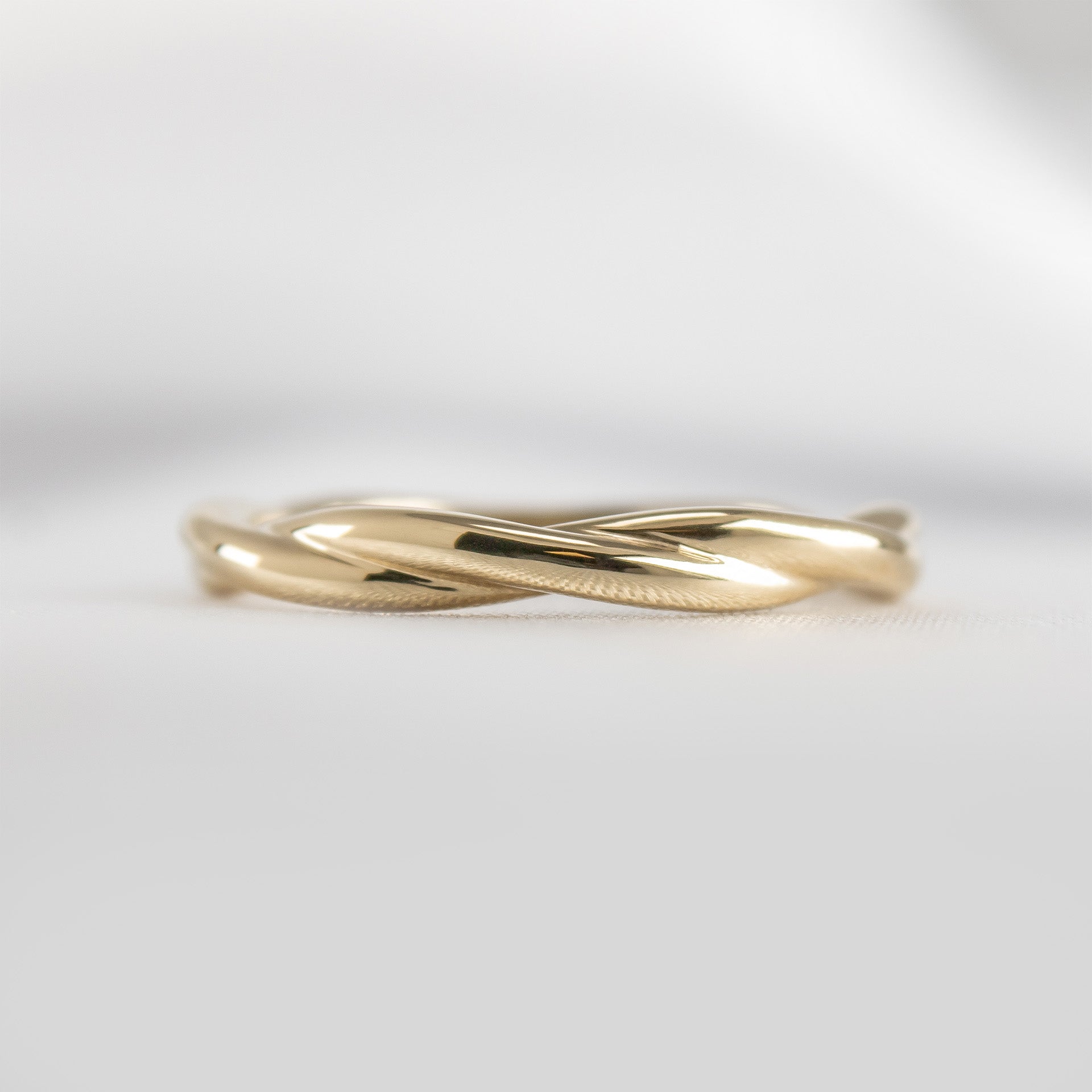
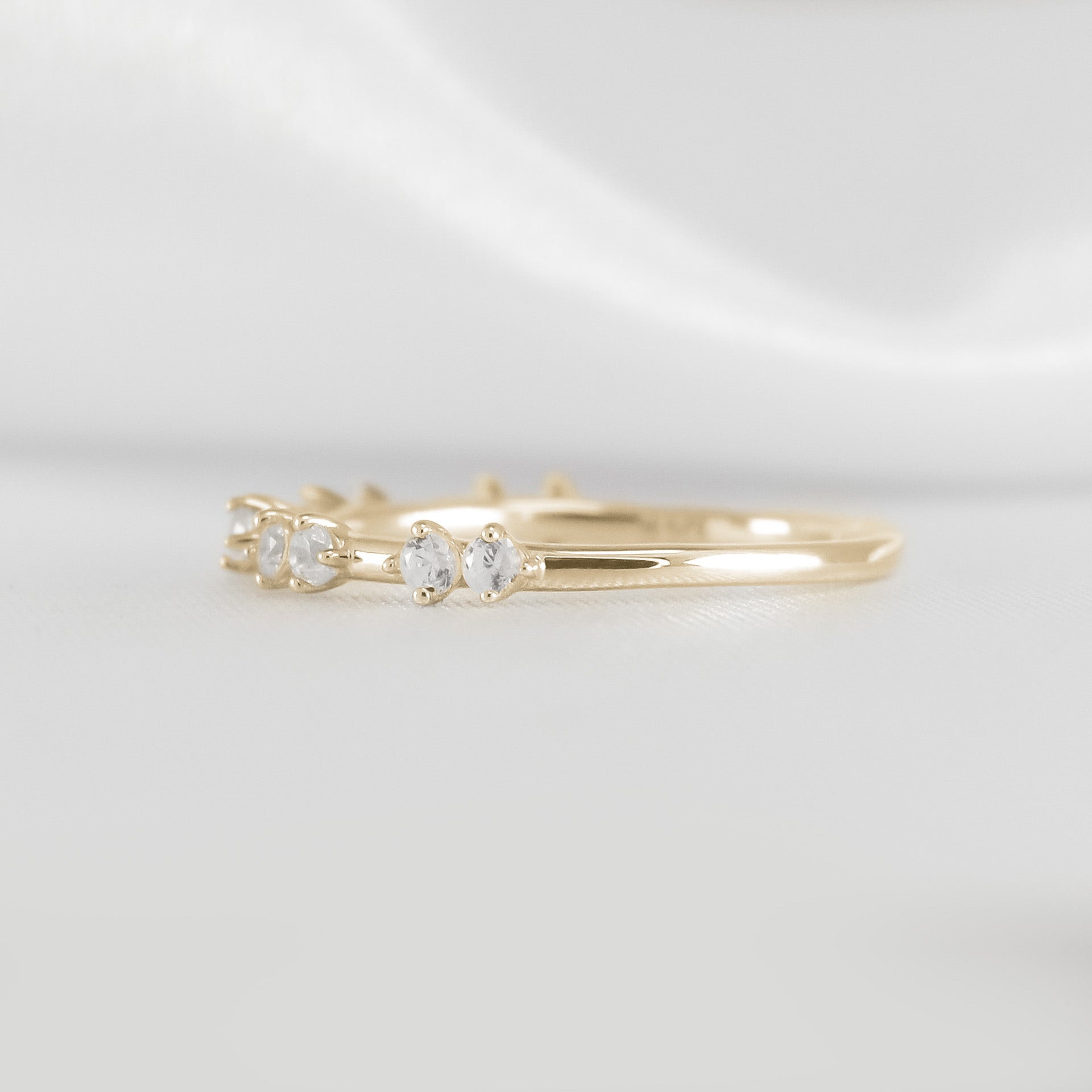
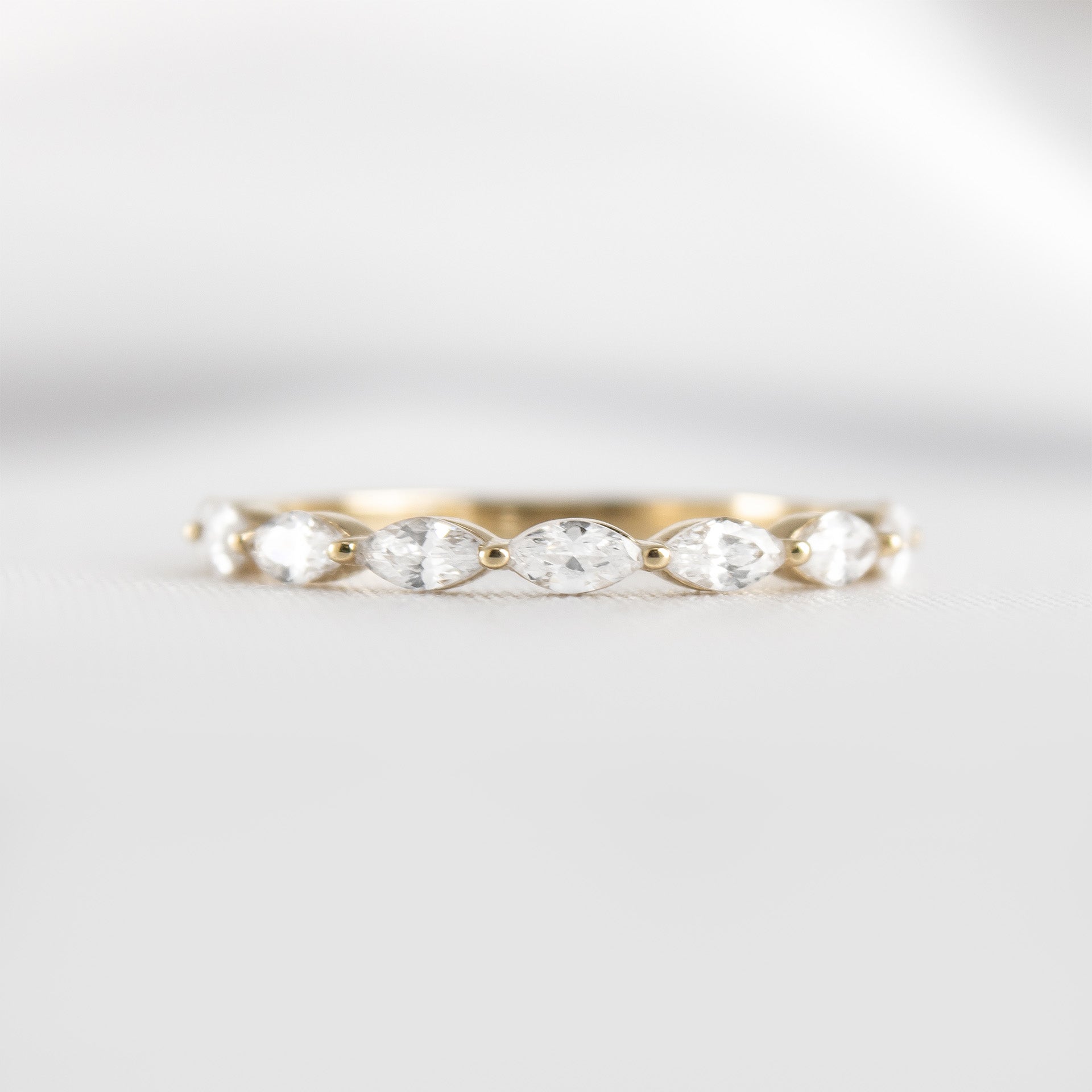
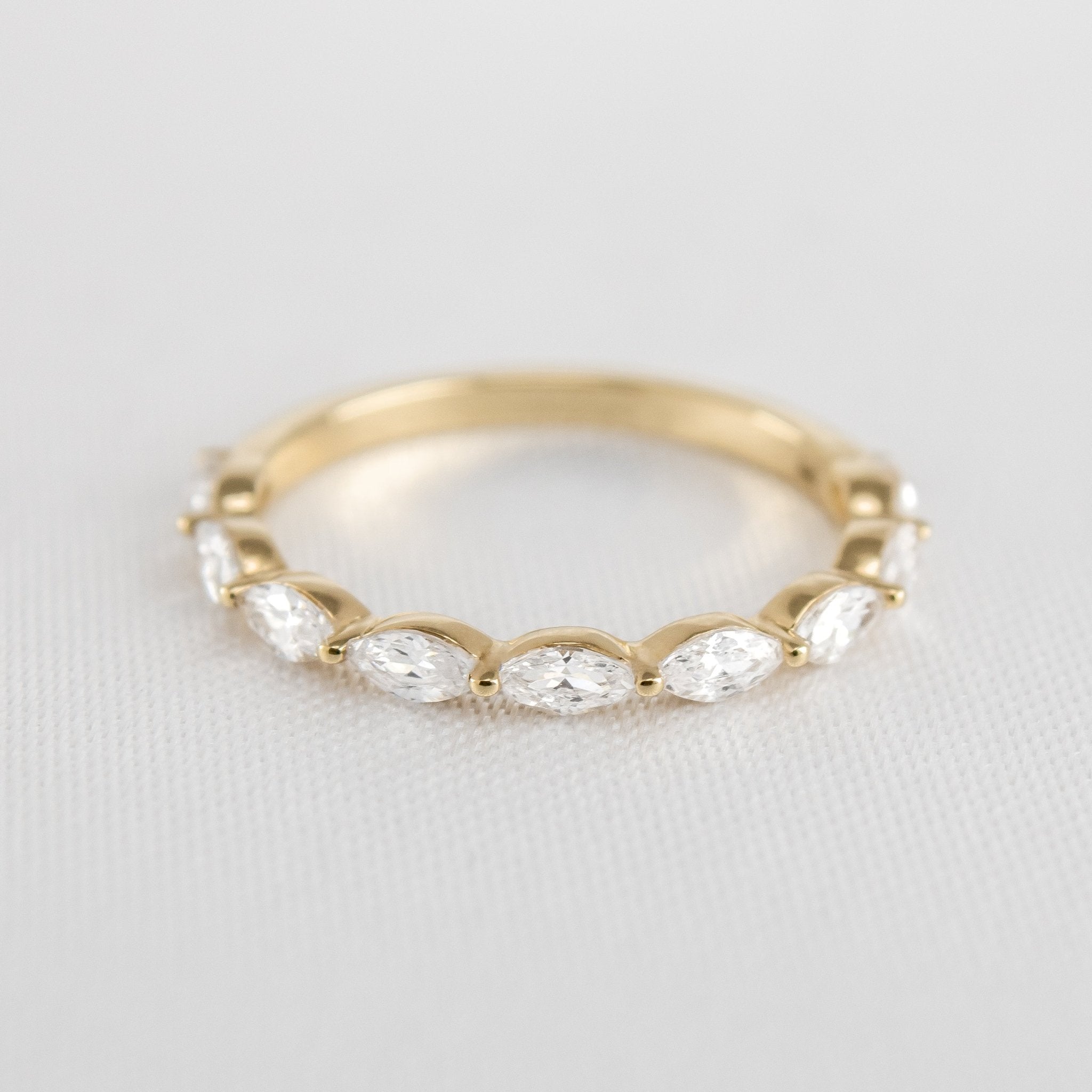
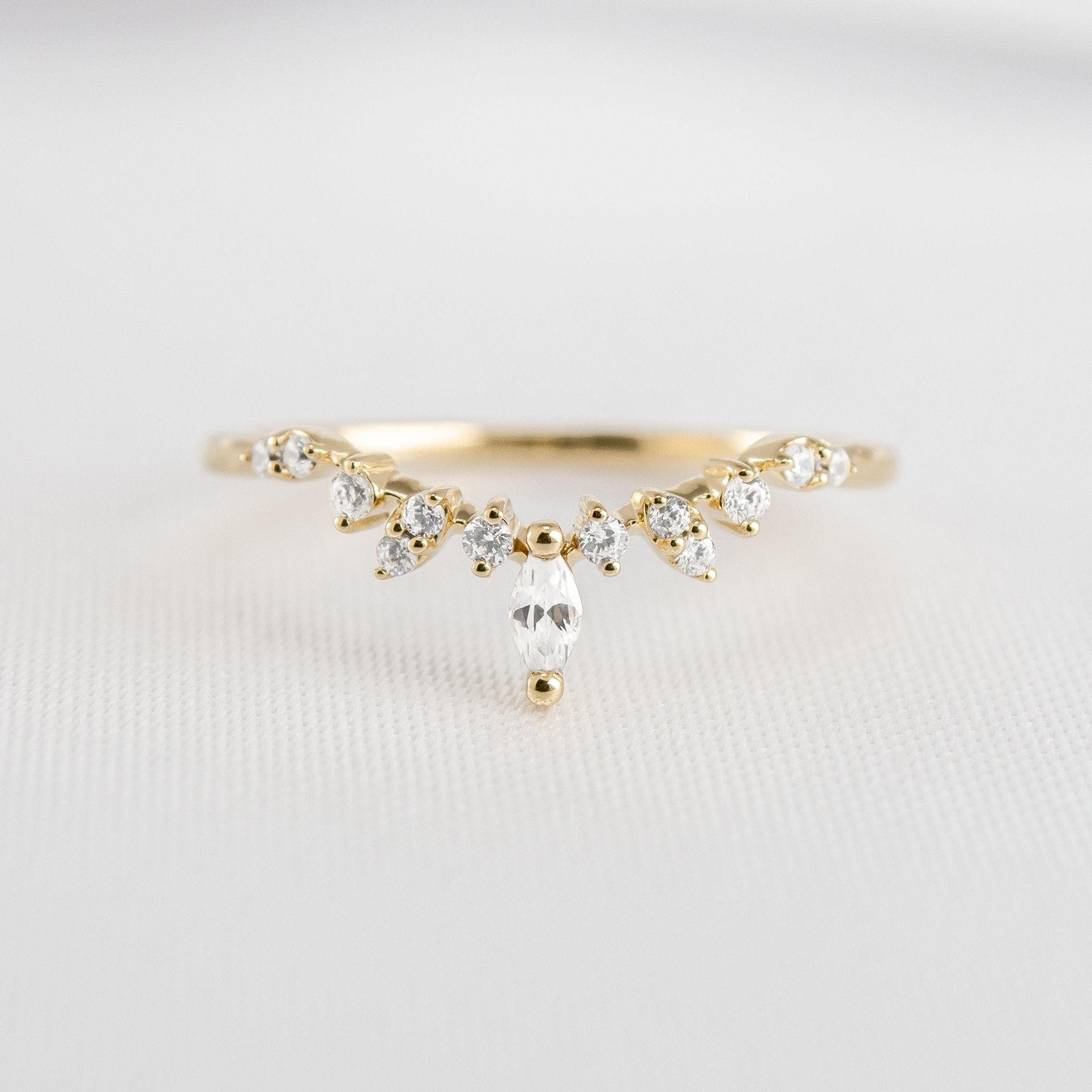
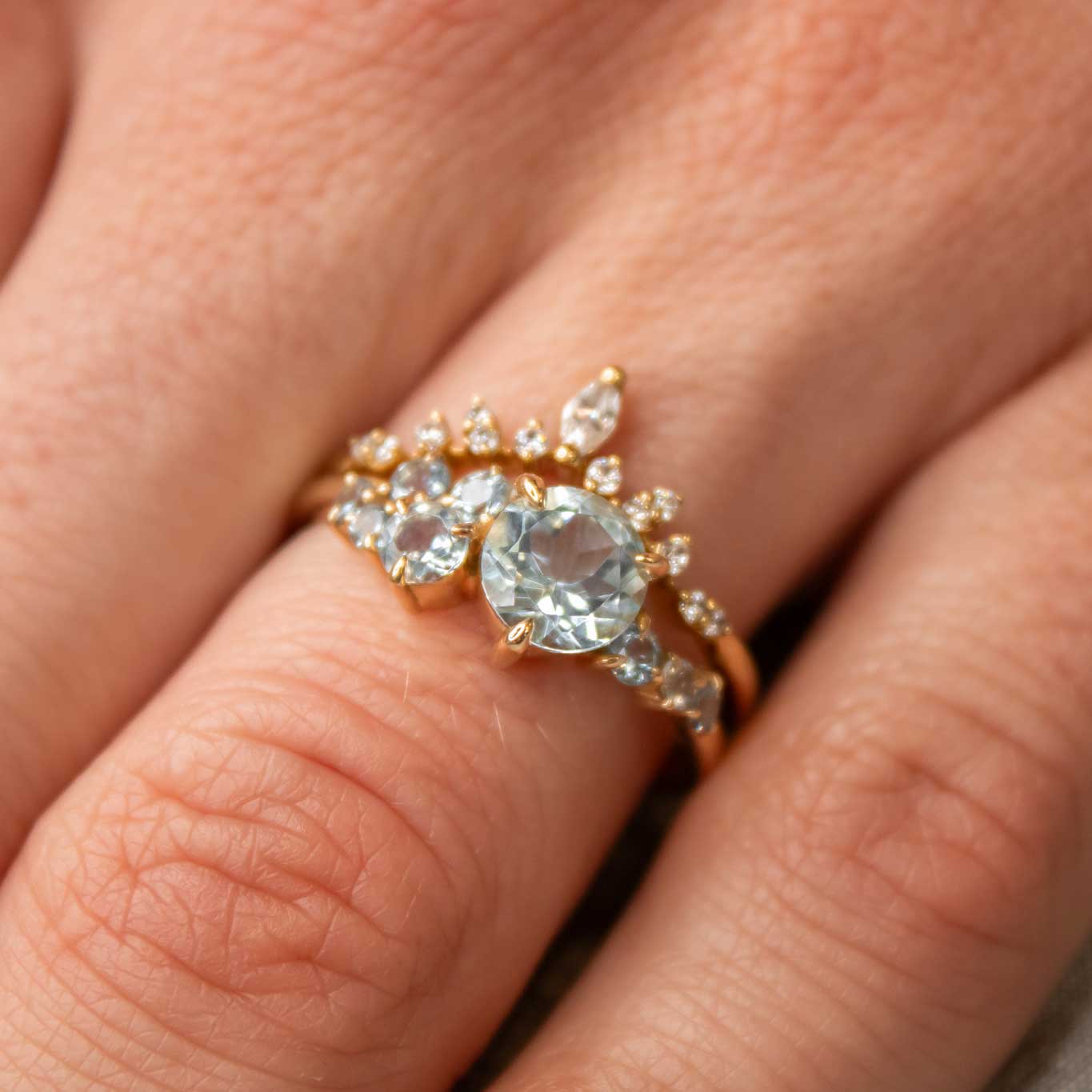
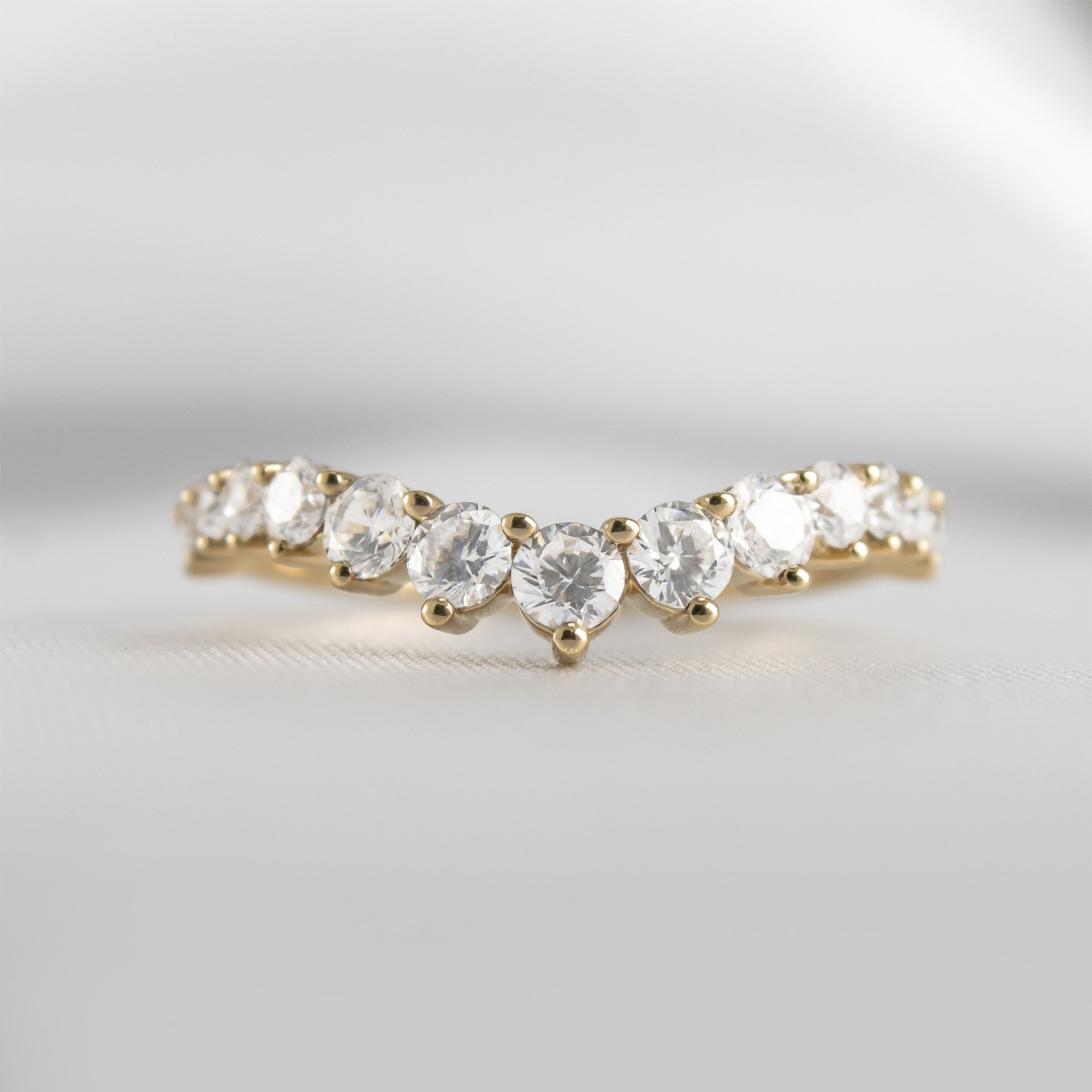
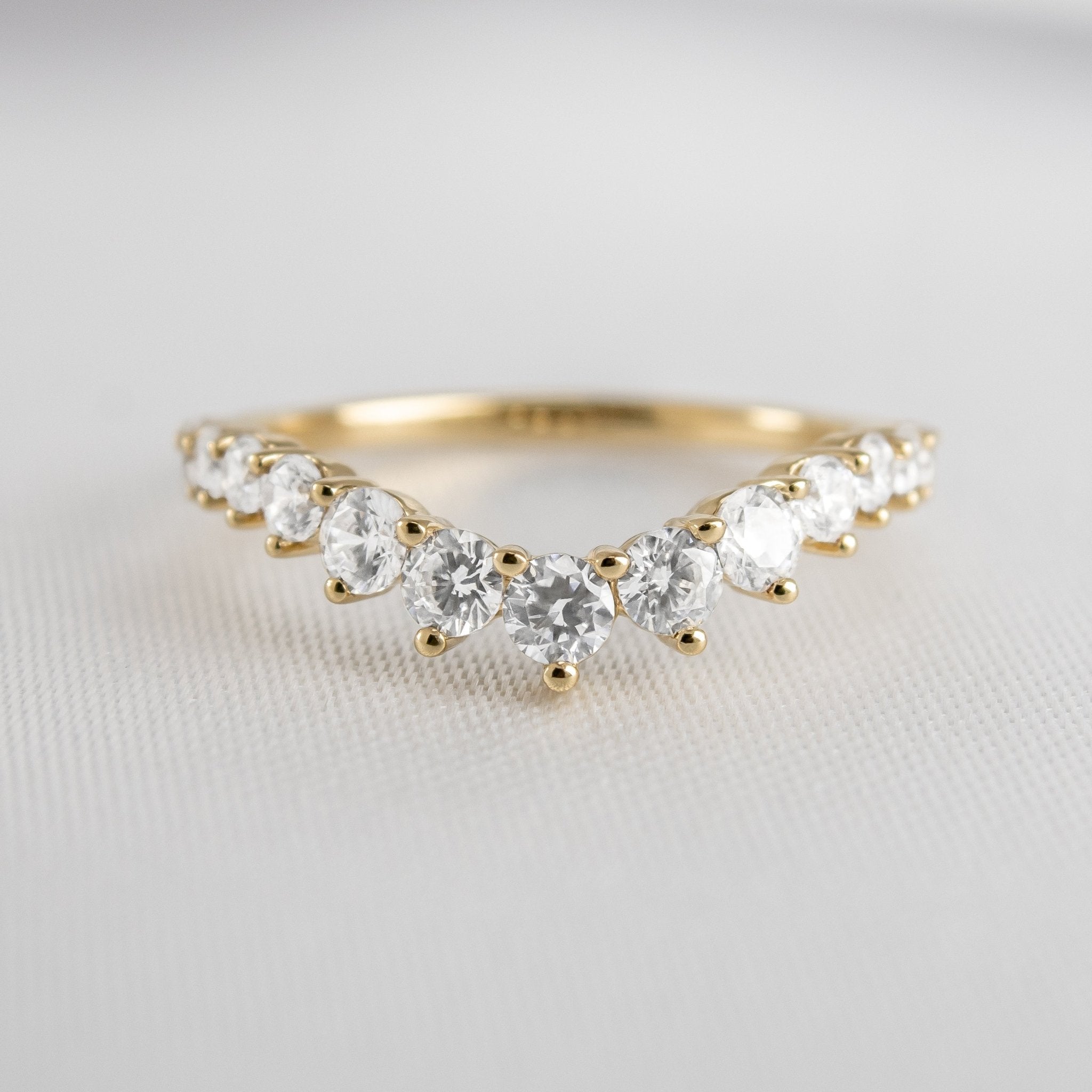
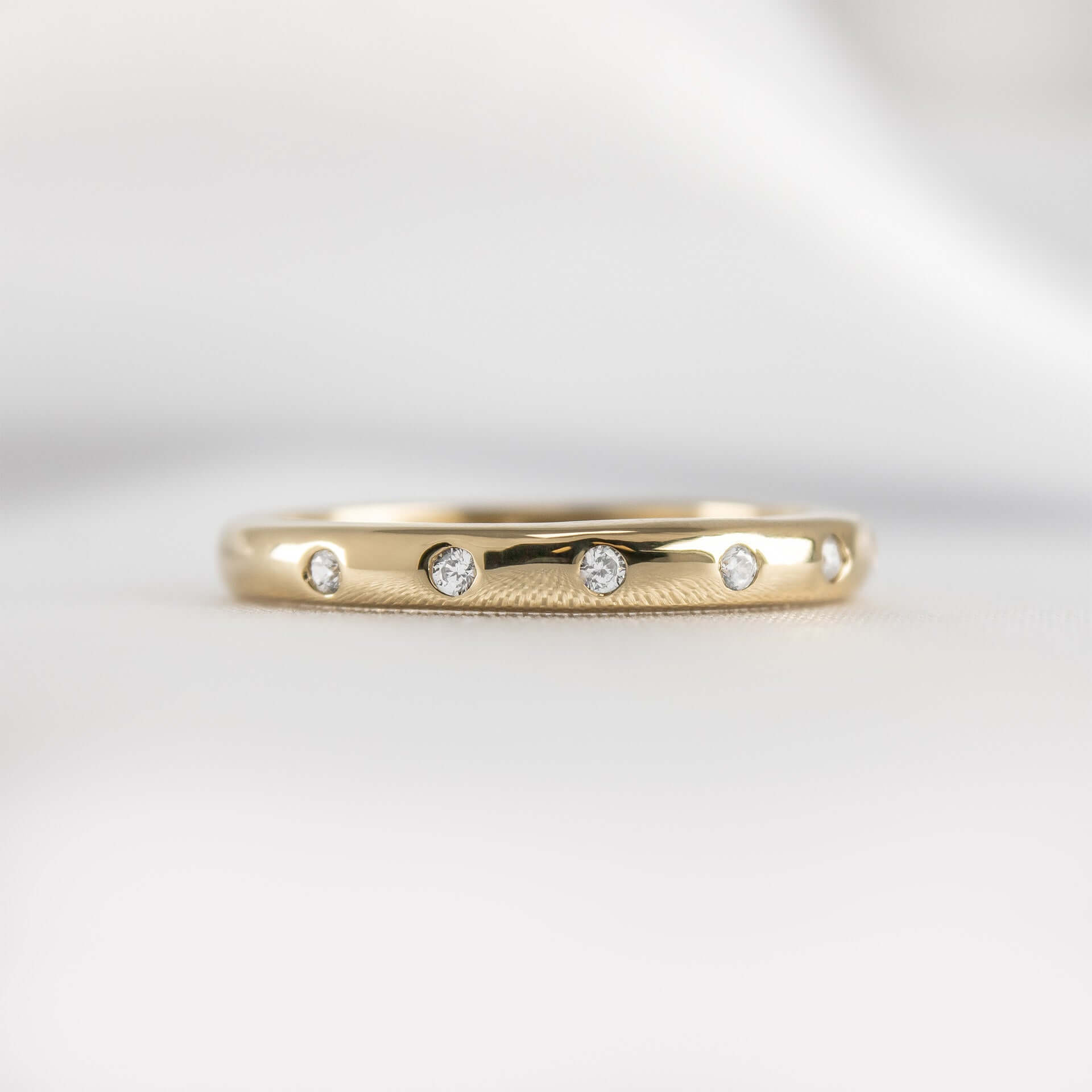
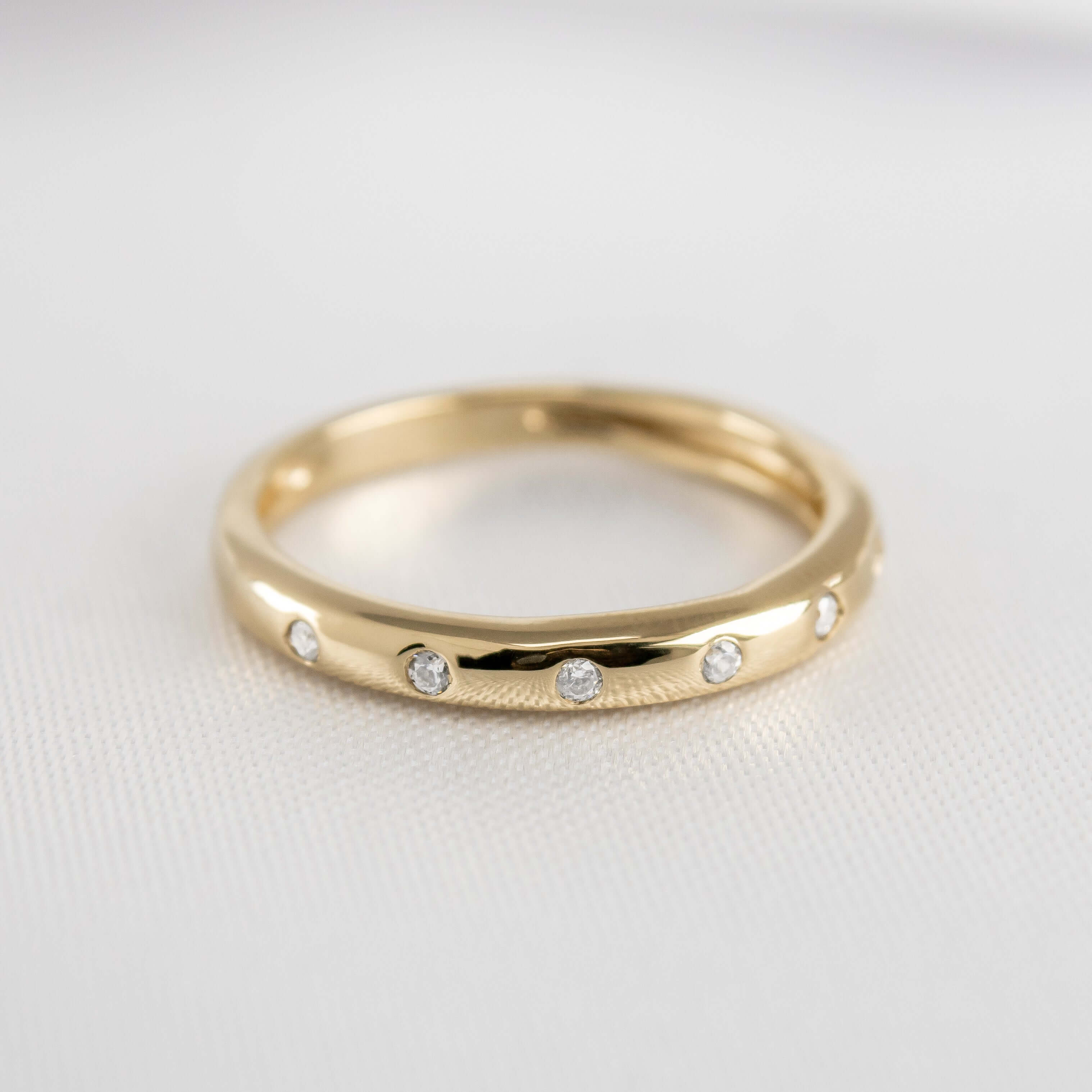
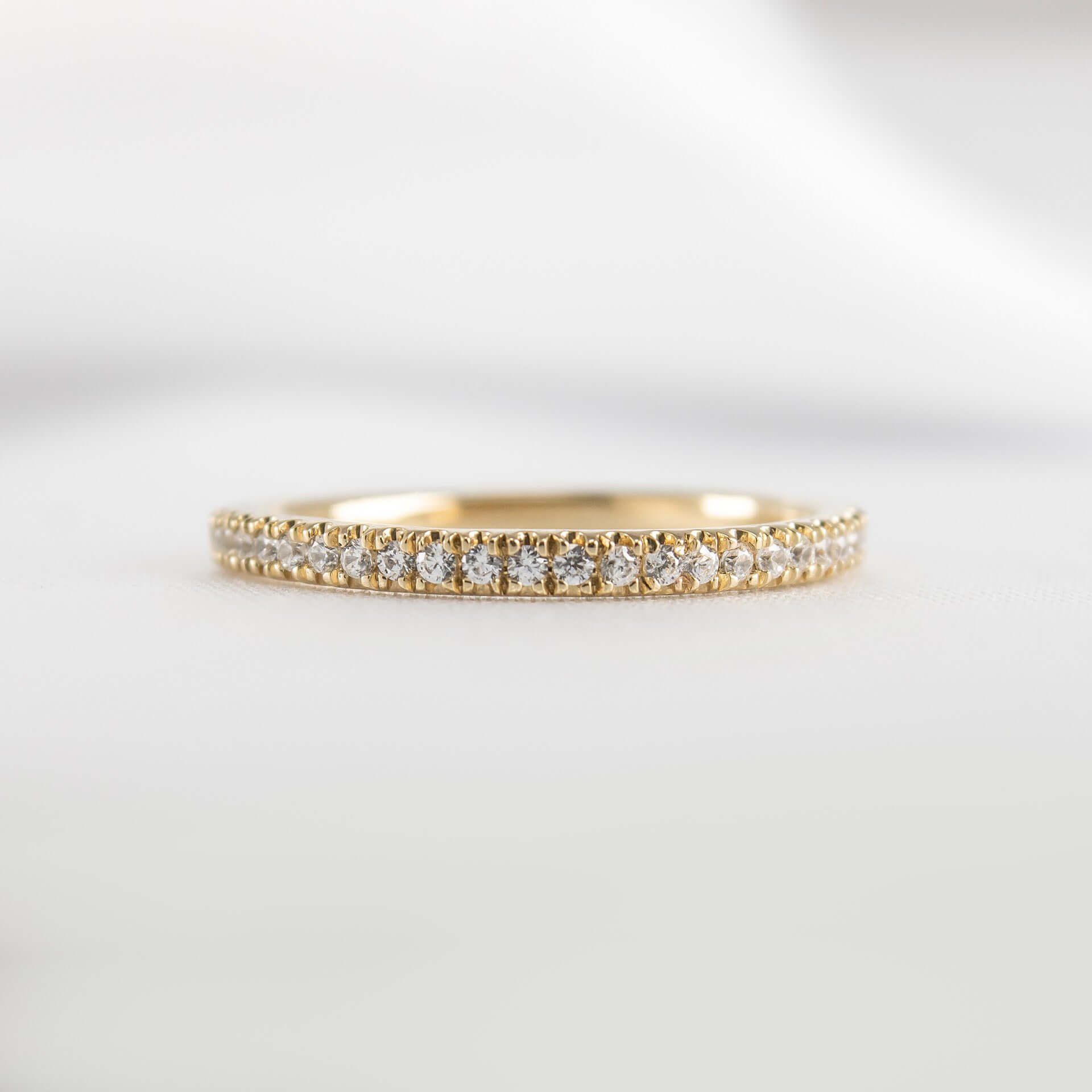
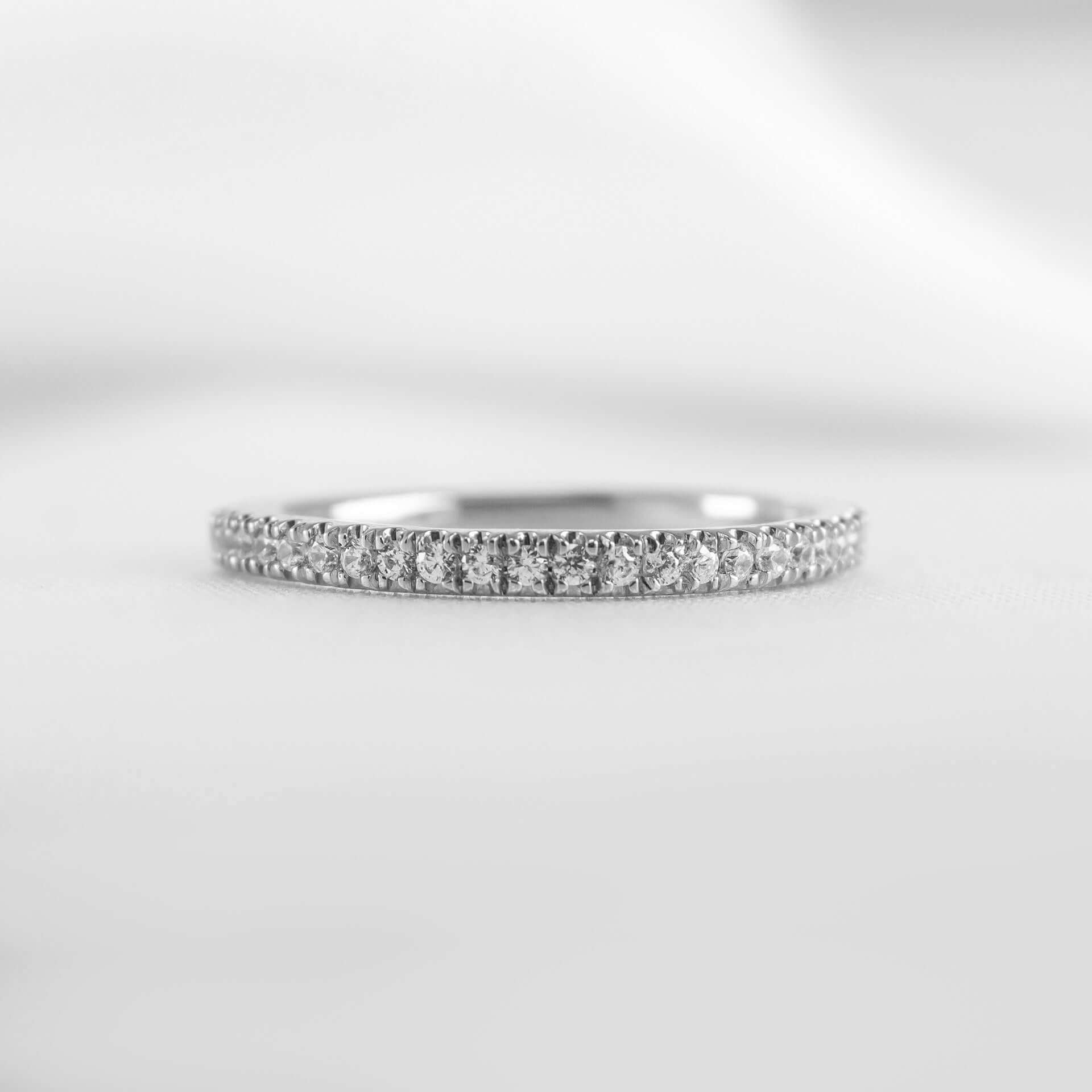
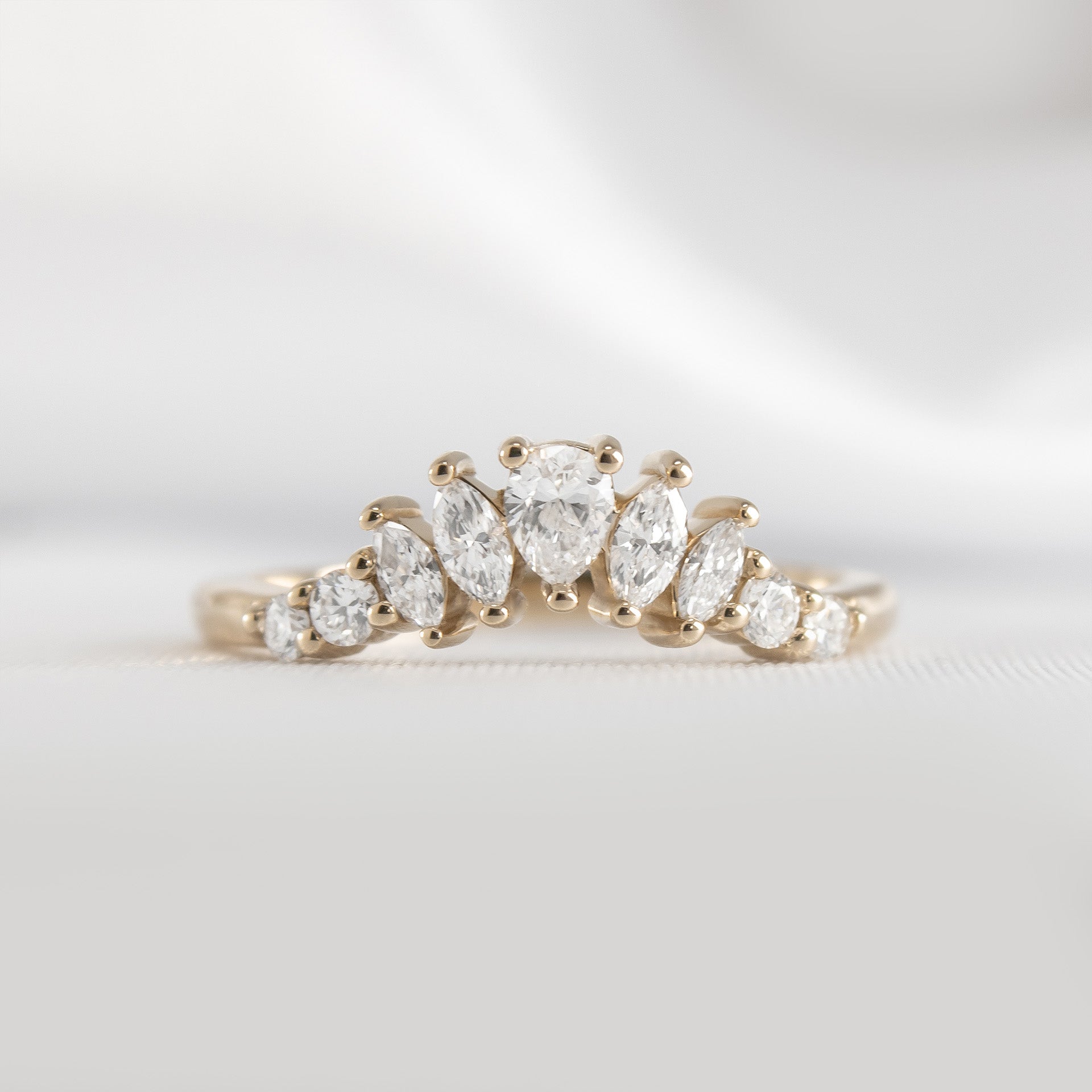
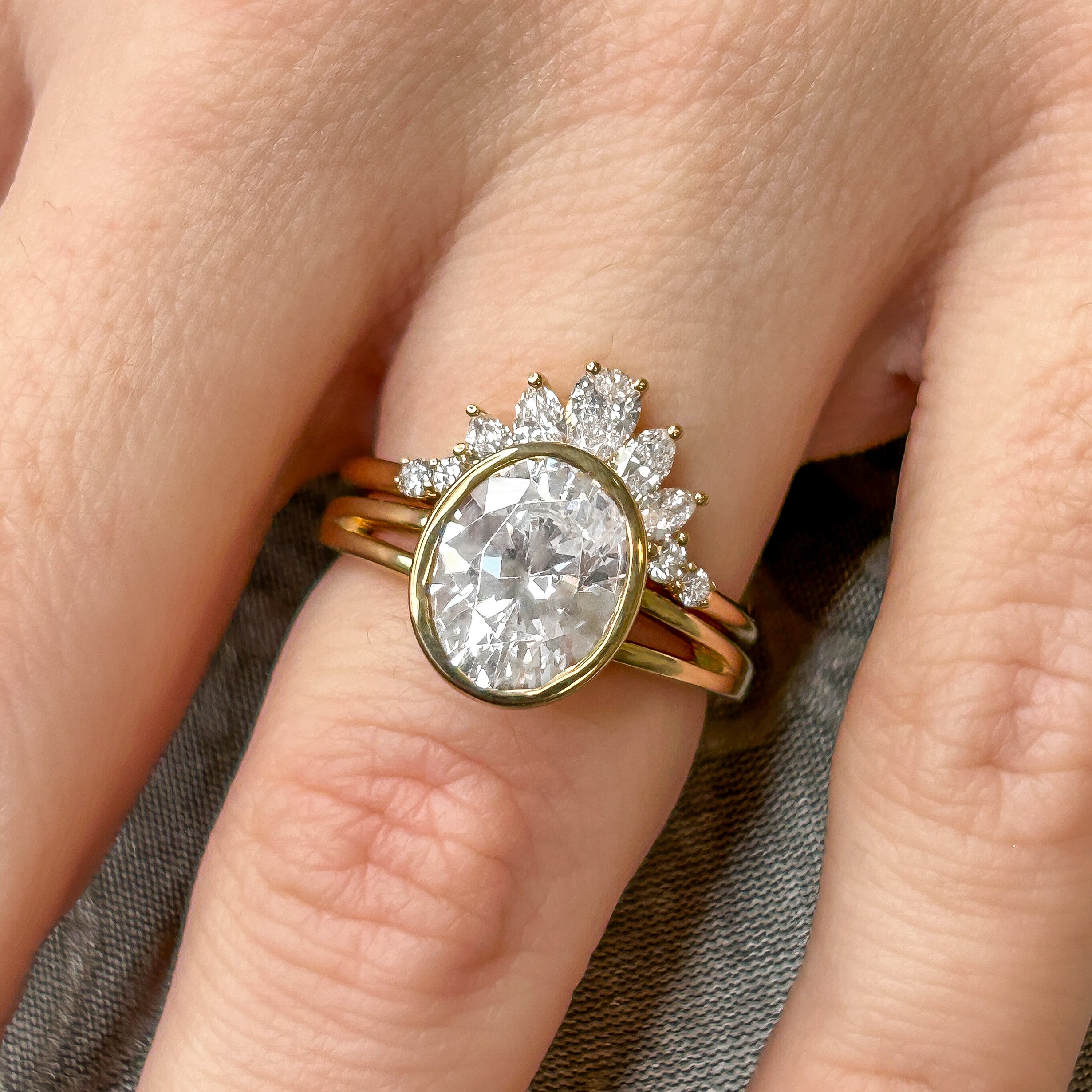
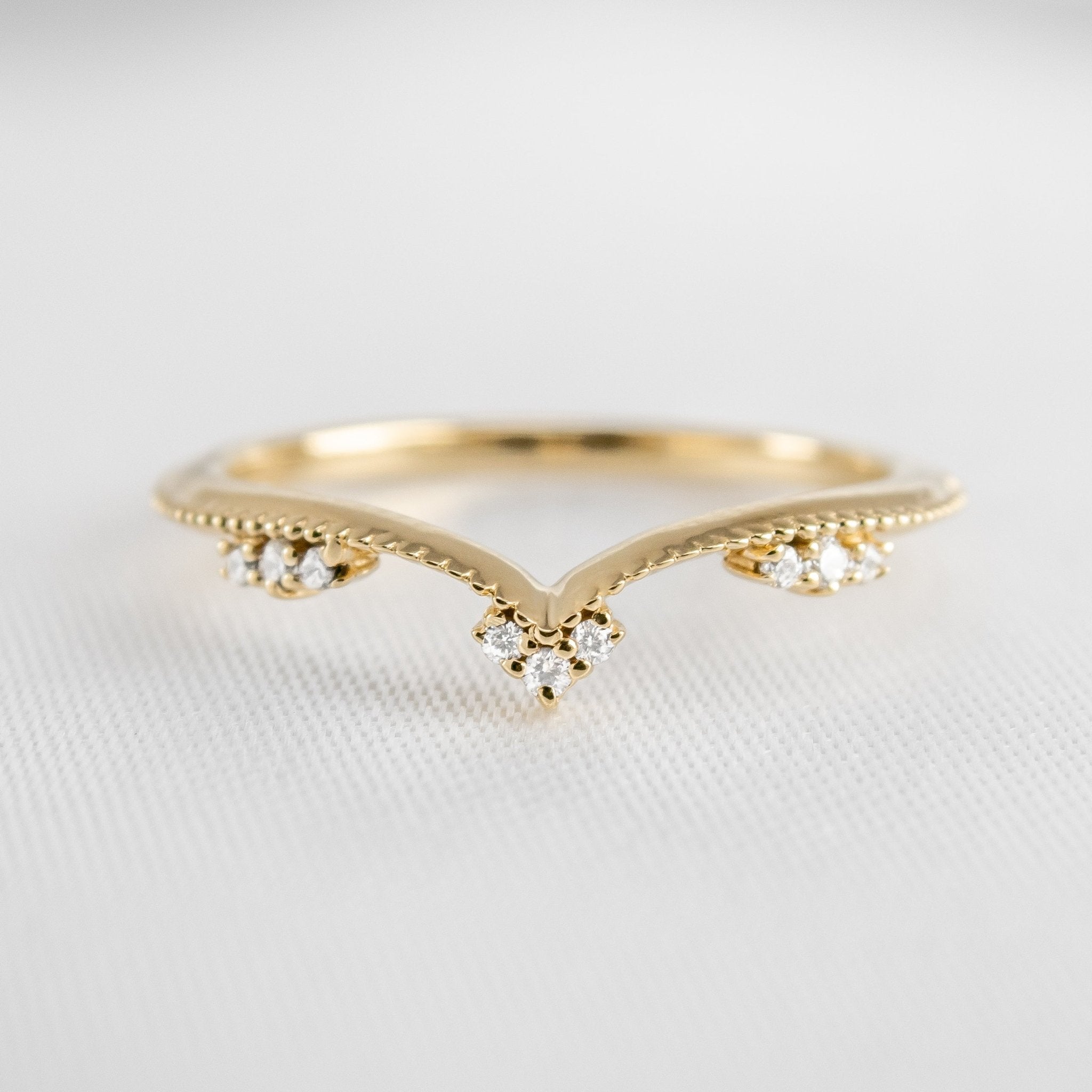
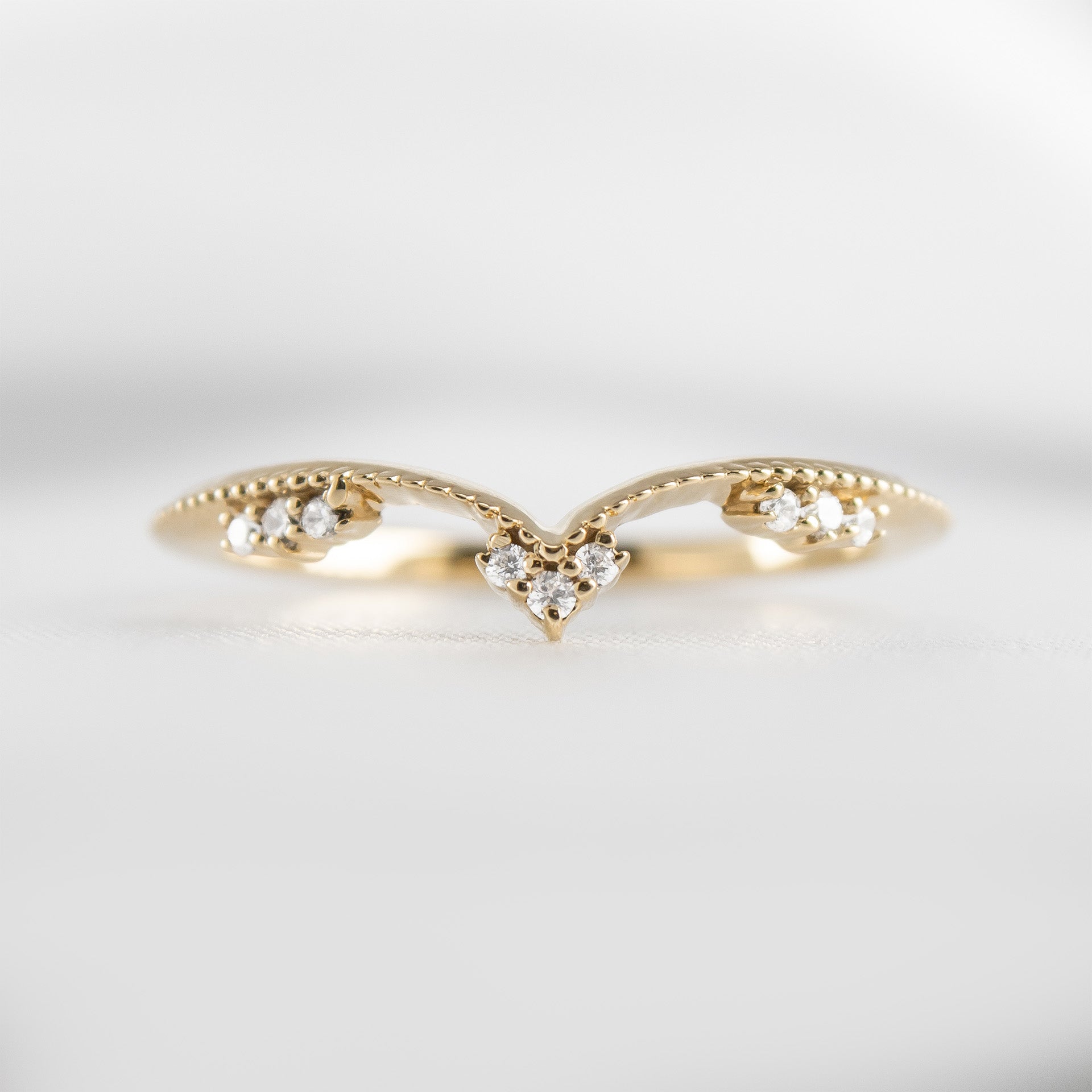
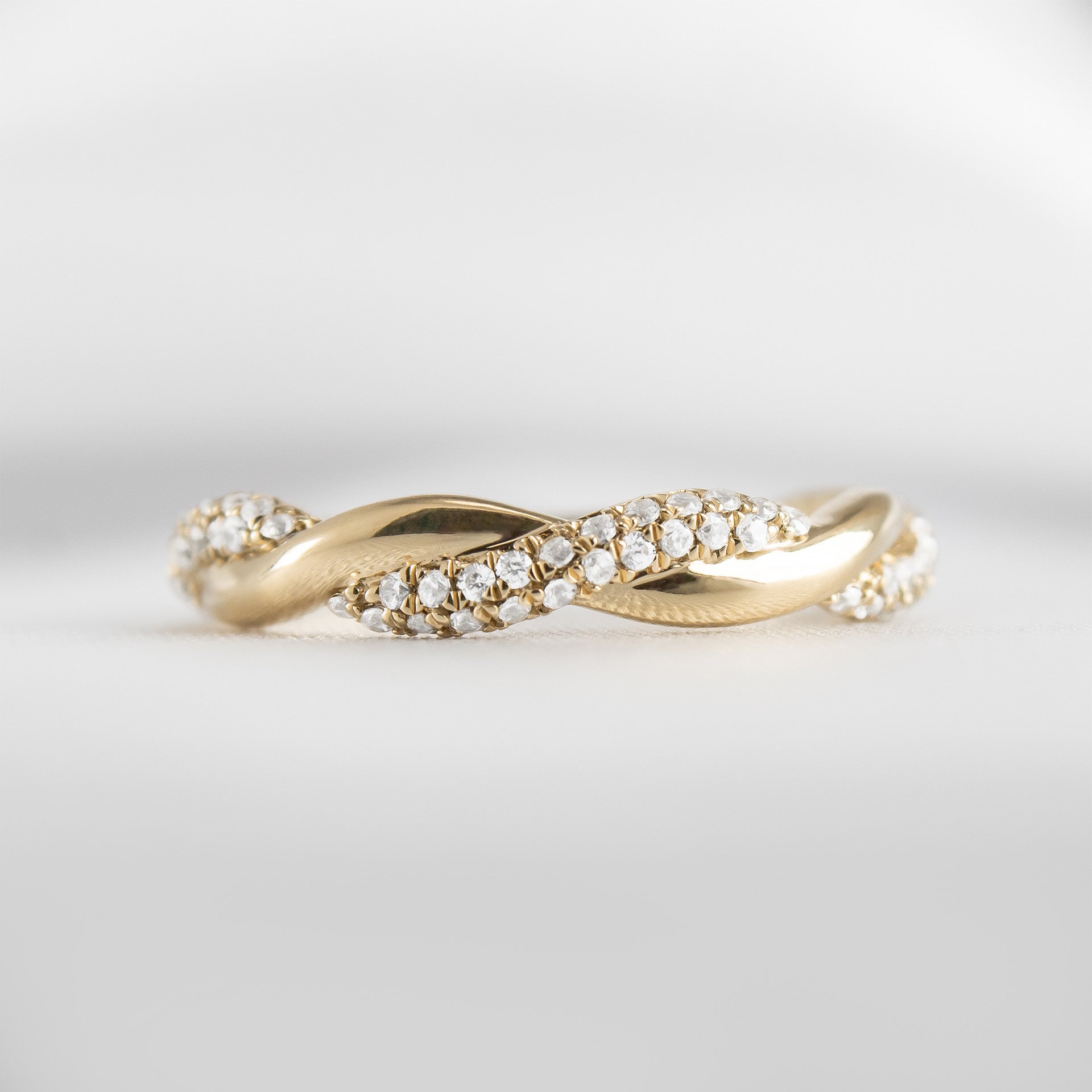
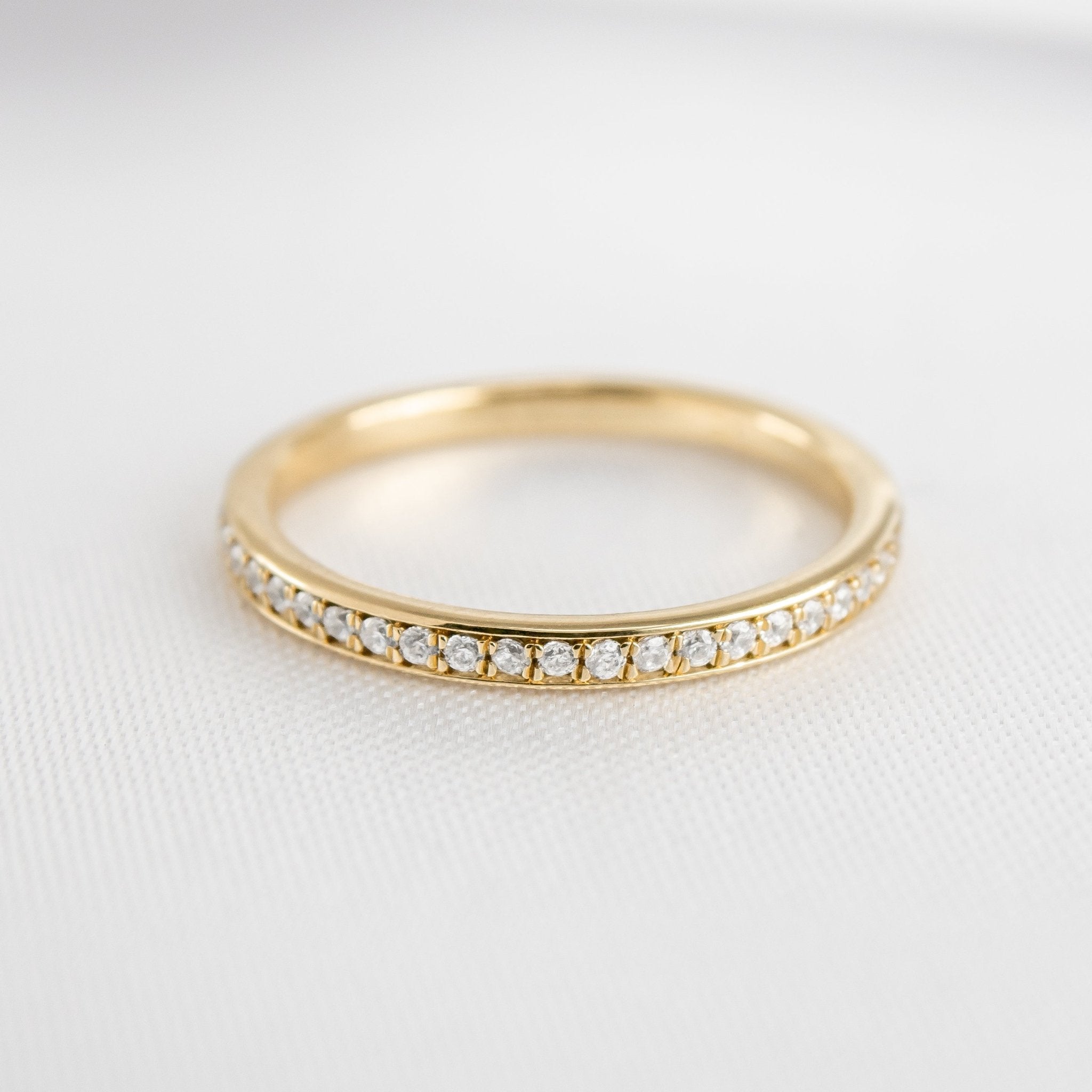
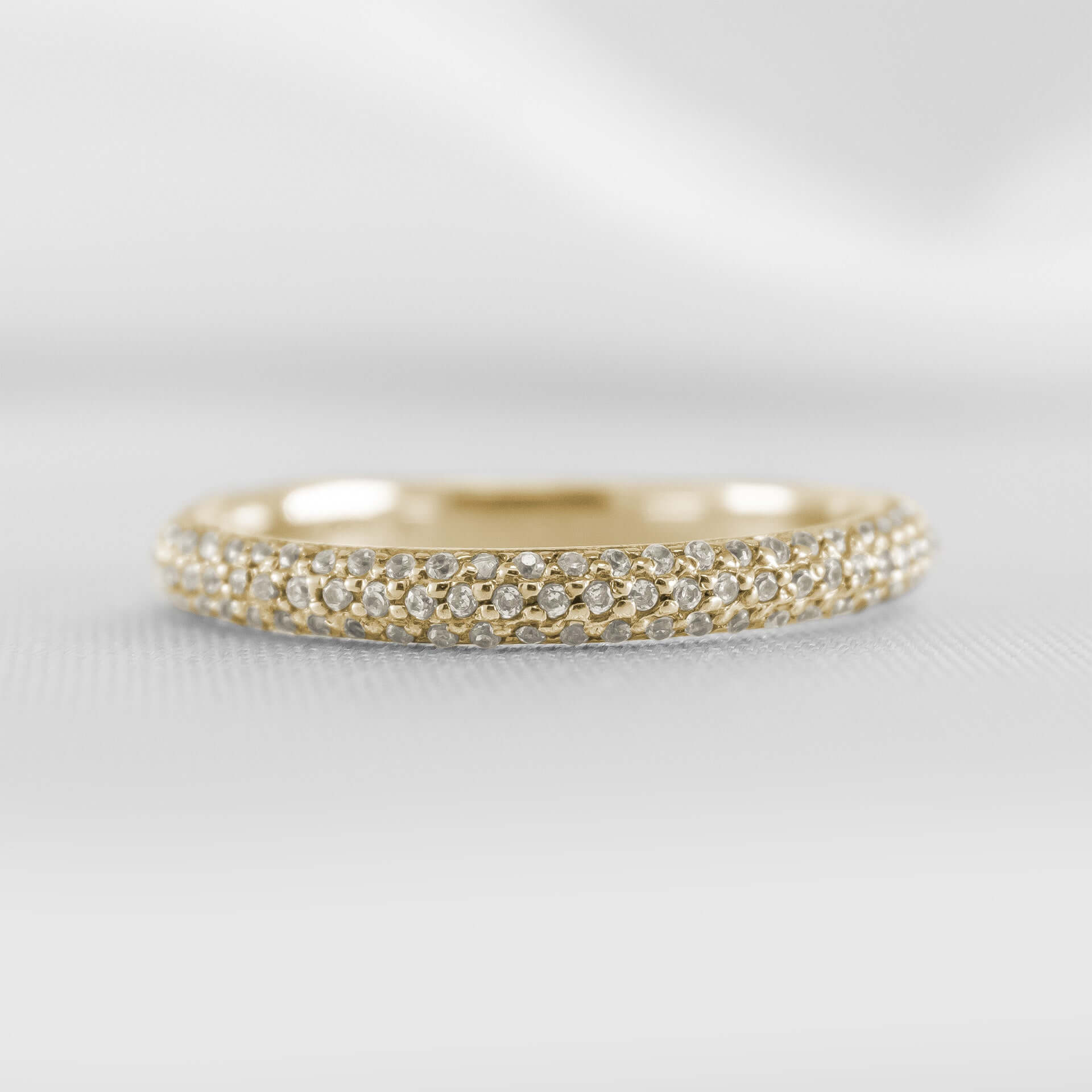
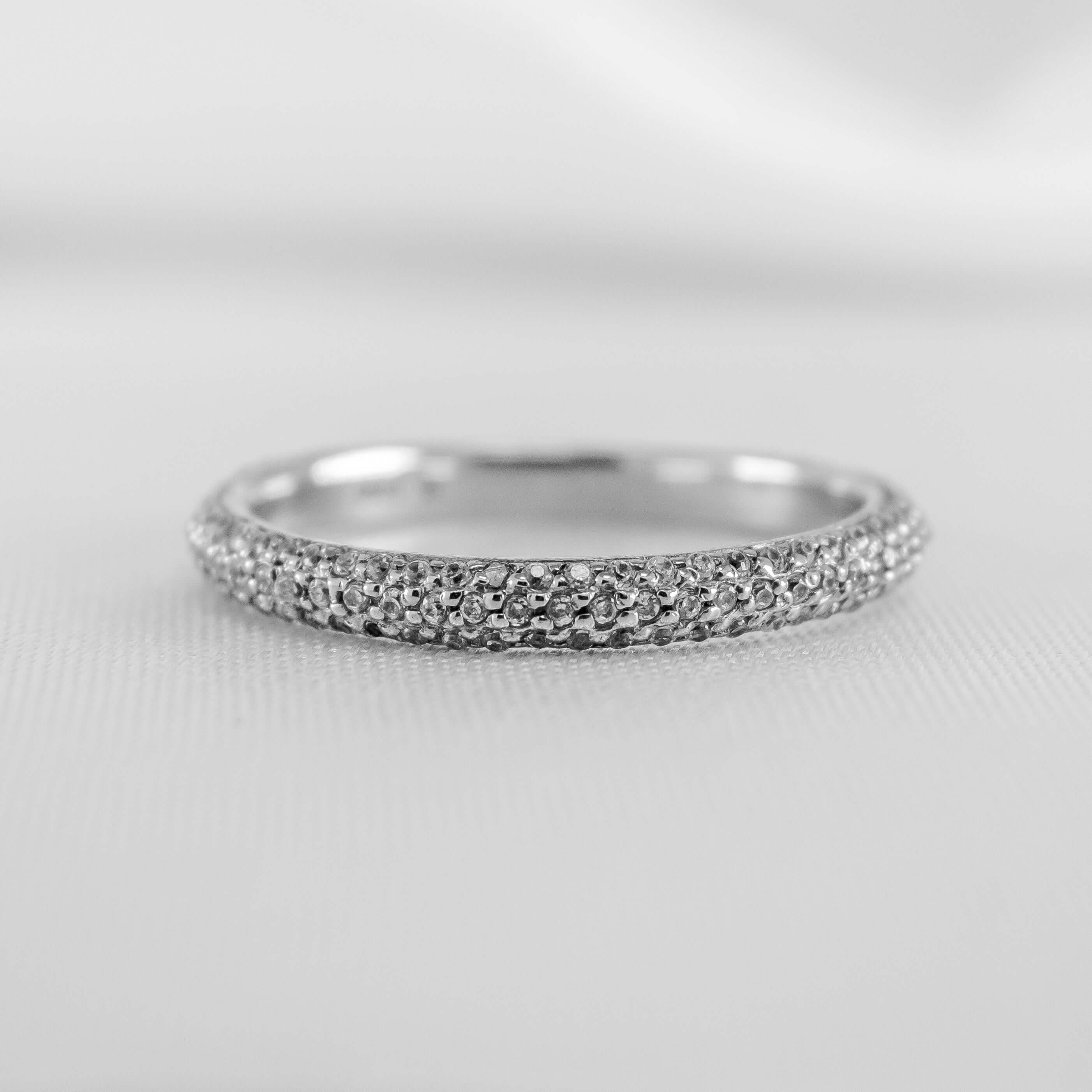
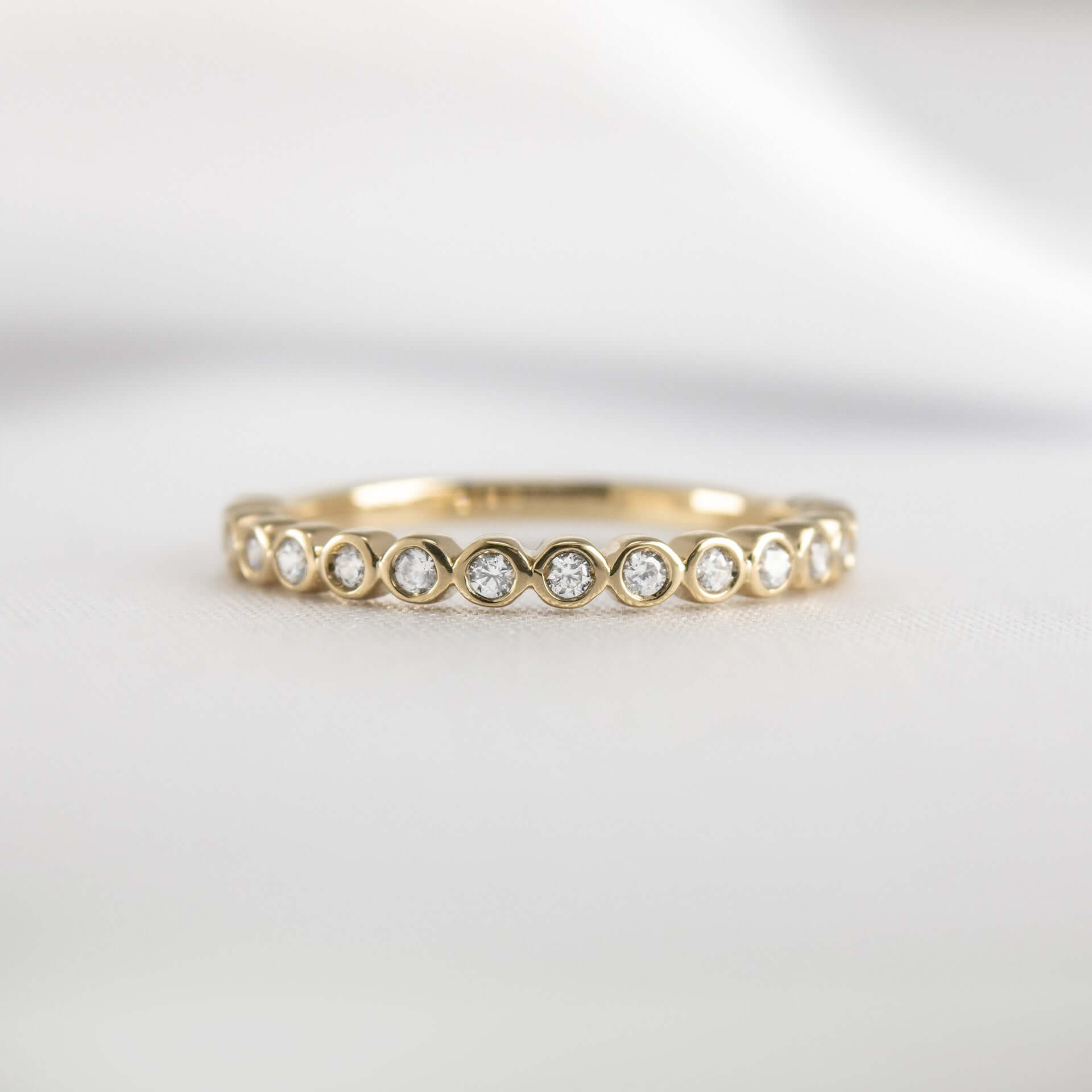
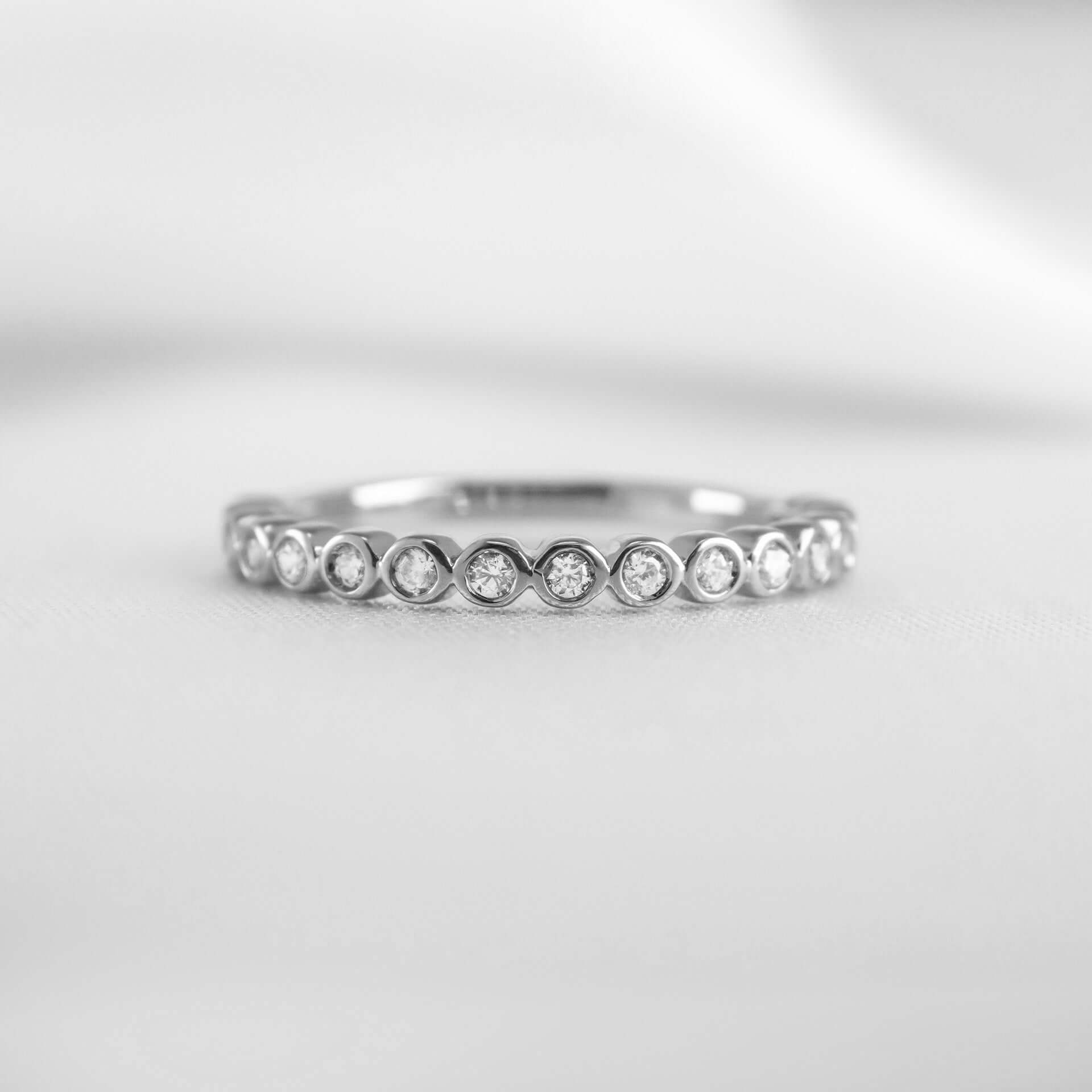
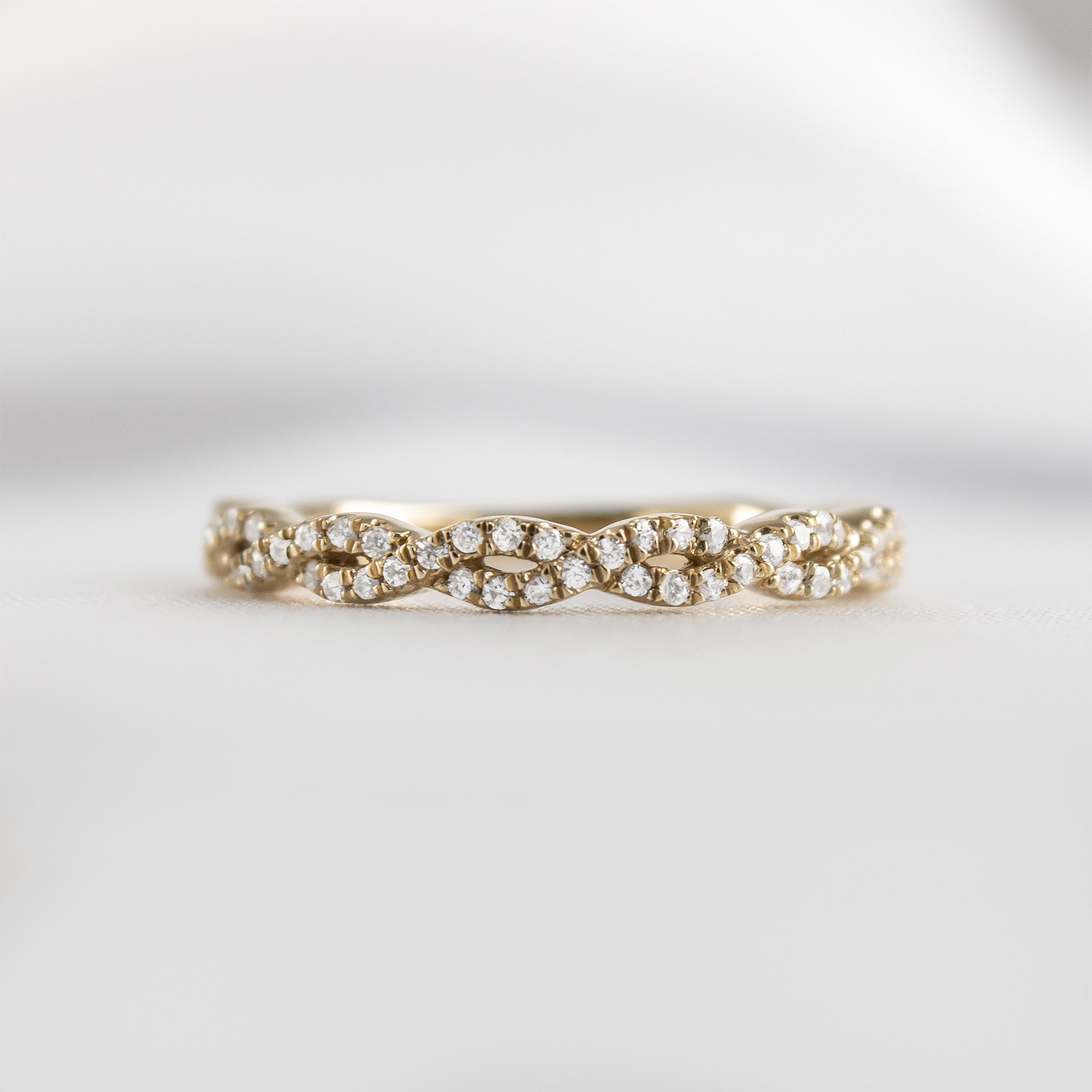
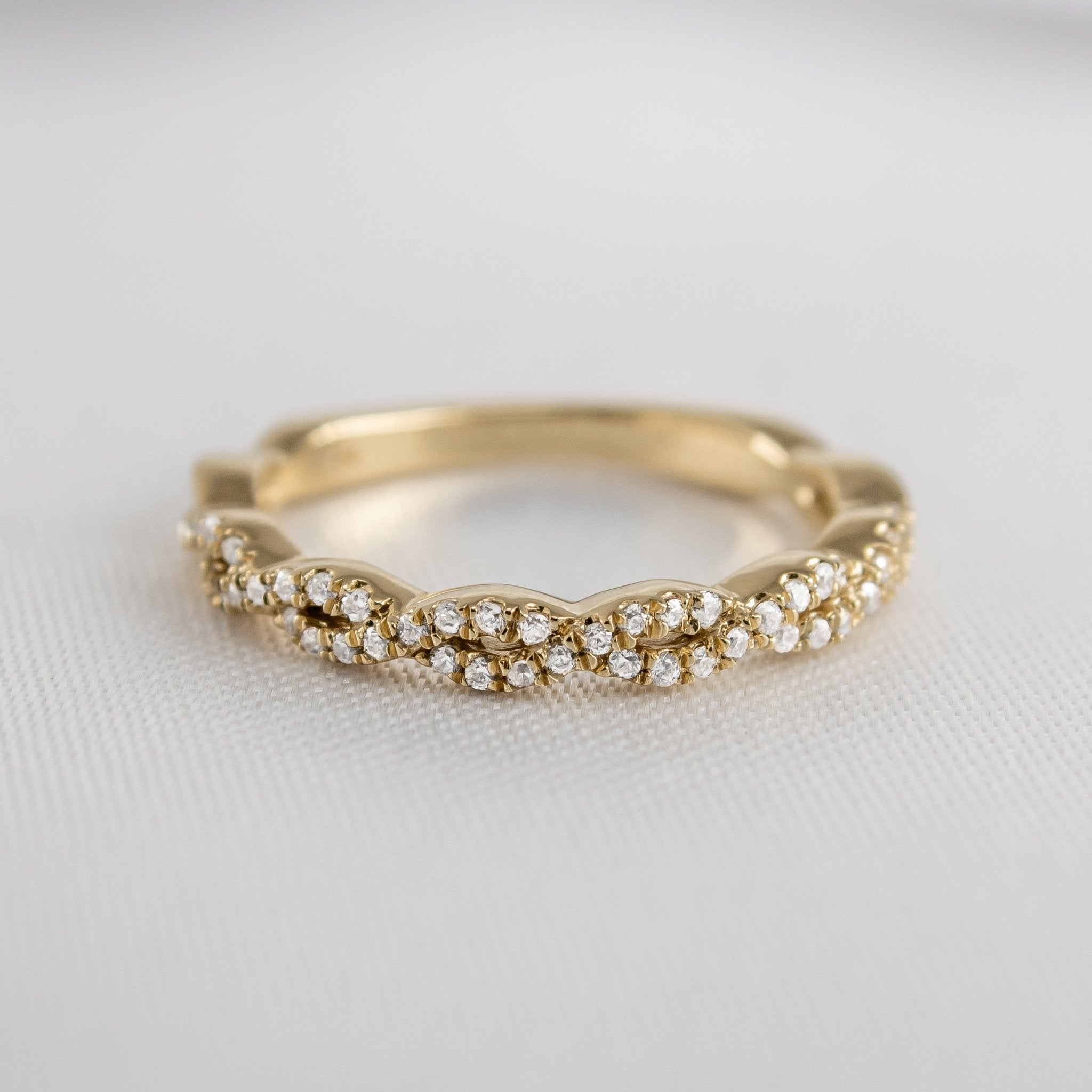
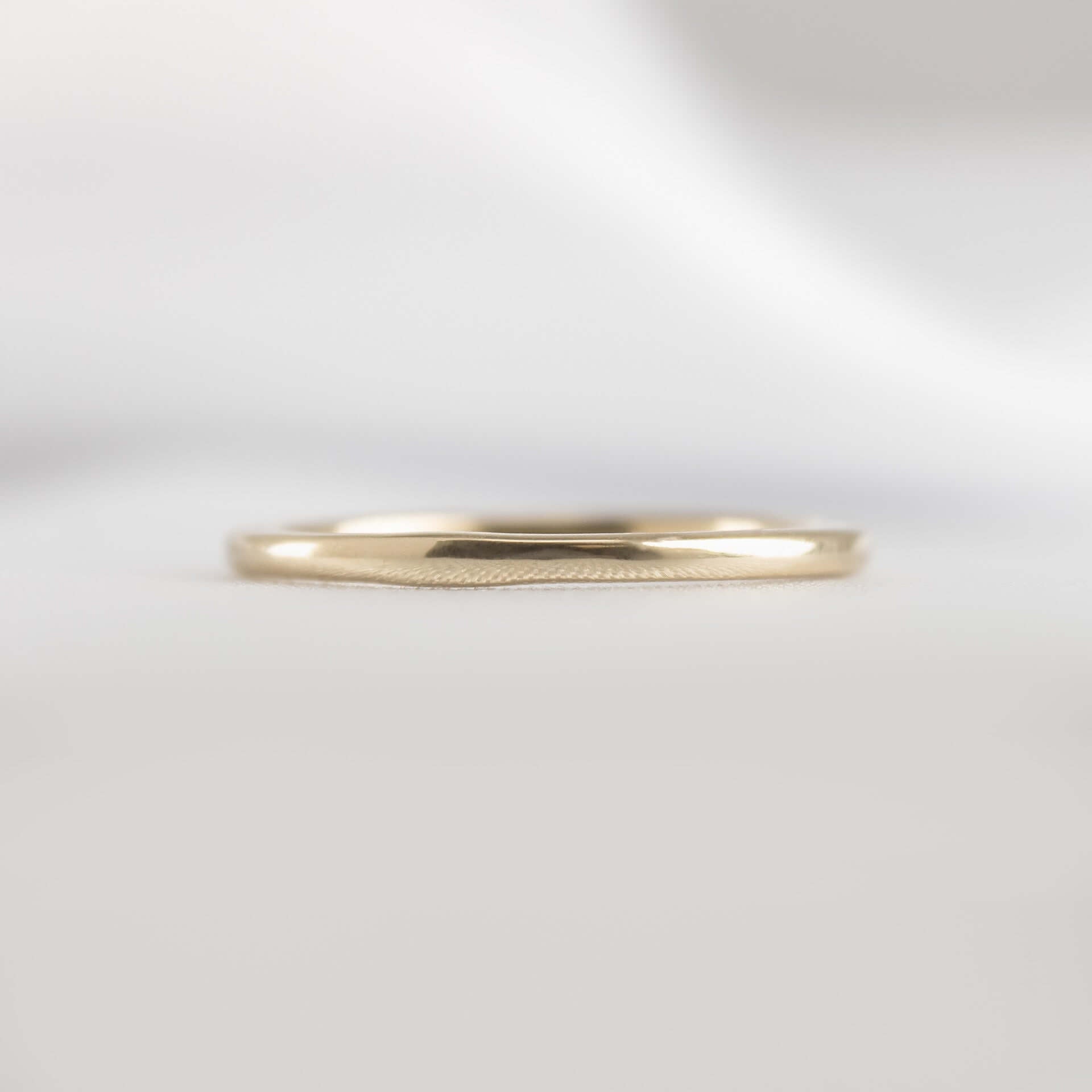
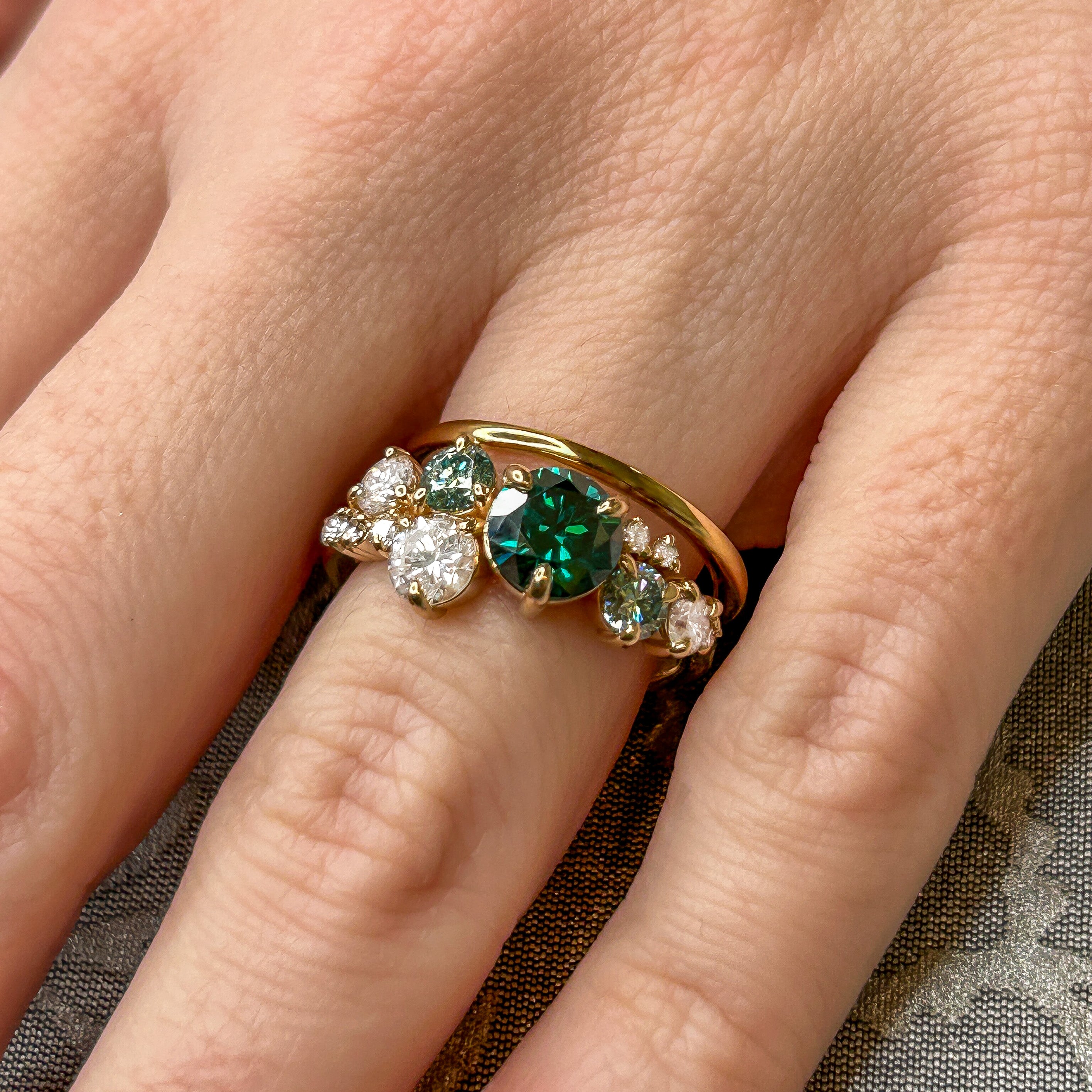

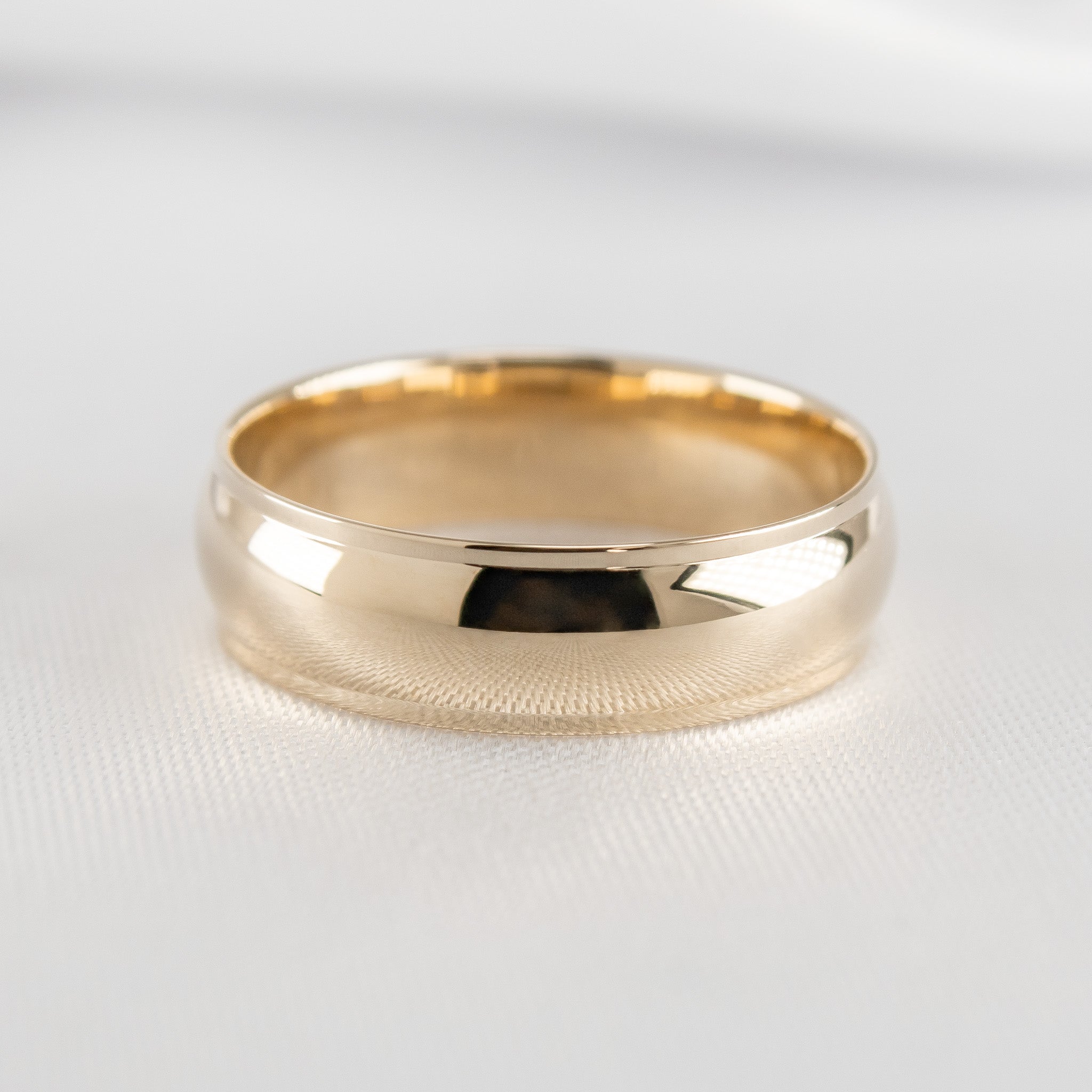


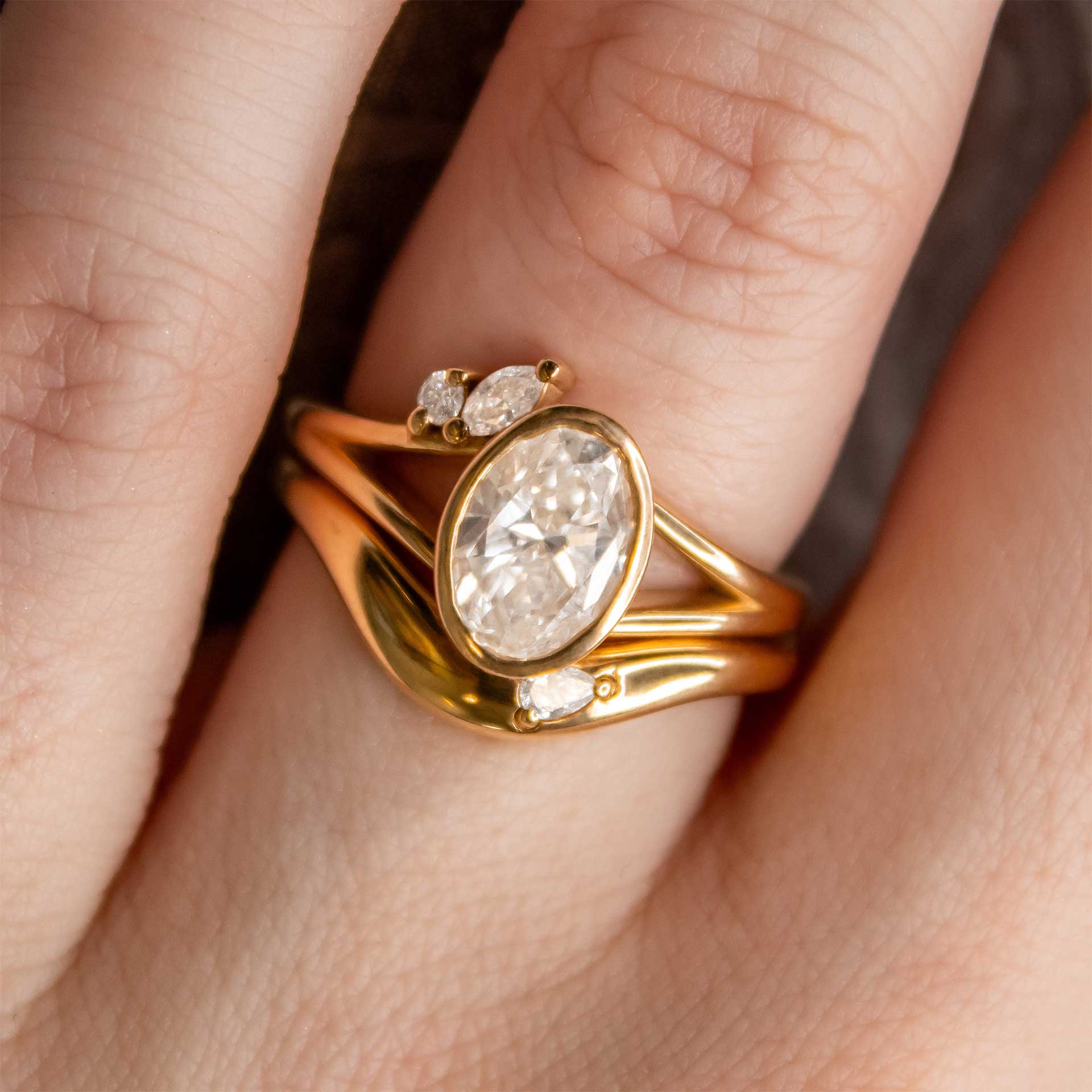
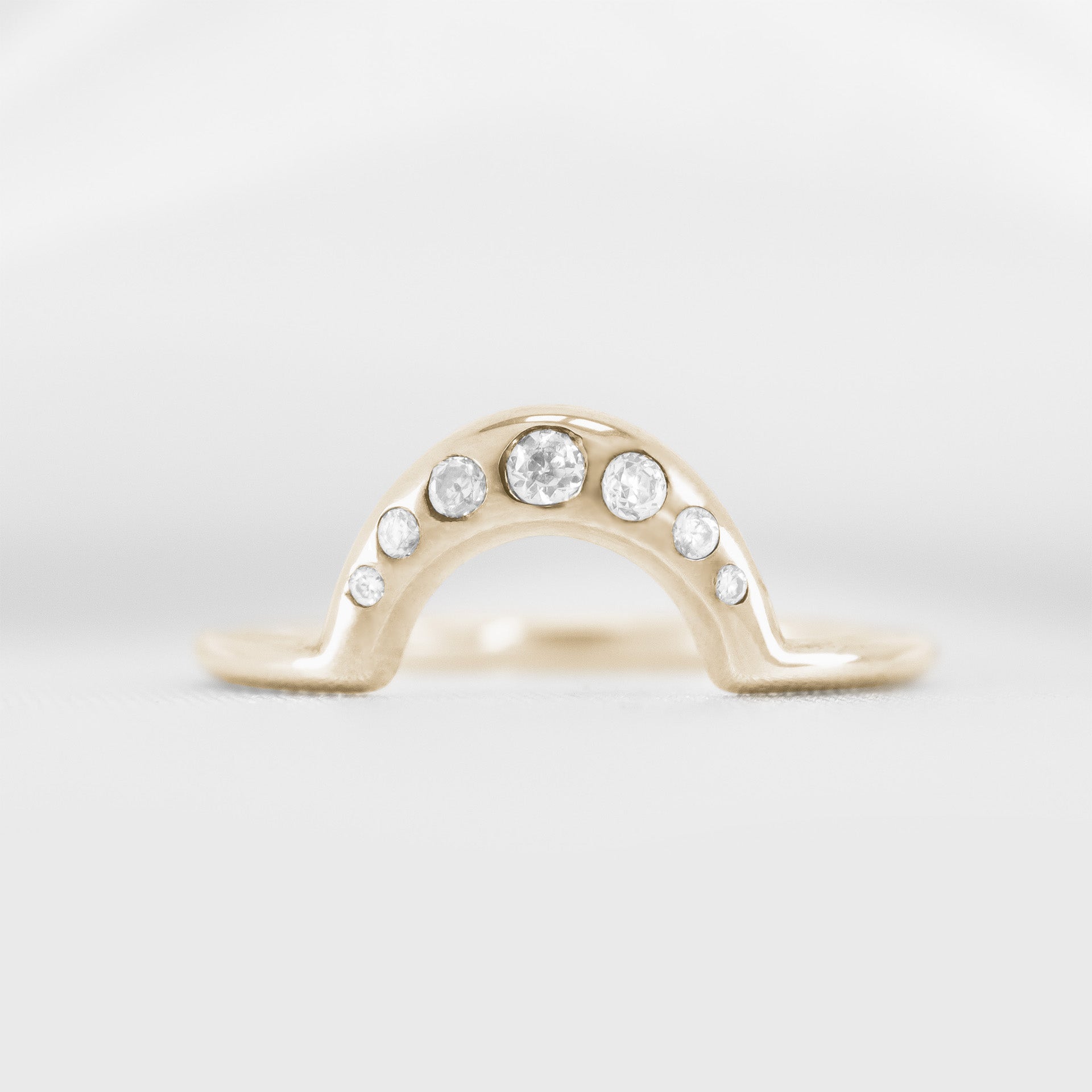
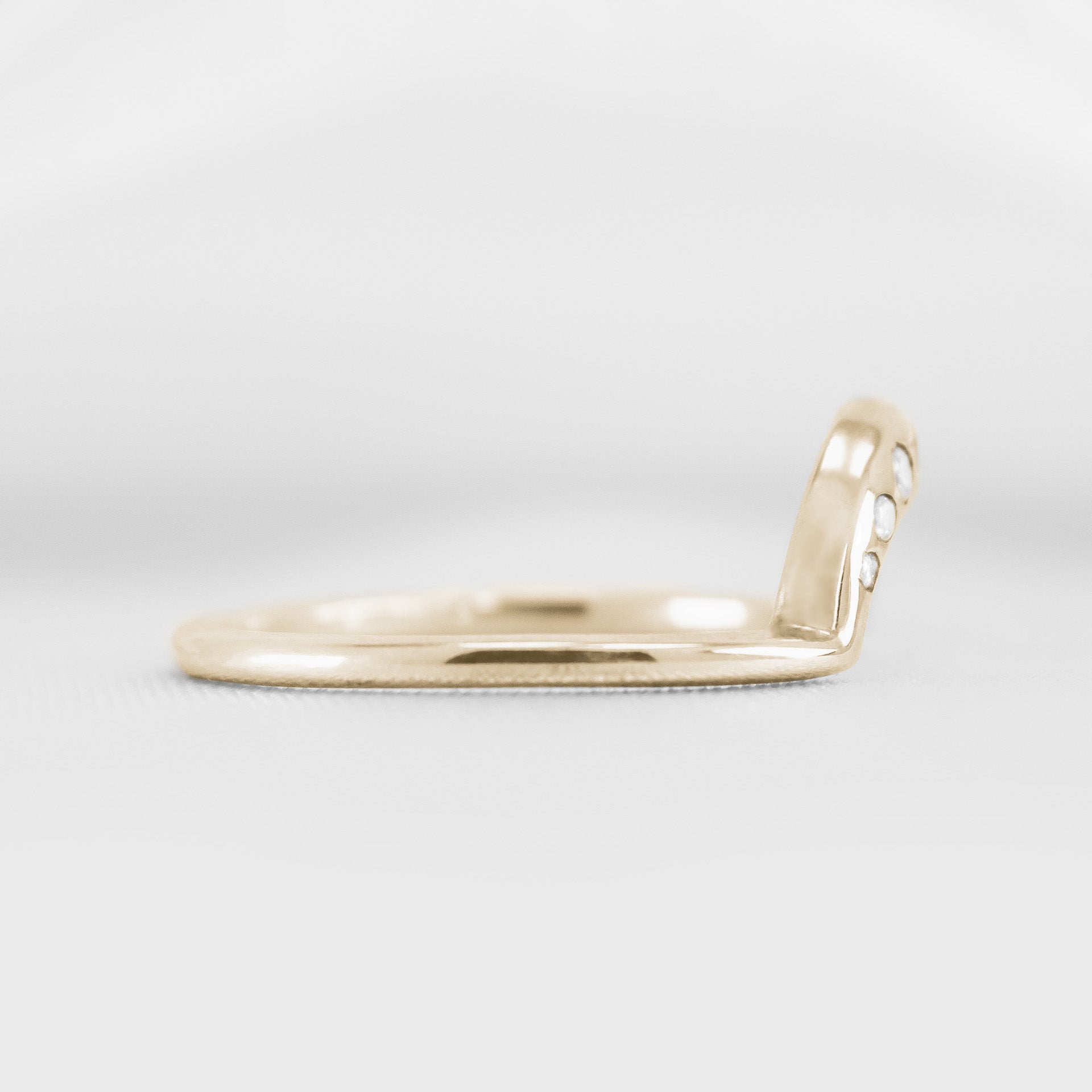
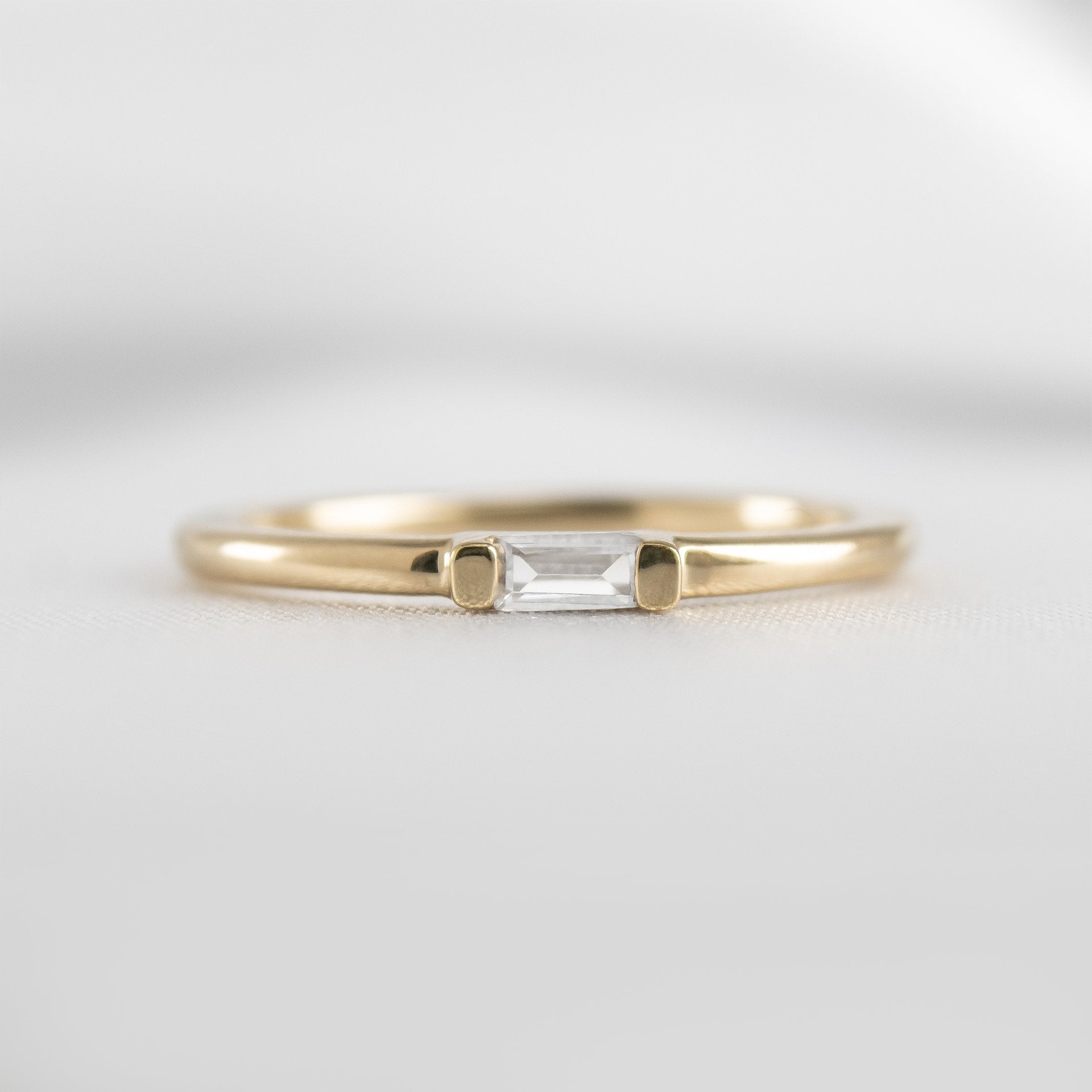
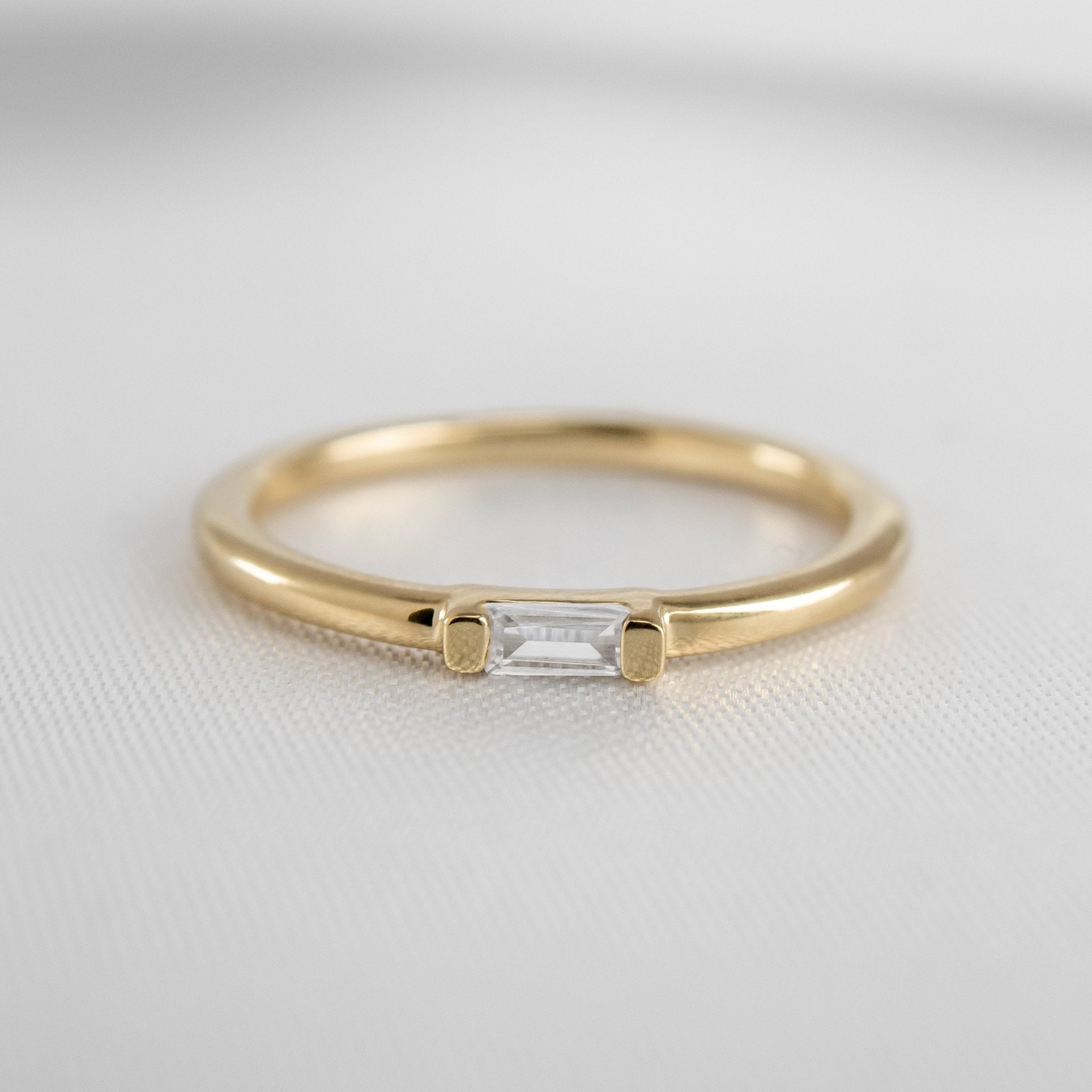
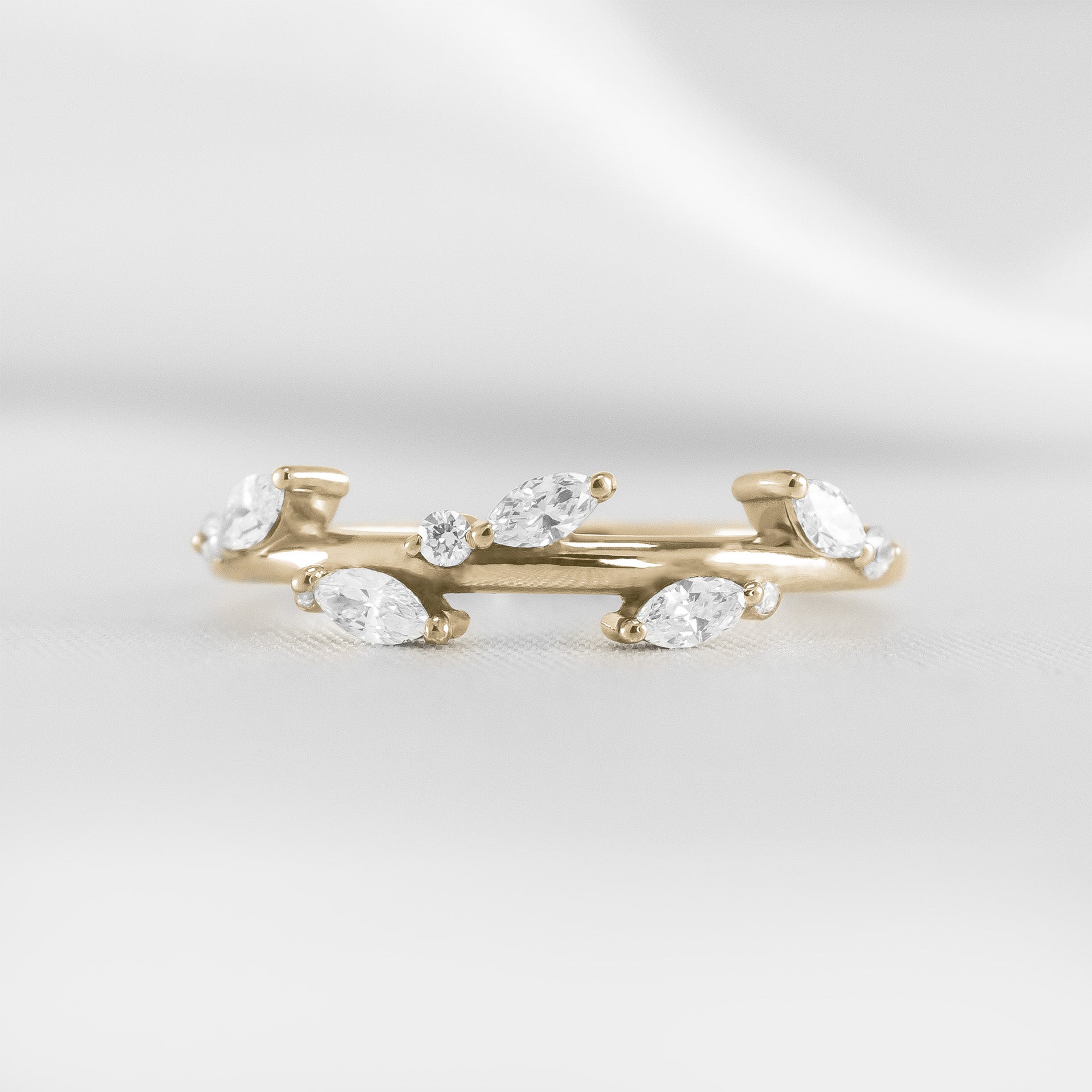
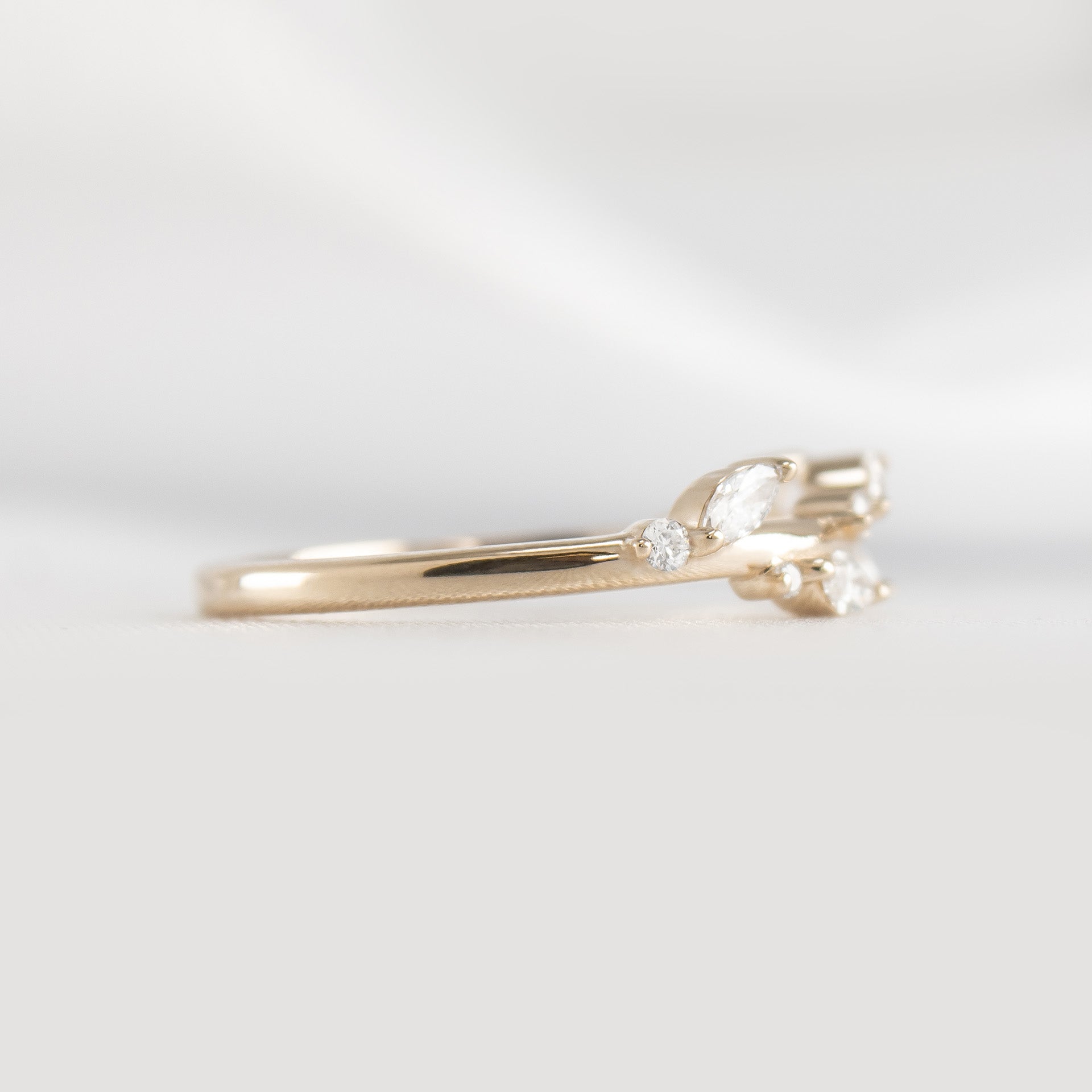
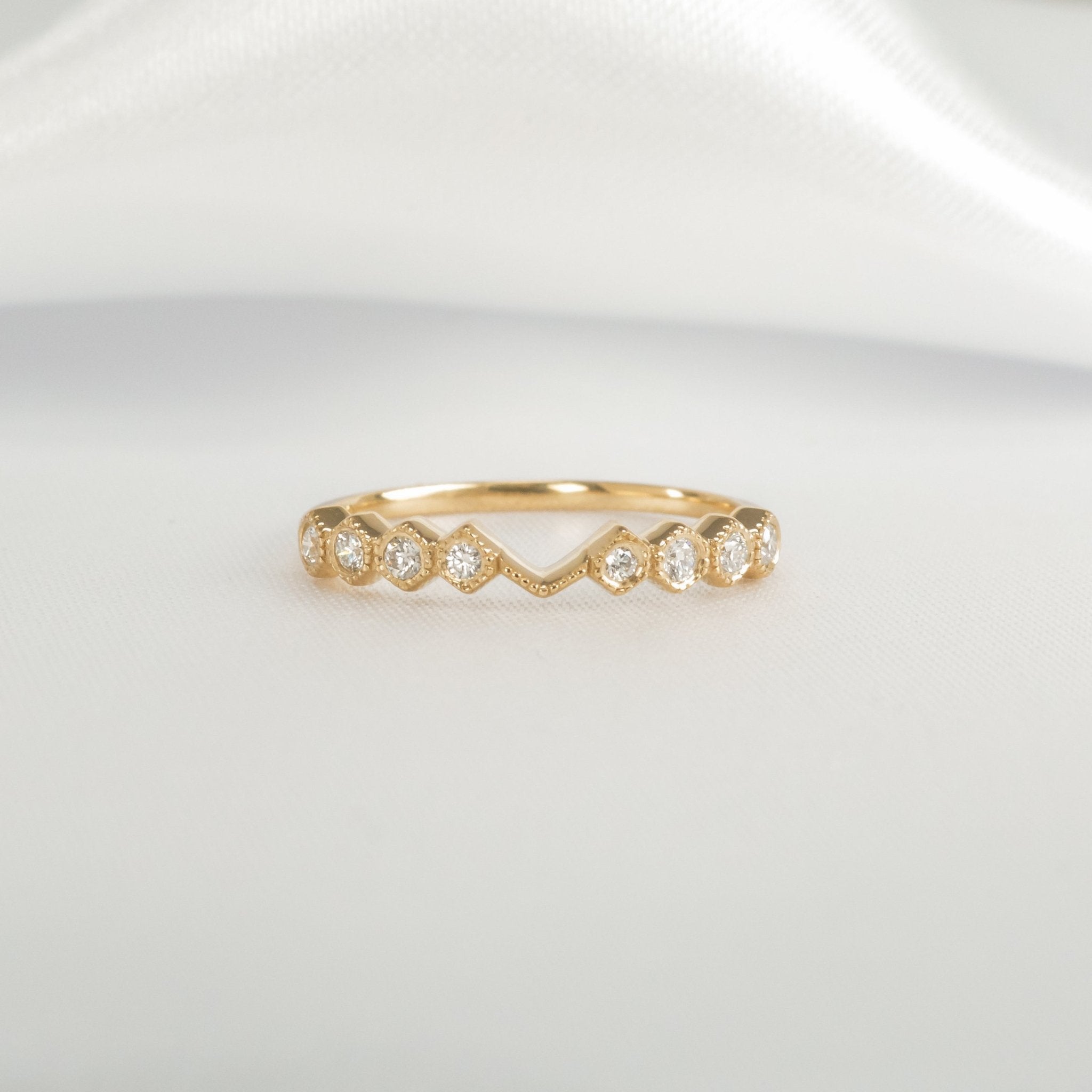
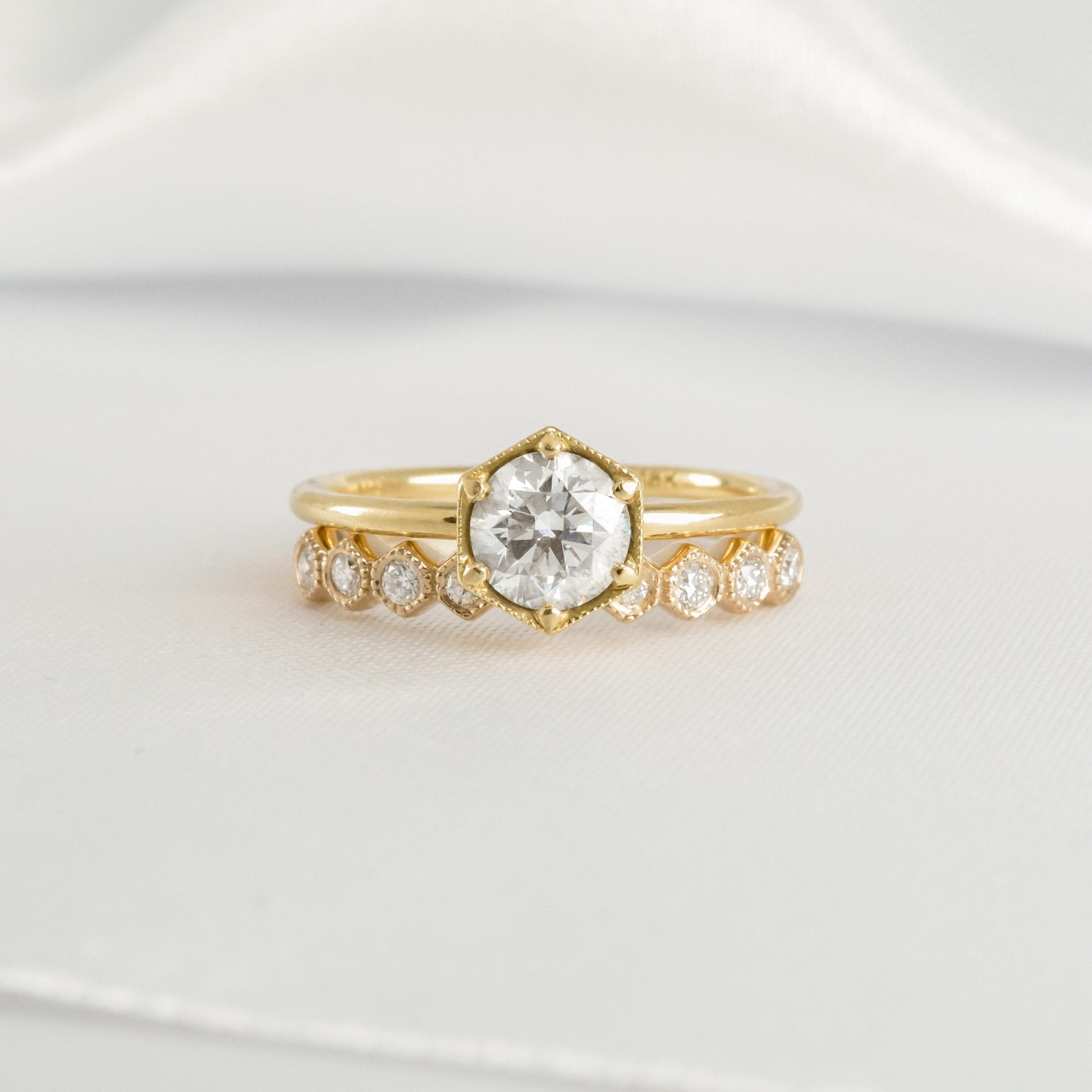
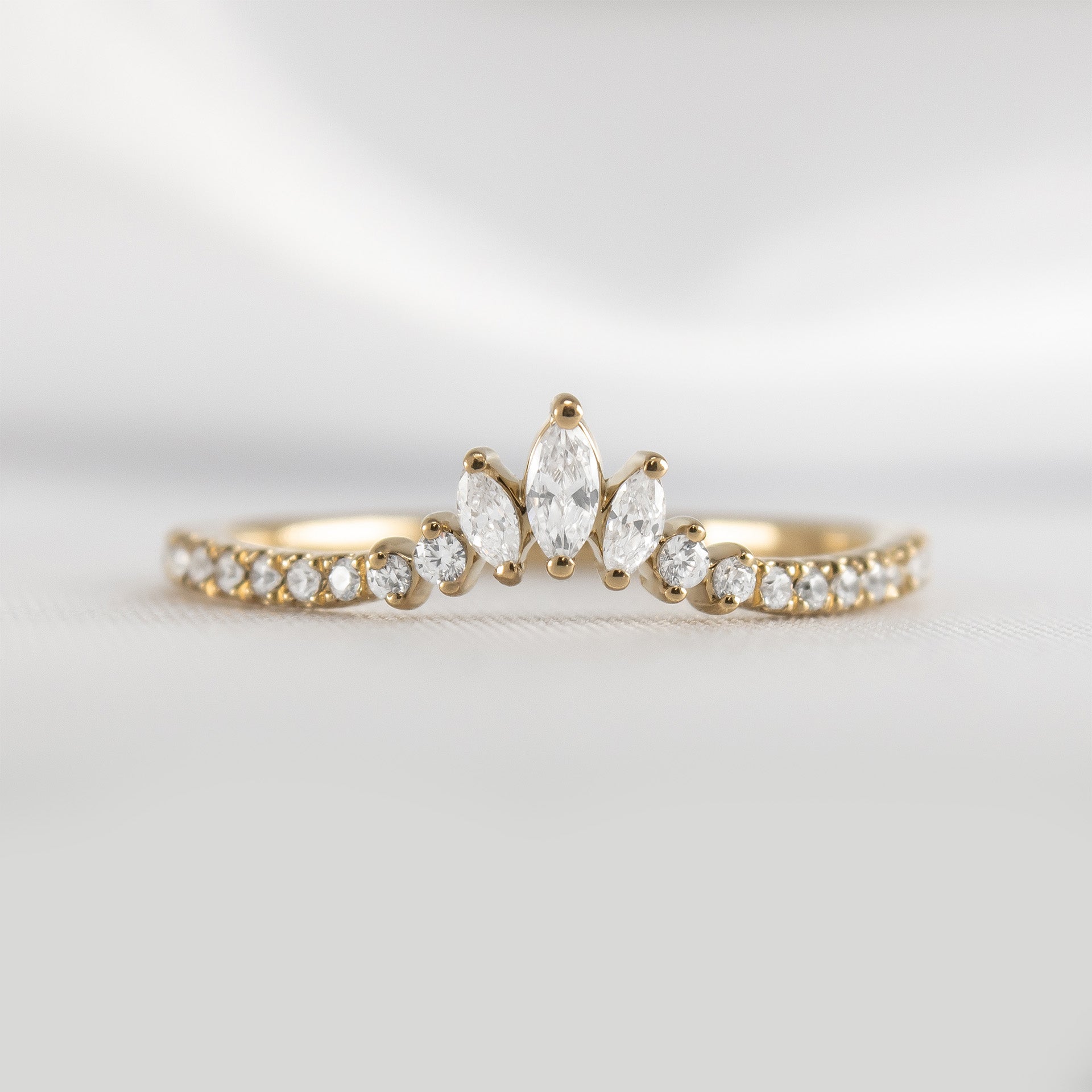
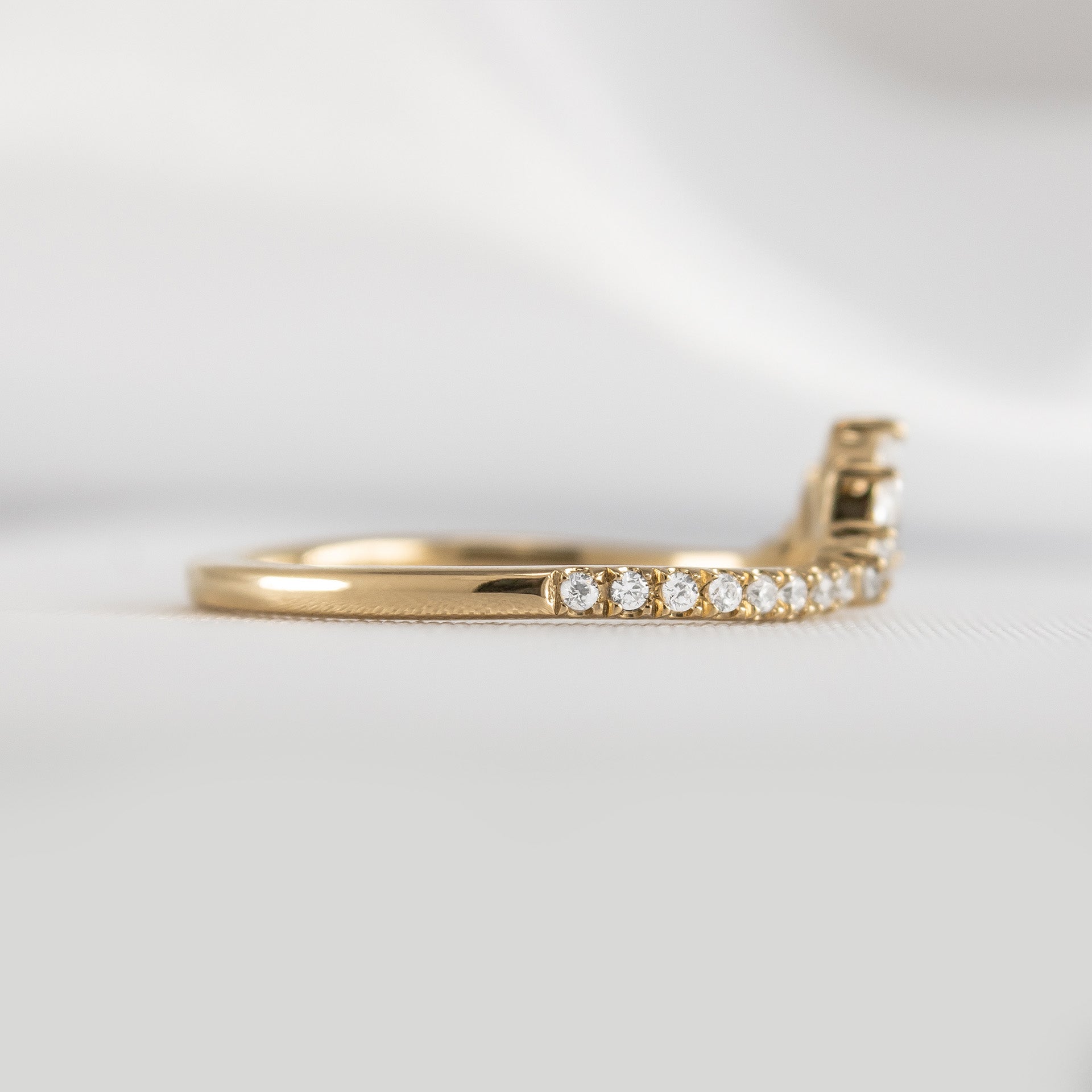
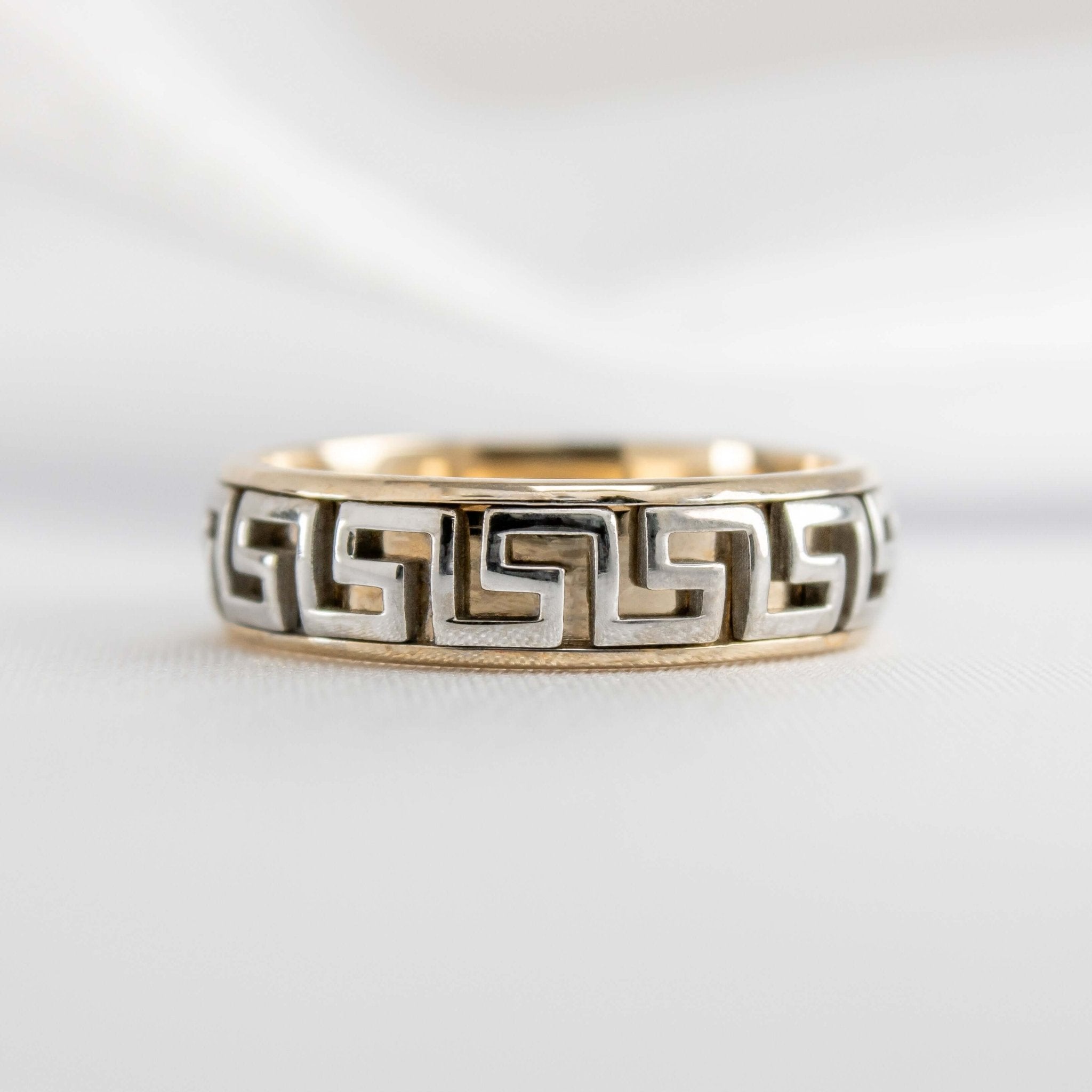
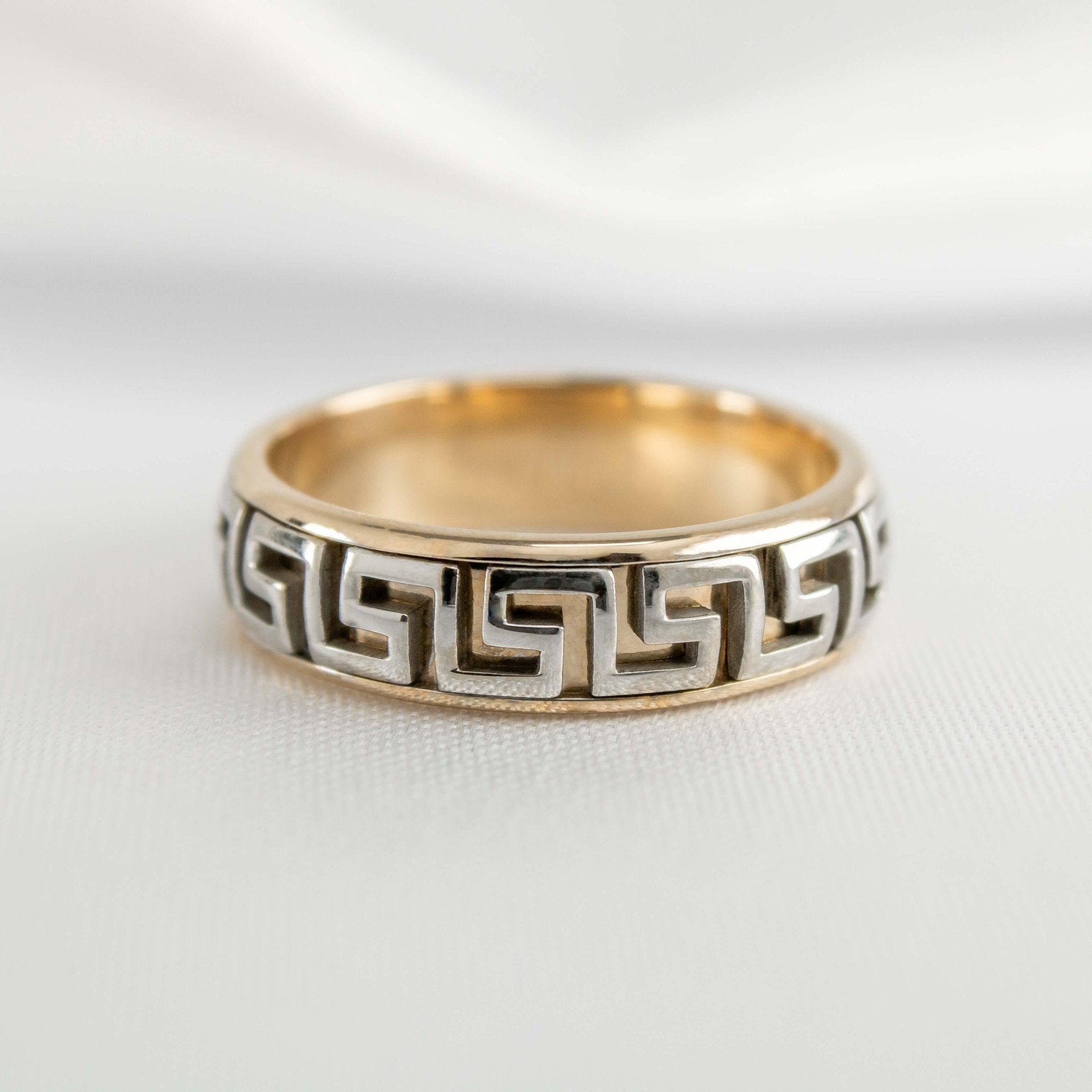
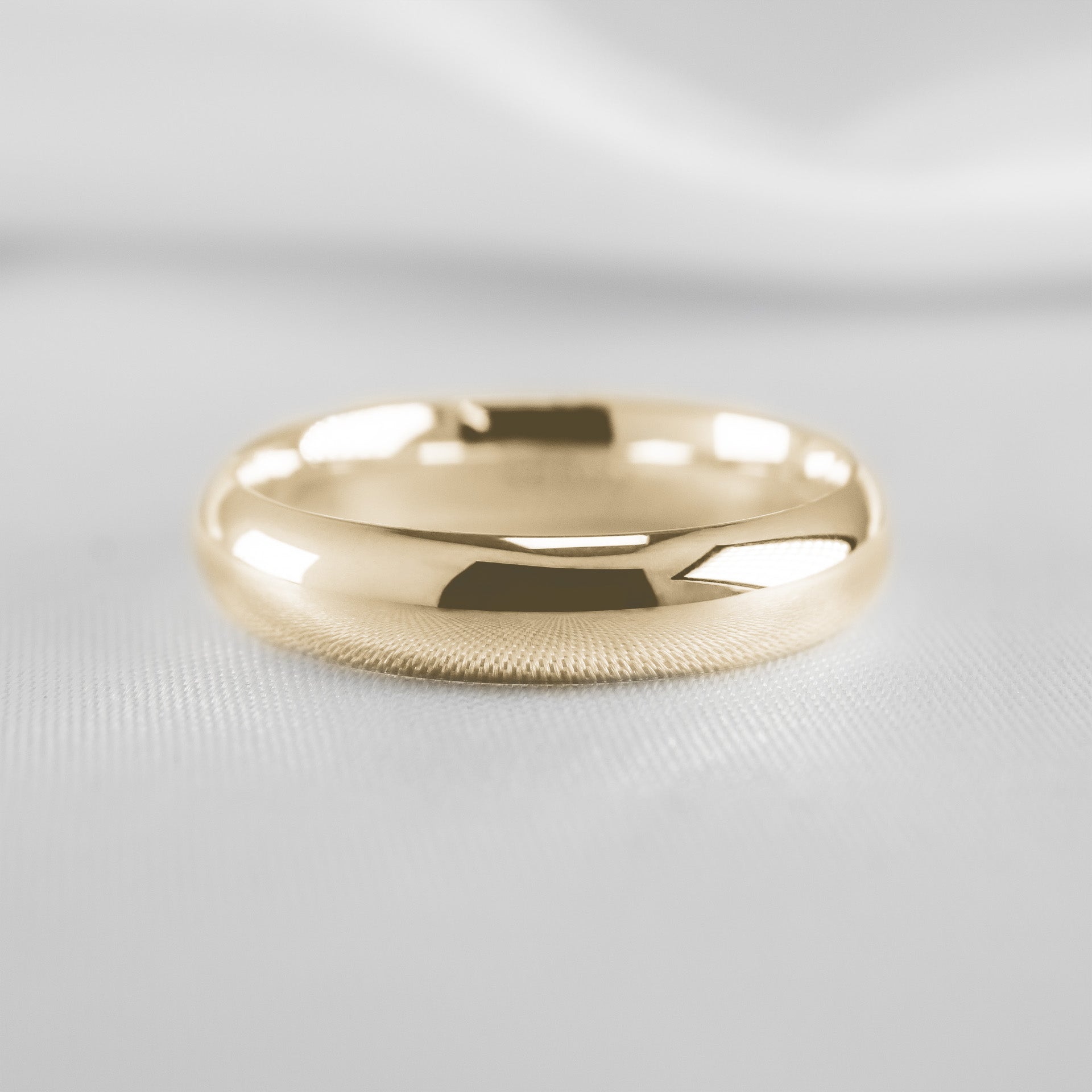

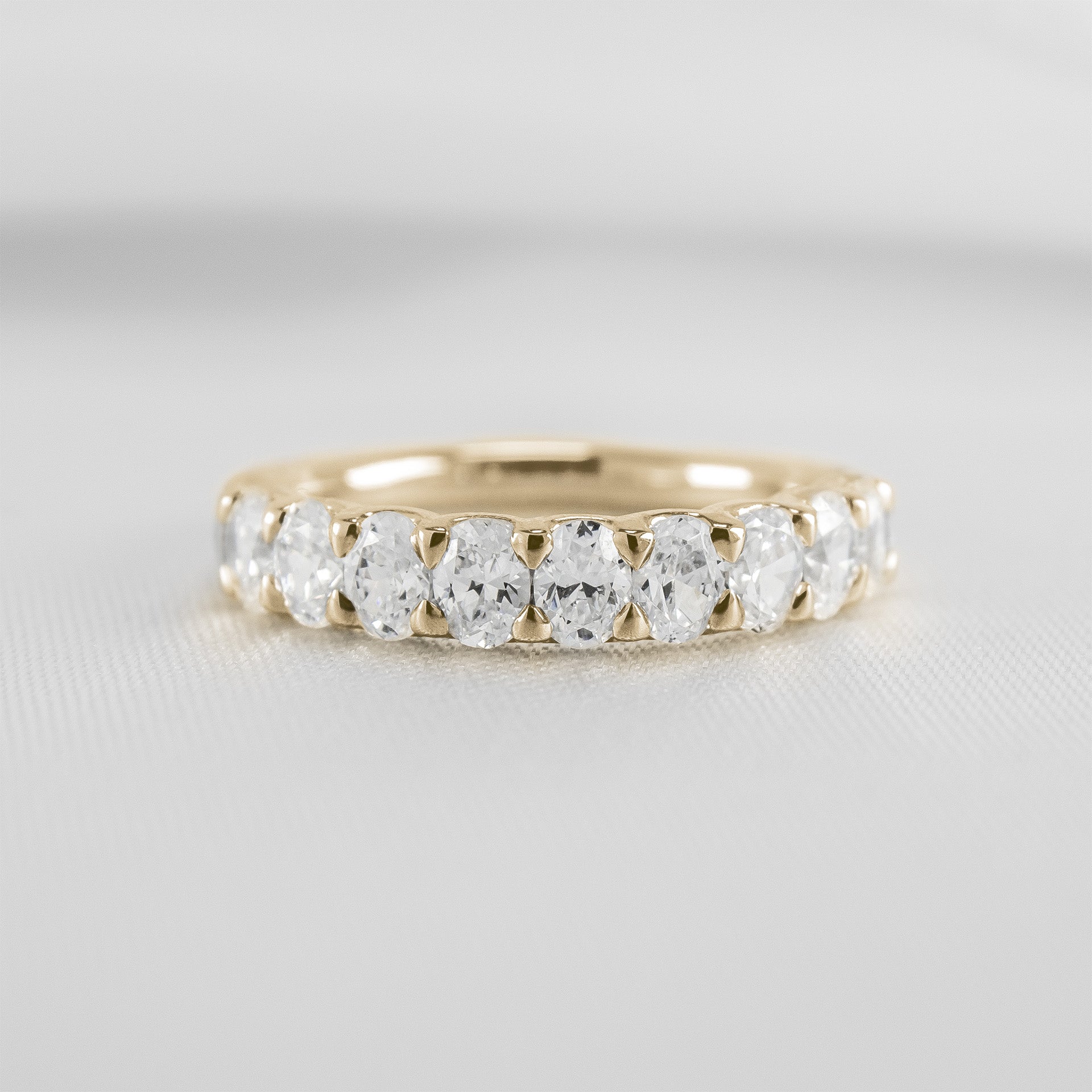
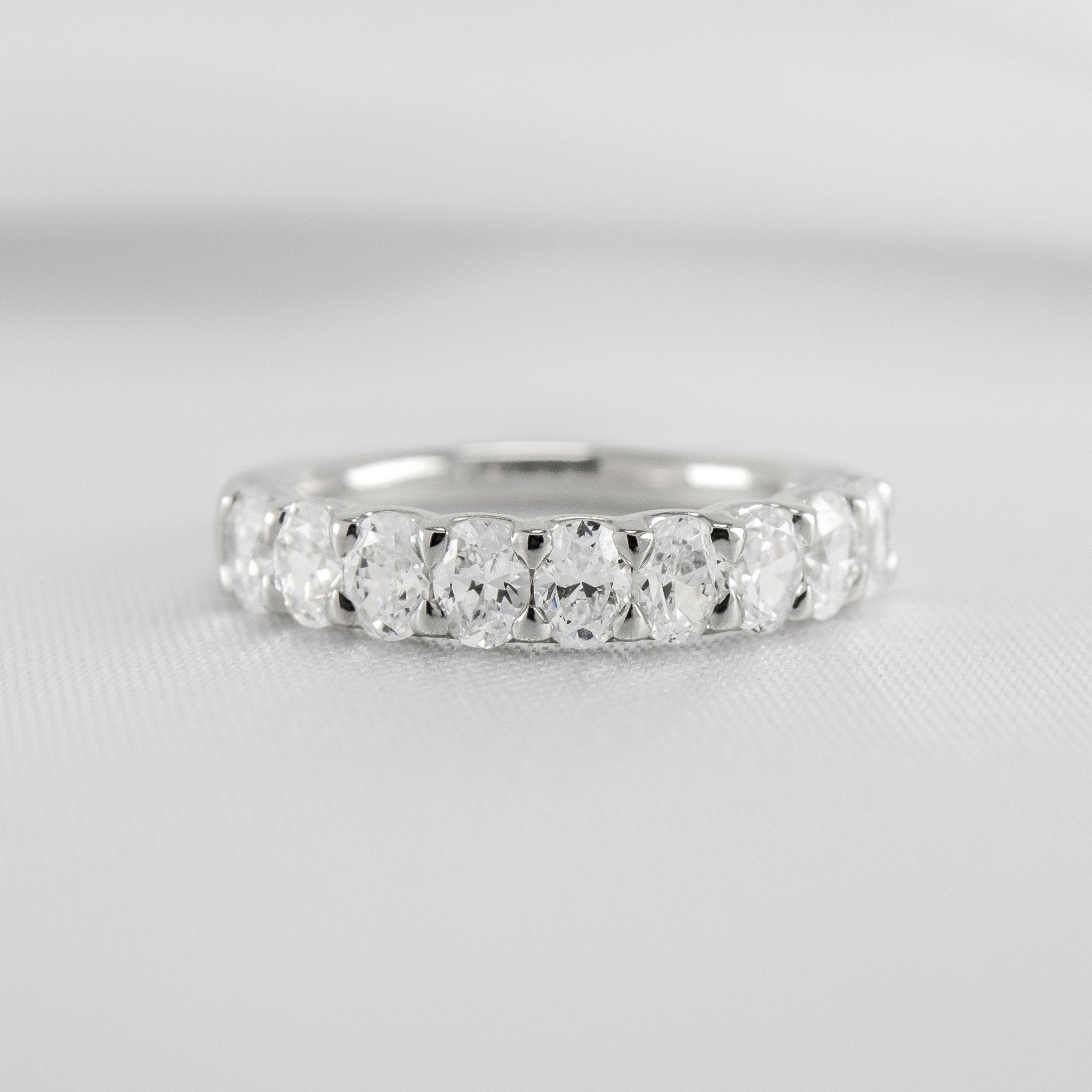
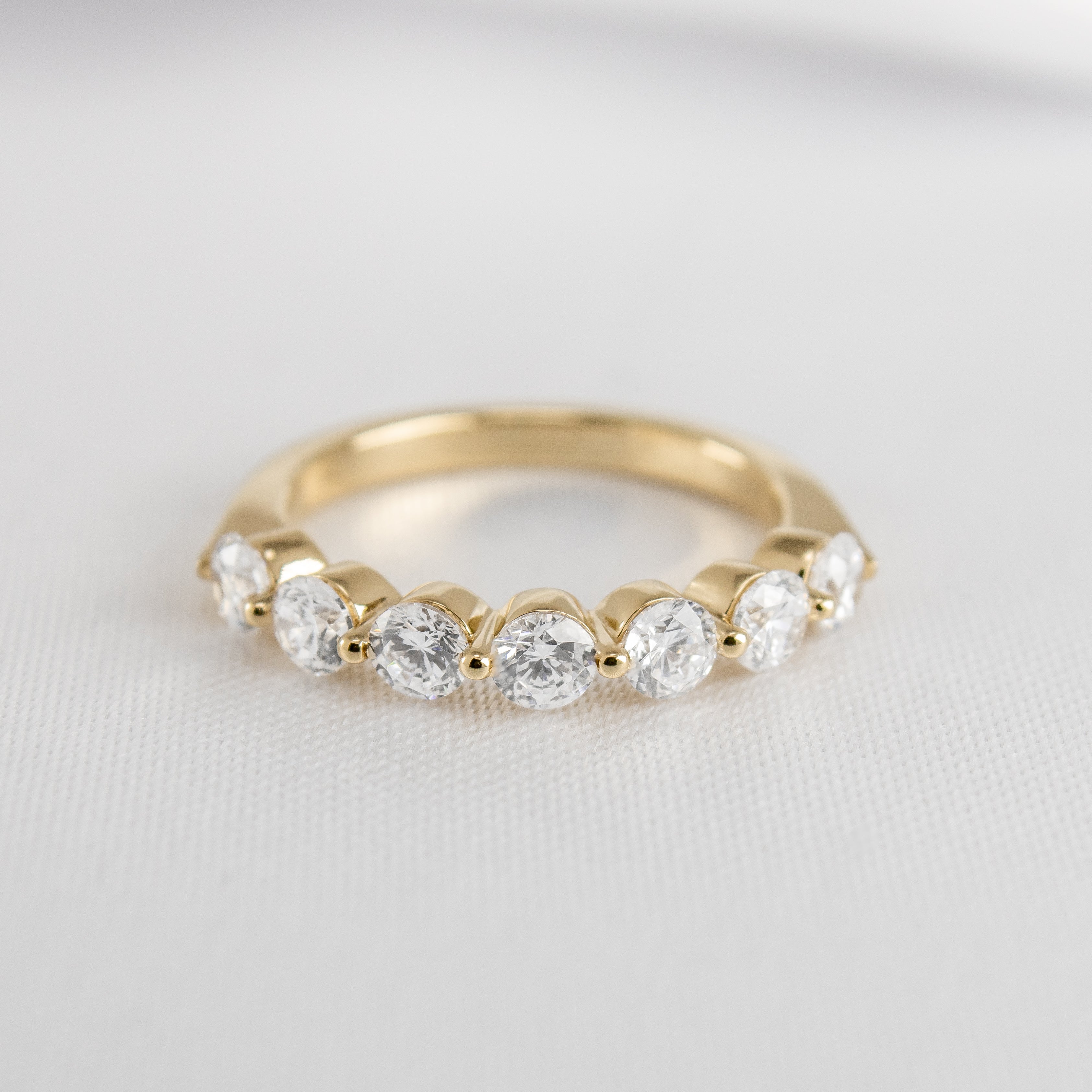
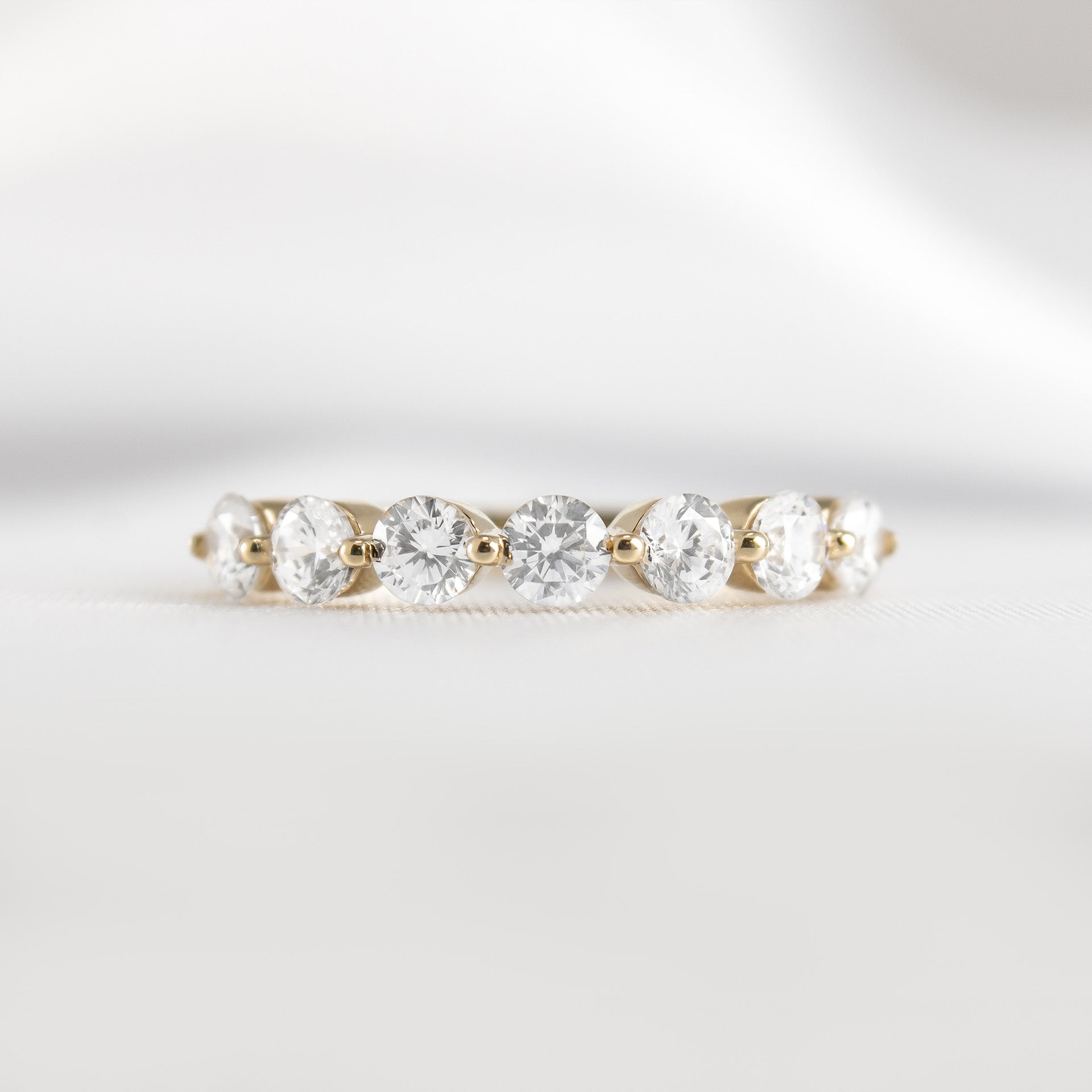
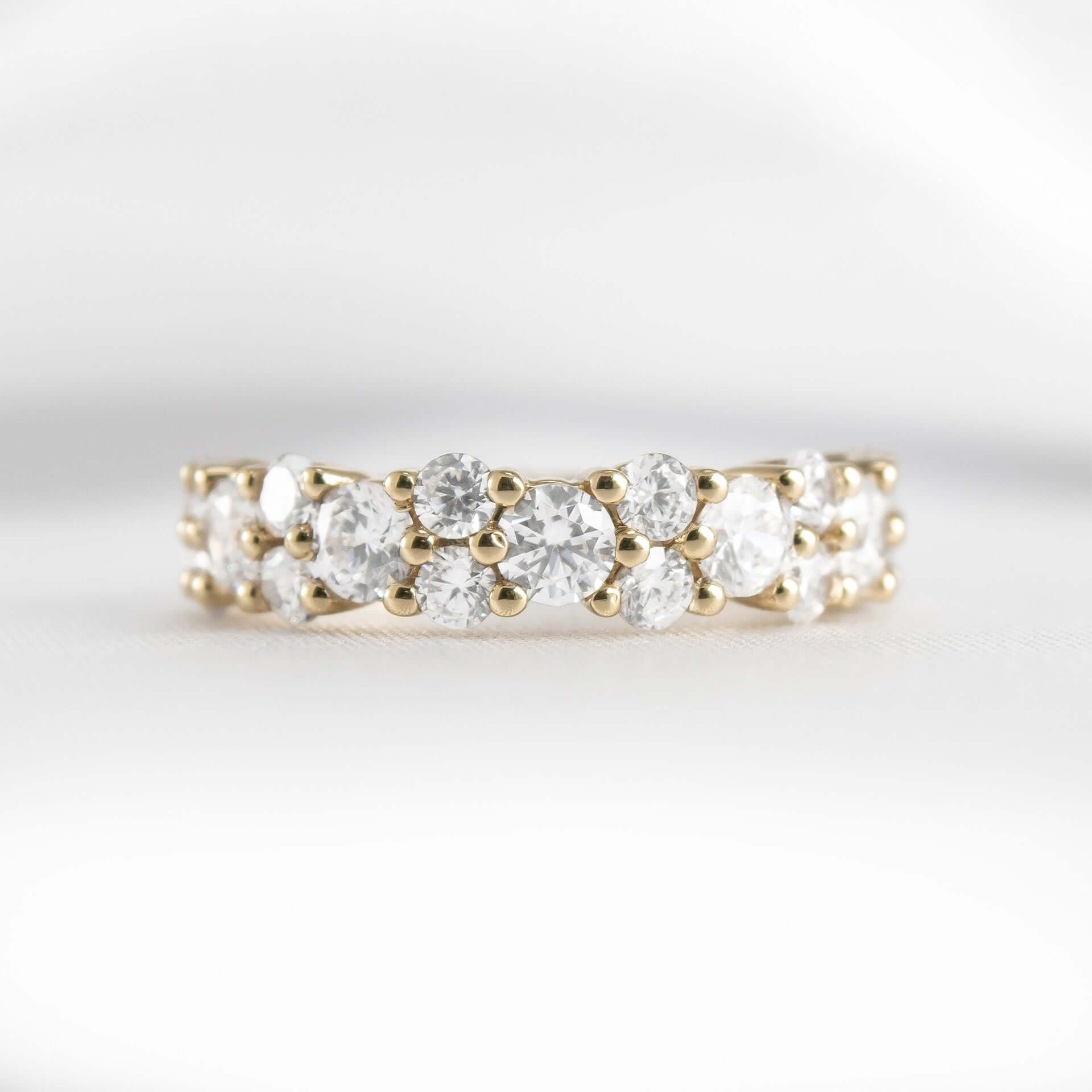
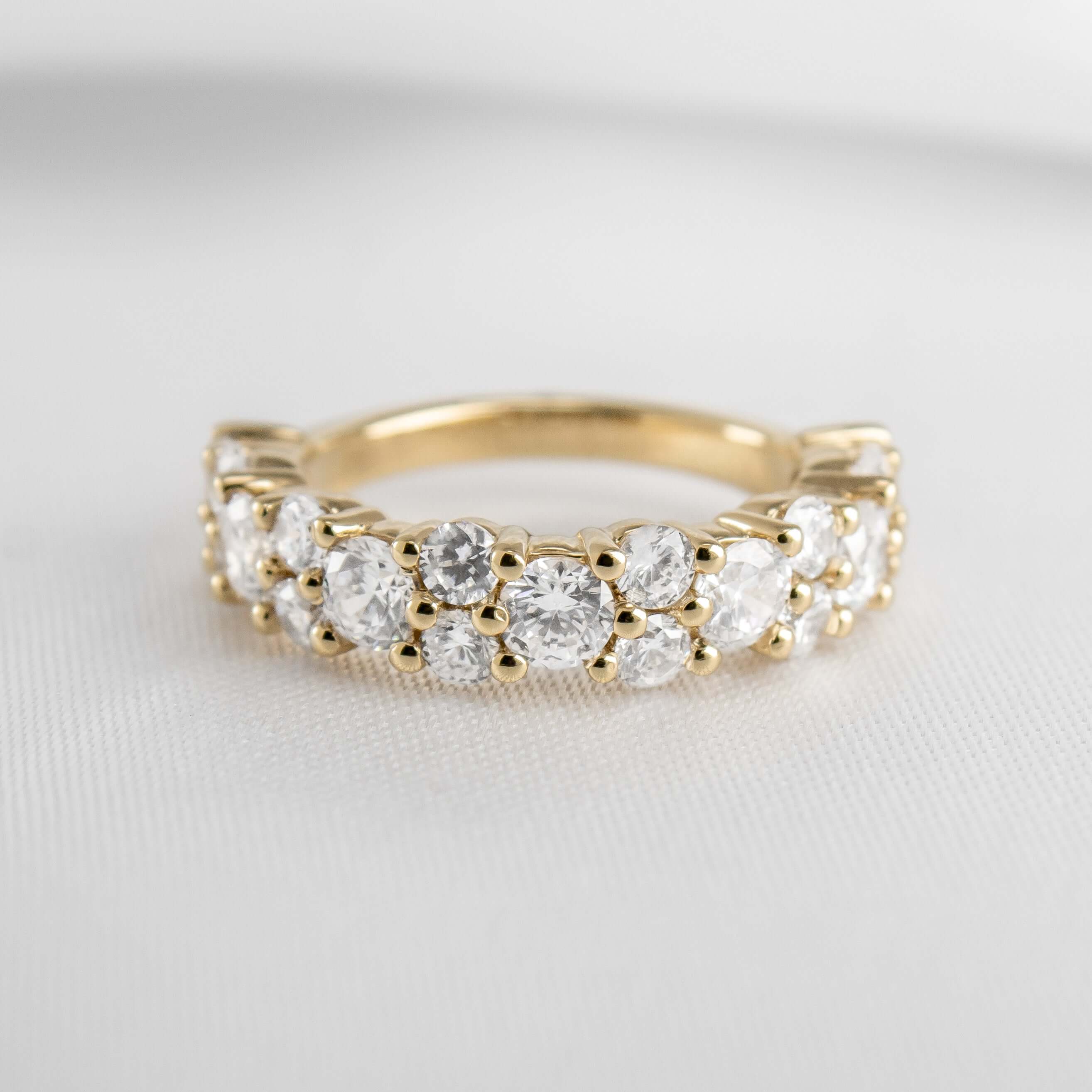
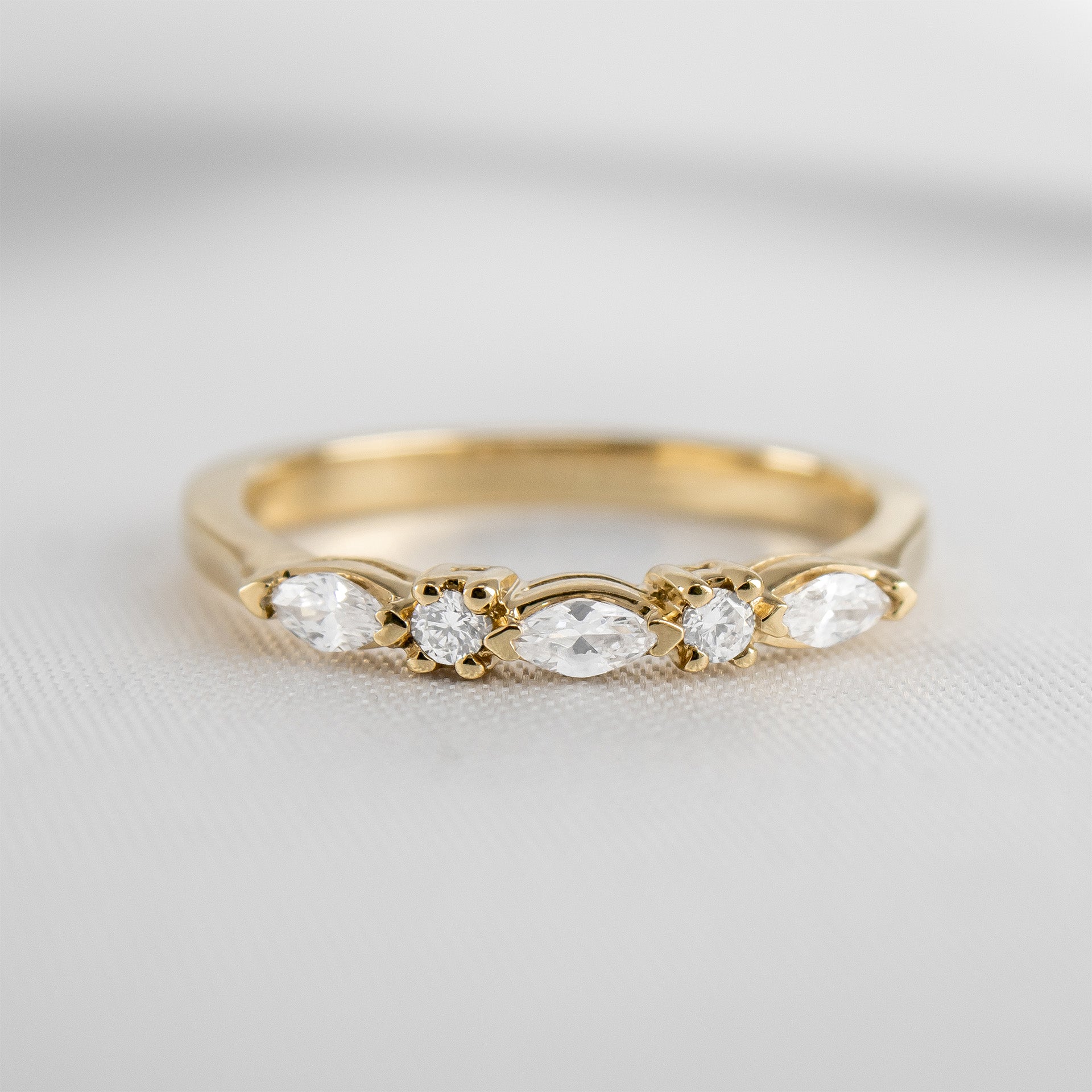
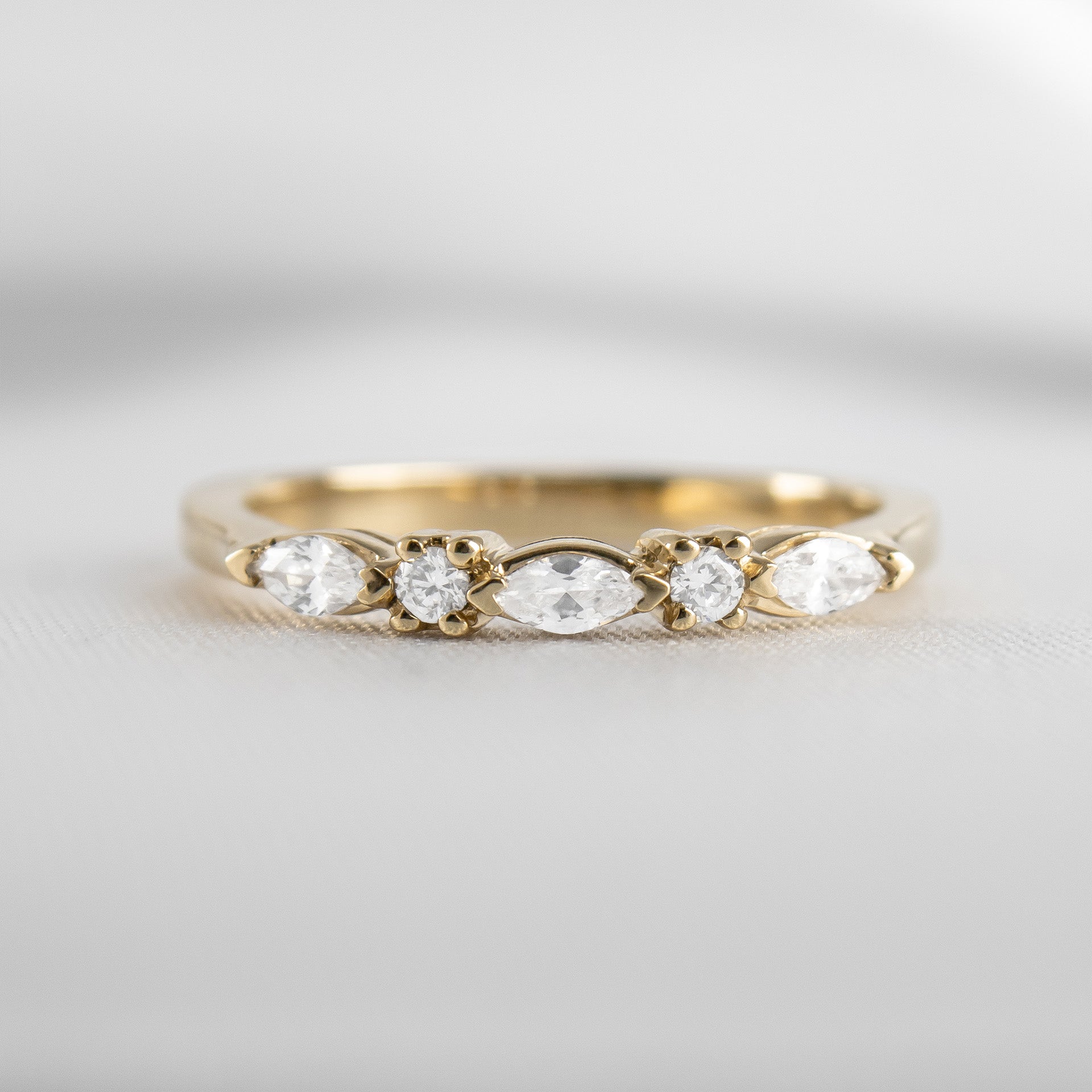
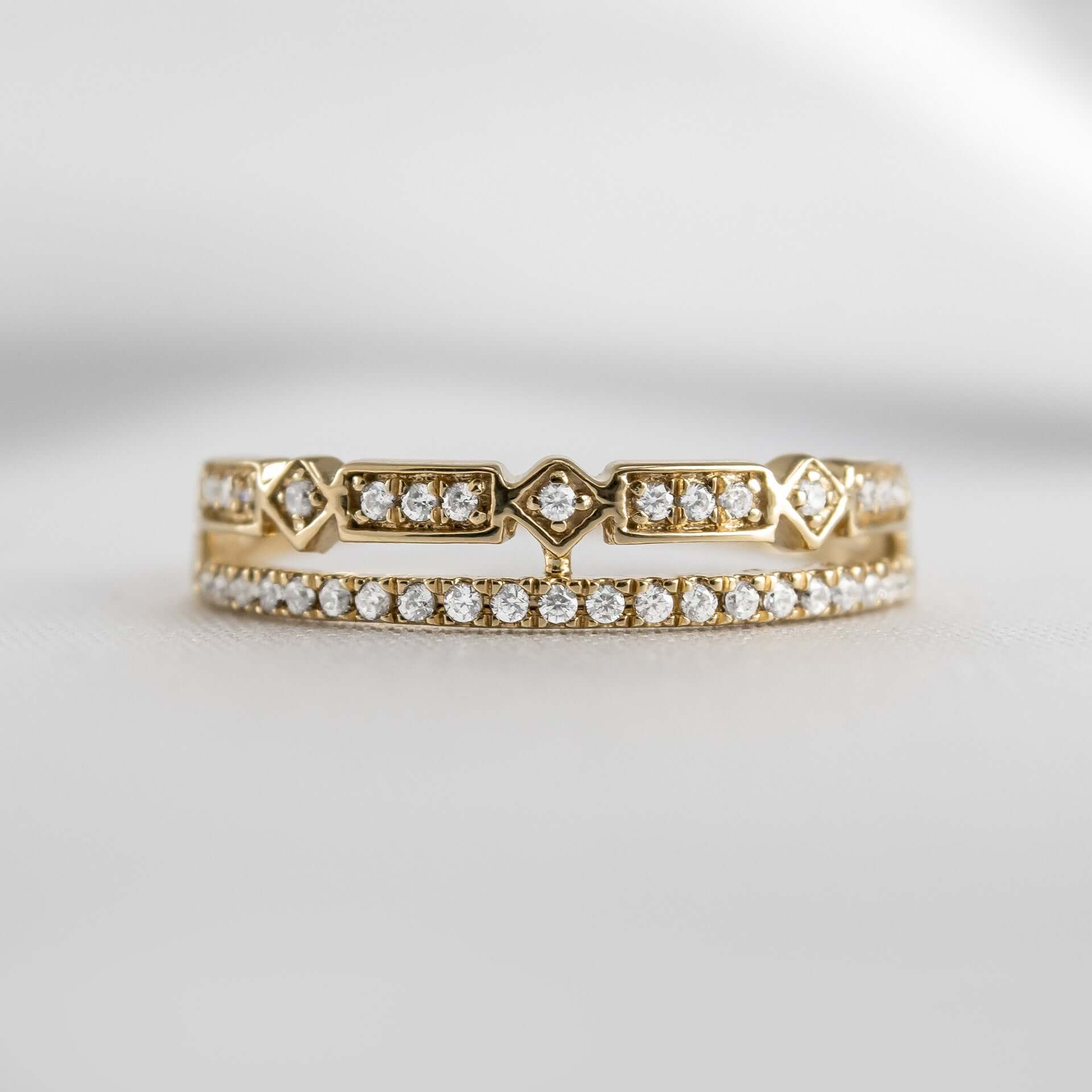
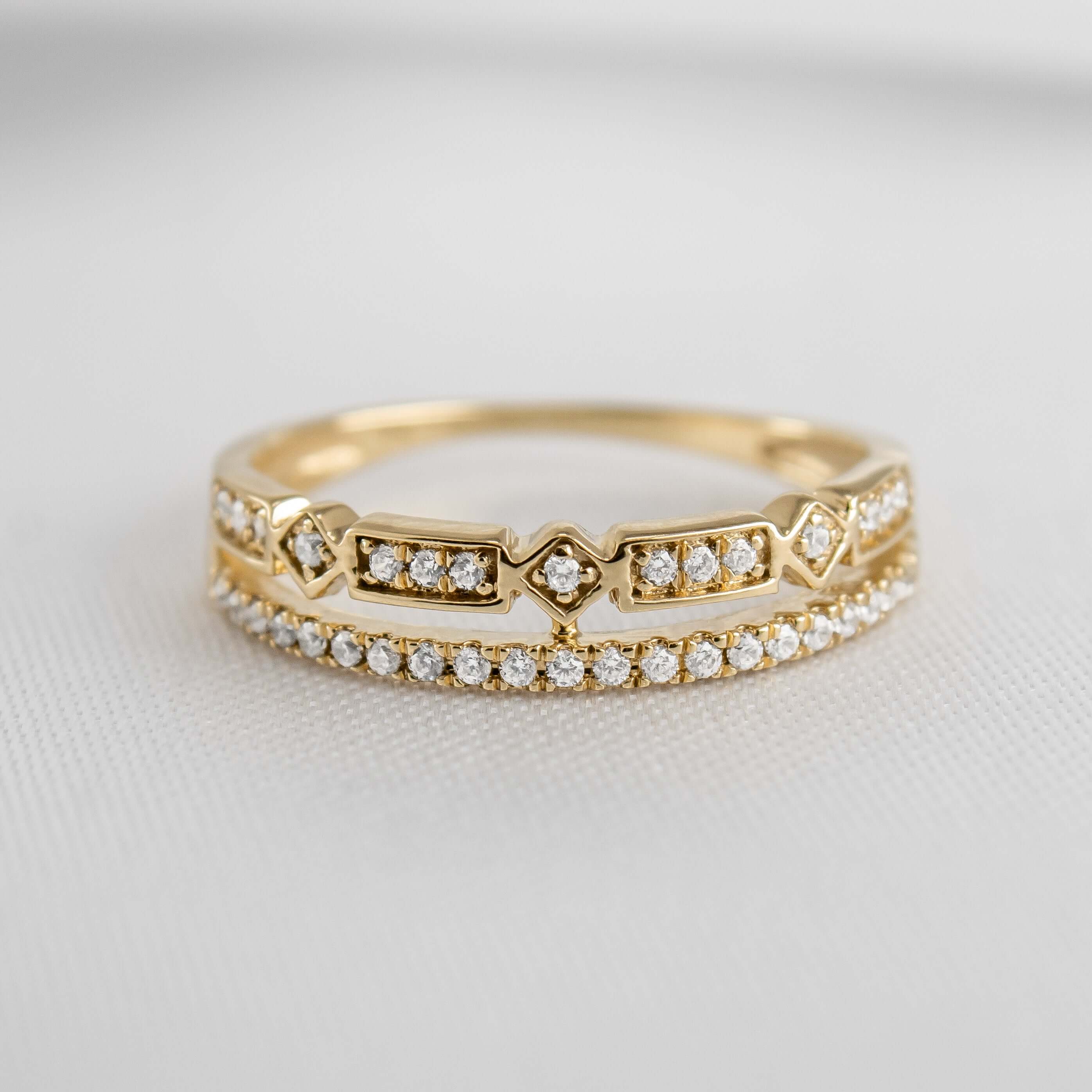
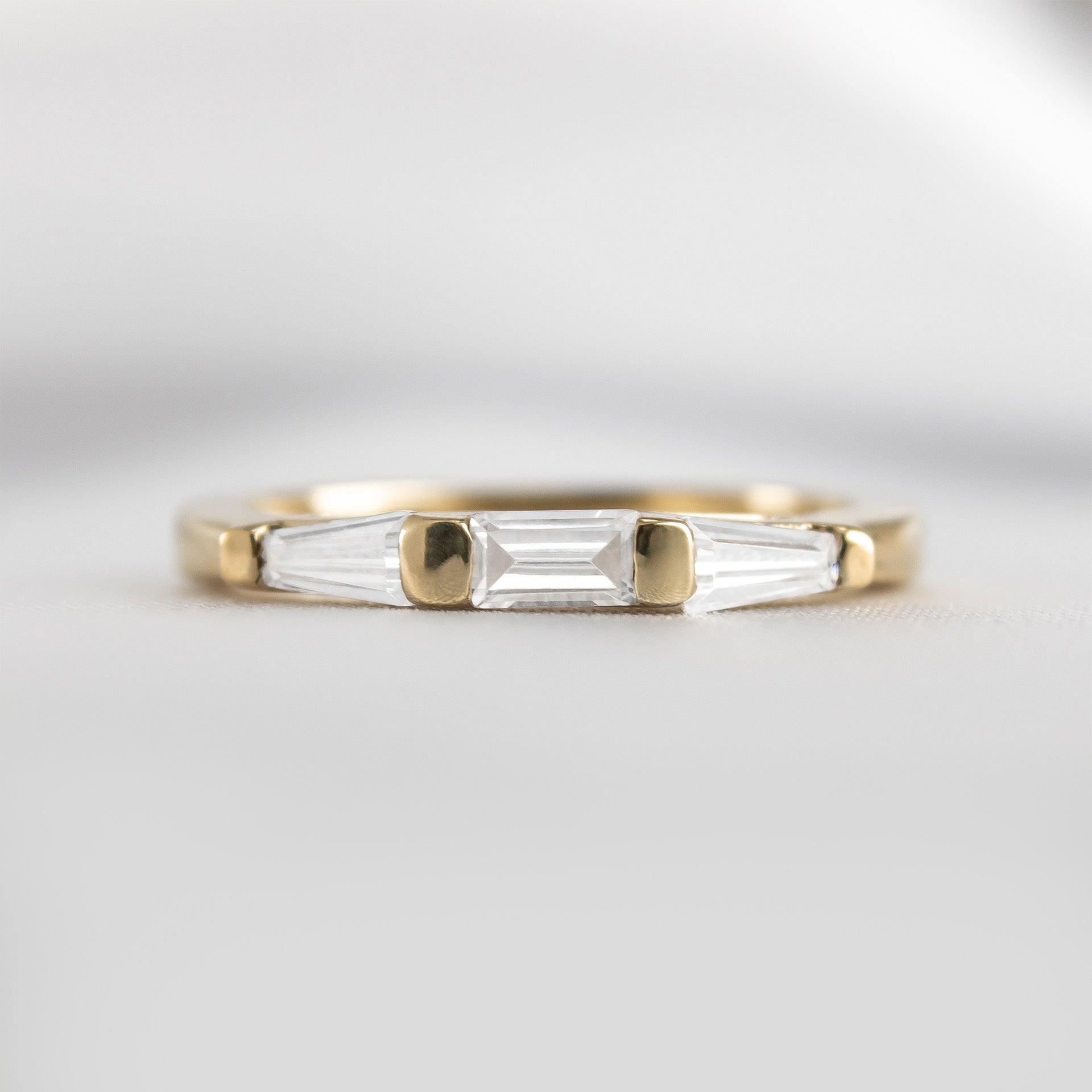
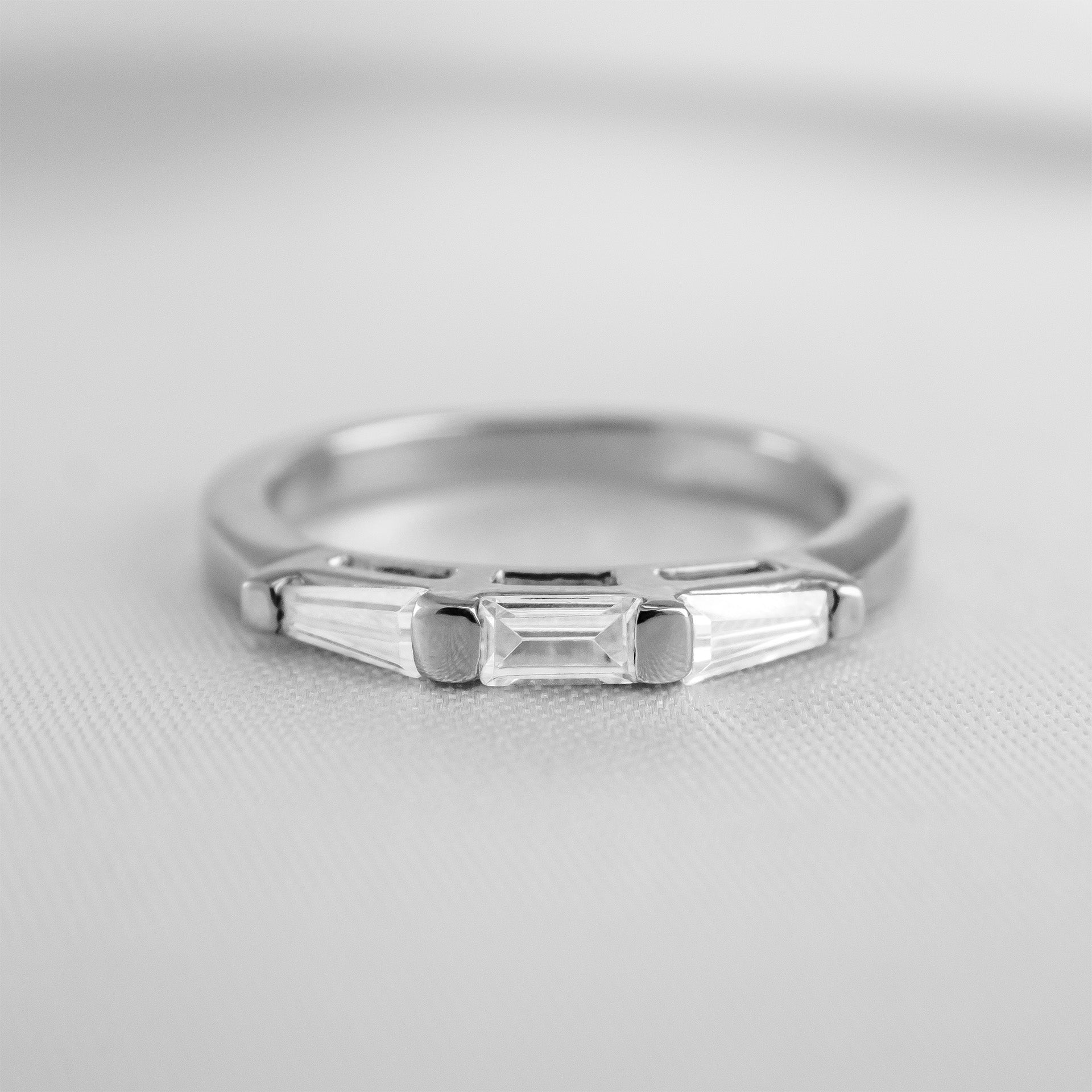
Women's Wedding Ring Styles
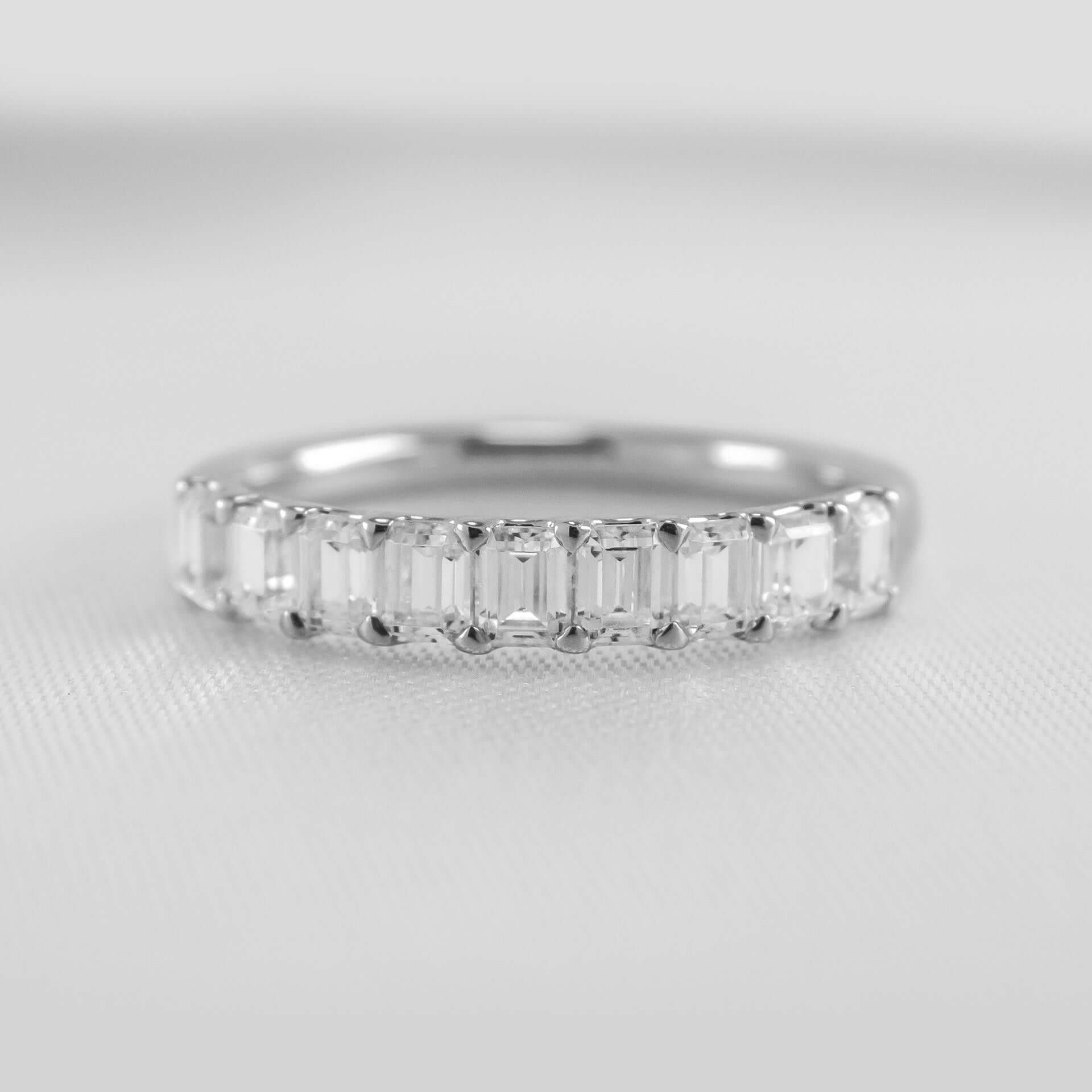
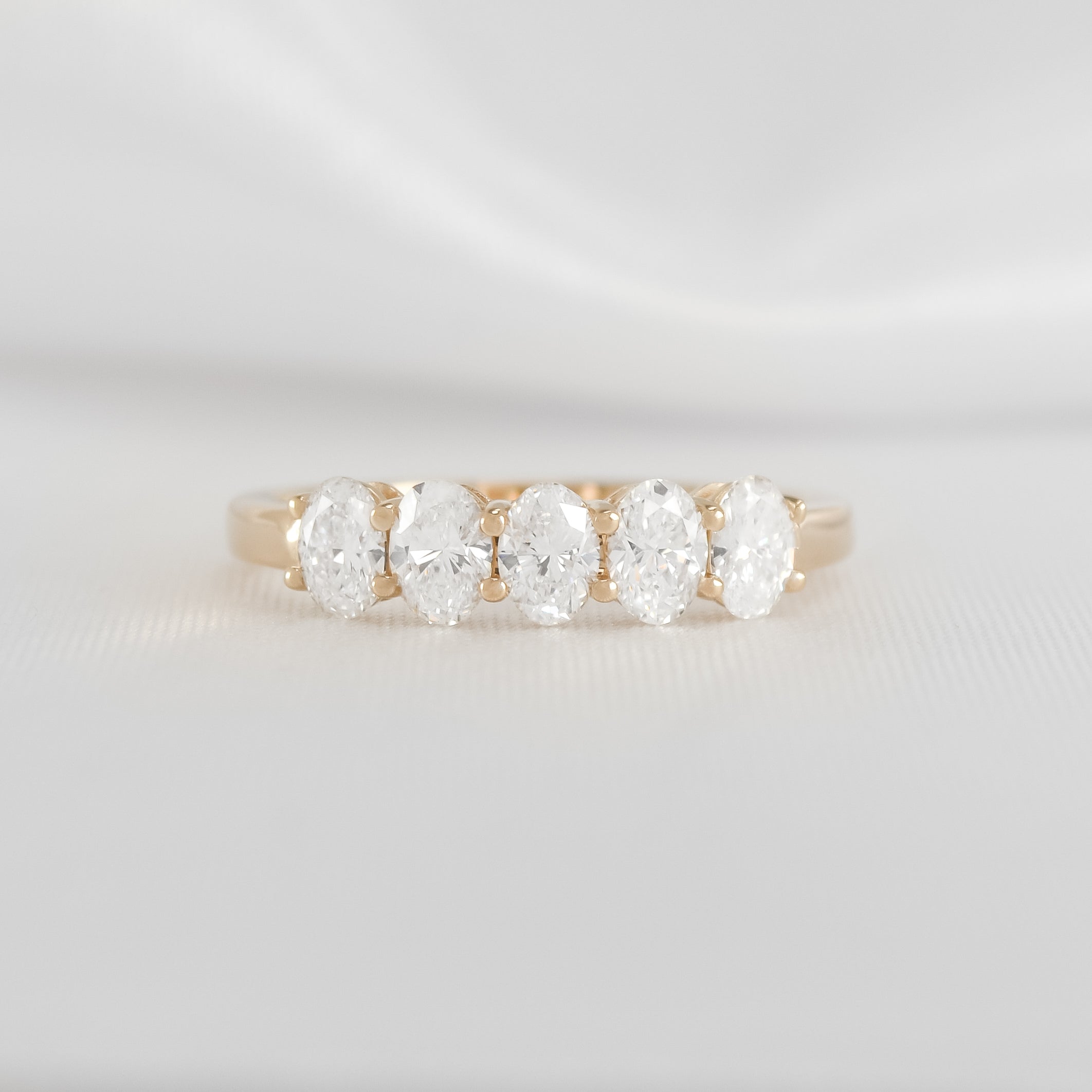
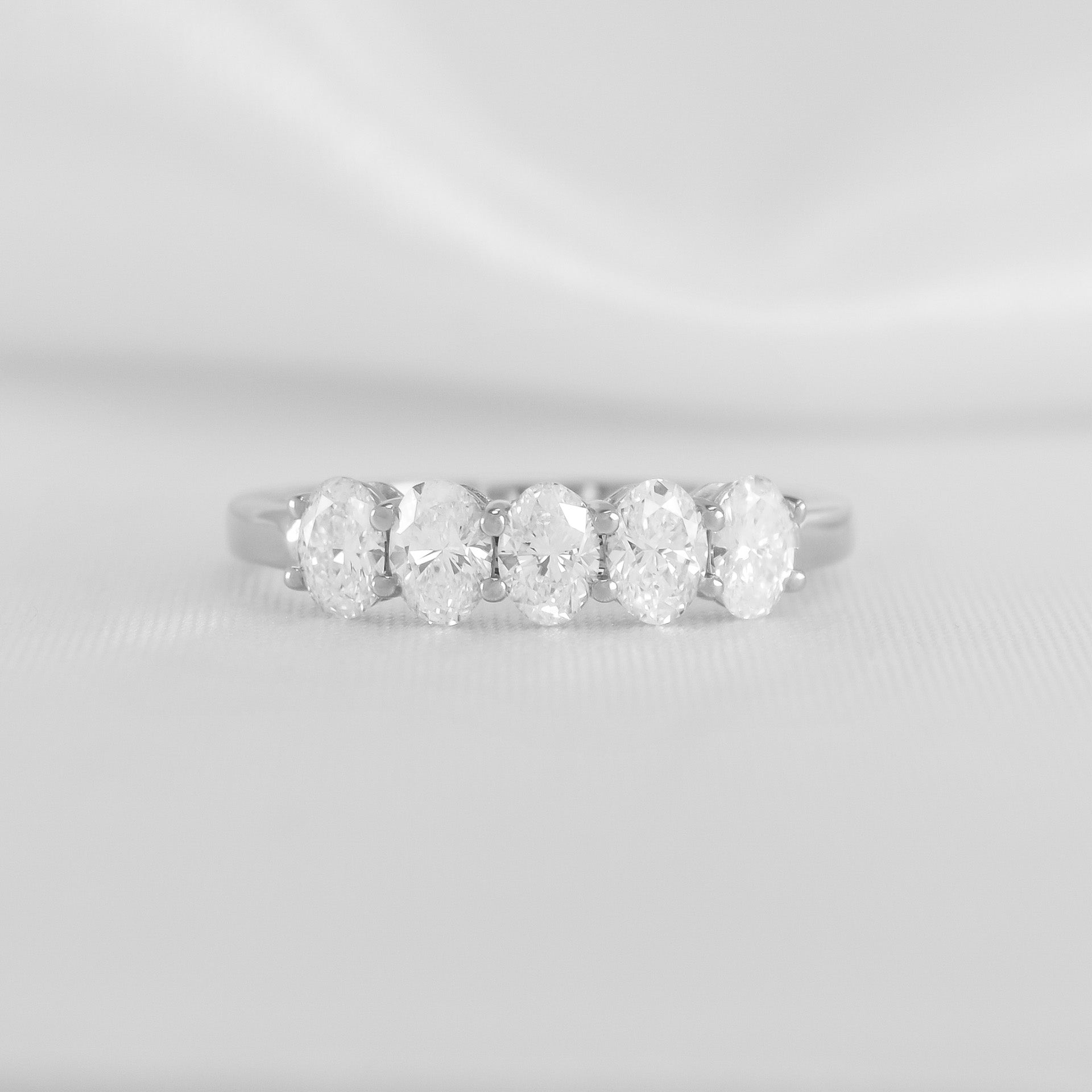
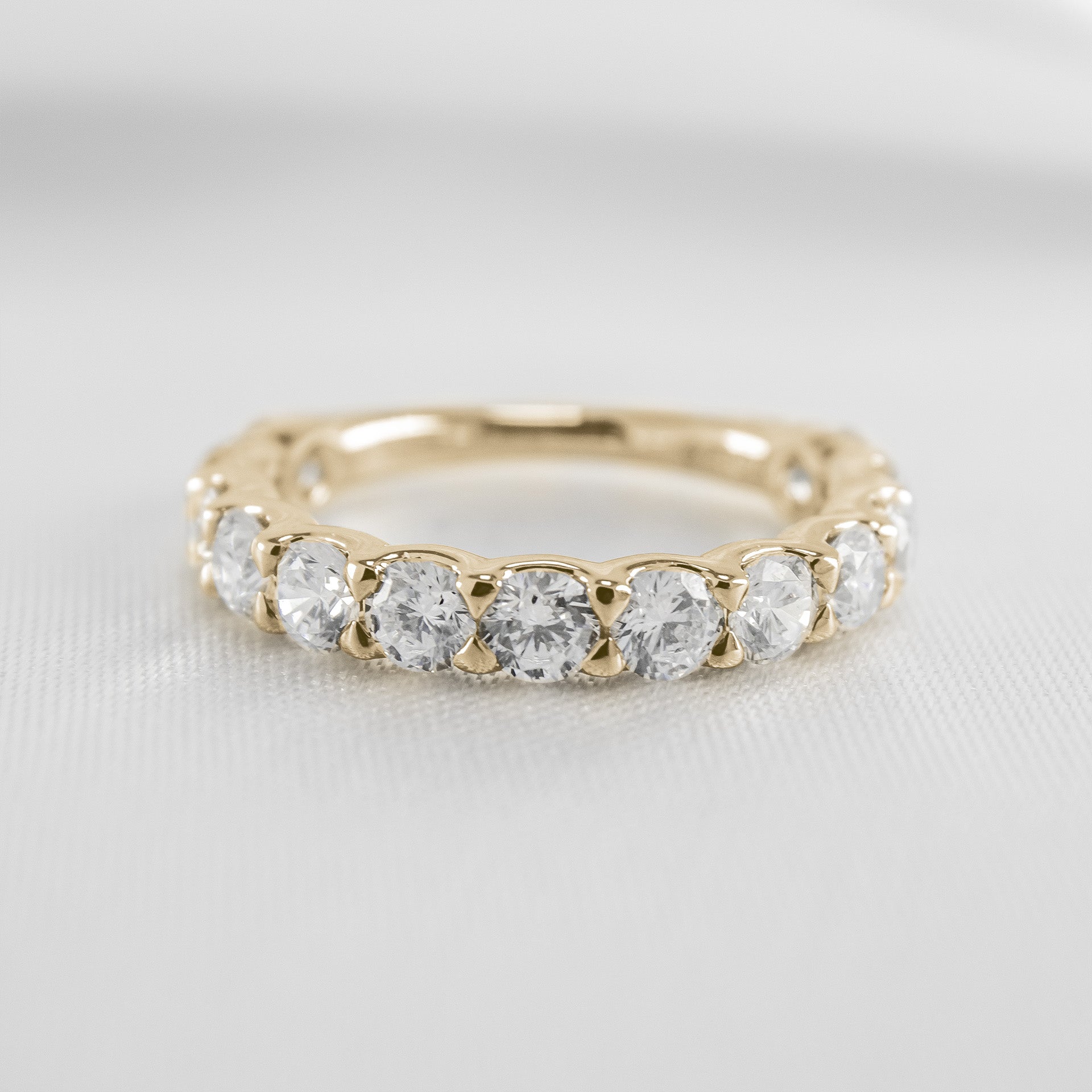
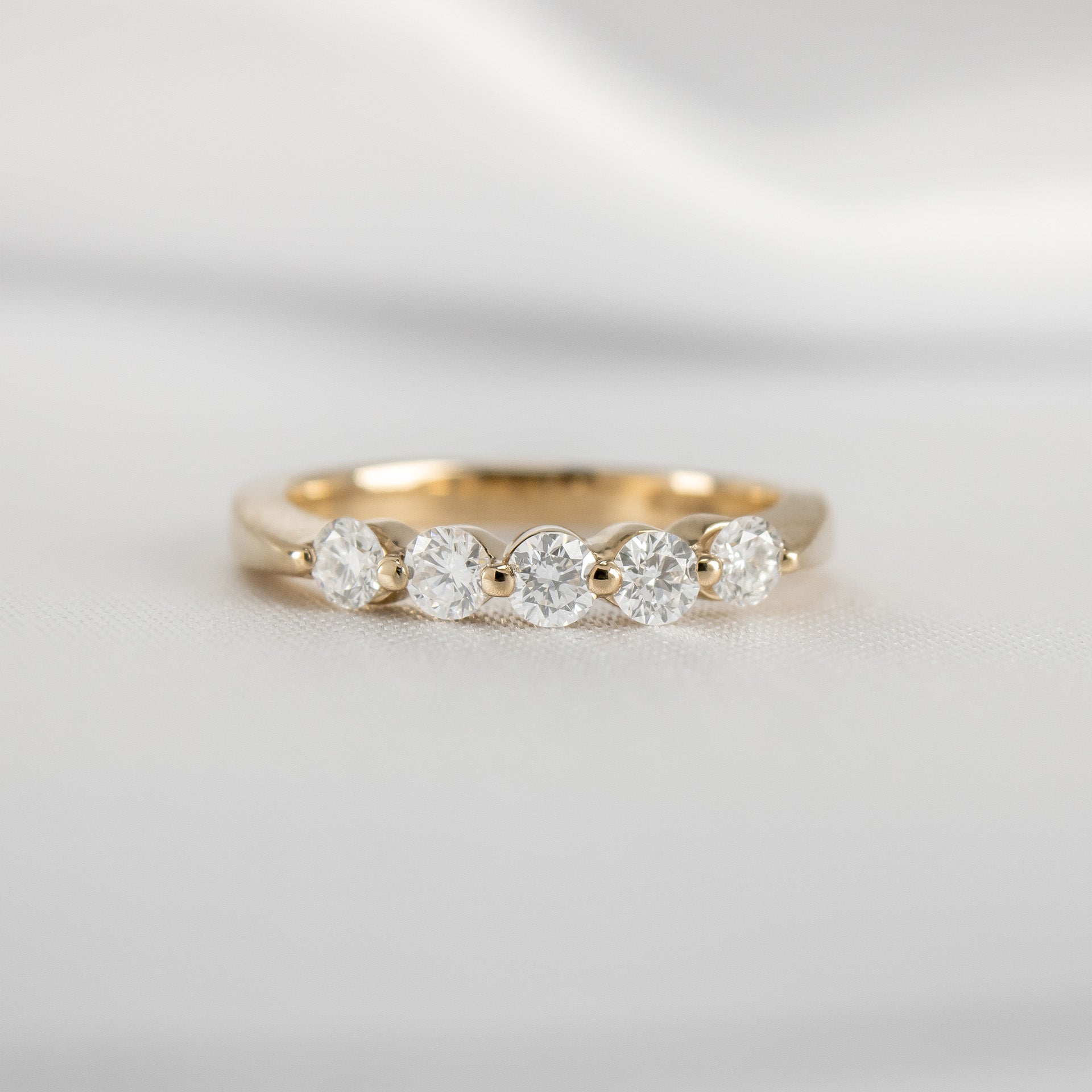
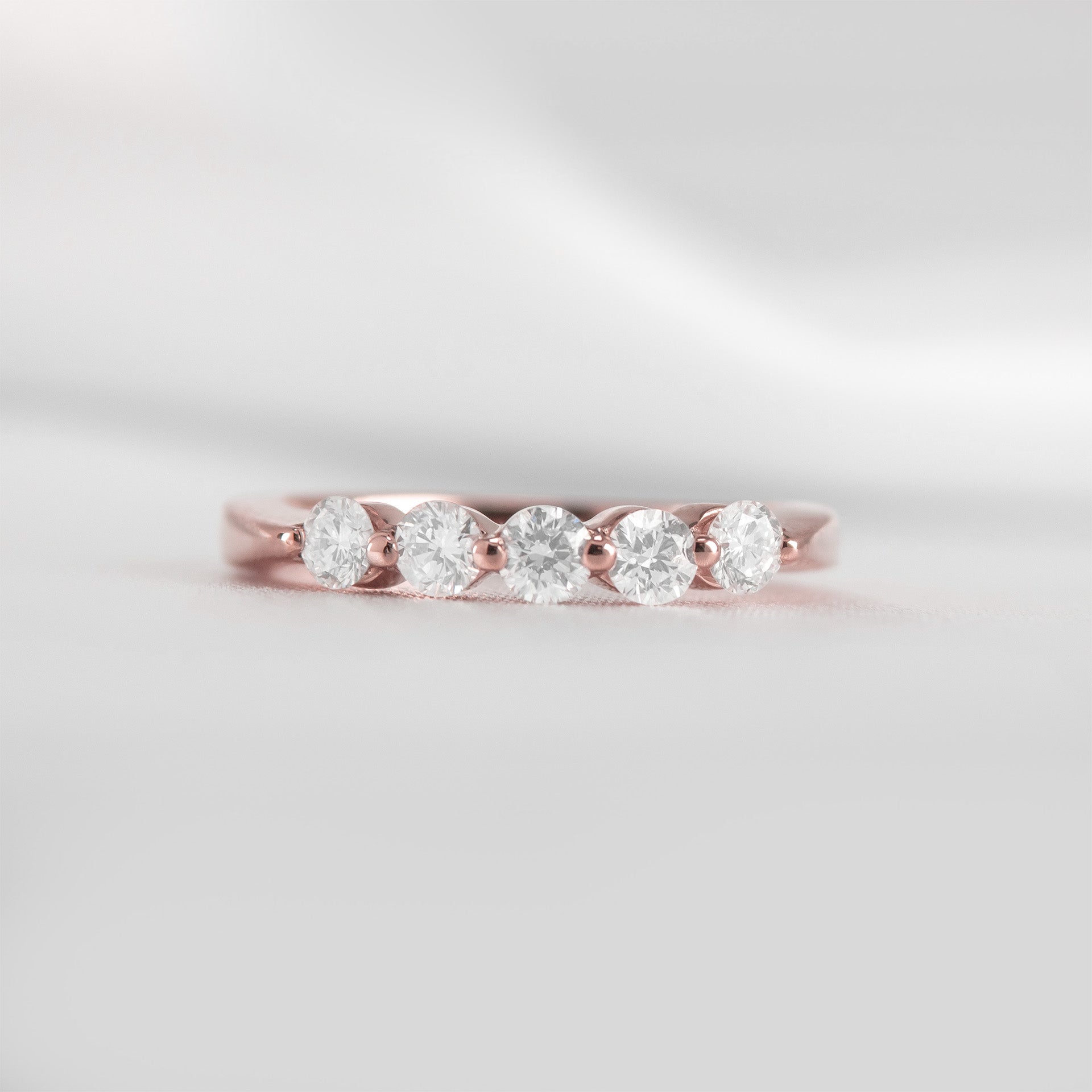
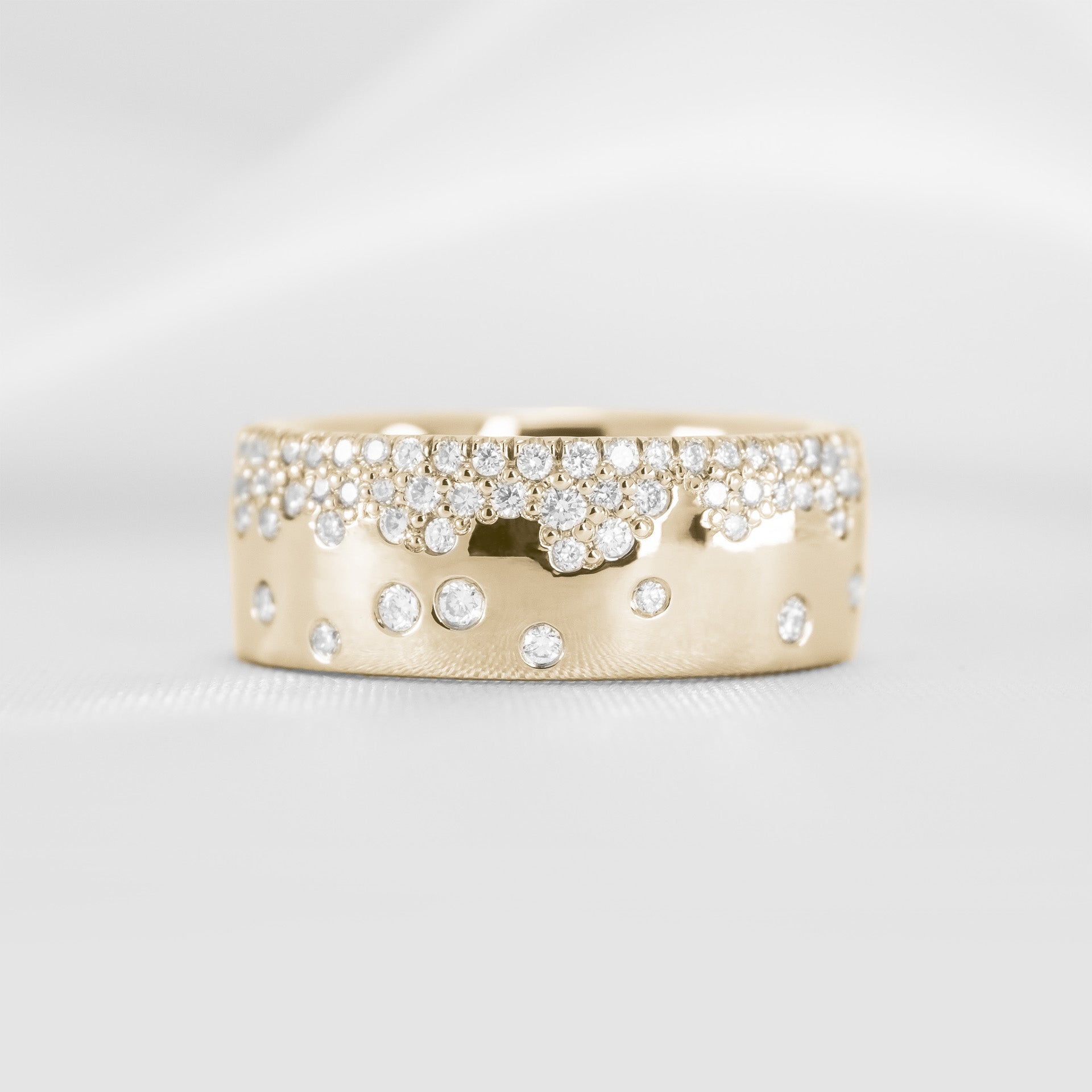
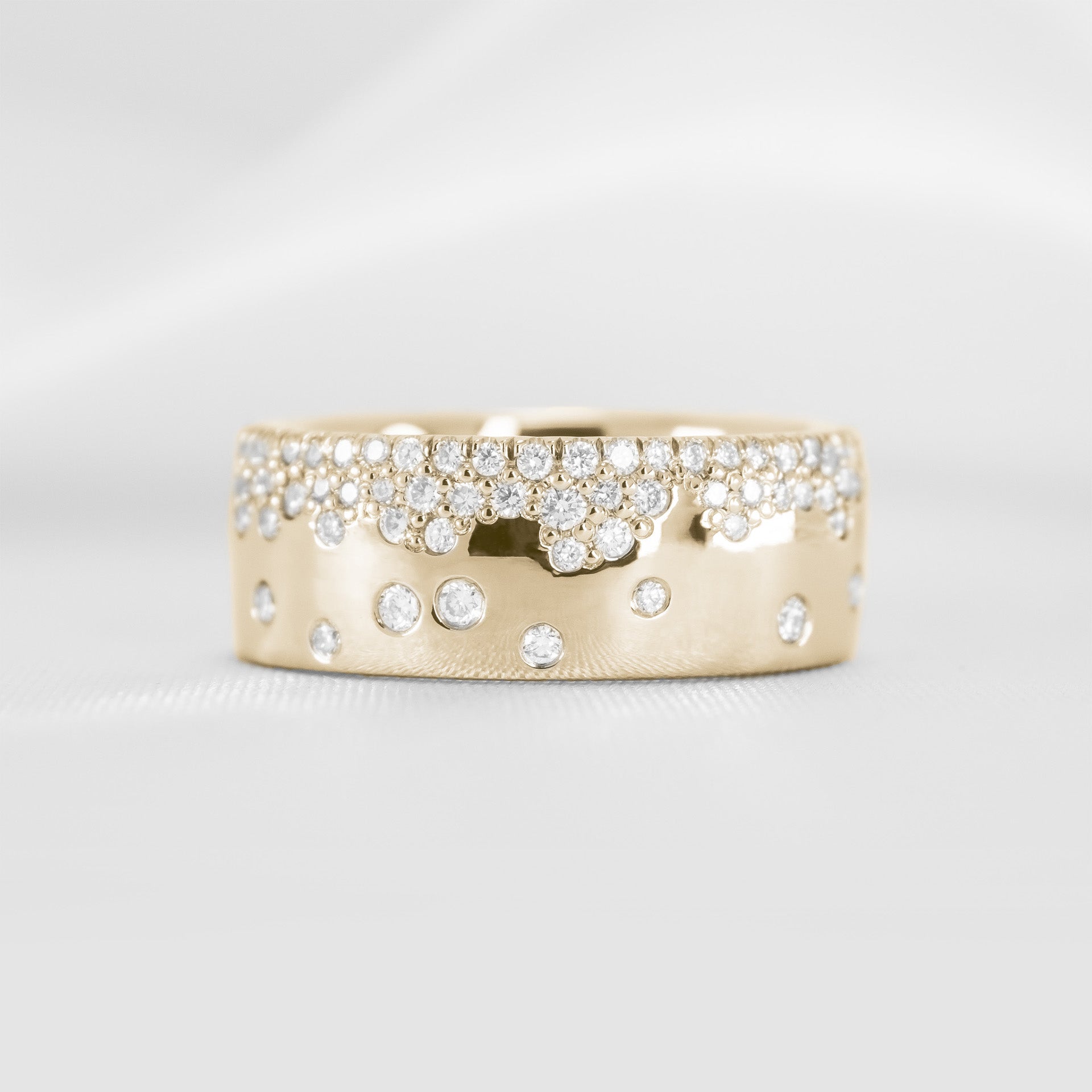
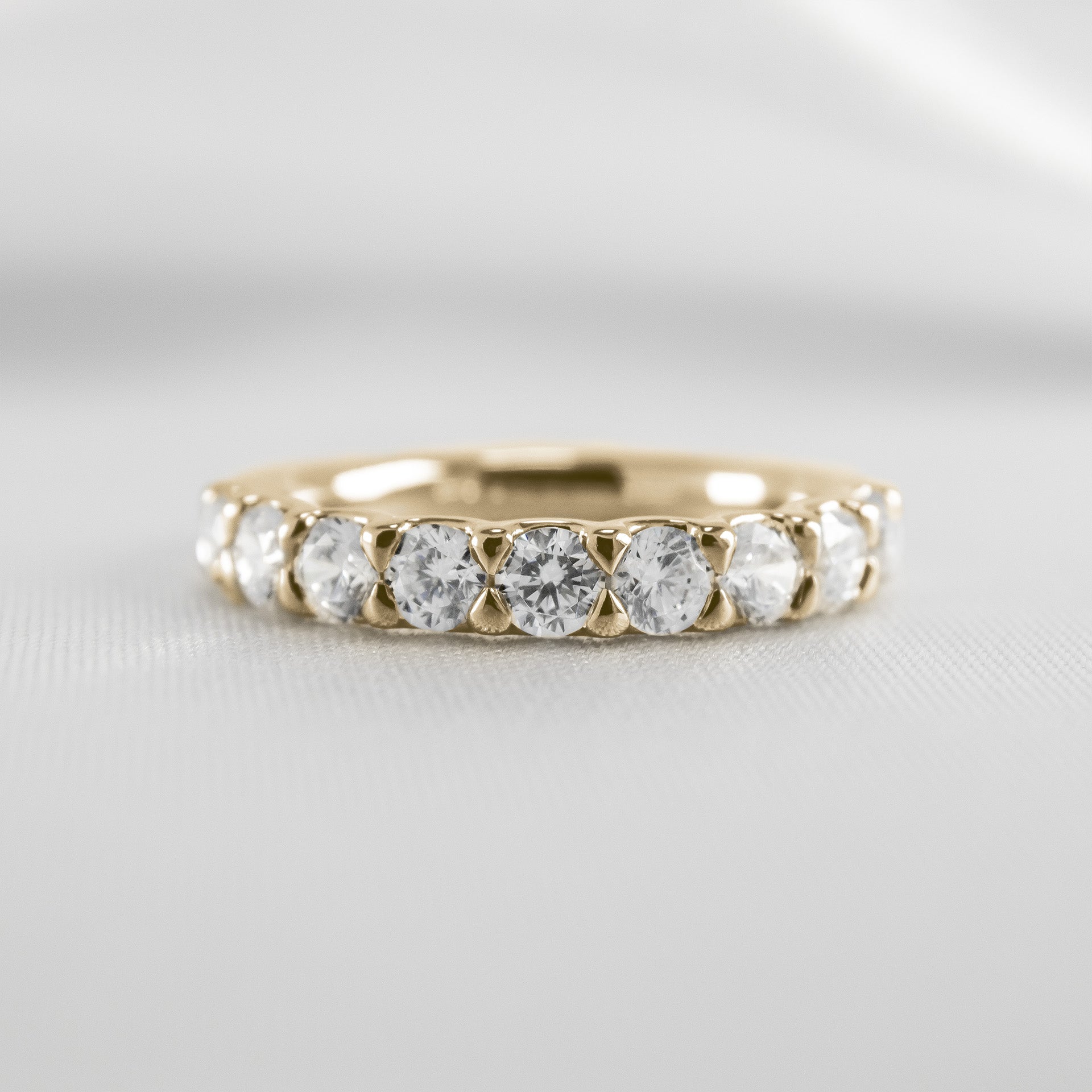
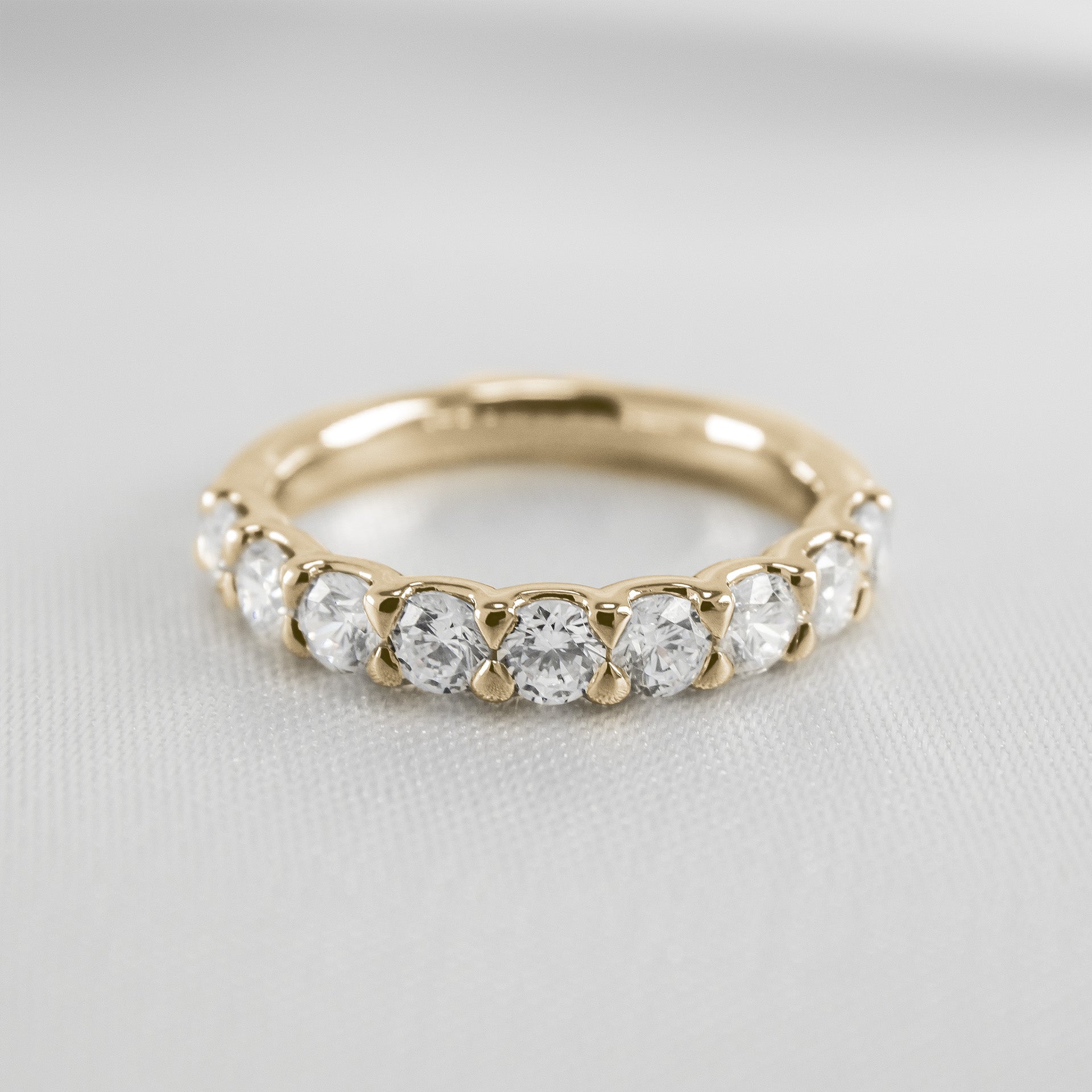
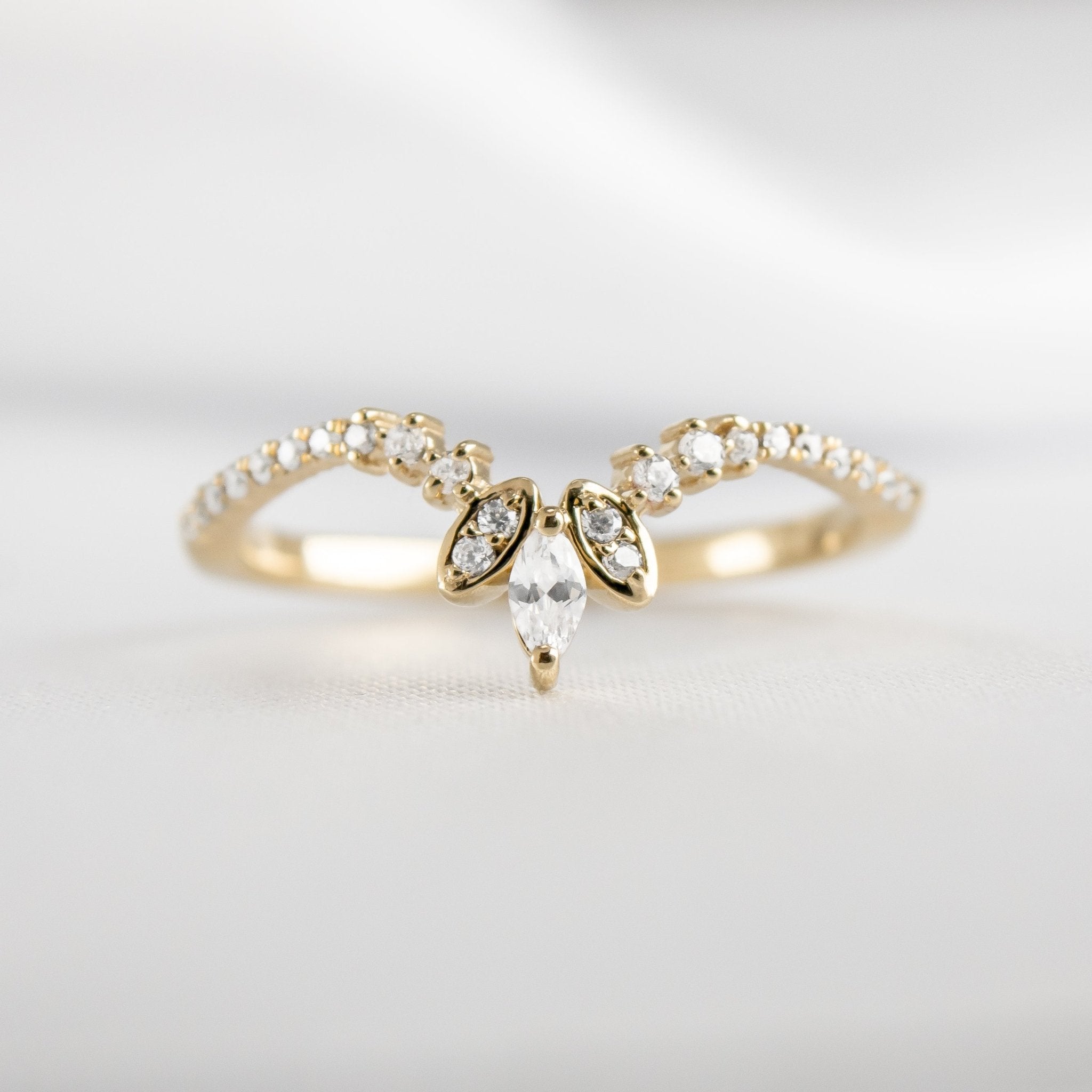
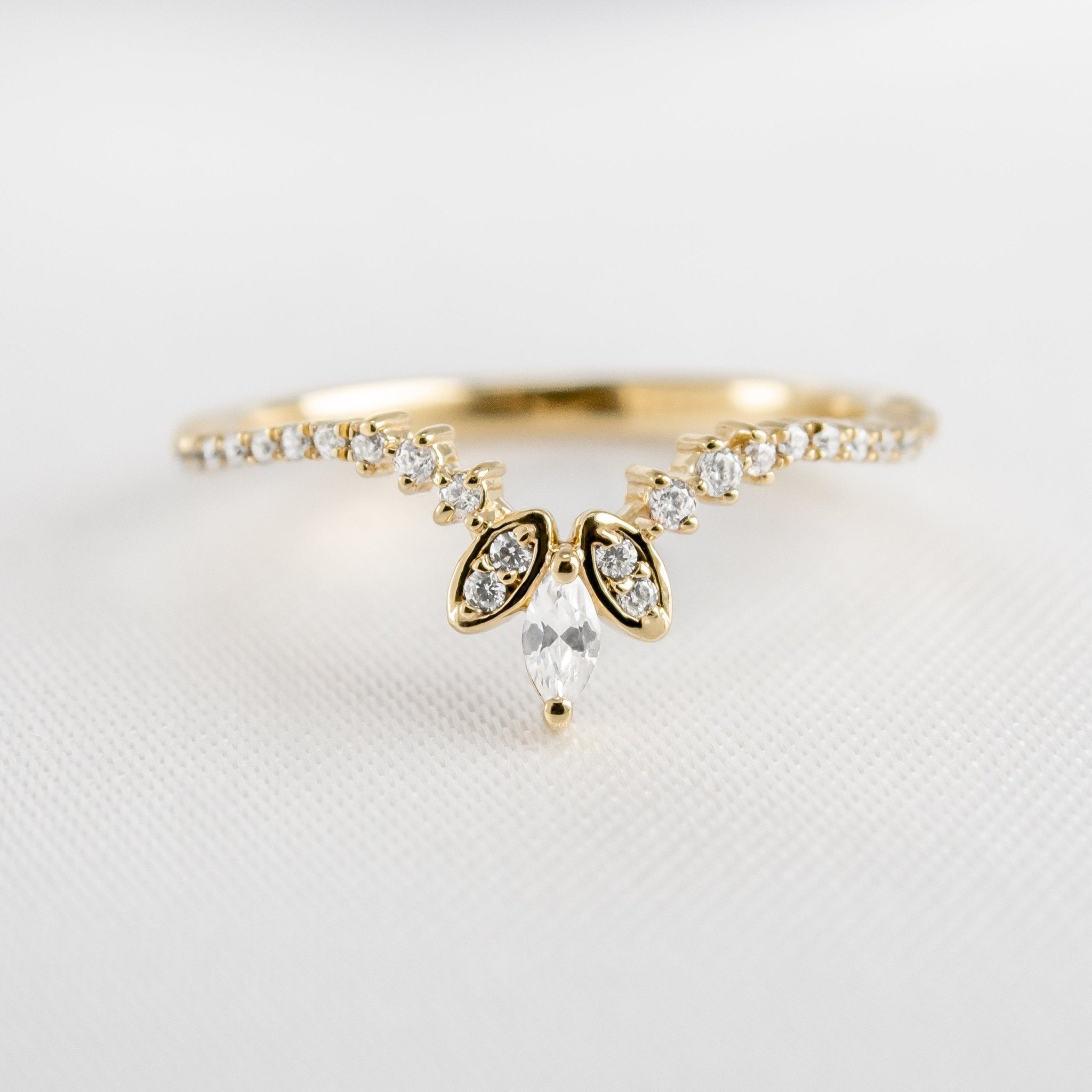
The 55 women's wedding rings in this collection span every style category we design.
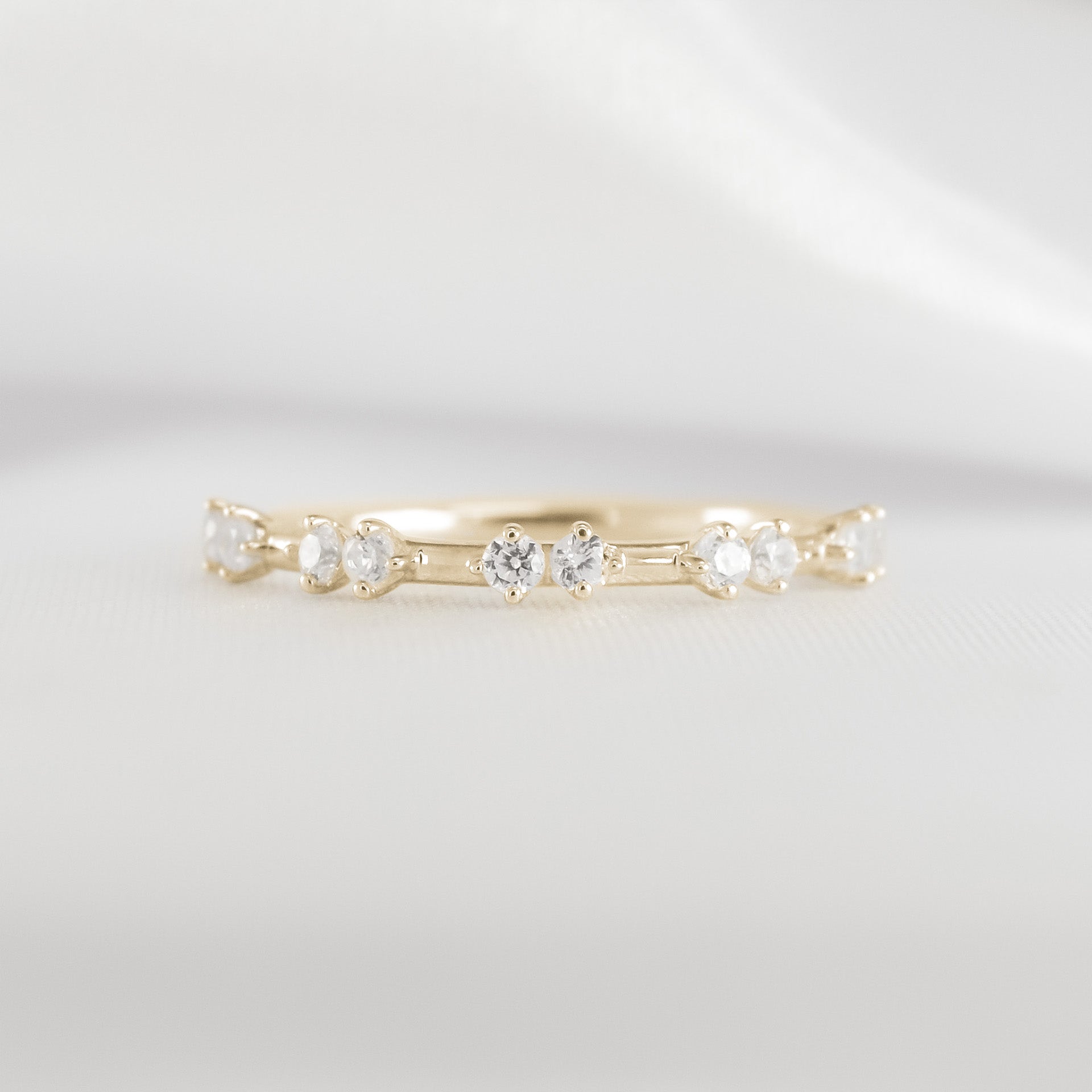
Diamond pavé and accent bands: Macey, Marla, Frances, Valentina, Naomi.
Women's Wedding Ring Styles
The 55 women's wedding rings in this collection span every style category we design.
Diamond pavé and accent bands: Macey, Marla, Frances, Valentina, Naomi.
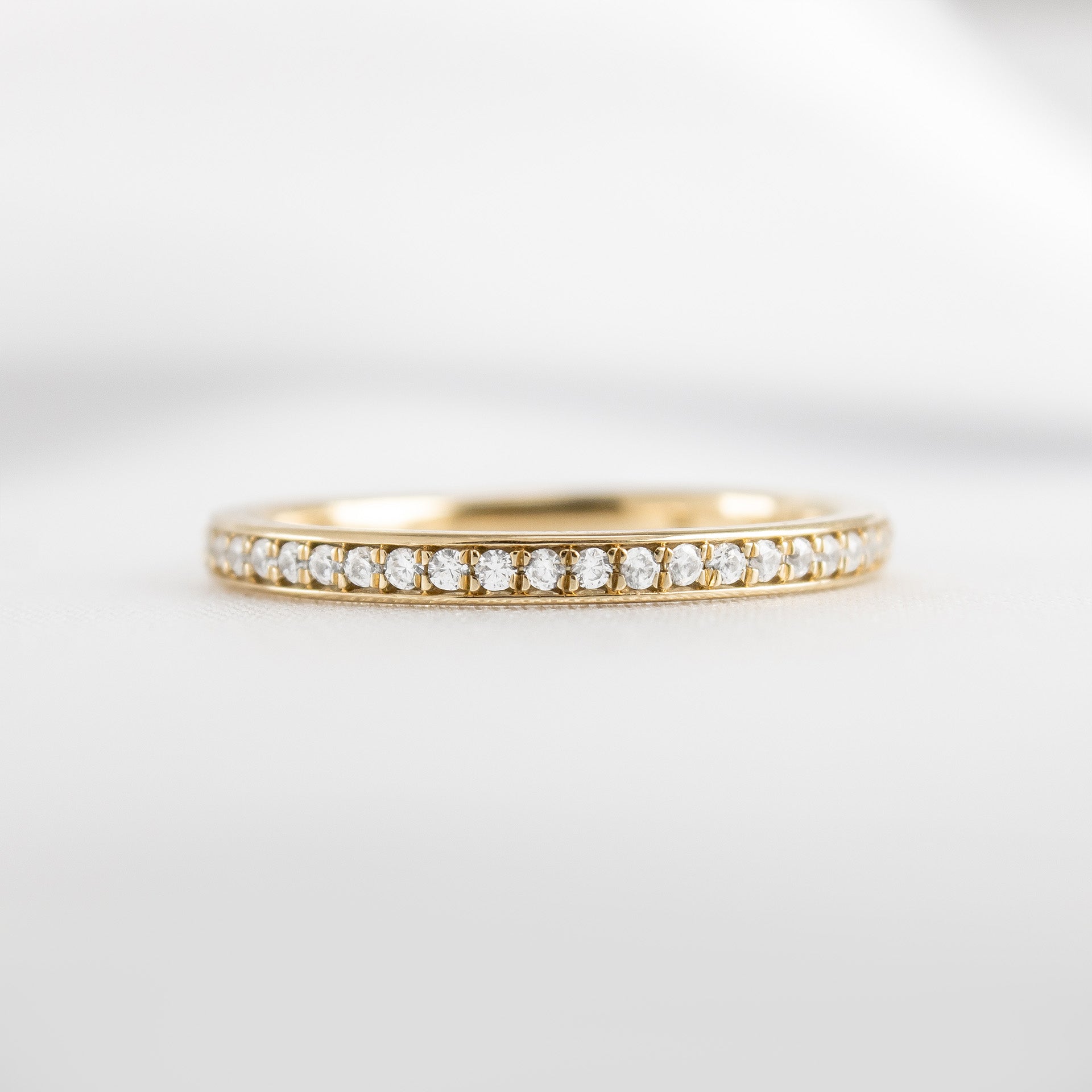
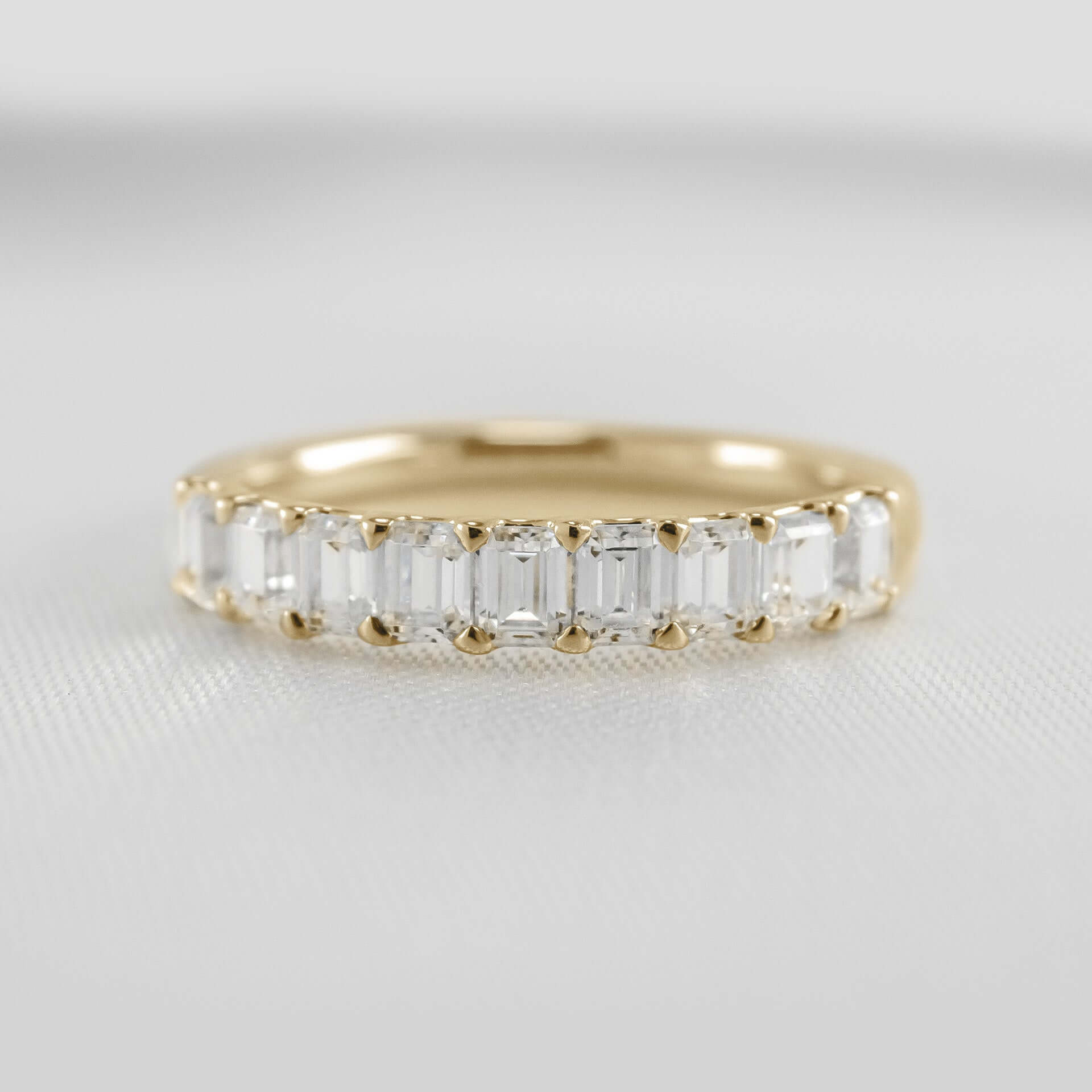
Eternity and half eternity diamond bands: Drew, Aniston, Lindon, Mayumi, Samara, Sutton, Tristan, Vashti, Blaine, Avery.
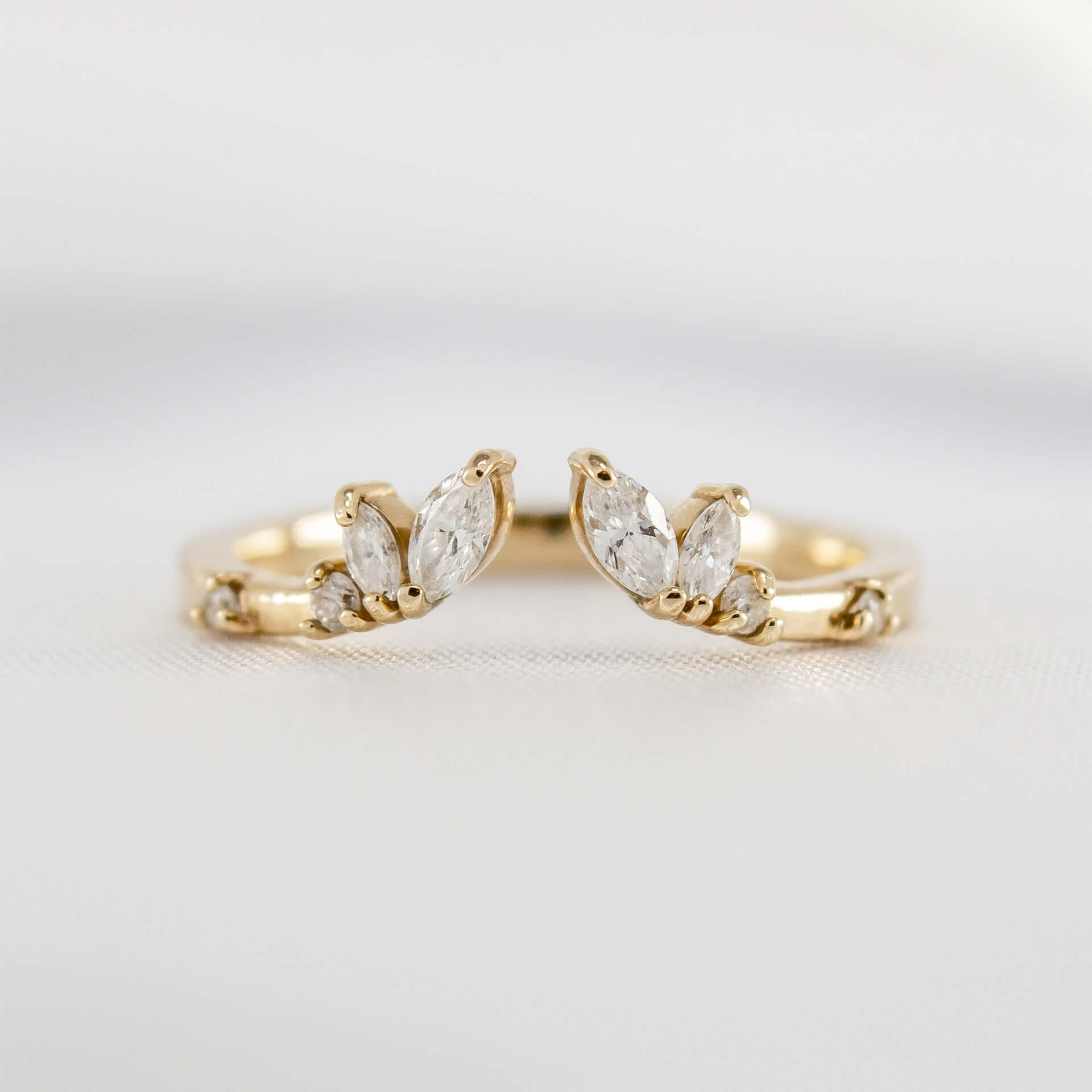
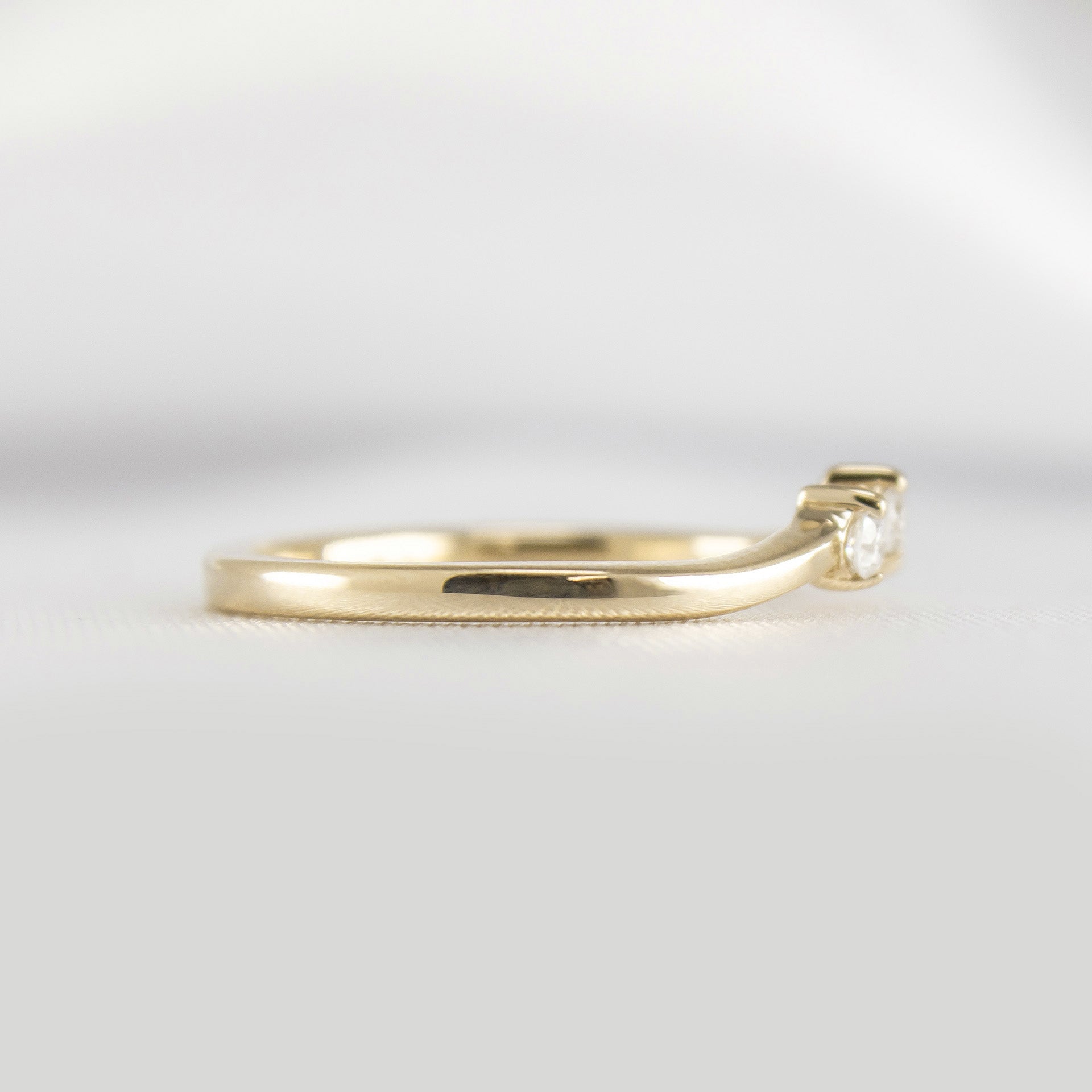
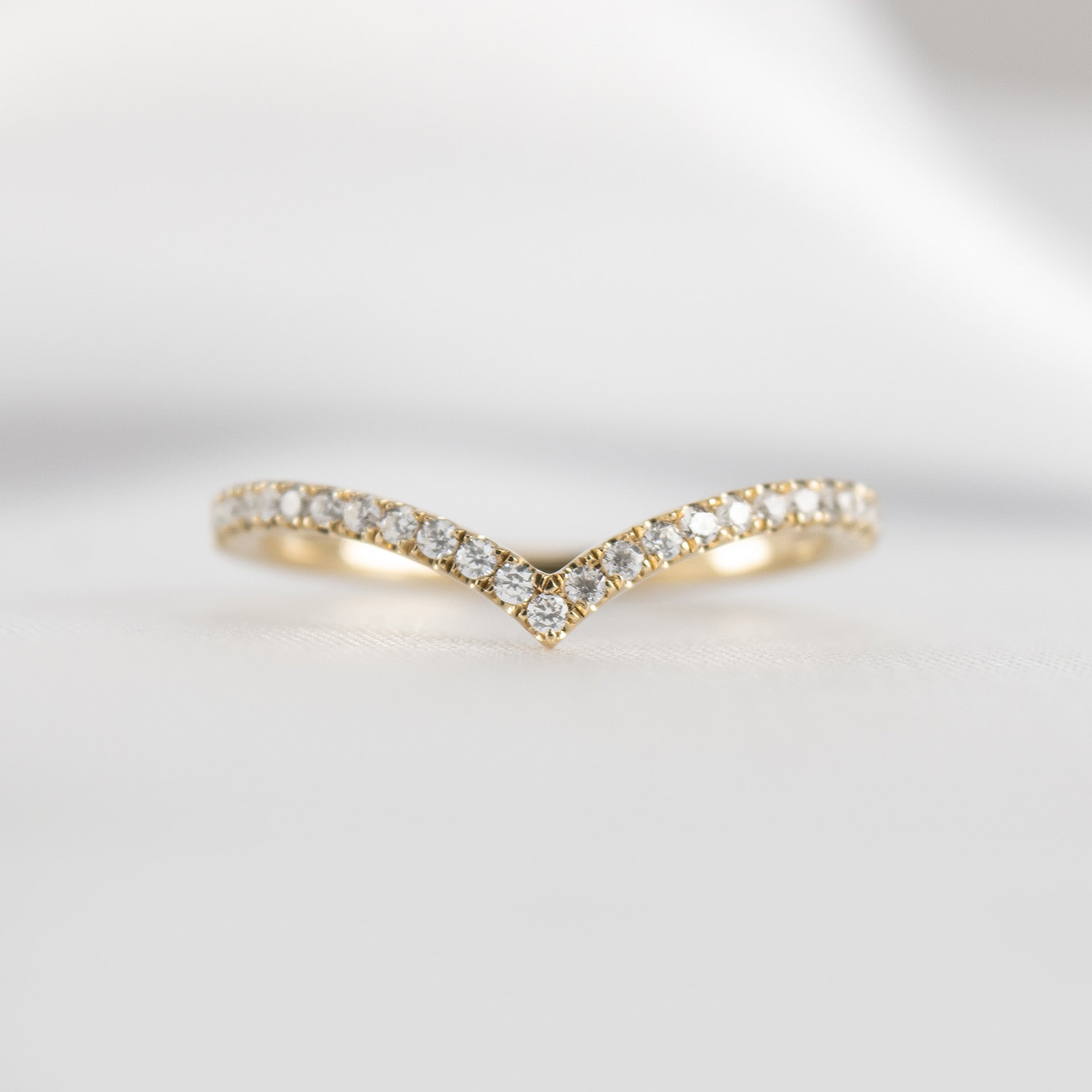
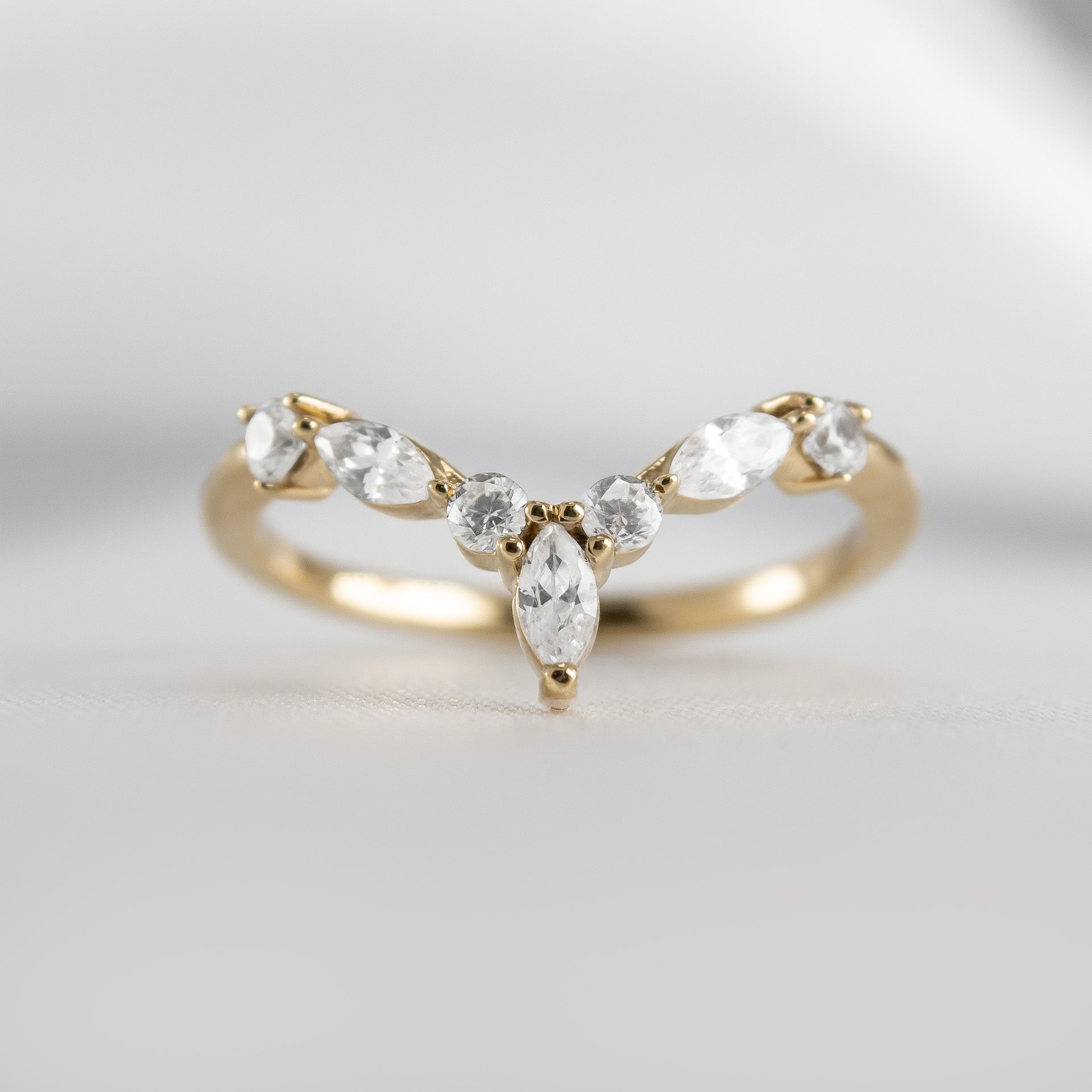
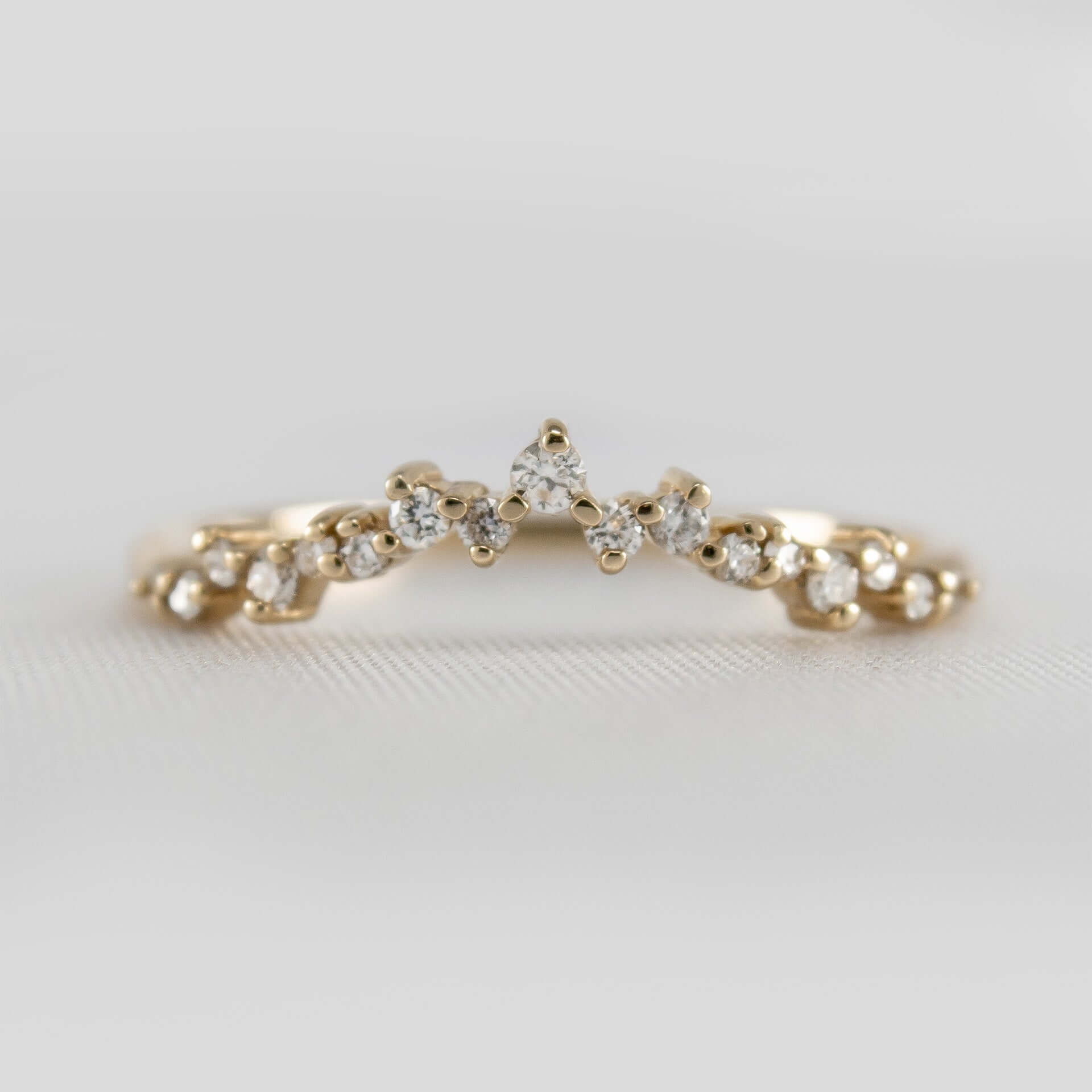
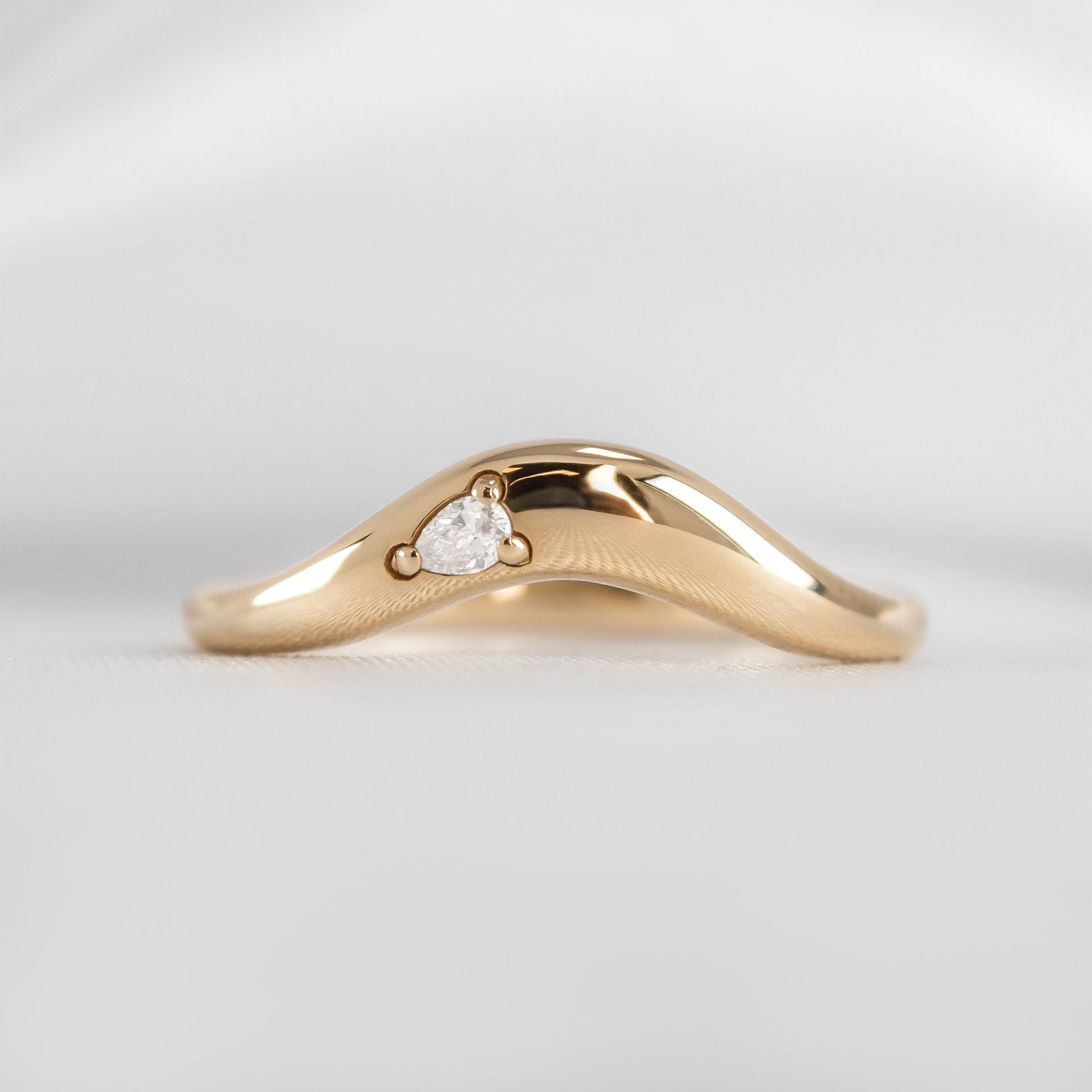
Curved and chevron bands: Talon, Halee, Twilight, Marlowe, Claire, Zoey, Kiran.
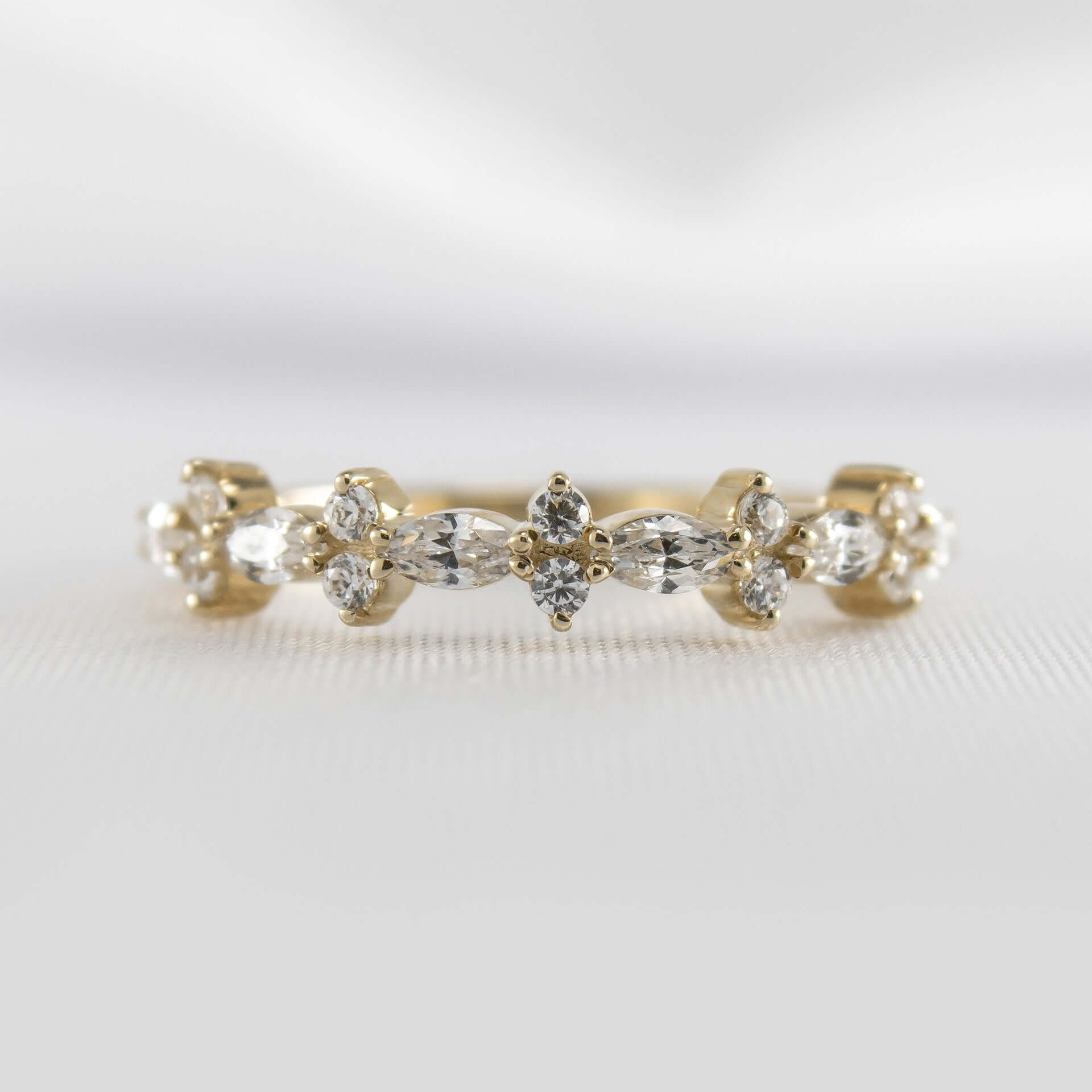
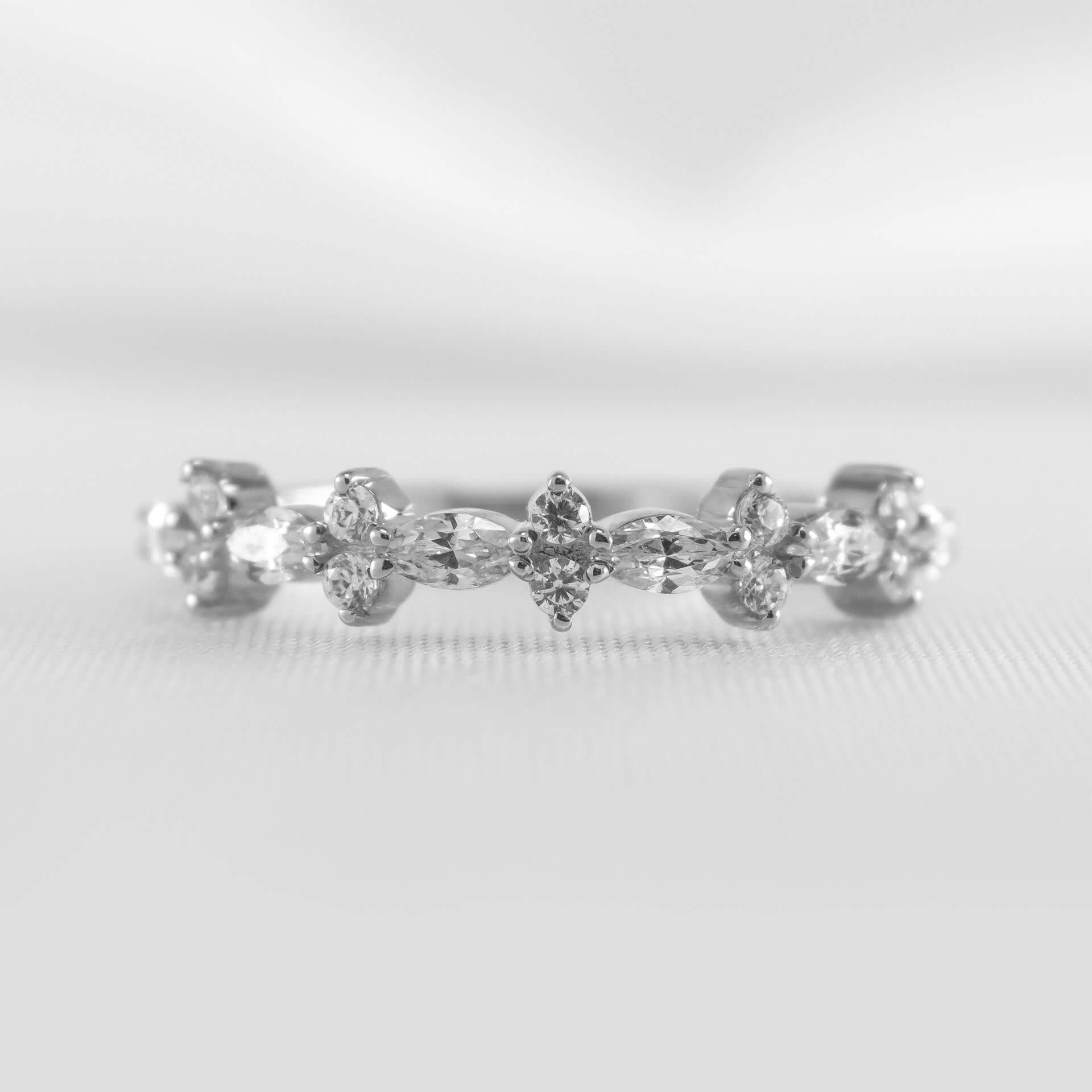
Marquise diamond bands: Jaden, Blake, Tara, Finley, Kairo.
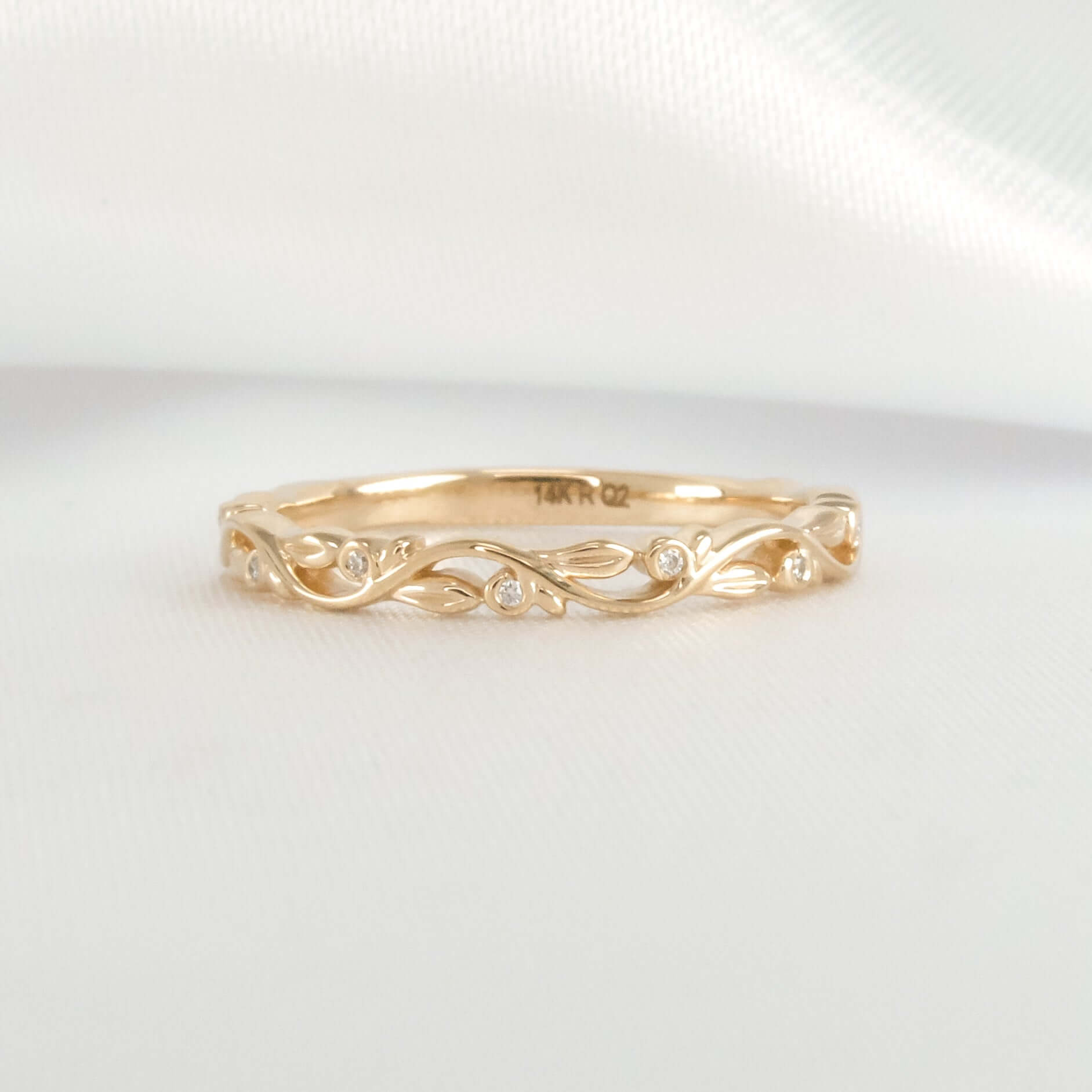
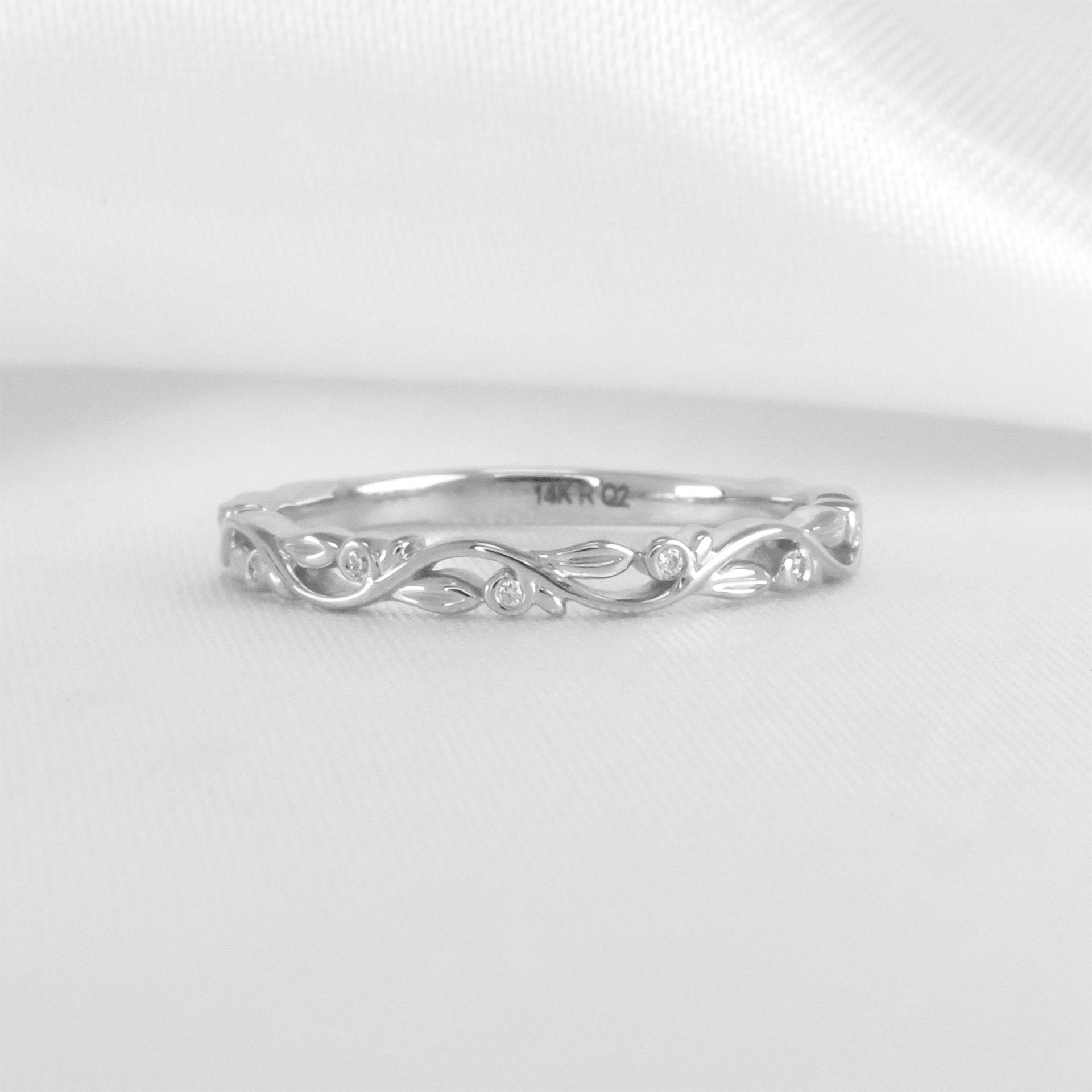
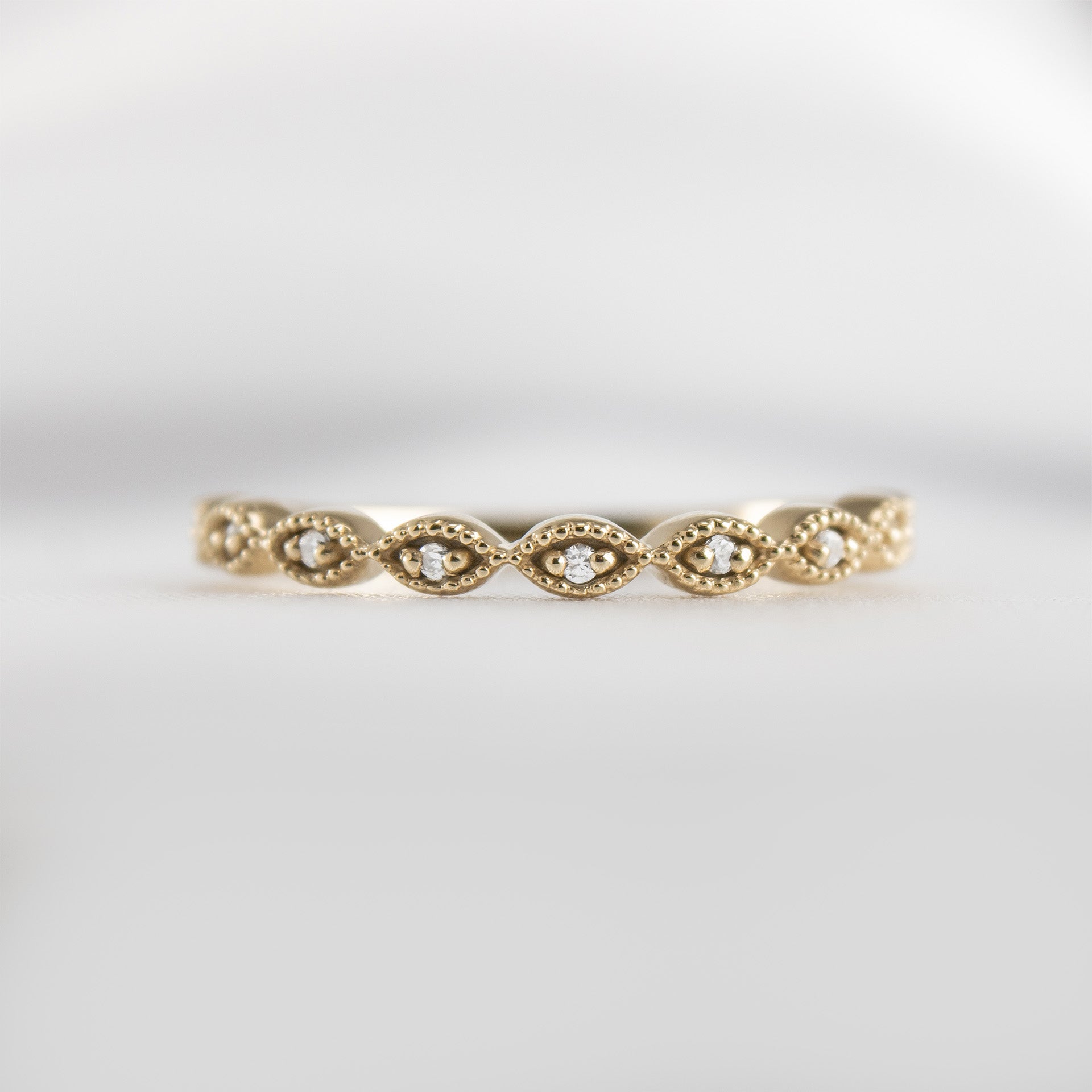
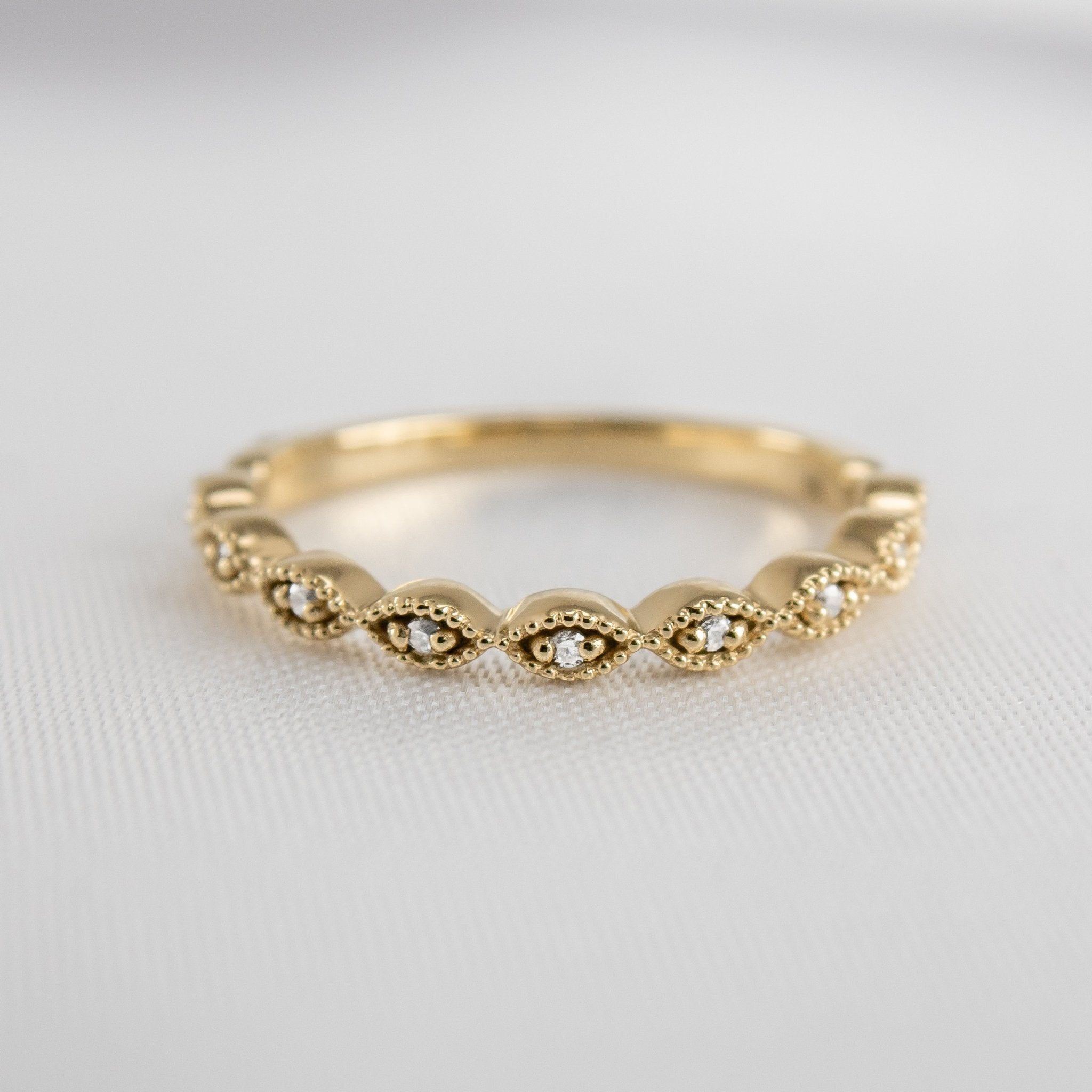
Vintage-inspired: Leaf and Vine, Vintage Floral, Matilda, Maeve.
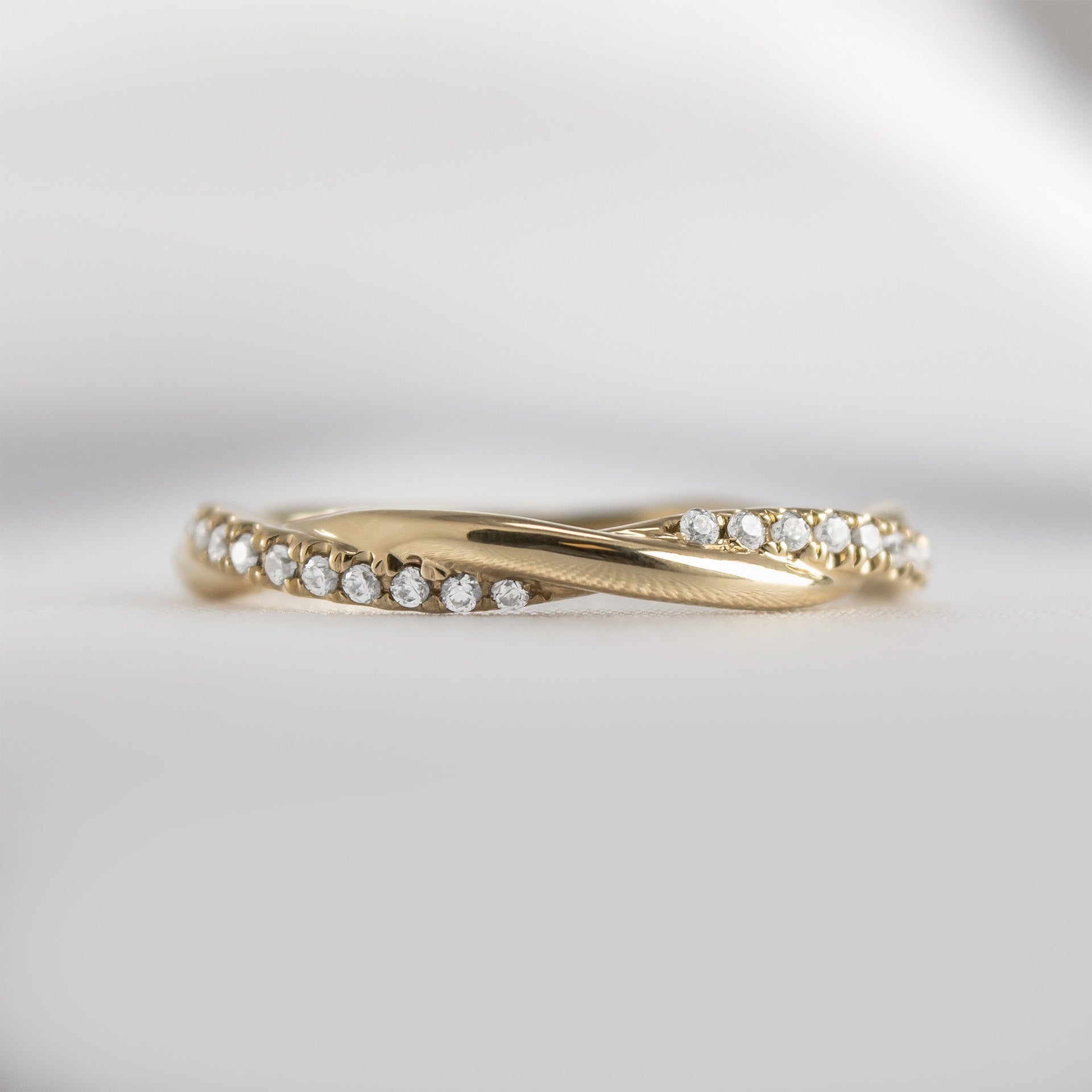
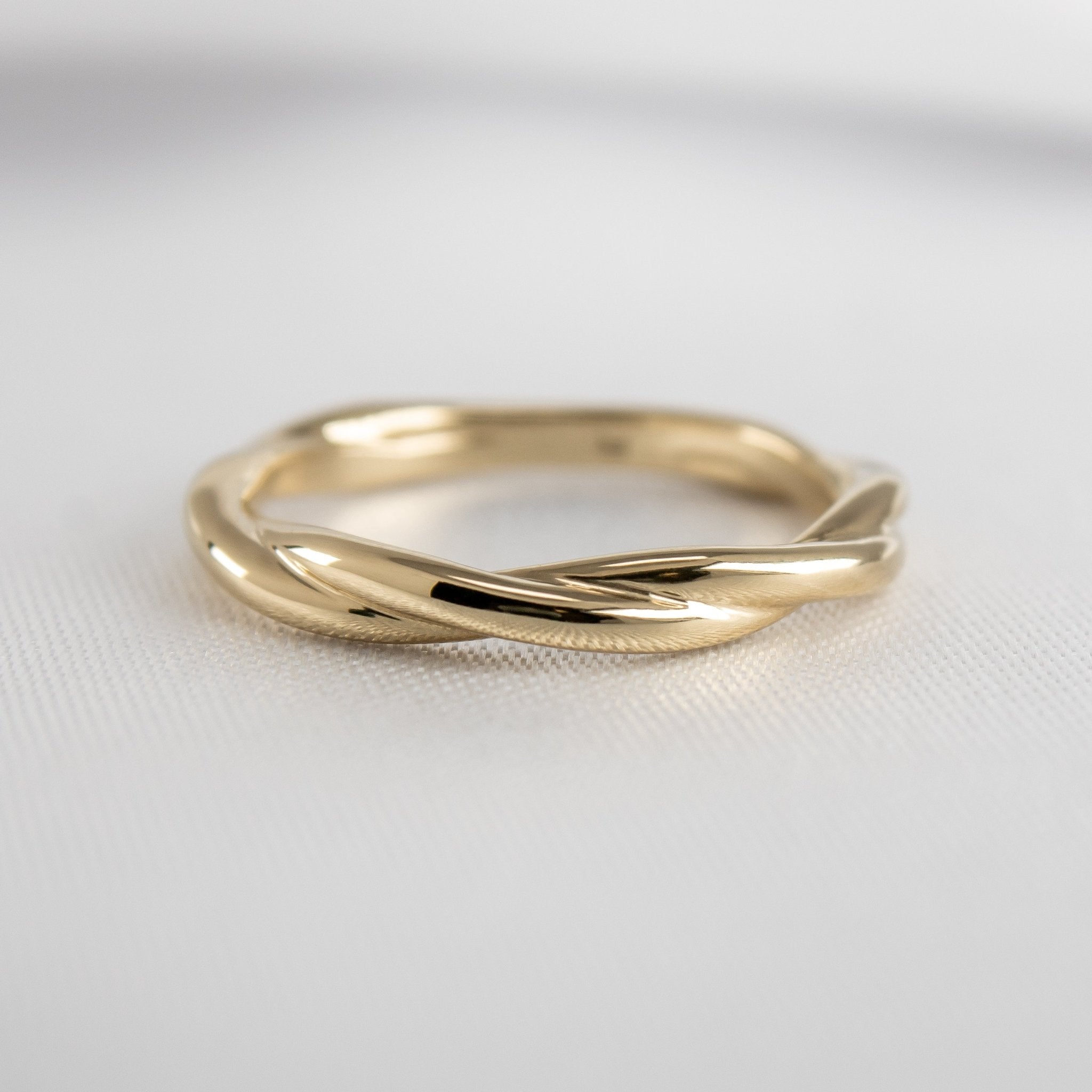
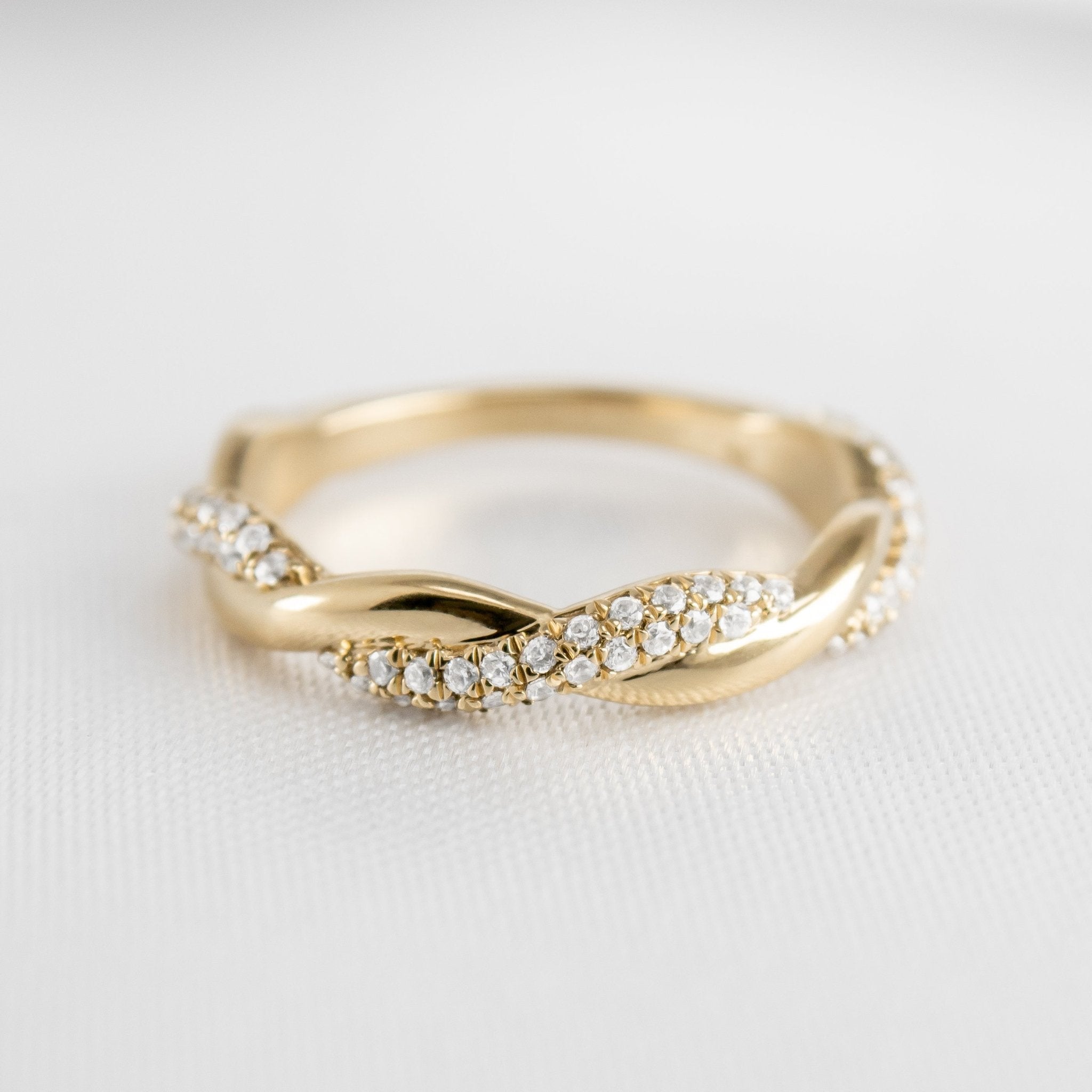
Twist construction: Evara, Quinn, Maria, Milan.
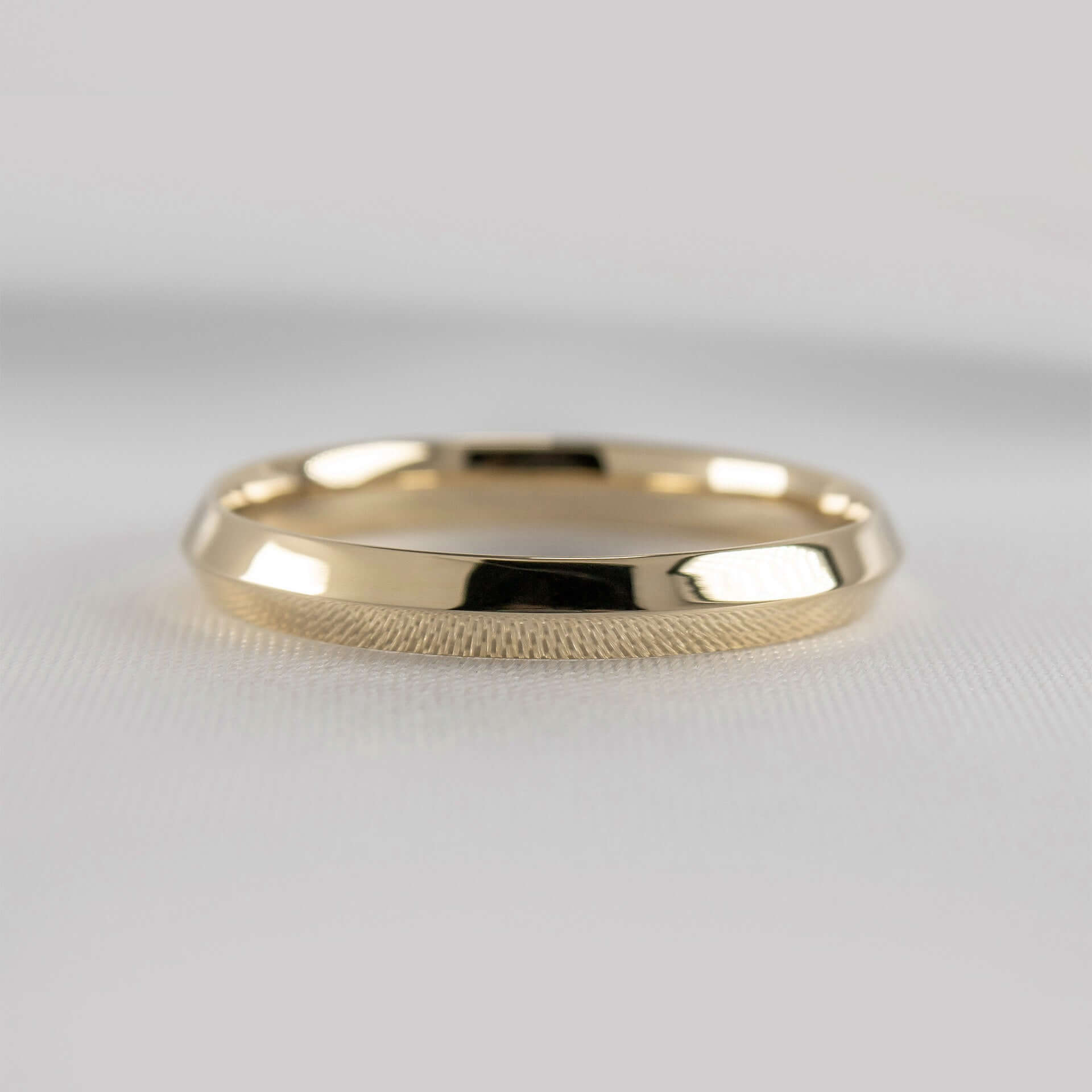
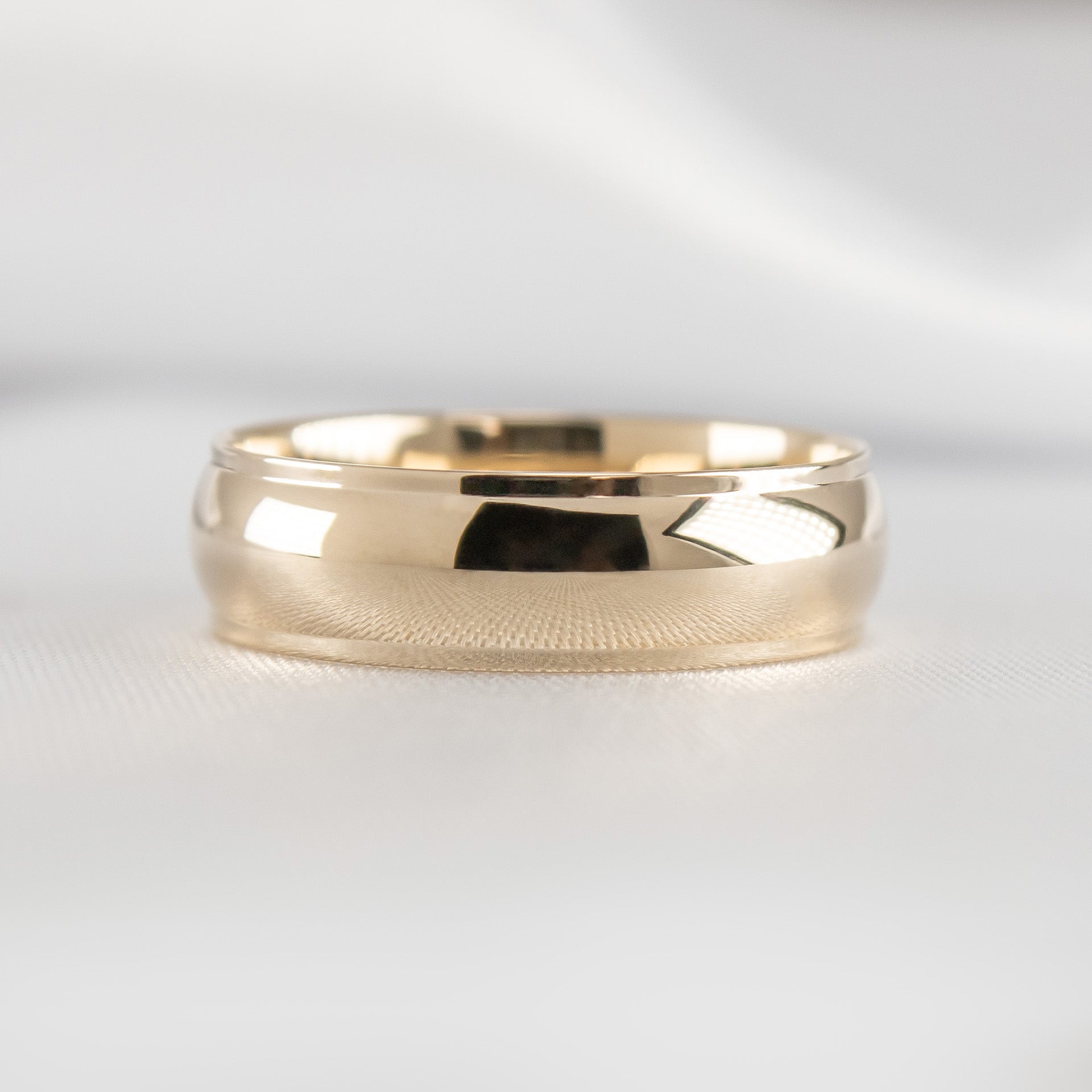
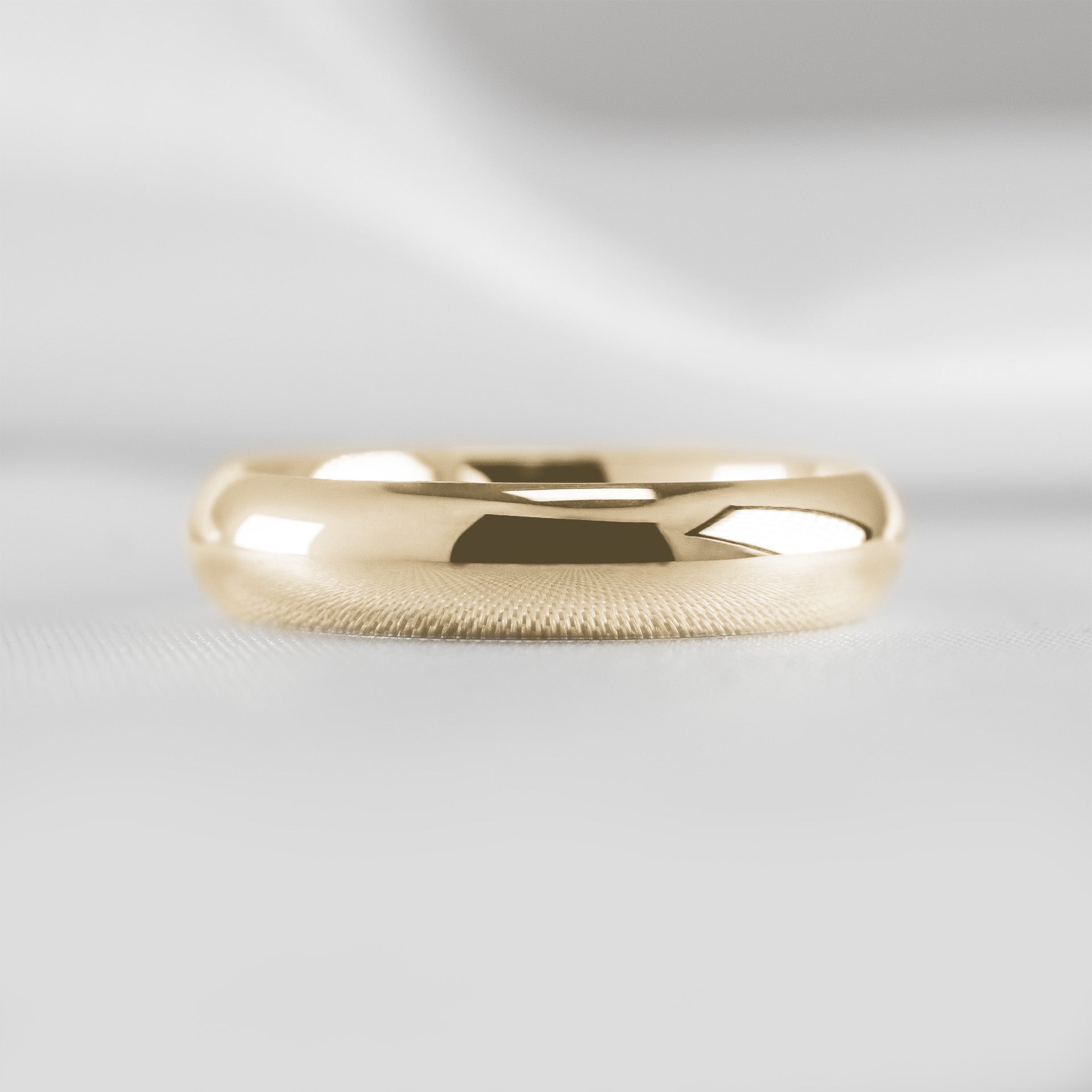
Plain gold (Tanner family): Tanner 2mm, Tanner 4mm, Tanner 6mm.
Choosing a Wedding Ring Style
The style decision flows from three factors: personal aesthetic preference, the engagement ring you're pairing with, and how the wedding ring should read on the hand.
Diamond visual presence: Pavé bands produce continuous narrow sparkle. Half eternity and full eternity bands produce substantial diamond brilliance. Vintage diamond bands carry diamond detail with refined period design vocabulary. Plain gold bands carry no diamonds — the metal is the entire design. Choose based on how much diamond presence you want on the wedding ring relative to the engagement ring (most engagement rings carry the diamond focal weight; the wedding band complements rather than competes).
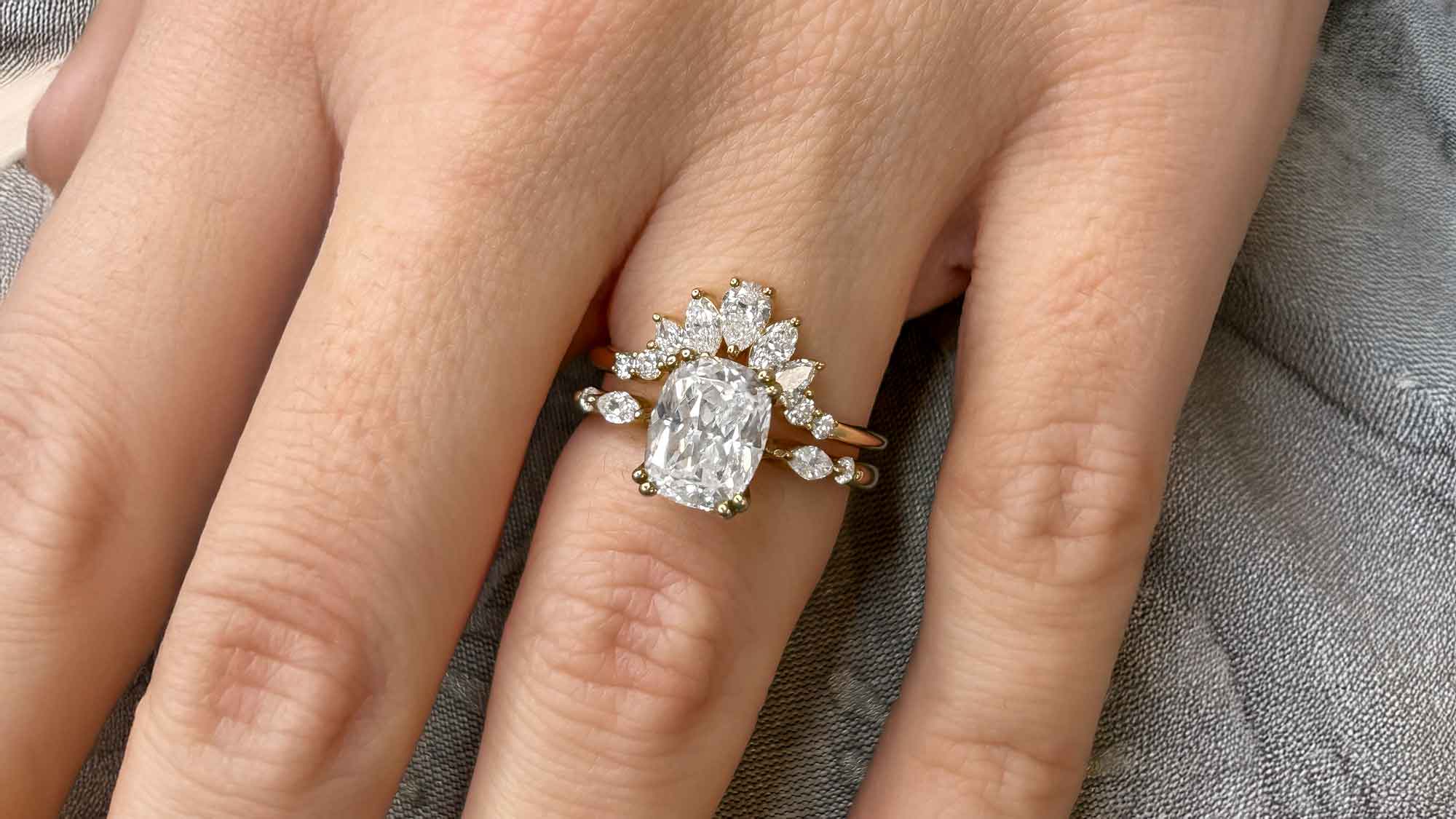
Design vocabulary: Modern (clean lines, minimal ornament — Drew, Macey, Tanner family), vintage (milgrain, leaf-and-vine, art deco — Frances, Leaf and Vine, Vintage Floral, Bellamy, Brooklyn), curved or sculptural (Marlowe leaf, Zoey contoured), or geometric (baguette and chevron designs). The vocabulary should typically match or coordinate with the engagement ring.
Width and proportion: For women's wedding rings, common widths range from 1.3mm (narrow accent — Frances) through 4mm (substantial). The wedding band should typically be narrower than or equal to the engagement ring's shank width — a 2mm engagement ring shank with a 4mm wedding band creates visual imbalance.
For couples whose engagement ring is also a Lisa Robin design, we have records of the ring's specifications and can recommend wedding bands that pair coherently. For couples whose engagement ring is from elsewhere, send photographs and we can advise on style coordination.
Vintage, Modern, and Contemporary Style Categories
Women's wedding rings fall broadly into three style categories, each with distinct design vocabulary.
Vintage-inspired wedding rings: Drawing on jewelry design vocabulary from earlier periods — Victorian (milgrain, leaf-and-vine, floral motifs), Edwardian (filigree, delicate proportions, platinum), Art Nouveau (organic curves, nature motifs), or Art Deco (geometric symmetry, baguette diamonds, stepped construction). The Frances, Vintage Floral, Leaf and Vine, Matilda, Maeve, Bellamy, and Brooklyn are vintage-inspired designs. Each ring carries period design language with modern construction quality.
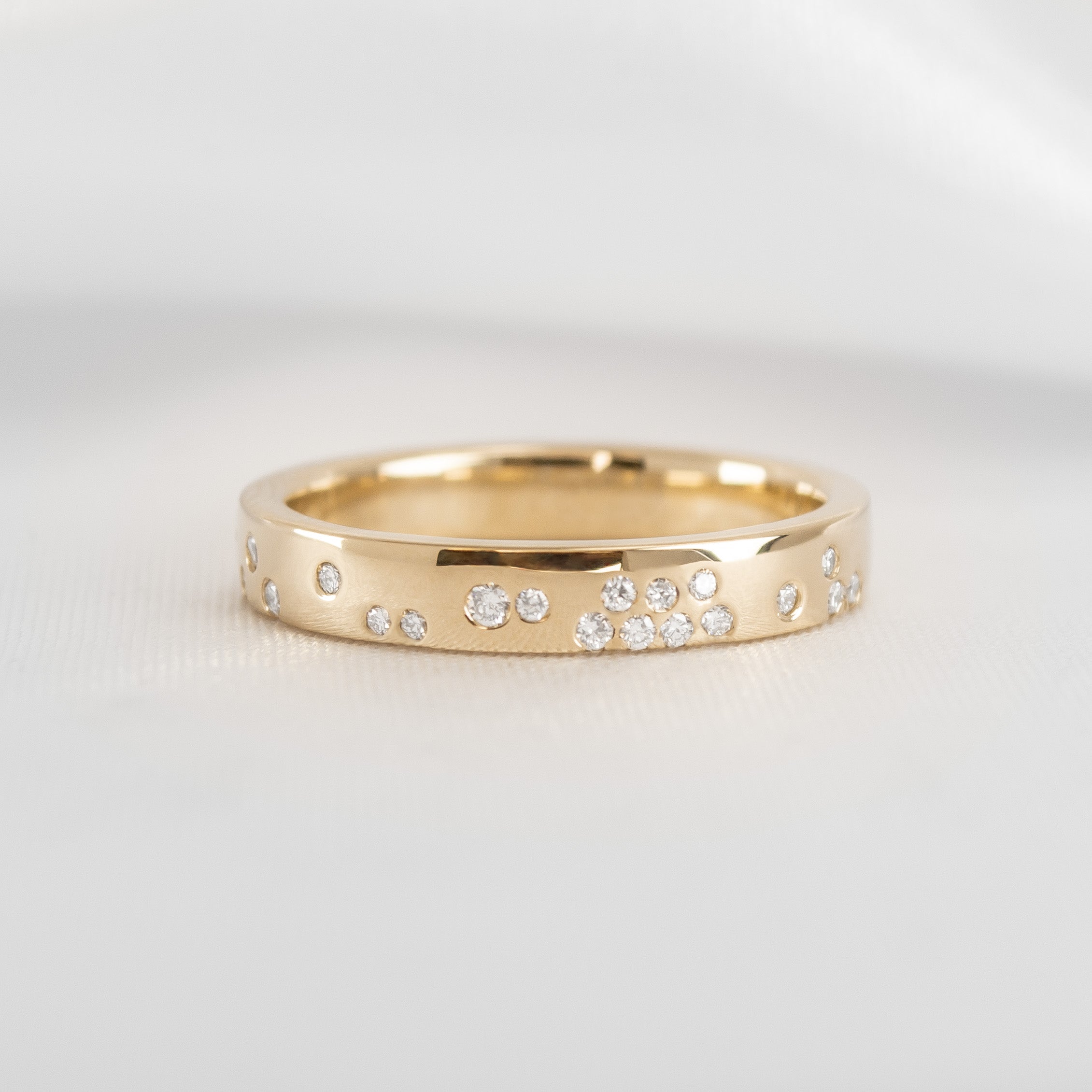
Modern minimal wedding rings: Clean lines, refined proportions, minimal ornament beyond the diamonds themselves. Drew, Macey, Tanner family, and most pavé bands carry modern minimal character. These rings don't reference a particular design period or trend — they hold their visual character across decades.
Contemporary distinctive wedding rings: Designs with distinctive character that aren't strictly vintage or strictly minimal — east-west marquise (Vashti), east-west emerald cut (Avery), curved leaf construction (Marlowe), bold curved gold (Kiran), twist construction (Evara, Quinn). These rings have stronger individual character than modern minimal bands but don't draw on specific period design language.
The choice between vintage, modern, and contemporary depends entirely on personal aesthetic. Couples drawn to traditional design with period reference choose vintage. Couples drawn to clean refined design choose modern minimal. Couples drawn to distinctive character without specific period reference choose contemporary distinctive.
Pairing Women's Wedding Rings with Engagement Rings
Most women's wedding rings are chosen specifically to pair with an engagement ring. The pairing decisions involve four primary factors.
Diamond cut vocabulary: Brilliant-cut wedding bands (round, oval, marquise, pear) pair most coherently with brilliant-cut center engagement rings. Step-cut wedding bands (emerald, asscher, baguette) pair most coherently with step-cut center engagement rings. Mixing cut vocabularies can be intentional but reads as deliberate design rather than coincidental.
Metal coordination: Most couples choose a wedding band in the same metal as the engagement ring. Mixed-metal pairings can be deliberate design choices but work best when intentional.
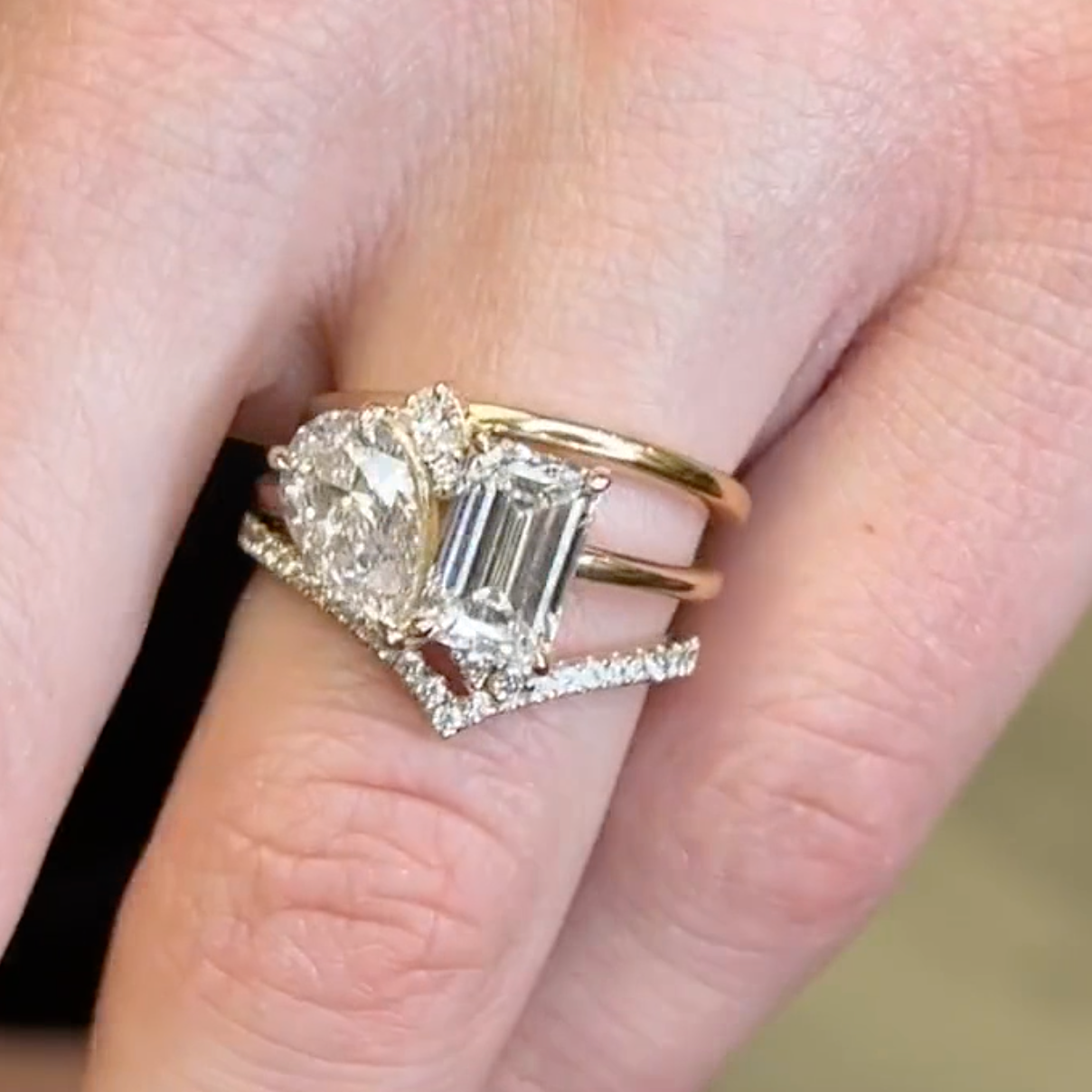
Width proportion: The wedding band's width should typically be narrower than or equal to the engagement ring's shank width. Visual balance flows from the engagement ring being the substantial visual anchor and the wedding band the complementary supporting piece.
Design language: Vintage with vintage, modern with modern, contemporary distinctive with similarly characterful engagement rings. When design vocabularies align, the pair reads as designed. When they don't align, the visual relationship reads accidental even if both rings are beautiful individually.
Nesting fit: For engagement rings with low-set centers, distinctive shanks, or geometric outlines, a curved or contoured wedding band shaped to fit produces flush contact where standard flat bands would create gaps. We discuss nesting fit during the design conversation based on your specific engagement ring.
Lab Grown vs Natural Diamond Options
All diamonds in women's wedding rings in this collection can be specified as lab grown or natural. Both are real diamonds with identical physical and optical properties; the difference is origin and price.
Lab grown diamonds: Diamonds created in controlled laboratory environments. Crystal structure, hardness, optical properties, and chemical composition are identical to natural diamonds. Lab grown diamonds cost approximately 40-60% less than natural diamonds of the same specifications (carat, color, clarity, cut). Most accent diamonds in women's wedding bands today are lab grown — the visual difference is undetectable.
Natural diamonds: Diamonds formed in the earth's mantle over billions of years and mined from natural deposits. Natural diamonds carry historical significance and traditional value. They cost more than lab grown for the same specifications.
For most women's wedding rings carrying accent diamonds (pavé bands, half eternity, full eternity, vintage diamond bands), couples choose lab grown for the cost advantage — the diamonds are typically too small to show any visible difference. For wedding bands carrying few but larger statement diamonds, some couples choose natural diamonds for the meaningful gem origin. The visual difference between lab grown and natural is undetectable; both are graded on the same color and clarity scales by the same gemological labs.
Customizing Your Women's Wedding Ring
Women's wedding rings in this collection are made-to-order with customization at multiple levels.
Metal choice: 14K or 18K gold (yellow, white, or rose) or platinum. The metal typically coordinates with the engagement ring it will pair with.
Diamond origin and quality: Lab grown or natural; standard VS-SI1 clarity in E-F-G color, with higher quality available at increased pricing.
Diamond carat weight: For some designs, total diamond carat weight can be adjusted within the design's structural constraints.
Width variations: For some designs, band width can be slightly increased or decreased to better match hand proportion or pair with a specific engagement ring.
Engraving: Interior engraving is available at no additional charge. Some vintage-style rings can carry exterior decorative engraving for additional cost.
Custom designs: For women whose vision doesn't match any of the 55 designs in this collection, Lisa designs custom women's wedding rings during a private design appointment — different diamond patterns, different band proportions, designs built around a specific engagement ring you're pairing with, or unique design concepts. Custom designs are crafted in 3-4 weeks after design approval.
Care, Resizing, and Lifetime Service
Women's wedding rings made in gold or platinum are designed for lifetime daily wear. The construction quality determines how the ring holds up; the service we provide determines what happens when the ring needs attention.
Daily care: Remove the ring before heavy manual work, gym workouts with weights, gardening, contact sports, and activities involving harsh chemicals. Clean weekly with warm soapy water and a soft cloth — pay attention to the spaces between diamonds where debris can accumulate. Annual professional cleaning maintains brightness; this is a free service for any ring we've crafted.
Resizing: Half eternity and partial-diamond rings can be resized within a reasonable range (typically 2-3 sizes up or down). Plain gold rings (Tanner family) resize more easily (4-5 sizes). Full eternity rings generally cannot be resized because diamonds run around the entire circumference. We discuss resizability during the design conversation if future sizing flexibility matters to you.
Long-term service: Women's wedding rings can be re-tipped (replacing worn prongs), have settings replaced, have stones replaced if lost, be refinished, and serviced indefinitely through our New York workshop. We maintain records of every ring we craft to support service.
White gold maintenance: Women's white gold wedding rings typically require rhodium replating every 2-3 years to maintain the bright white finish. Some wearers prefer letting the rhodium wear naturally over time, revealing the warmer underlying white gold color. Both approaches are valid.
Women's Wedding Rings — Frequently Asked Questions
How much do women's wedding rings cost?
