




Push Lock Necklaces | Interchangeable Gold and Diamond Locks
The Clasp Is the Point










































The Clasp Is the Point
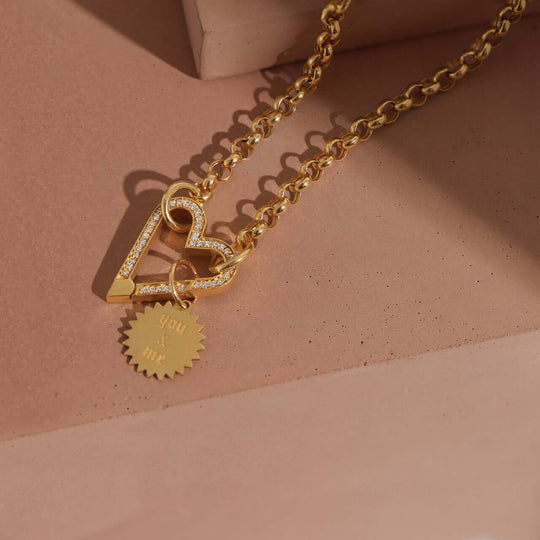
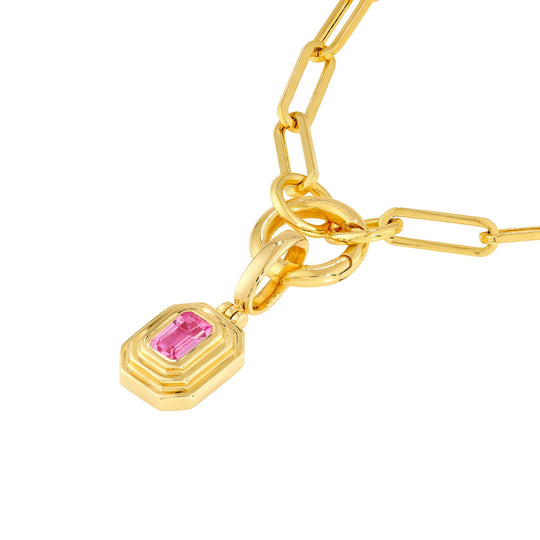
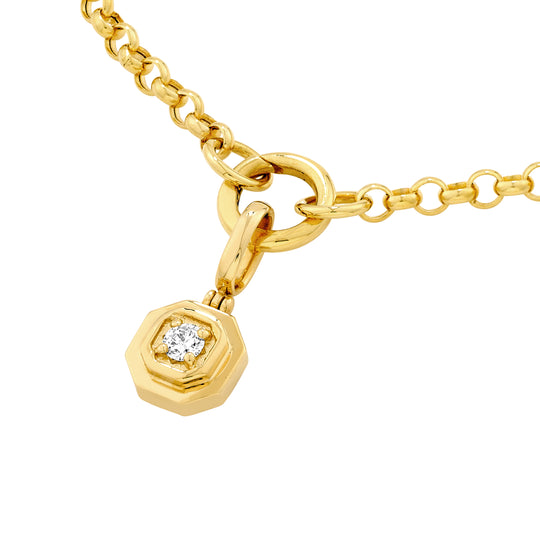
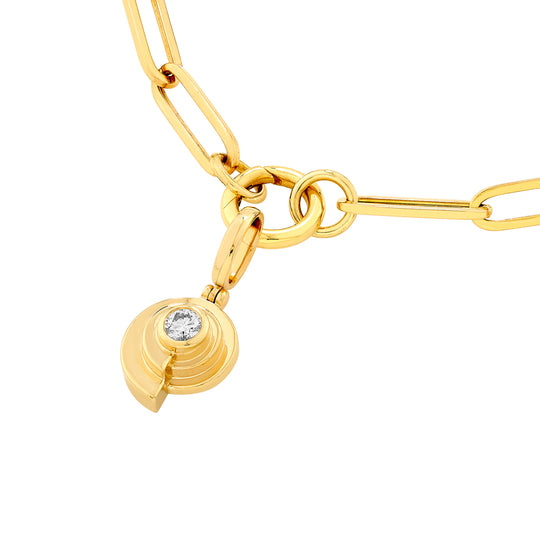
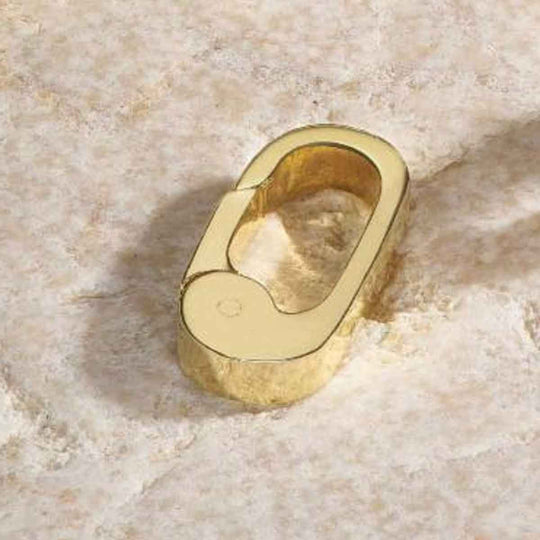
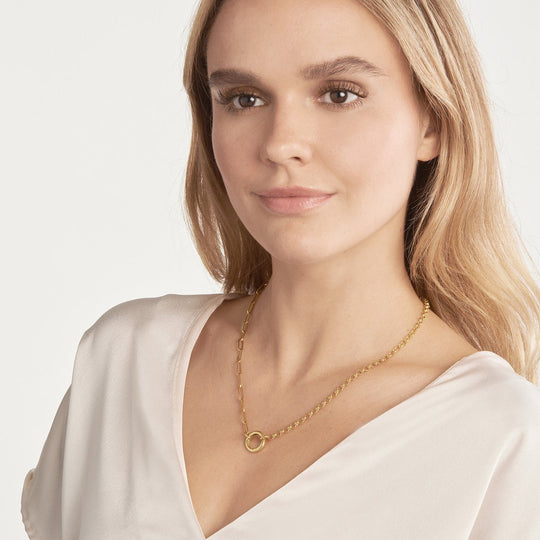
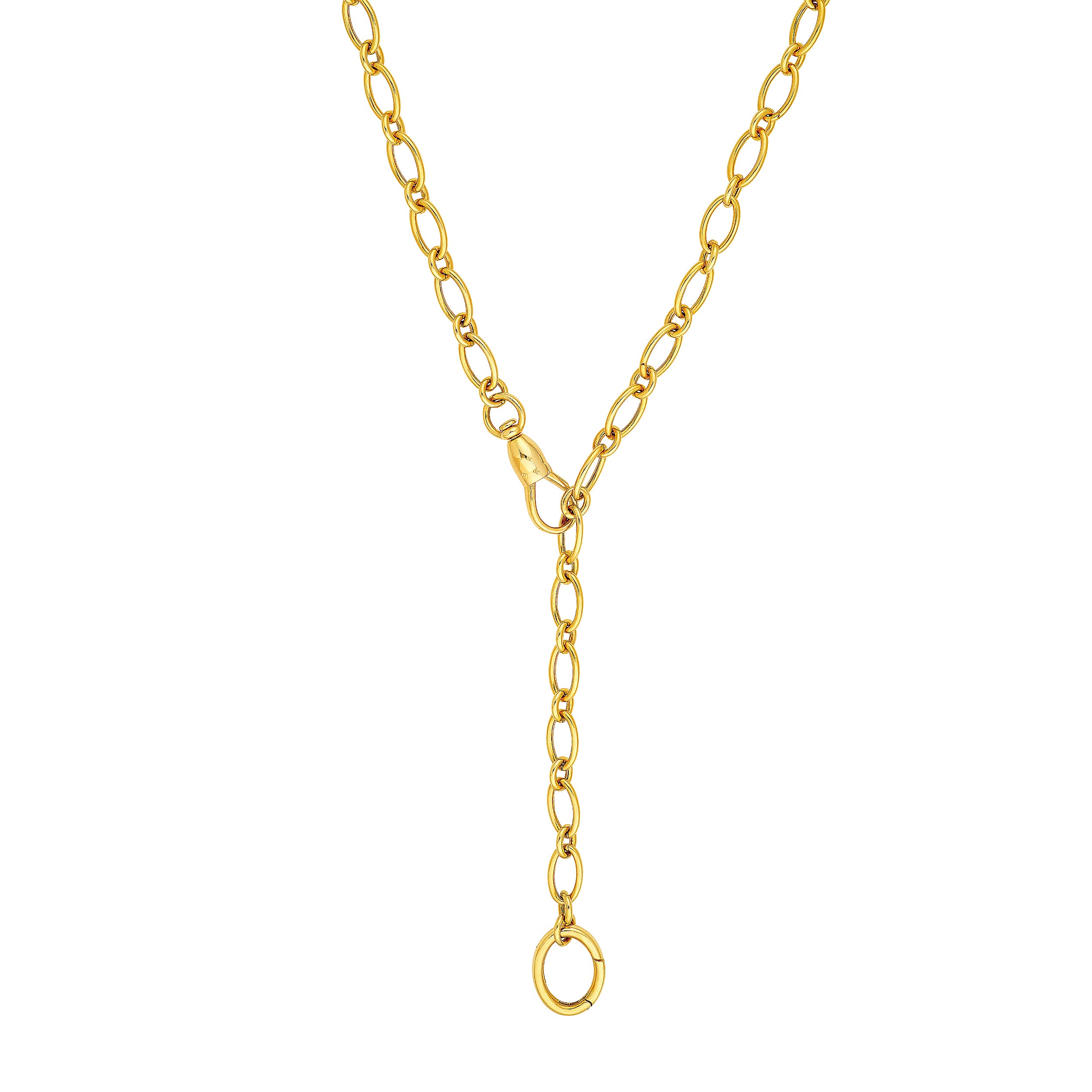
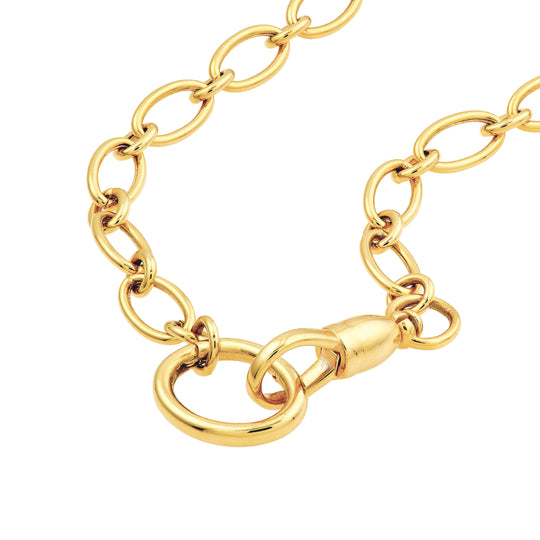
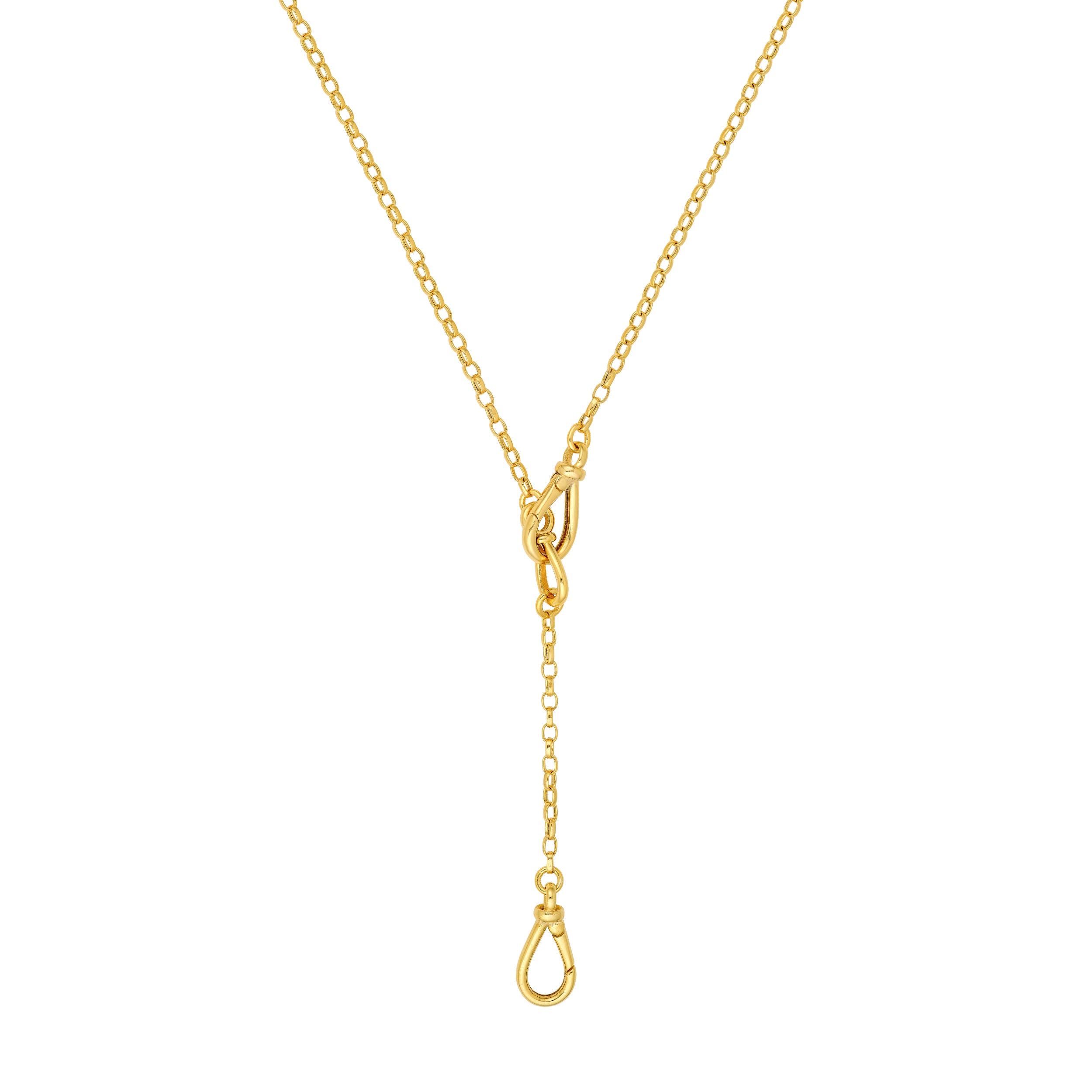
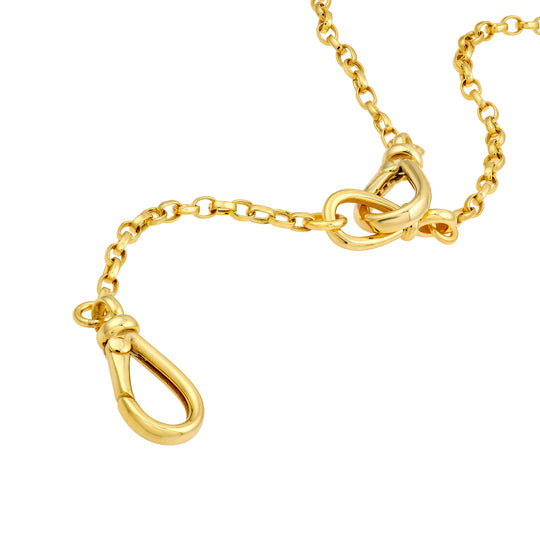
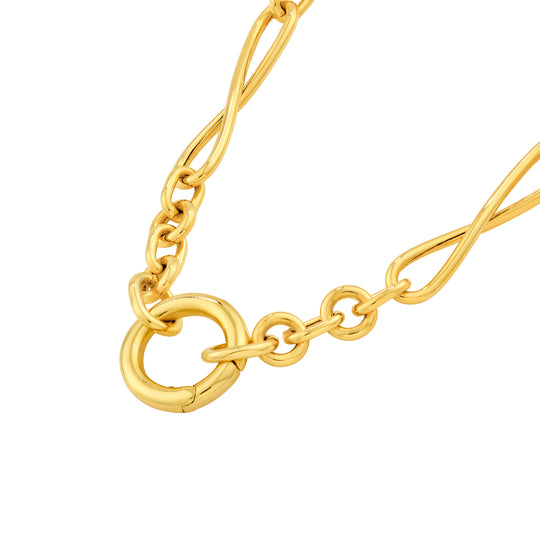
On most necklaces the clasp hides at the back of your neck. A push lock necklace moves it to the front and makes it the design. Press the hinged bar and the lock opens; thread it onto an open-ended chain, release, and it snaps shut. Both ends of the chain sit inside the lock, so it holds the necklace together and hangs as the pendant at the same time.
Because a push lock comes off a chain in seconds without tools, one chain can carry a different piece each day: a diamond lock for work, a polished oval on the weekend, two locks together when you want more. Nothing is soldered shut and nothing is permanent.
Every Lisa Robin push lock is made in 14K gold, with natural diamonds where the design calls for them. You choose your split chain on the product page, and its price is added at checkout, so you see exactly what each part costs. Push locks start at $195, and split necklace chains start at $1,295.
How the Push Lock System Works
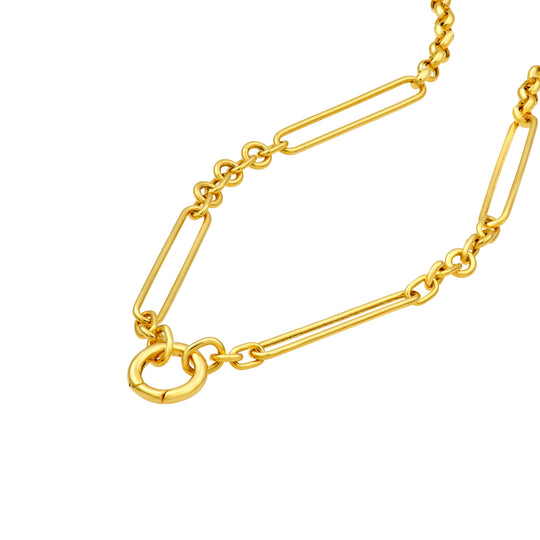
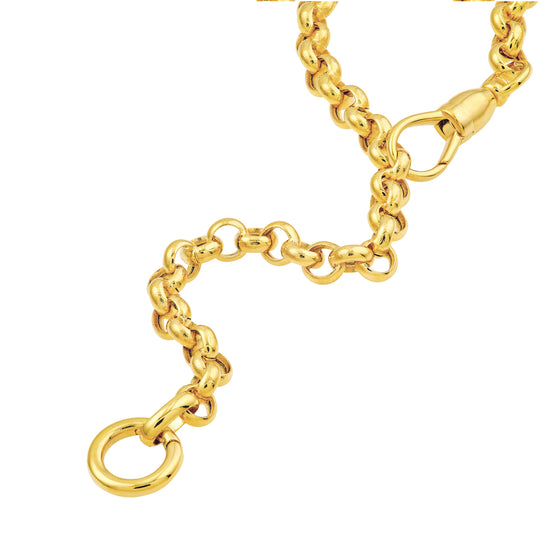
A push lock needs an open-ended chain, one with two finished ends rather than a joined loop. Thread both ends into the open lock, close it, and the lock becomes the joint. Each push lock product page shows the split chains with a photo and price for each: paper clip, rolo, curb, or a bracelet-length paper clip if you would rather wear the lock on your wrist. Already have a split chain? Choose that option and order the lock on its own.
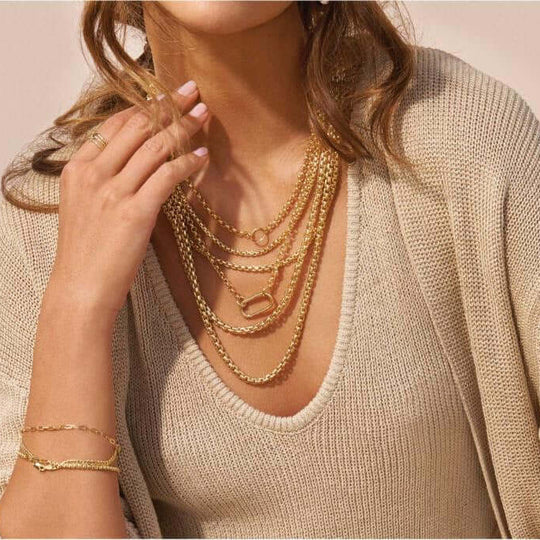
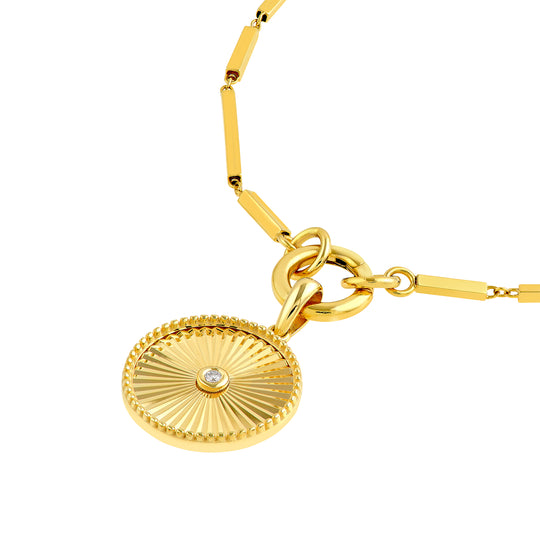
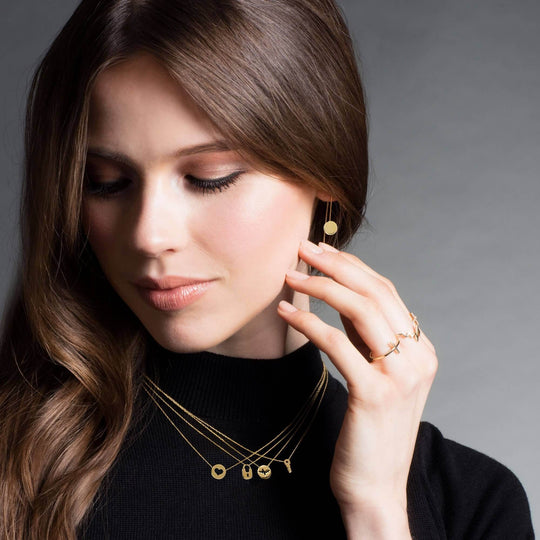
From there it is yours to rearrange. Add a second lock beside the first. Clip a pendant with a hinged bail onto the chain. Move a lock to a different chain for a new layering length, or onto the bracelet chain. Because the lock opens, every chain and every lock you own work together, so one purchase becomes several pieces.
Materials and Diamonds
Push locks are made in 14K gold, most in yellow, with white and rose on selected designs, all sustainably sourced. The mechanism is gold throughout, with no plated parts at the hinge, the part that takes the wear.
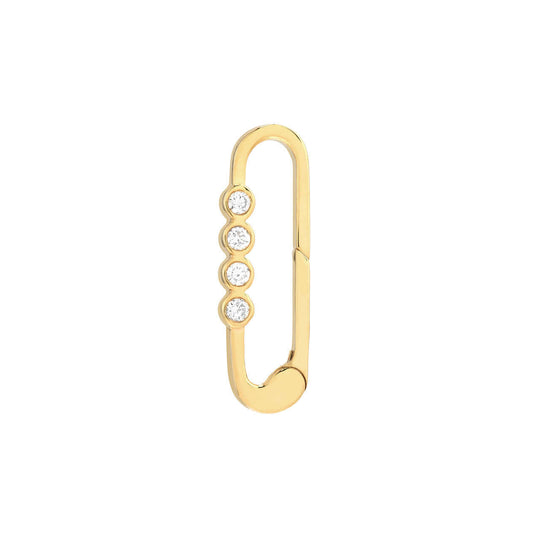
Diamonds on push locks are natural, set in pavé along an outline or as a single accent depending on the design. Each product page lists the exact diamond weight and the dimensions in millimeters.
Push Lock Shapes in This Collection
Shape decides how the lock reads on the chain.
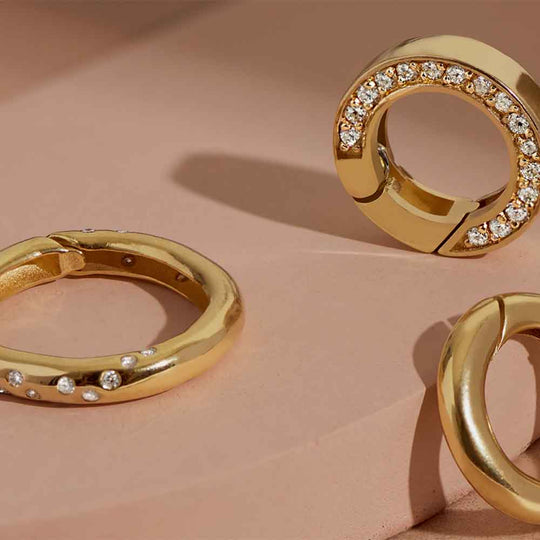
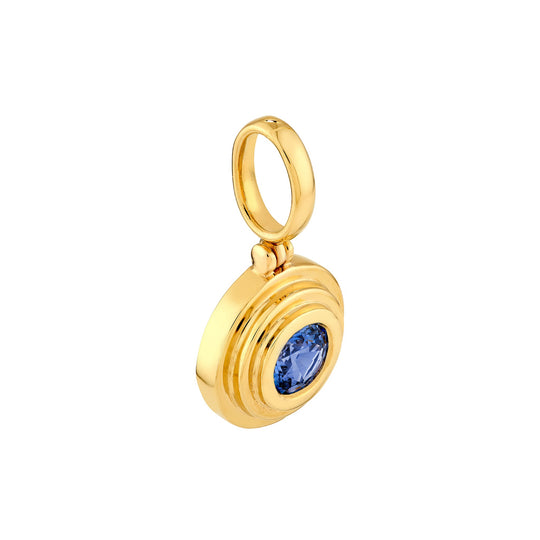
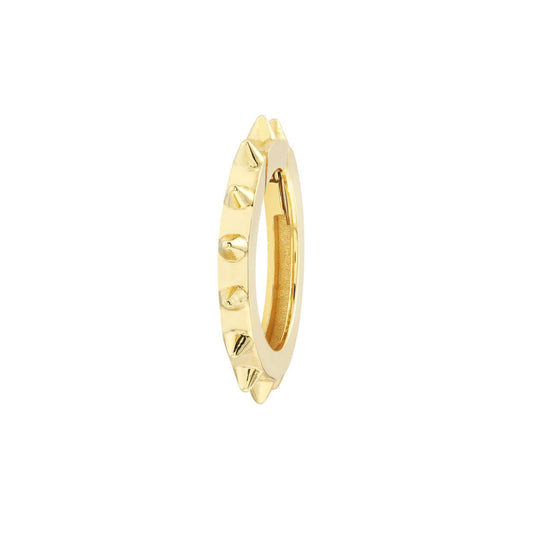
Oval and round push lock necklaces are the softest shapes and the easiest to layer under a second necklace. Choose polished gold, scattered diamonds, a full diamond circle, or a spiked edge for more definition.
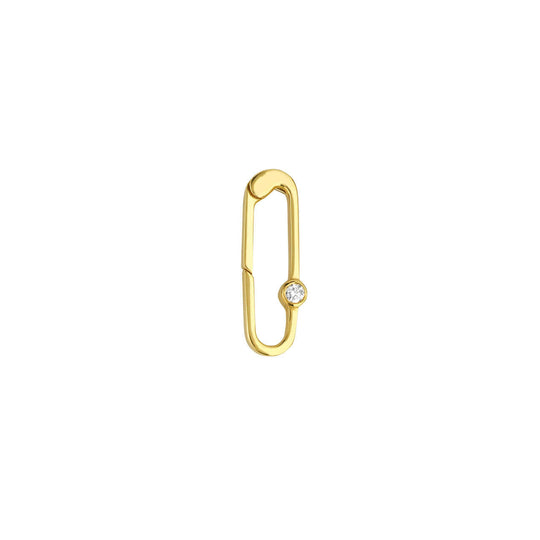
Paper clip push lock necklaces echo the elongated links of a paper clip chain, so the lock reads as part of the chain, with a diamond set in the center.
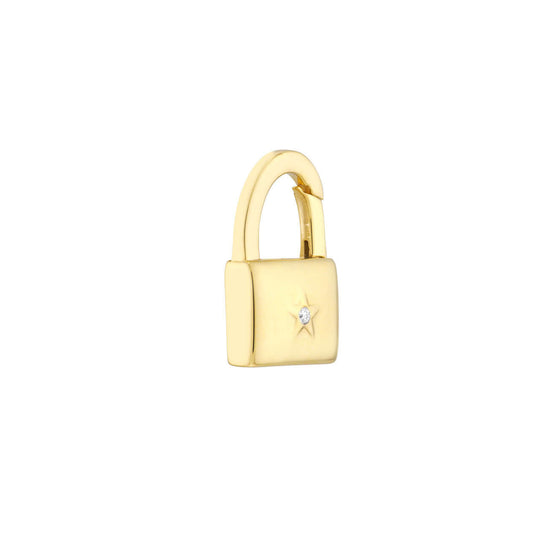
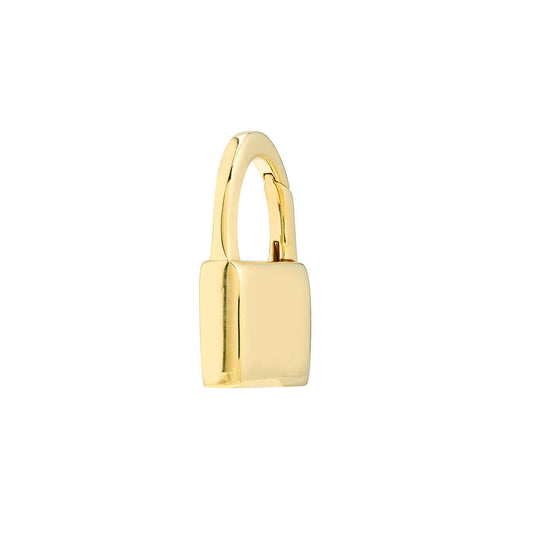
Padlock push lock necklaces carry the most direct symbolism: the shape of a real padlock, in polished gold or with a diamond accent.
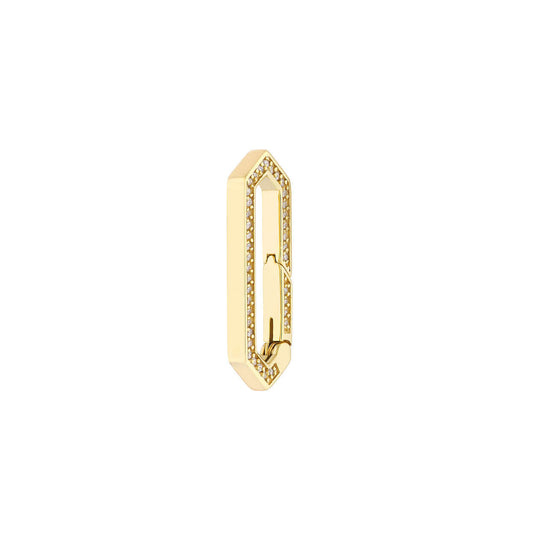
Heart and long hexagon push lock necklaces are both set with diamonds: a heart for the obvious reason, and an elongated hexagon for clean, architectural lines.
Pair your lock with the charms and pendants, or with the padlock necklaces for a layered look. For everything else in 14K gold, see Fine Necklaces.
Choosing Your Push Lock Necklace
Size. Size changes the look most, and several designs come in more than one. A 15mm round reads as a delicate detail; a 19.25mm round reads as a statement. Each product page gives dimensions in millimeters and inches, so you can compare against a necklace you already own.
Diamonds or polished gold. A diamond push lock becomes the focal point of whatever you wear it with. A polished gold lock is quieter and layers more easily. Many collections start with one of each.
Shape. Angular shapes, such as the hexagon and paper clip, read modern and architectural. Curved shapes, such as the oval, round and heart, read softer and more classic. The shape sets the tone more than the diamonds do.
Chain. A paper clip chain has long open links that echo the paper clip lock. A rolo chain is rounder and denser, which suits oval and round shapes. A curb chain is flatter and heavier, and carries the larger locks well. The bracelet-length paper clip puts the same lock on your wrist.
How many. One lock on one chain is a complete necklace. Two locks side by side make a different piece entirely, and because nothing is permanent, you can keep changing your mind.
What a Lock Means
A lock is one of the oldest symbols in jewelry: something closed and kept, a commitment made visible. Padlocks have been worn as tokens of devotion for well over a century.
What makes a push lock different is that it opens. A locket keeps something hidden; a soldered charm stays where it was put. A push lock is a closure you can undo on purpose: chosen, held, and chosen again. It suits a milestone, a push present, or a gift for someone who should keep deciding how it looks.
From Our Studio Near Dayton, Ohio
Lisa Robin push lock necklaces are selected in our studio near Dayton, Ohio. On a piece like this the hinge and spring are everything: a lock that opens and closes hundreds of times has to stay snug for years. Order online, or book a 15-minute phone appointment if you would like help pairing locks and chains into a set.
From Couples Who Designed With Lisa
More about Lisa Robin push lock necklaces
